Rebar Coupler Test Reports: What Buyers Should Review
Review rebar coupler test reports for assembly identity, loading scope, measured results, acceptance criteria and traceability to the supplied configuration.
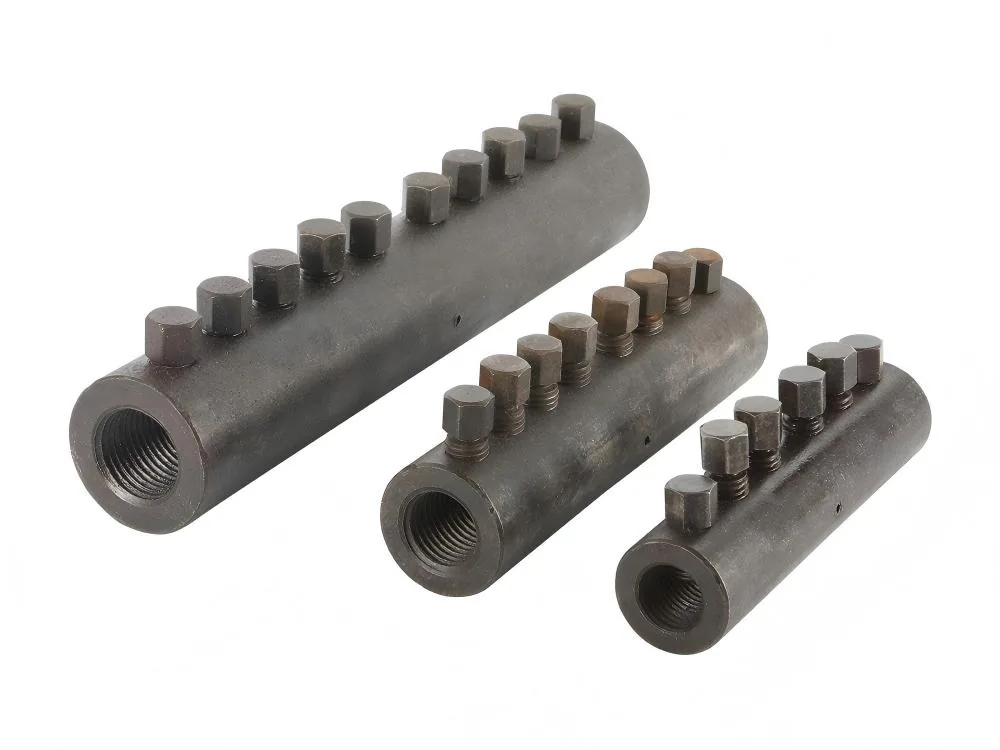
Rebar coupler test reports should show what bar-and-splice assembly was tested, how it was loaded and which acceptance requirements were applied. A strong result on an unrelated specimen is not a complete basis for accepting a delivery. Buyers need a connection between the offered product, the test evidence and the project requirements.
Rebar coupler test reports: identify the specimen before reading the result
Locate the coupler model, size, bar designation and preparation description in the report. Check whether the submitted evidence covers the configuration being offered, including transitions or positional arrangements where relevant. Ask for clarification when a report uses a supplier’s internal name that does not appear in the quotation. Keep a mapping between those identifiers in the submittal. This simple exercise prevents a familiar document title from concealing the fact that the actual assembly has not been identified.
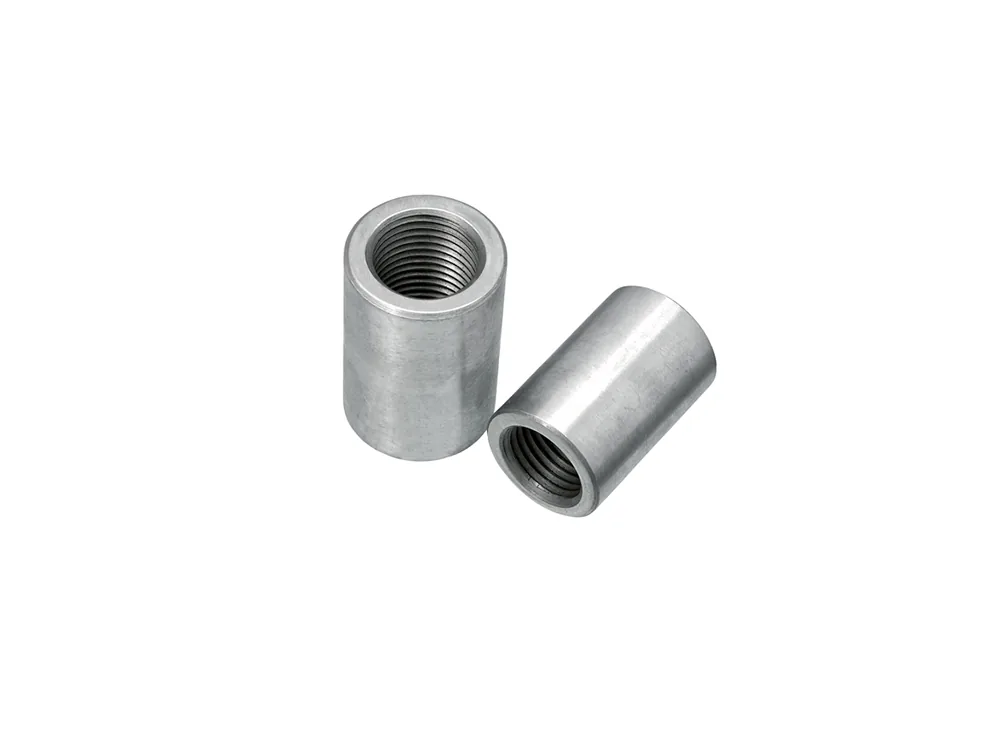
Separate static, slip and cyclic evidence
ISO 15835-1 distinguishes static requirements and additional requirements for specified fatigue or reverse-loading applications. ASTM A1034/A1034M-24 covers qualification requirements and test methods for reinforcing-bar mechanical splices. Neither reference should be reduced to the word passed on a supplier checklist. Ask which tests and criteria the project requires and where the corresponding results appear. A static result should not be presented as evidence for a loading regime that the report does not address. Use the specified editions and the responsible technical reviewer’s acceptance basis.
Read results alongside the acceptance decision
Check the test dates, specimen references, reported observations and the person or organization issuing the report. Distinguish measured values from the statement that those values satisfy a requirement. When the acceptance basis is unclear, request the applicable criterion and an explanation from the technical reviewer instead of inventing a threshold. Ask for a document index linking the submitted report to the offered configuration. Keep clarifications with the accepted submittal so an isolated email or incomplete screenshot does not become the only record of the review decision.
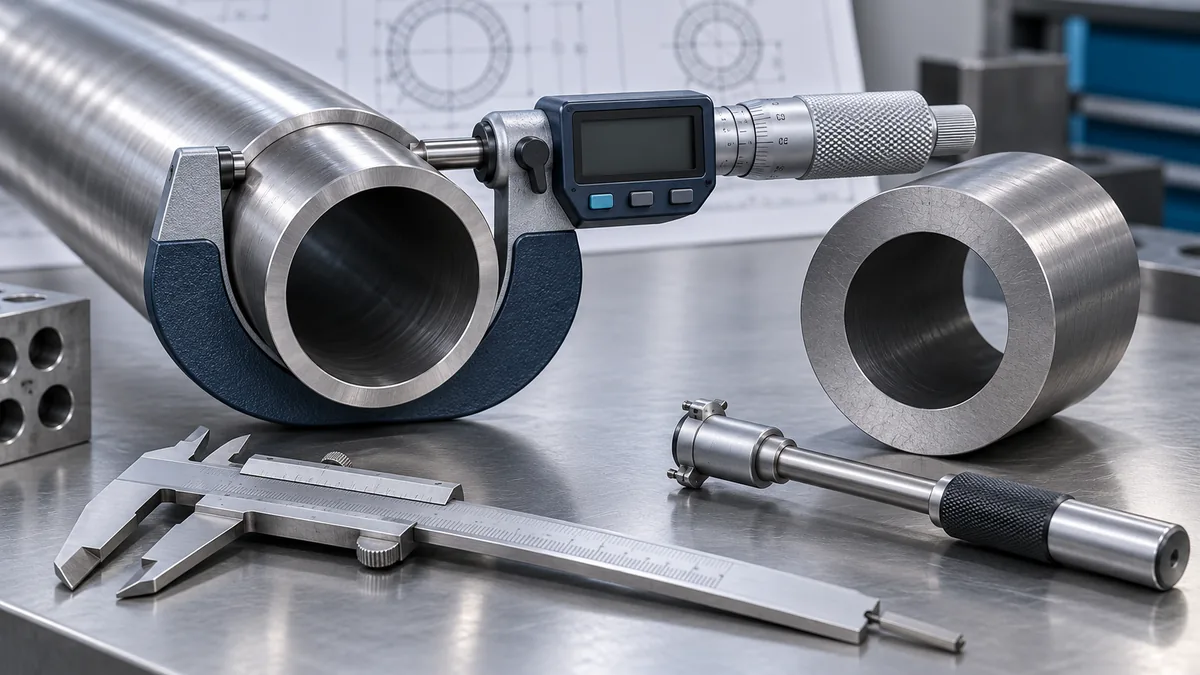
Connect qualification to production and installation
A laboratory record and a shipment release answer different questions. The test establishes evidence for its identified specimens; delivery records must show what was supplied, and site records must show what was assembled. ASTM’s published guidance emphasizes that comparable performance depends on similar materials and assembly methods. Ask how production identity and bar-end preparation remain connected to the qualified configuration. If a supplier changes the model, material or process, require the change to be reviewed before treating the previous report as automatically applicable.
Rebar coupler test reports: review table
| Report check | Question | Action when unclear |
|---|---|---|
| Specimen identity | Does it match the offered assembly? | Request a model-to-report mapping |
| Test scope | Does it address the required loading? | Refer gaps to the technical reviewer |
| Acceptance basis | Which criteria and edition apply? | Obtain a documented decision |
| Delivery link | Can the supplied lot be identified? | Request traceability records |
Frequently asked questions
Does a sleeve material certificate replace splice testing?
It describes the reported material, not the performance of the complete assembled splice. Review each required document for its own purpose.
Does an ISO 9001 certificate prove a particular coupler passes?
A management-system certificate does not, by itself, establish the performance or project acceptance of a specific bar-splice configuration.
Related products and technical guides
- Rebar Coupler
- Rebar couplers: connection types, specifications and acceptance
- Positional Rebar Couplers: Planning for Fixed Bars
- Bolted Rebar Couplers for Existing Bar Connections
Sources and further reading
- ISO 15835-1:2018: reinforcement coupler requirements
- ASTM A1034/A1034M-24: qualification requirements and test methods
For a project inquiry, use this rebar coupler test reports guide to prepare the bar designation, connection drawing, quantities and acceptance requirements. Send the specification to Tenjan to request the relevant product information and confirm the available supply scope.