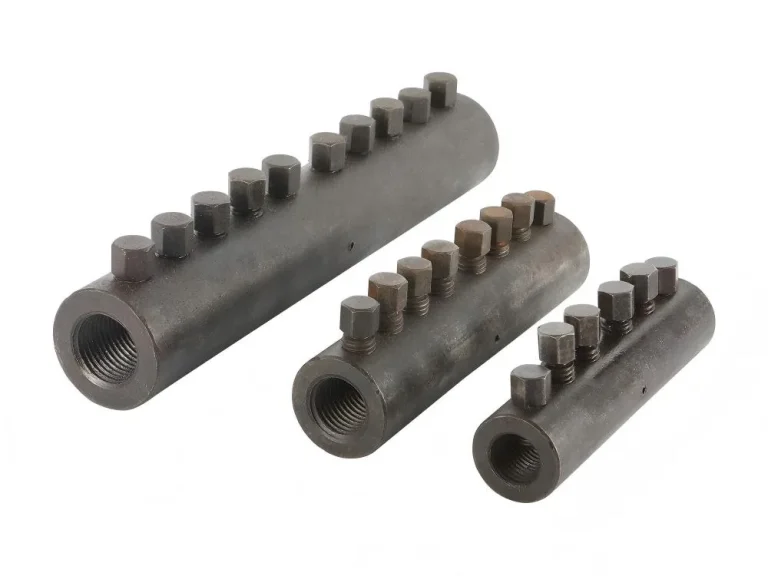
Rebar Coupler Test Reports: What Buyers Should Review
Review rebar coupler test reports for assembly identity, loading scope, measured results, acceptance criteria and traceability to the supplied configuration.
Read article →Technical guides for engineers and buyers selecting precision steel tubes. The articles explain how ASTM, EN, DIN, JIS and GB requirements interact with grade, delivery condition, dimensions, tolerances, surface quality, testing and certification. They also cover process choices such as cold drawing, cold rolling, heat treatment and custom profile development. Use the guides to prepare drawings and RFQs, compare proposed equivalents and plan receiving inspection. Final material and process decisions should always be checked against the governing design, current standard edition and operating conditions of the finished equipment. For a technical RFQ, work in this order: confirm the product standard and grade, select the manufacturing route and final condition, identify functional dimensions, then define inspection and documentation. Cold drawing and cold rolling should be compared against the bore, wall and profile that matter to the component. Material comparisons should include fabrication and heat treatment, not strength alone. Where a legacy drawing names a DIN grade, preserve the original requirement and document any proposed replacement instead of treating a cross-reference as automatic approval.
Review rebar coupler test reports for assembly identity, loading scope, measured results, acceptance criteria and traceability to the supplied configuration.
Read article →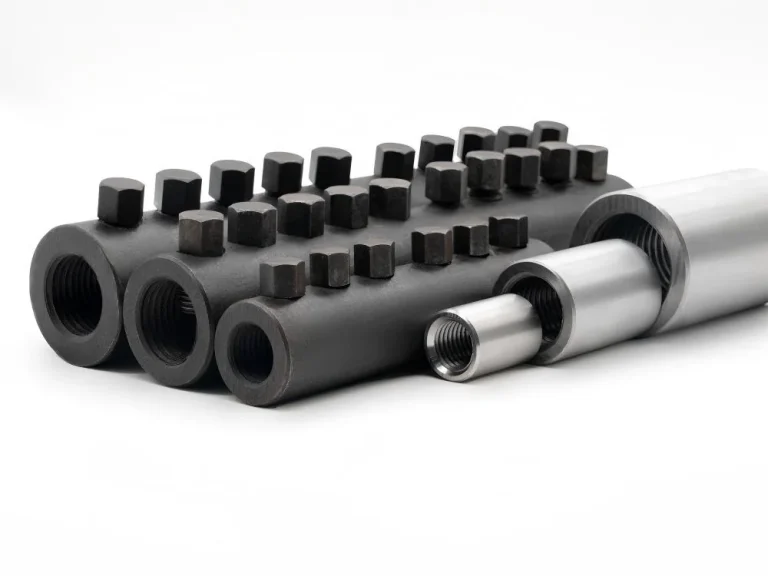
Evaluate bolted rebar couplers for existing reinforcement by checking bar condition, exposed length, tool access, system qualification and inspection records.
Read article →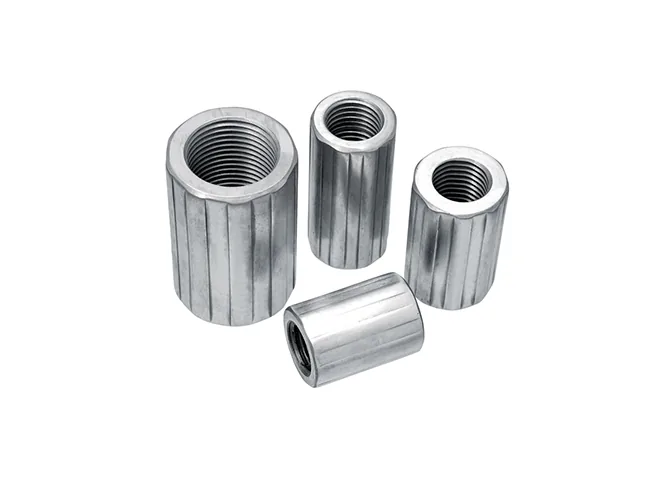
Plan positional rebar couplers for fixed bars by checking rotation, axial movement, installation sequence, component access and the qualified system detail.
Read article →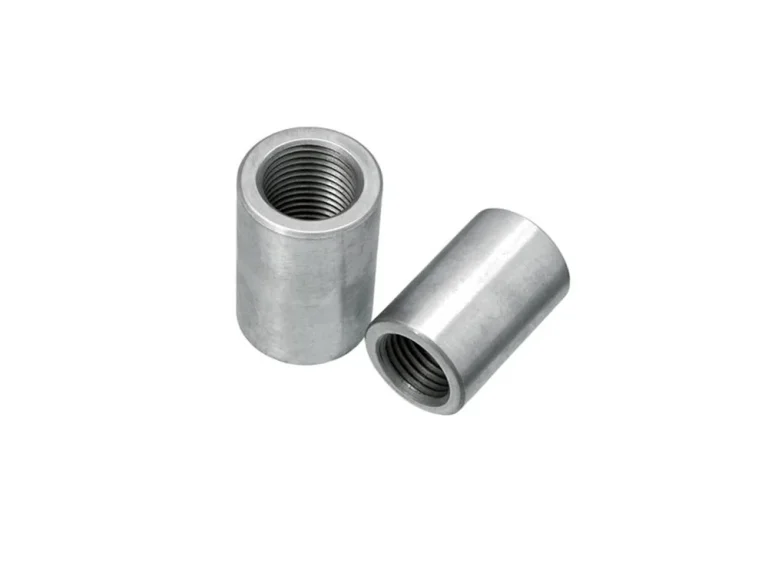
Compare parallel vs tapered thread rebar couplers by bar-end preparation, thread compatibility, engagement checks and the approved installation procedure.
Read article →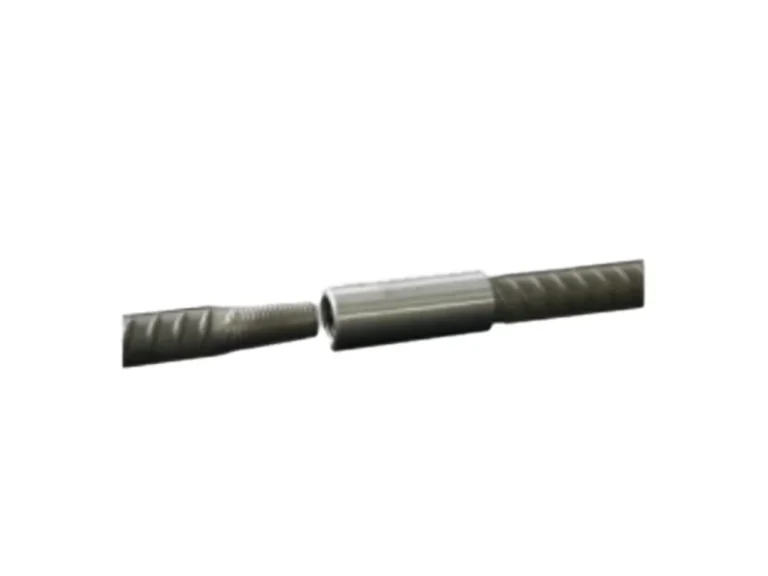
Compare rebar couplers vs lap splices through approved details, cage space, fabrication work and installed cost instead of sleeve price alone.
Read article →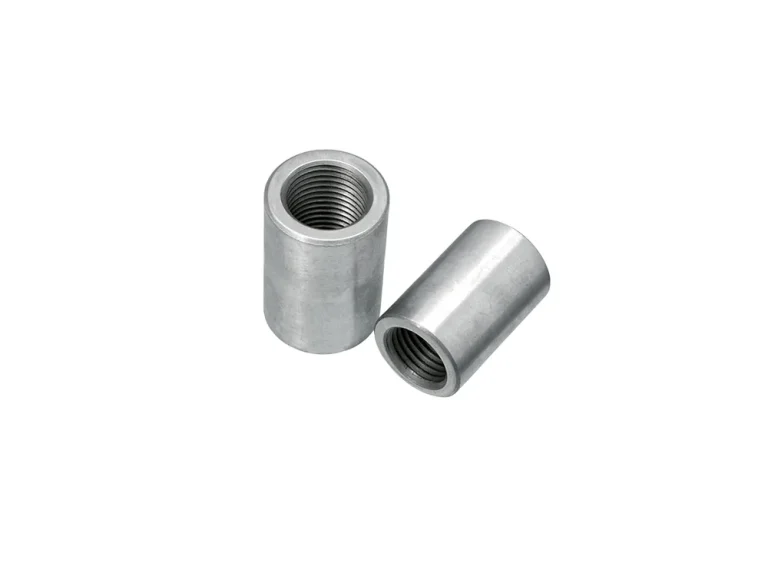
Use this rebar coupler RFQ checklist to specify bar grades, connection details, testing, quantities and delivery documents for comparable supplier quotes.
Read article →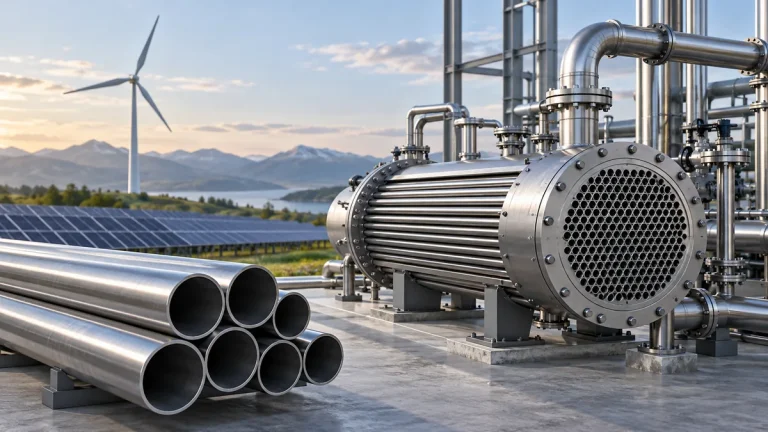
Review steel tubes for geothermal systems. Check scope, material condition, inspection evidence and ordering details before accepting a supplier quotation.
Read article →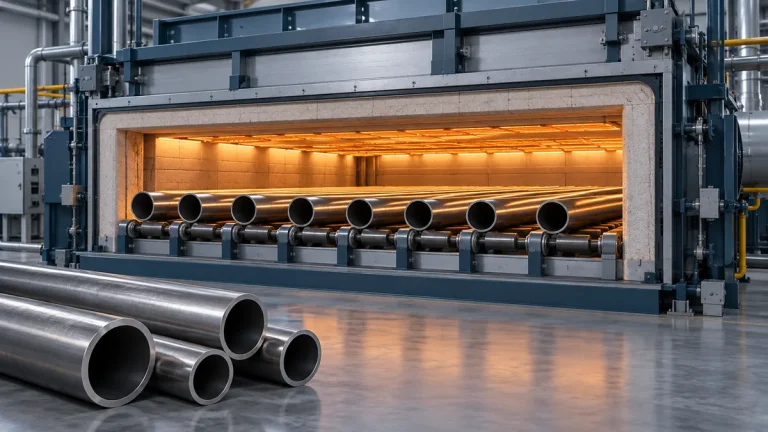
Review astm a335 p91 pipe. Check scope, material condition, inspection evidence and ordering details before accepting a supplier quotation.
Read article →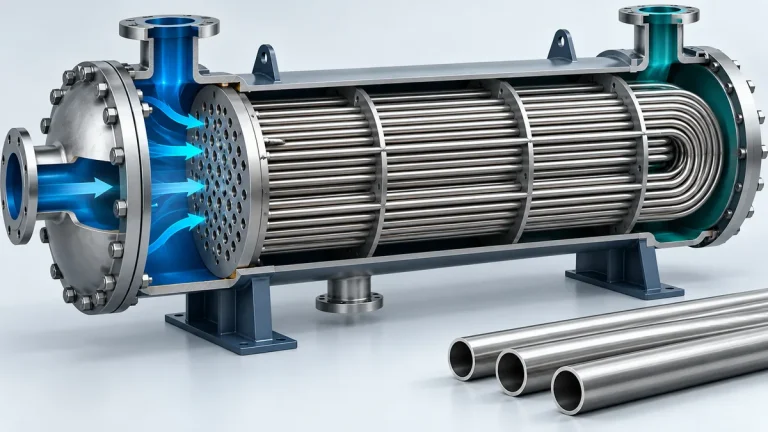
Review astm a213 t22 tubes. Check scope, material condition, inspection evidence and ordering details before accepting a supplier quotation.
Read article →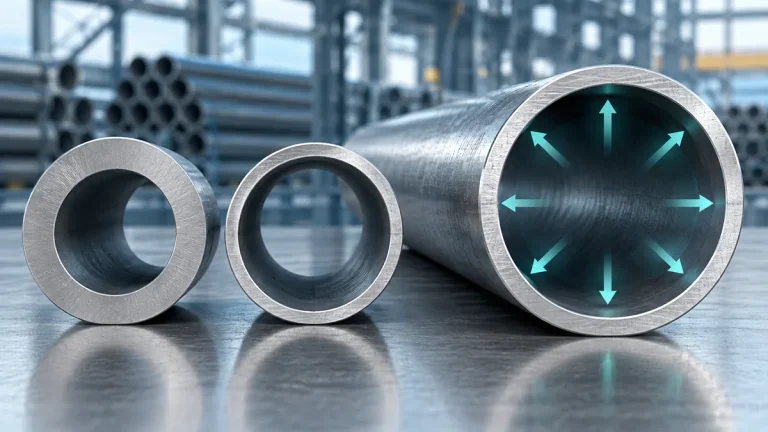
Review api 5ct casing and tubing. Check scope, material condition, inspection evidence and ordering details before accepting a supplier quotation.
Read article →Review cold-rolled vs hot-finished steel tubes. Check scope, material condition, inspection evidence and ordering details before accepting a supplier quotation.
Read article →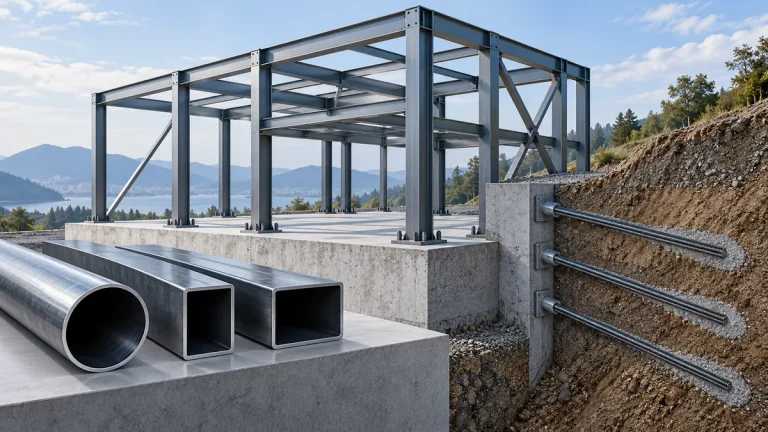
Review astm a500 structural tubing. Check scope, material condition, inspection evidence and ordering details before accepting a supplier quotation.
Read article →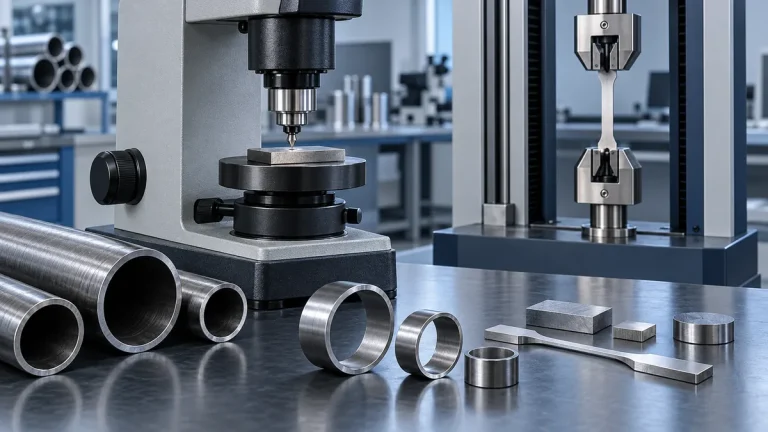
Review astm a333 pipe. Check scope, material condition, inspection evidence and ordering details before accepting a supplier quotation.
Read article →Review astm a519 1026 tubing. Check scope, material condition, inspection evidence and ordering details before accepting a supplier quotation.
Read article →Review hydrostatic testing of steel pipes. Check scope, material condition, inspection evidence and ordering details before accepting a supplier quotation.
Read article →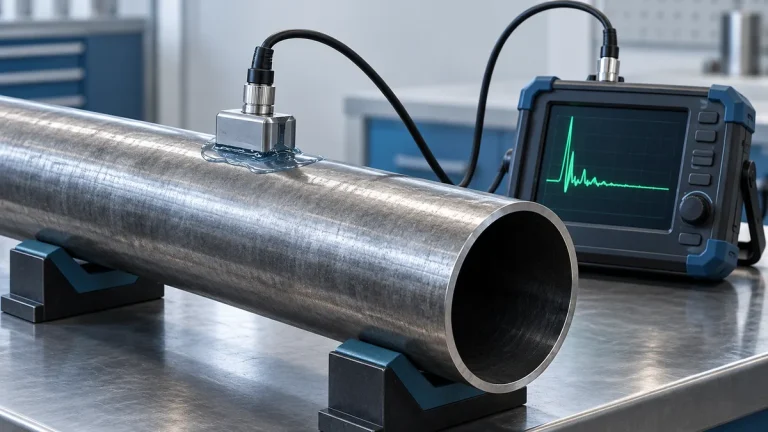
Review ultrasonic testing of steel tubes. Check scope, material condition, inspection evidence and ordering details before accepting a supplier quotation.
Read article →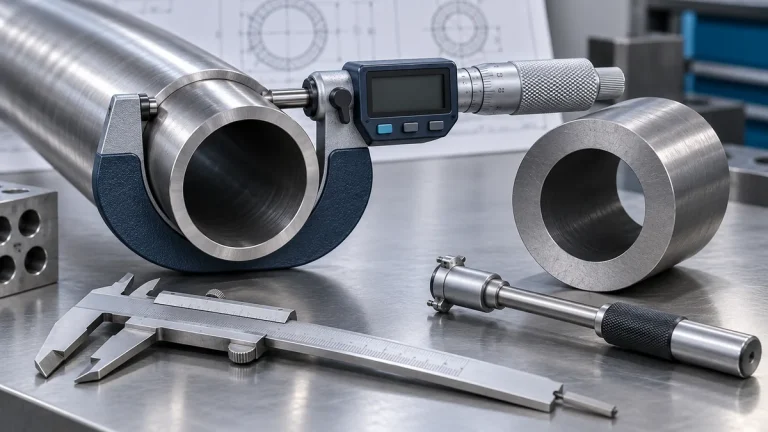
Review precision vs standard steel tubing. Check scope, material condition, inspection evidence and ordering details before accepting a supplier quotation.
Read article →Review hot-rolled seamless tube production. Check scope, material condition, inspection evidence and ordering details before accepting a supplier quotation.
Read article →Review api 5l line pipe. Check scope, material condition, inspection evidence and ordering details before accepting a supplier quotation.
Read article →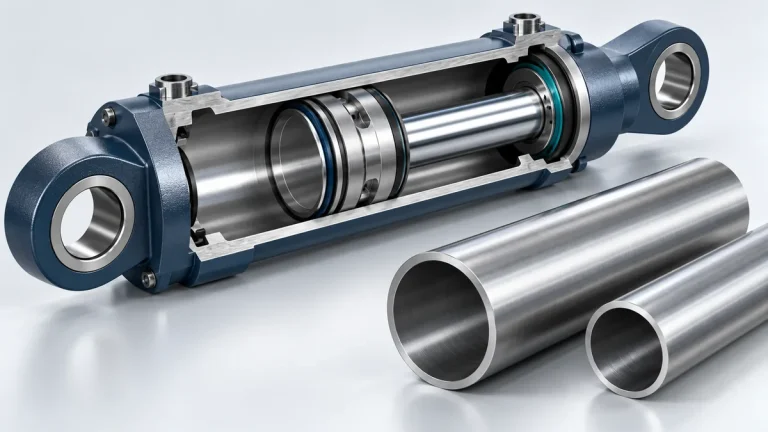
Review steel tubes for mining equipment. Check scope, material condition, inspection evidence and ordering details before accepting a supplier quotation.
Read article →Review power plant steel pipes. Check scope, material condition, inspection evidence and ordering details before accepting a supplier quotation.
Read article →Review steel tubes for heavy machinery. Check scope, material condition, inspection evidence and ordering details before accepting a supplier quotation.
Read article →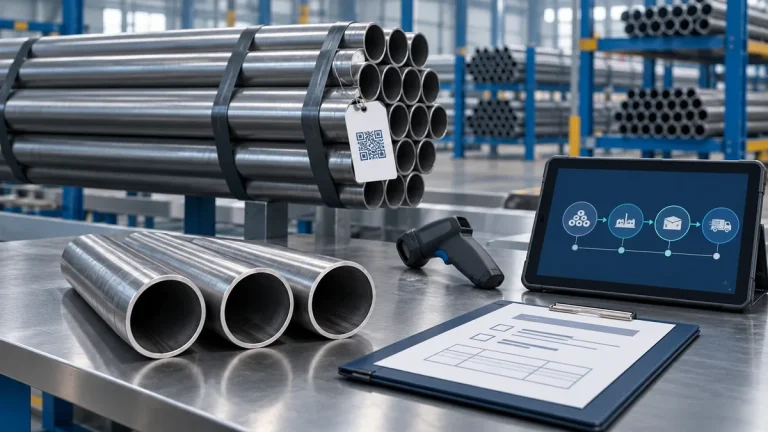
Review steel tube mill test certificates. Check scope, material condition, inspection evidence and ordering details before accepting a supplier quotation.
Read article →Review astm a213 tubes. Check scope, material condition, inspection evidence and ordering details before accepting a supplier quotation.
Read article →Review astm a335 p22 pipe. Check scope, material condition, inspection evidence and ordering details before accepting a supplier quotation.
Read article →Review 4130 vs 4140 steel tubes. Check scope, material condition, inspection evidence and ordering details before accepting a supplier quotation.
Read article →Review steel tube straightness and roundness. Check scope, material condition, inspection evidence and ordering details before accepting a supplier quotation.
Read article →Review steel pipes for gas pipelines. Check scope, material condition, inspection evidence and ordering details before accepting a supplier quotation.
Read article →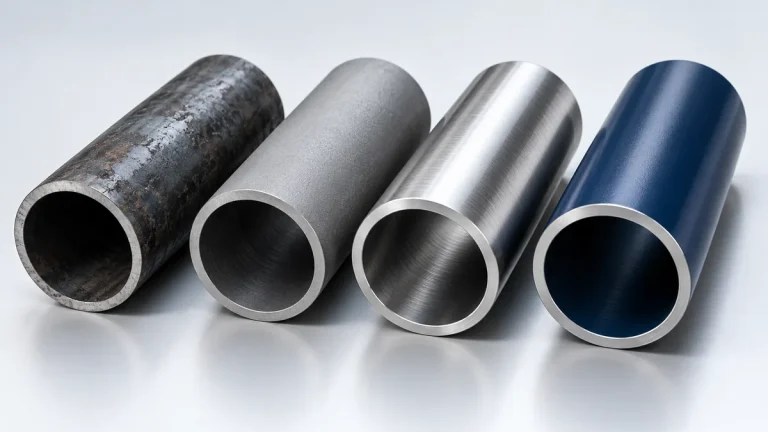
Review steel tube galvanizing. Check scope, material condition, inspection evidence and ordering details before accepting a supplier quotation.
Read article →Review steel pipes for chemical service. Check scope, material condition, inspection evidence and ordering details before accepting a supplier quotation.
Read article →Review steel tube eddy current testing. Check scope, material condition, inspection evidence and ordering details before accepting a supplier quotation.
Read article →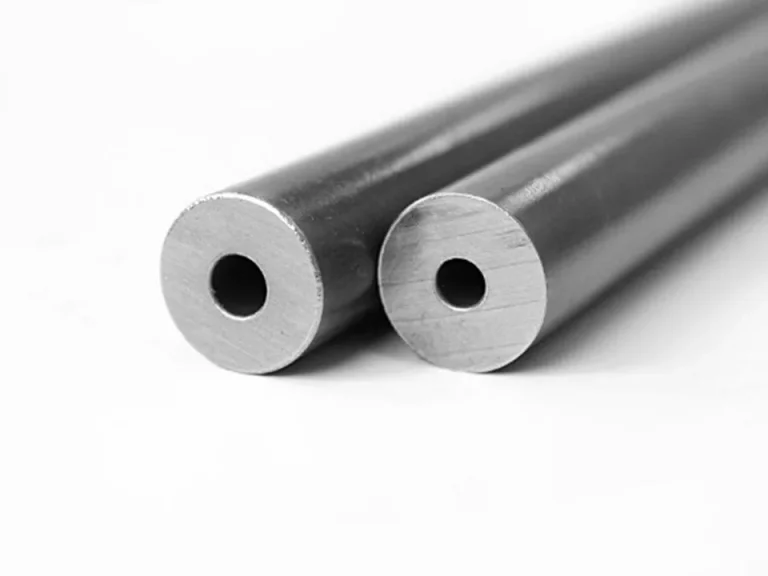
Specify thick-wall seamless tubes by OD, ID, wall distribution, condition and machining envelope. Review small-diameter geometry, inspection and design limits.
Read article →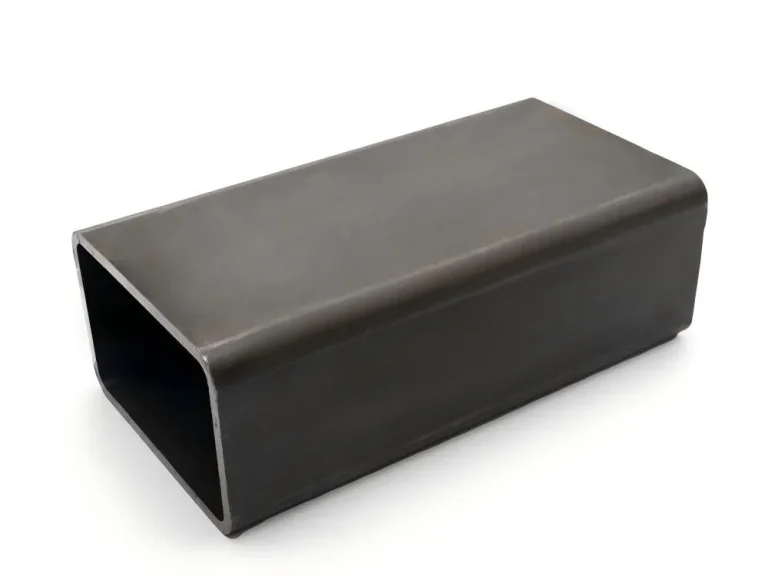
Compare structural and mechanical tubing by function, standards, dimensions, processing and acceptance. Review substitutions beyond a grade-name match.
Read article →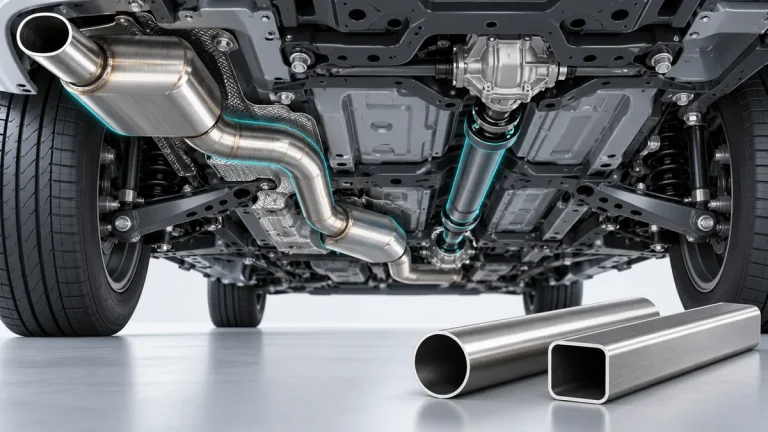
Specify steering and drive shaft tubes by load, geometry, forming, joints and OEM validation. Separate tube-stock acceptance from finished-component approval.
Read article →Distinguish hollow-bar soil nails from generic steel pipe. Review system capacity, couplers, corrosion, installation and testing with the geotechnical designer.
Read article →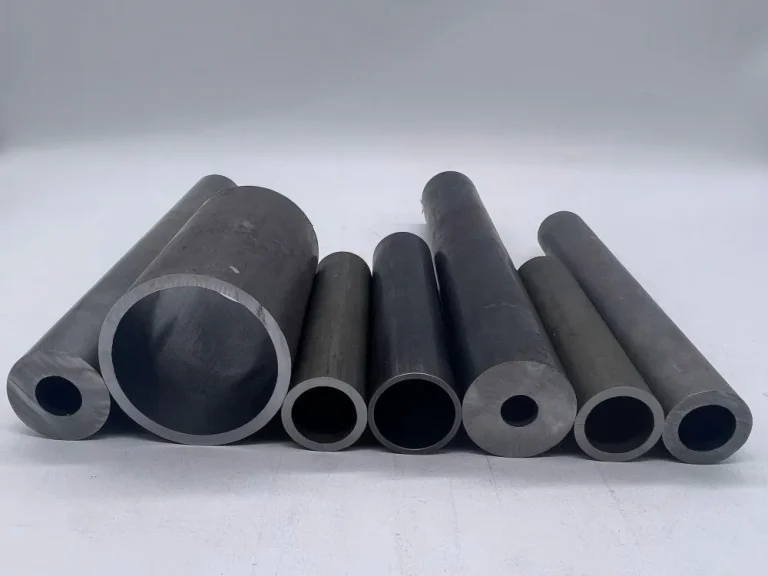
Prepare shipbuilding tube orders with system duty, class scope, material approval and lot documents. Distinguish manufacturer approval from delivery evidence.
Read article →Distinguish oil and gas tube duties, line pipe and equipment components. Review sour service, product standards, inspection and traceability before ordering.
Read article →Specify heat exchanger steel tubes by both fluid sides, material, wall basis, tube-sheet joints and inspection. Prepare an equipment-specific ordering brief.
Read article →Separate pressure, thermal, structural and hydraulic tube duties in energy projects. Build a specification map and prevent gaps between package suppliers.
Read article →Compare stainless and carbon steel pipe using fluid, corrosion, fabrication and lifecycle cost. Avoid assuming stainless is corrosion-proof or always stronger.
Read article →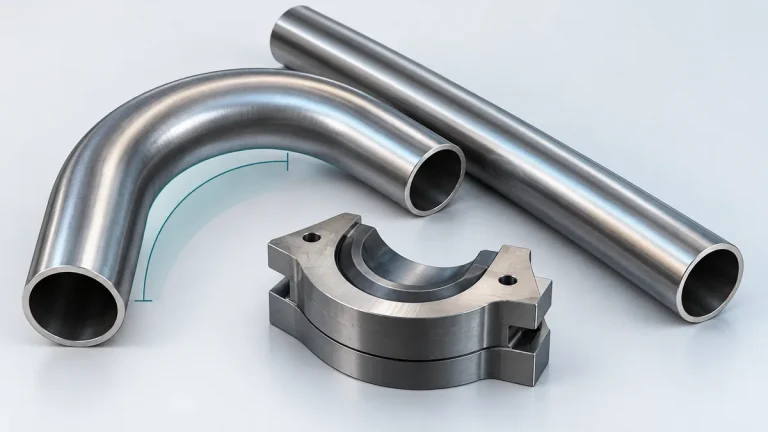
Review small-bore automotive hydraulic tubes by approved standard, forming, joints, corrosion and cleanliness. Do not assume seamless is always required.
Read article →Review petroleum cracking tube requirements, the GB/T 9948-2025 update, refinery damage mechanisms and inspection before approving material or substitutions.
Read article →Select seamless boiler tubes by equipment duty, approved material, wall basis, forming and inspection. Prepare a complete order without assuming equivalence.
Read article →Plan precision steel tube installation around identity, handling, end preparation, alignment and supports. Use a release checklist without assumed test limits.
Read article →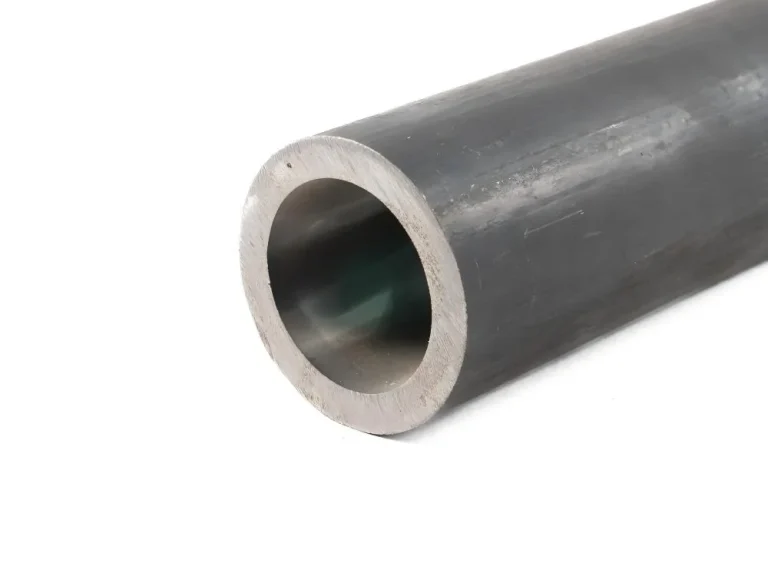
Specify pneumatic cylinder tubes through bore geometry, seal compatibility, environment and finishing. Separate barrel stock from pneumatic supply tubing.
Read article →Compare hydraulic and mechanical tubing by function, fittings, condition, bore and acceptance. Learn why a similar grade is not an automatic substitute.
Read article →Specify hydraulic tubes for earthmoving equipment by pressure cycles, impact, routing, fittings and contamination control. Prepare a duty-specific RFQ.
Read article →Map hydraulic cylinder applications to load, stroke, bore, seal and fatigue requirements. Compare industrial and mobile duties before ordering tube stock.
Read article →Compare boiler tubes and mechanical tubing by service, product standards, delivery condition and acceptance. Avoid unapproved material substitutions.
Read article →
Find the relevant ASTM steel pipe or tube family by application, material and manufacturing route. Build a complete specification before quoting.
Read article →Understand steel pipe vs steel tube dimensions, nominal sizes and wall callouts. Avoid purchasing errors by specifying the actual product requirements.
Read article →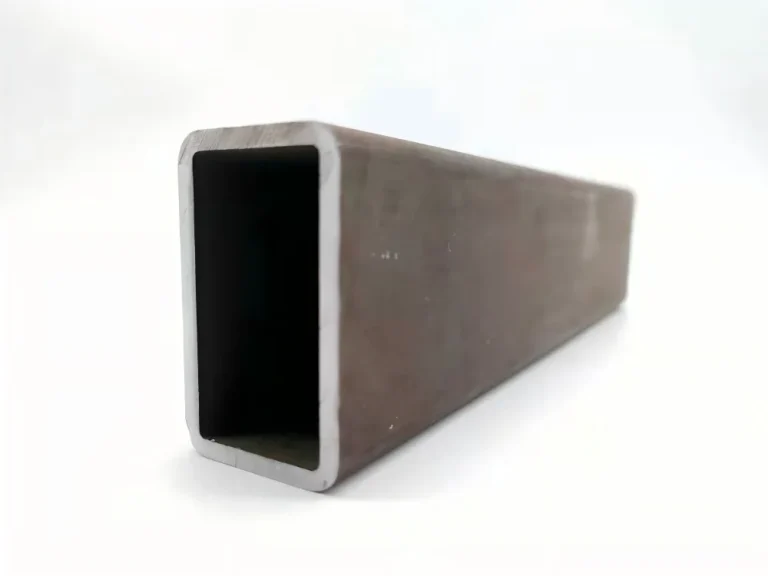
Read square steel tube sizes by outside width, wall, corners and length. Compare structural and mechanical specifications before ordering.
Read article →Select rebar couplers as qualified bar-splice systems. Review connection type, loading, installation evidence and acceptance before ordering.
Read article →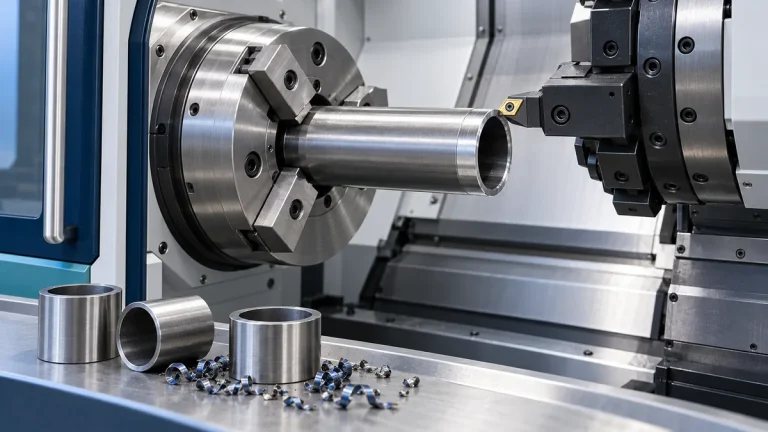
Compare 10, 20 and 45 steel tubes for machining by condition, chip control, hardness and finishing needs. Plan trials instead of using grade-only rankings.
Read article →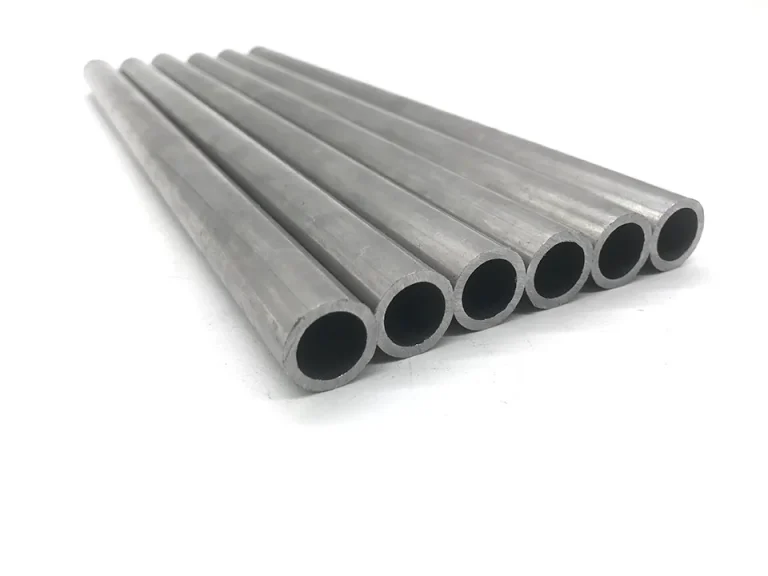
Review JIS G3441 alloy steel tubes for machinery procurement. Check the 2025 edition, full grade, manufacturing method, dimensions and inspection.
Read article →16 gauge steel is not one universal thickness. Compare sheet gauge and Birmingham Wire Gauge, convert to millimetres and specify tube wall clearly.
Read article →Read steel tube chemistry alongside condition, welding and machining requirements. Learn what heat analysis can prove and what it cannot.
Read article →Compare GB/T 8163 liquid-service pipe with the updated GB/T 9948 petrochemical standard. Review the 2025 change before approving a substitution.
Read article →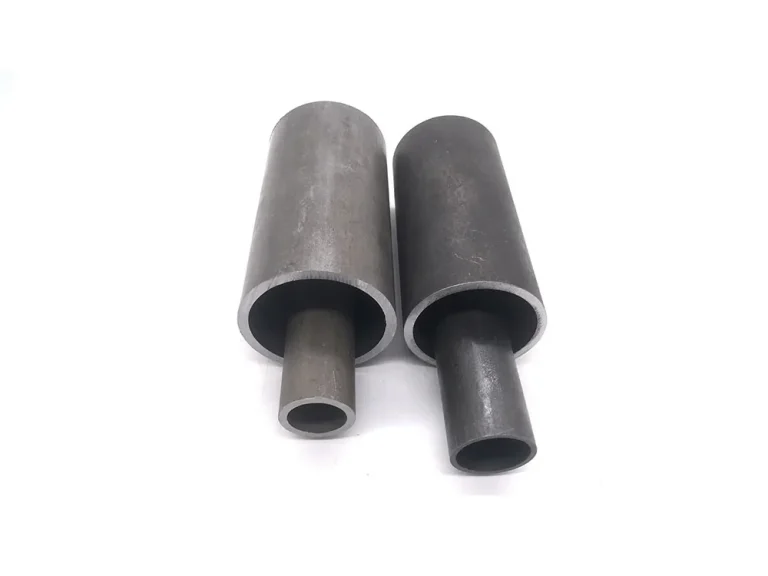
Specify GB/T 3639 precision seamless tubes with a clear grade, route, condition and dimensional plan. Check the current edition before ordering.
Read article →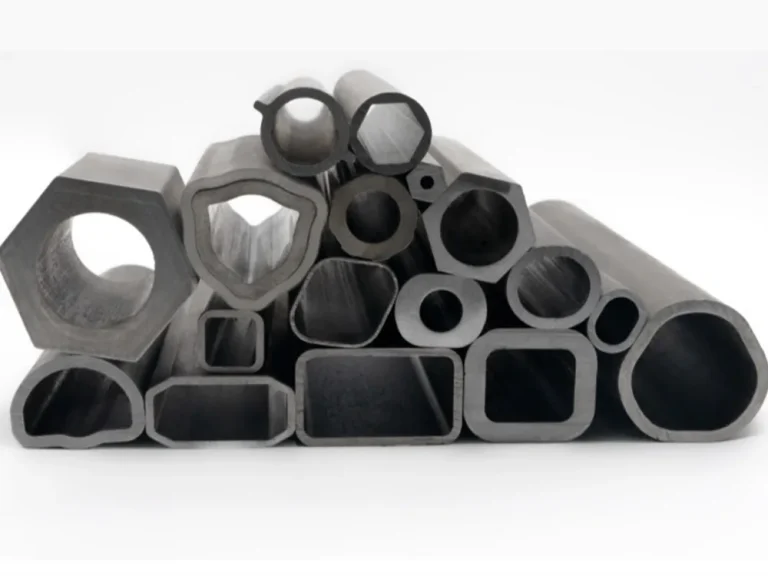
Specify EN 10297 seamless mechanical tubes by part, grade, condition and dimensions. Align the supply requirement with machining and inspection.
Read article →Choose the relevant EN 10216 part for seamless pressure tubes. Define grade, condition, test category, dimensions and inspection documentation.
Read article →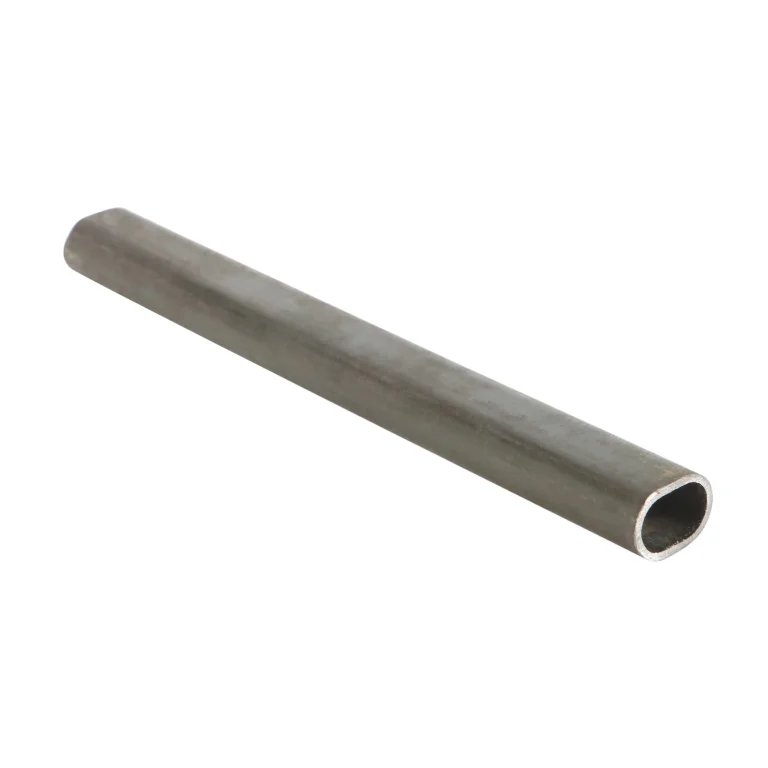
Handle DIN 17175 boiler tube drawings with a documented legacy-to-current review. Check EN 10216-2, grade, inspection and approval requirements.
Read article →Compare steel tube cutting methods by section, tolerance, burrs, heat and downstream use. Specify end quality, cleanliness and safe handling before production.
Read article →Compare honed and non-honed cylinder tubes by bore geometry, seal surface, stock allowance and process sequence. Specify the finished result, not a label.
Read article →Plan galvanized steel cutting with suitable equipment, exposure controls and edge repair. Compare process effects without assuming cold cutting is risk free.
Read article →Assess precision tube threading by remaining wall, thread form, material condition and gaging. Define the joint before choosing a machining route.
Read article →Plan hydraulic tube bends around material condition, radius, wall and tooling. Check ovality, thinning, cleanliness and connection alignment before release.
Read article →
Qualify an automotive tube supply route with drawing control, process evidence, traceability and customer approval. Plan prototypes through production release.
Read article →Investigate steel tube cracking and warping by separating material, tooling, strain and residual-stress effects. Build controlled trials and clear acceptance.
Read article →Read steel tube yield strength, tensile strength, elongation and impact results correctly. Check condition, specimens and acceptance before comparing grades.
Read article →Compare Brinell, Rockwell and Vickers hardness tests for steel tubes. Define scale, load, location, preparation and acceptance without unsafe conversions.
Read article →Recognize common steel tube surface and geometry problems. Record evidence, select appropriate inspection and investigate causes before accepting or repairing.
Read article →Compare pickled, oiled, polished and coated steel tube surfaces. Specify roughness, cleanliness, protection and downstream compatibility before ordering.
Read article →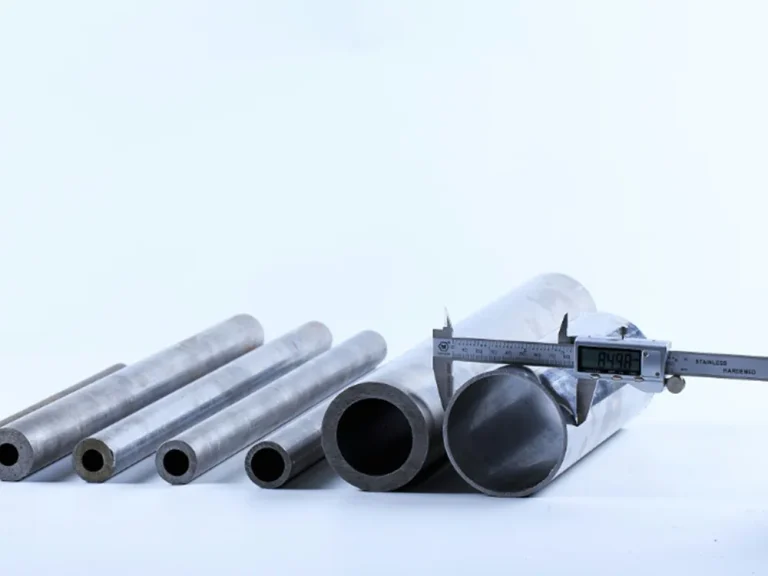
Compare DOM and seamless tubing by manufacturing route, delivery condition, dimensions and inspection. Build a specification around the finished component.
Read article →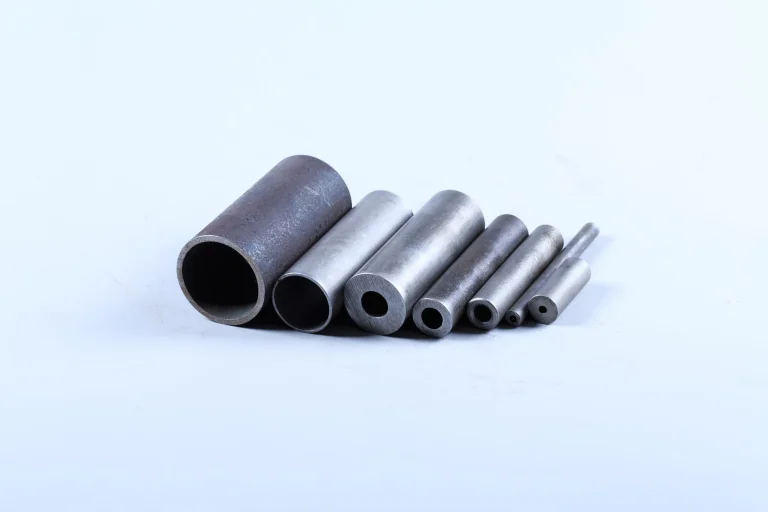
Compare ASTM A519 and A106 by intended use, grade, dimensions, condition and inspection. Learn why seamless construction is not equivalence.
Read article →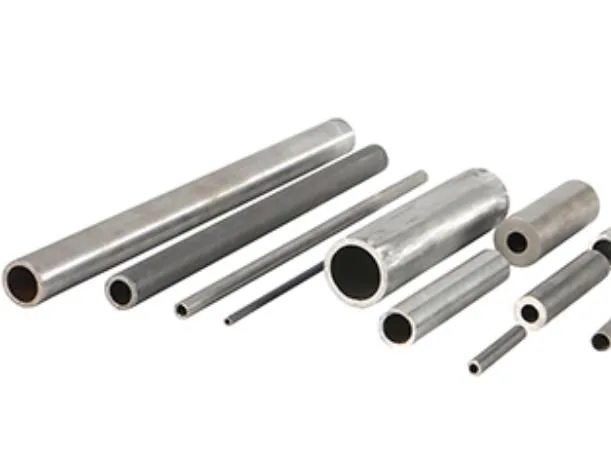
Specify ASTM A519 mechanical tubing by grade, delivery condition, shape, dimensions and inspection. Turn a component drawing into a clear RFQ.
Read article →
Specify ASTM A335 P11 pipe with the correct wall basis, condition, fabrication and inspection documents. Avoid grade and standard substitutions.
Read article →Review ASTM A213 T11 tubes for boiler and heat-exchanger procurement. Specify grade, condition, dimensions, fabrication and inspection clearly.
Read article →Choose ASTM A210 boiler tubes with a clear grade, minimum wall, surface condition and inspection plan. Compare quotations against the design.
Read article →Learn why seamless tube ends are cropped and how cropping affects usable length, end quality and inspection. Clarify cut lengths and tolerances in your RFQ.
Read article →Understand pickling, phosphating and soapification before cold drawing. Define cleanliness, lubrication, residue removal and final protection in your RFQ.
Read article →Understand steel tube pressure capacity, hoop stress and minimum wall thickness. See an illustrative calculation and the limits that prevent unsafe ratings.
Read article →Select automotive exhaust tubes by thermal cycling, condensate, road salt, forming and weld quality. Build a practical material and validation brief.
Read article →Review ASTM A192 boiler tubes by minimum wall, service requirements, fabrication, testing and traceability. Prepare a complete technical RFQ.
Read article →Specify ASTM A179 heat-exchanger tubes with clear minimum wall, dimensions, inspection and documentation. Avoid common procurement mismatches.
Read article →
Compare 40Cr and 45 steel tubes by heat treatment, section size, machining and welding needs. Build a specification before choosing a grade.
Read article →
A practical framework for matching grade, process, dimensions and testing requirements to your application.
Read article →How to compare international steel tube standards without overlooking grade, tolerance and test differences.
Read article →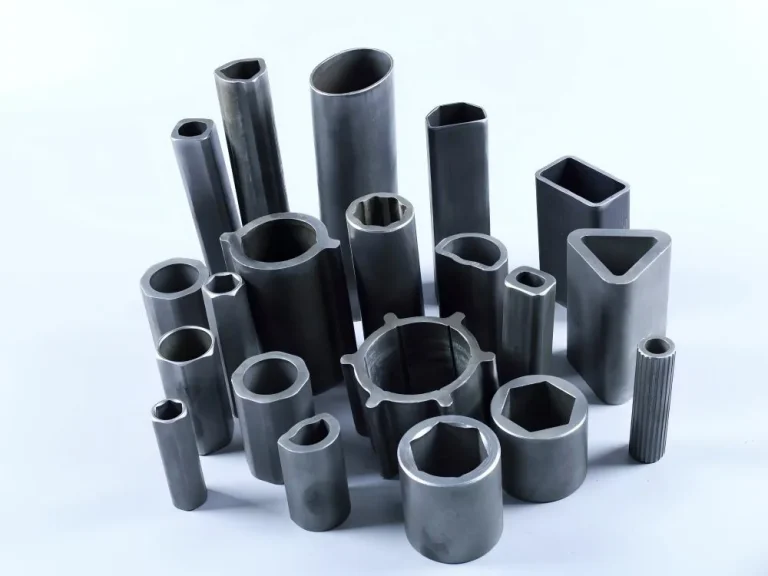
What engineers should define before requesting square, rectangular, hexagonal or complex cold-drawn profiles.
Read article →Share your application and specification with our steel tube engineering team.
Ask an Expert