Steel Tube Market Future: Standards and Sourcing Trends
The steel tube market rarely makes the loudest headlines, but it carries many of the loads the next decade will create. Precision tubes keep hydraulic cylinders stable, boilers safe, electric drivetrains cool, battery systems connected, and…
The steel tube market rarely makes the loudest headlines, but it carries many of the loads the next decade will create. Precision tubes keep hydraulic cylinders stable, boilers safe, electric drivetrains cool, battery systems connected, and construction machinery predictable. The future of this market is not really a single demand forecast. It is a shift in how engineers specify, how suppliers prove capability, and how buying teams manage risk across an increasingly complicated trade environment.
The “Future” Is a Set of Demand Pools, Not One Number
The first mistake in reading the global steel tube market is to treat it as one price curve. It behaves more like several overlapping markets: automotive and motorcycle components, high-pressure boilers, hydraulic systems, construction machinery, agricultural equipment, geological drilling, and energy transport. Each demand pool has a different tolerance regime, inspection burden, and pace of change.
The overall steel demand picture remains moderate. World Steel Association projections describe slow, uneven recovery rather than sharp expansion [1]. That headline obscures the more important story: value is moving from commodity tonnage to precision qualification. A standard structural tube may track raw material and energy costs, while a cold-drawn tube for a vehicle steering system is priced on dimensional stability, surface finish, and certification.
Sourcing checkpoint. If your program is moving from standard stock to a precision specification, send the drawing, grade, and tolerance target to Sunny@tenjan.com or call +86 13401309791. A fast specification review usually reveals whether cold drawn, cold rolled, or welded-and-drawn is the more practical route before the quote becomes a guessing game.
Demand Drivers: Electrification, Energy, and Custom Profiles
Electric vehicle programs do not eliminate the need for steel tubes; they change where the tubes sit. Battery thermal management, brake systems, steering assemblies, dampers, and motor cooling circuits still require precise tube paths. IEA data shows electric car sales have moved solidly past the pilot stage [2]. The implication for tube suppliers is not uniform volume growth. It is greater demand for cleaner internal surfaces, tighter dimensional control, and smaller launch batches for new platform designs.
Hydrogen is a smaller but technically demanding market. Low-emission hydrogen production remains a tiny slice of total hydrogen output [3], but the tube requirements for storage, refueling, and test rigs are already raising the bar on cleanliness, weld integrity, and material certification. Projects that look modest on a volume chart can carry a disproportionate inspection workload.
Consider a hydraulic cylinder builder that has historically ordered standard round stock. As equipment electrifies or moves into harsher duty cycles, the same cylinder may need a non-round profile, a tighter wall tolerance, or a higher-grade alloy. The print changes before the volume changes. That is exactly where the future market becomes more valuable for suppliers that can manage profiles and small batches well.
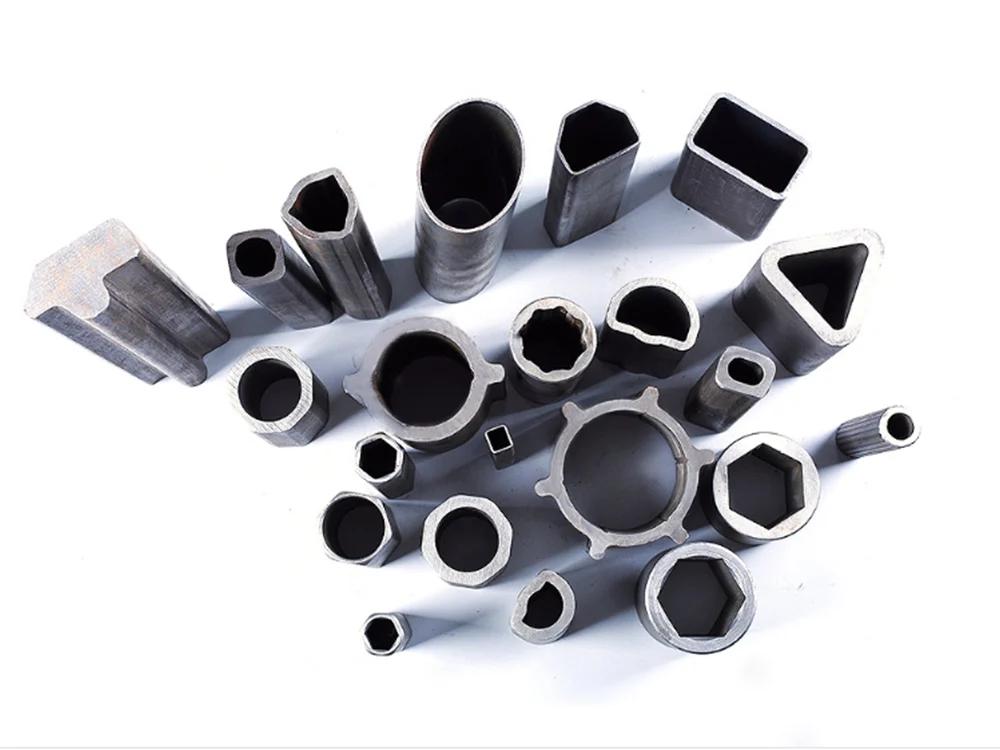
As EV and hydrogen programs push tube specifications beyond conventional round stock, profile geometry becomes a procurement variable rather than an afterthought.
(https://www.tenjan.com/special-shaped-steel-tube-design-and-cold-drawing-rules/) covers how cross-section, corner radius, and drawing passes interact when costs and tolerances tighten.
Standards and Traceability Are the New Trade Currency
The regulatory map is becoming more demanding. The EU Carbon Border Adjustment Mechanism has moved from concept to transitional reporting and is heading toward definitive obligations [4]. Buyers who sell into European supply chains increasingly need emissions data alongside material certificates. The future steel tube purchase order will carry more lines for declared performance, not just more tonnage.
Standards remain the common language. ASTM, EN, DIN, JIS, and GB/T all appear in a single procurement file depending on the end market. ISO 9001:2015 still sets the quality management baseline [5], while IATF 16949:2016 is the automotive-specific expectation for serious series supply [6]. For the material itself, EN 10204 3.1 inspection documents continue to anchor traceability between the cast, the tube, and the final part [7].
For engineering buyers, certification is no longer a formality; it is the difference between a controlled supply chain and an expensive after-the-fact discovery.
(https://www.tenjan.com/how-to-verify-iso-certification-for-steel-tube-manufacturers/) covers the checks that separate documented capability from paper claims.
Mid-program CTA. If your audit requires PMI, UT/ET reports, or EN 10204 3.1 inspection certificates, send the specification package to Sunny@tenjan.com. We align the inspection plan with the standard before quoting, so the first article inspection is not a discovery exercise.
Process Shifts: Smarter Cold Drawing and More Digital Control
Precision tube manufacturing is gaining demand because downstream assembly is becoming less tolerant of variation. Cold drawing improves dimensional accuracy and surface quality. Cold rolling adds finer control for thin-wall and profile products. The process choice is not philosophical; it determines how much downstream machining, straightening, or scrap you end up buying.
Digitalization is changing quality loops. Automated dimensional checks, eddy current and ultrasonic testing, and traceability databases reduce the chance that a defective tube survives to assembly. For OEMs, the benefit is not just inspection data. It is the ability to audit a supplier’s process stability over time instead of reacting to one bad shipment.
For specification work, it helps to compare cold drawn pipe & tube against precision pipe & tube before locking the route. The better route depends on surface finish, wall control, and how much machining tolerance the downstream process can absorb.
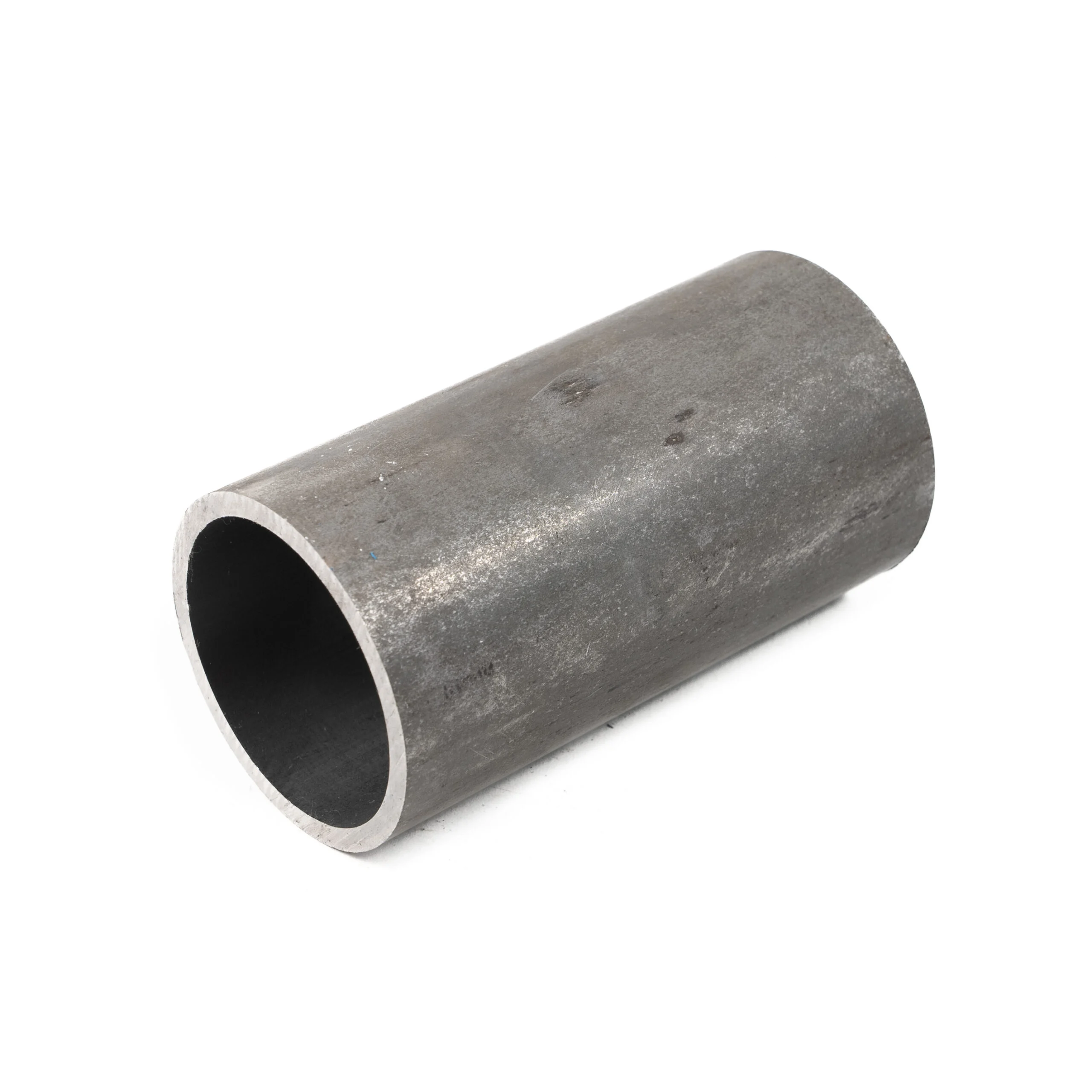
When tolerances tighten below the zone where hot-rolled or welded stock can easily conform, cold drawing earns its cost.
(https://www.tenjan.com/cold-drawn-vs-cold-rolled-steel-tubes/) covers the trade-offs in dimensional accuracy, surface finish, and mechanical properties.
Sourcing Moves That Protect Projects Through 2030
The buyer’s future depends on more than unit price. Lead time, supplier production capacity, small-batch flexibility, and the ability to manage custom profiles all affect total project risk. A supplier with a documented on-time delivery record and a capacity buffer for urgent orders is worth more than a lower quote that arrives late.
Global sourcing is not going away, but it is becoming more selective. Tariffs, logistics disruptions, and destination-country inspection rules can shift landed cost by more than freight. The strongest buying teams now ask for a supplier’s actual inspection process, traceability document flow, and history with the relevant standard, not just the company brochure.
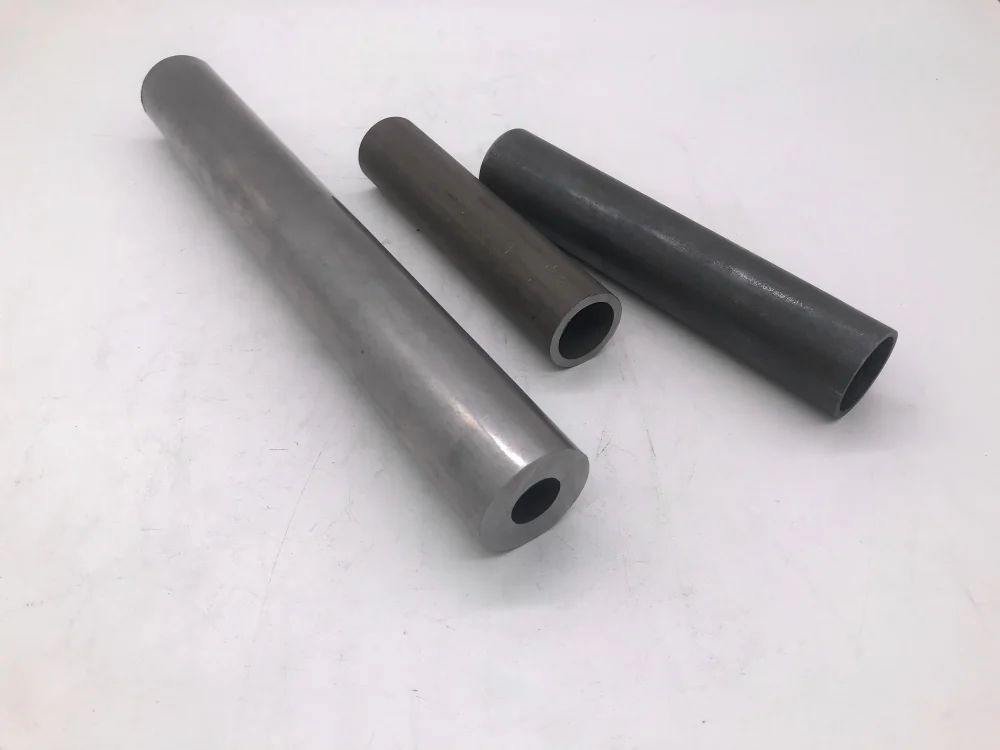
Ask three questions before every major tube order: which standard governs the final application, which inspection documents are required in the destination country, and how will custom geometry affect both drawing steps and downstream machining? These questions force the conversation away from price-per-meter and toward total cost of quality.
Final Take: Work With a Precision Tube Partner
If your next project involves seamless tubes, cold-drawn profiles, cold drawn welded tube, or complex cross-sections, the cleanest path is to route the specification through a supplier that can handle the full chain from raw material to finished inspection.
Send your drawing, required standard, annual volume, and lead-time target to:
- Email: Sunny@tenjan.com
- Tel: +86 51988789990
- Phone/WhatsApp: +86 13401309791
We support ASTM, EN, DIN, JIS, and GB/T programs in the 10–108 mm OD and 1–20 mm wall range, including shaped steel pipes & tubes, EN10305-1 steel pipe, and GB/T 3639 steel pipe.
FAQ
What is mainly shaping the future of the steel tube market?
Tighter tolerances, electrification, hydrogen infrastructure, and stronger traceability requirements are the main forces. Demand is moving from simple tonnage toward precision qualification.
Which steel tube standards will buyers see more often?
ASTM, EN, DIN, JIS, and GB/T will remain the core material standards. ISO 9001, IATF 16949, and EN 10204 3.1 inspection documents will increasingly decide whether a supply chain is acceptable.
Is cold drawn tubing still worth the price in future projects?
When dimensional accuracy, surface finish, fatigue performance, or downstream machining cost matters, cold drawn tube usually wins on total cost. It often reduces scrap and extra processing even when the per-meter price is higher.
How should global buyers manage lead time and trade risk?
Build lead-time buffers, verify the supplier’s capacity and on-time delivery history, and confirm the required inspection documents early. Do not optimize on price alone.
What should engineers ask a precision tube supplier before quoting?
Ask about the available process route, inspection method, traceability document flow, special-shape capability, small-batch flexibility, and delivery record.
References
[1] World Steel Association. “Short Range Outlook.” April 2025. https://worldsteel.org/
[2] IEA. “Global EV Outlook 2025.” https://www.iea.org/reports/global-ev-outlook-2025
[3] IEA. “Global Hydrogen Review 2024.” https://www.iea.org/reports/global-hydrogen-review-2024
[4] European Commission. “Carbon Border Adjustment Mechanism.” https://taxation-customs.ec.europa.eu/carbon-border-adjustment-mechanism_en
[5] ISO. “ISO 9001:2015 Quality management systems — Requirements.” https://www.iso.org/standard/62085.html
[6] IATF. “IATF 16949:2016 Automotive Quality Management System.” https://www.iatfglobaloversight.org/
[7] EN 10204:2004. “Metallic products — Types of inspection documents.”
If you’re interested, check out these related articles:
Carbon Steel vs Alloy Steel Tubes
Steel Pipe Heat Treatment: Key Processes and Applications
How EN10305 Steel Tube Standard Affects Precision Tube Procurement