Positional Rebar Couplers: Planning for Fixed Bars
Plan positional rebar couplers for fixed bars by checking rotation, axial movement, installation sequence, component access and the qualified system detail.
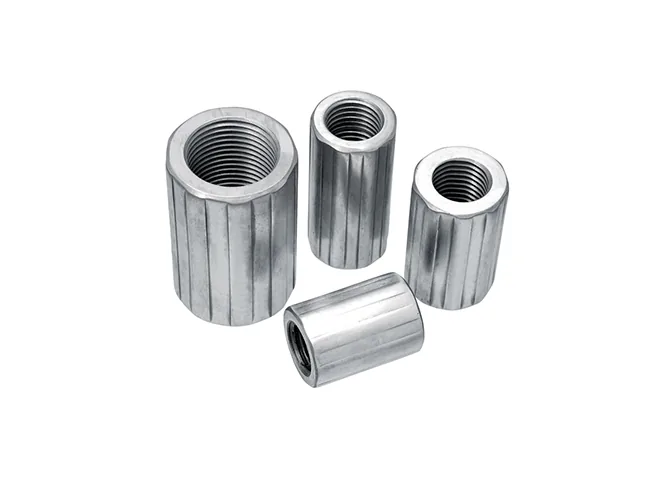
Positional rebar couplers are considered when the reinforcement arrangement prevents the normal rotation needed by a standard threaded connection. Choosing one requires more than asking for a longer sleeve. The detail must address which components can rotate, which bars can move axially and how the assembly can be completed in its final location.
Positional rebar couplers: describe the movement constraint precisely
Distinguish a bar that is difficult to turn from one that cannot turn at all. Also identify whether either bar can move along its axis and whether the bars are already connected to a prefabricated cage. Ancon provides an example in its CXL range: different arrangements address available, restricted or unavailable continuation-bar rotation. Those are manufacturer-specific solutions, not interchangeable instructions for other products. Use the example to frame the site question, then request the arrangement actually offered for the project.
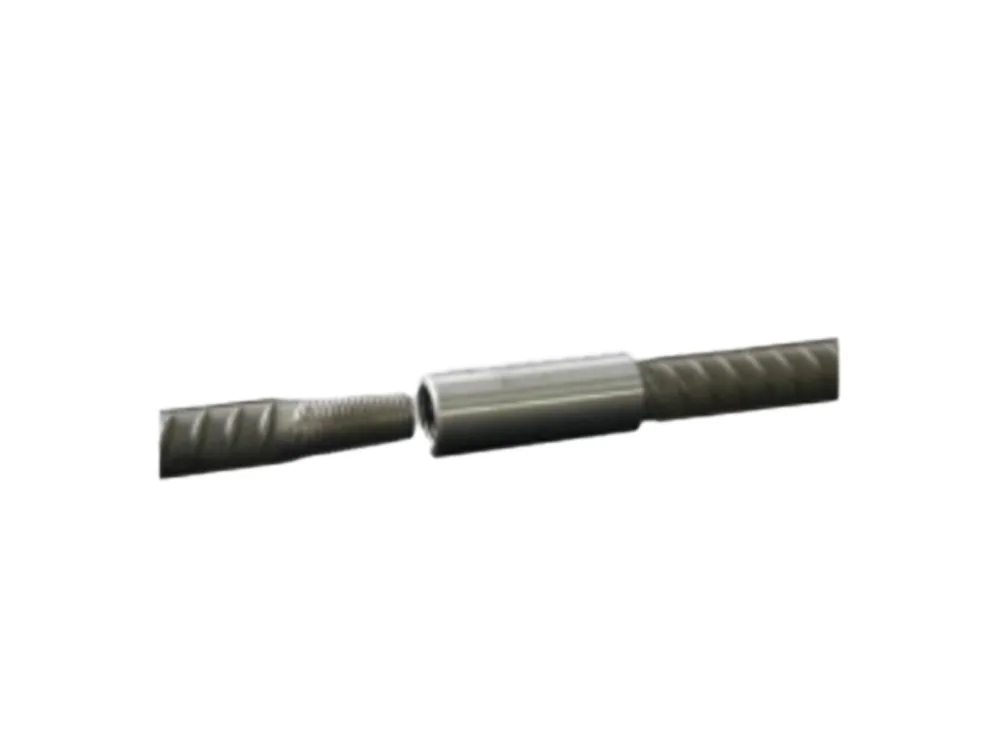
Draw the installation sequence as well as the final joint
A completed connection may fit in a drawing even when there is no practical way to assemble it. Ask the detailer to show the starting position of the bars, the movement of the sleeve and the space needed for any additional components. Include links, nearby bars and formwork in the sketch. Identify the stage at which the connection becomes inaccessible. This sequence drawing is especially useful when a cage is delivered preassembled and the intended bar movement is no longer available at the workface.
Order the full configuration as one system
List all components identified by the supplier, together with the corresponding prepared bar ends. Do not assume a standard sleeve can be converted into a positional connection by adding a generic nut or extending a thread in the field. Ask for the precise part references, the approved arrangement drawing and the completion checks. Where several variants look alike, agree how they will be distinguished in packing and at issue to the installer. Configuration control should remain visible from the purchase order to the completed connection.
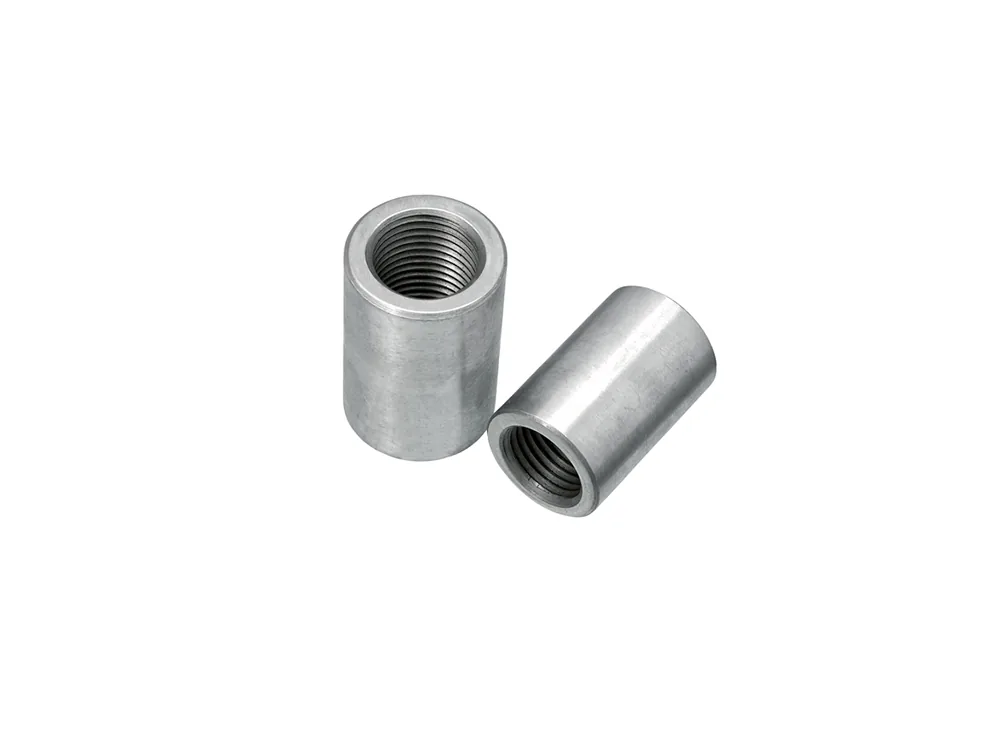
Use a trial to resolve access and inspection questions
Before releasing a large batch of constrained connections, consider an approved trial arrangement that reproduces the available movement and tool clearance. Ask the installer and inspector to observe it together. Record any required sequence changes and obtain acceptance before revising the work instruction. A trial should not be used to justify unqualified bar preparation or replace the required performance evidence. Its purpose is to demonstrate that the accepted connection can actually be assembled and checked under the planned site conditions.
Positional rebar couplers: review table
| Constraint | Detail to record | Planning response |
|---|---|---|
| No bar rotation | Which bar is fixed and when | Request a suitable qualified arrangement |
| Restricted axial movement | Available distance and sequence | Check starting and final positions |
| Congestion | Tool and inspection access | Review a representative assembly |
| Similar components | Part identity and orientation | Separate packing and issue records |
Frequently asked questions
Is a positional coupler just a standard sleeve with more thread?
No universal conversion rule applies. Use the components and prepared ends specified for the approved positional configuration.
Can fixed bars be forced into alignment?
Treat unexpected misalignment as a technical query. Do not improvise heating, bending or machining to make an unreviewed arrangement fit.
Related products and technical guides
- Rolling Straight Thread Rebar Coupler
- Rebar couplers: connection types, specifications and acceptance
- Rebar Couplers vs Lap Splices: Cost and Space Planning
- Parallel vs Tapered Thread Rebar Couplers: Key Checks
Sources and further reading
For a project inquiry, use this positional rebar couplers guide to prepare the bar designation, connection drawing, quantities and acceptance requirements. Send the specification to Tenjan to request the relevant product information and confirm the available supply scope.