Incoterms in Steel Tube Trade: How to Allocate Cost, Risk and Delivery Control
A steel tube quotation usually shows a clean figure: “USD 1,150 per tonne” or “EUR 1.9 per metre.” The less clean figure arrives later — at the port, at the forwarder’s yard, at the importer’s warehouse,…

A steel tube quotation usually shows a clean figure: “USD 1,150 per tonne” or “EUR 1.9 per metre.” The less clean figure arrives later — at the port, at the forwarder’s yard, at the importer’s warehouse, or in an email about demurrage after a customs hold.
That is where Incoterms do their real work. The three-letter code in a proforma invoice is not a minor administrative detail. It decides who pays for export haulage, who carries the risk at transfer, who files the export declaration, who books the main carriage, and who owns the problem when a bundle of precision tubes arrives with wet wrapping.
For steel tube buyers, the practical question is rarely “which Incoterm is best?” It is more useful to ask: which rule matches the buyer’s logistics control, inspection rights, customs position, and risk appetite?
What Incoterms Do — and Where They Stop
Incoterms 2020, published by the International Chamber of Commerce, sets out 11 rules for international and domestic sale contracts [1]. The rules define:
- which party arranges transport and pays for it,
- where risk transfers from seller to buyer,
- which party handles export or import clearance,
- which party must arrange insurance under CIF or CIP.
What Incoterms do not do is equally important. They do not transfer ownership of the goods, they do not replace the sales contract, and they do not automatically determine payment conditions or inspection standards. A buyer who signs “CIF Rotterdam” has not agreed that the seller must guarantee damage-free arrival at Rotterdam. Under CIF, risk still transfers when the tubes go on board the vessel at the port of shipment [1][2].
This distinction is a common source of dispute in steel tube trade. The goods may look perfect when they leave the factory, but a surface-sensitive lot of cold-drawn tube can still be damaged by condensation, rough handling, or poor lashing before the buyer takes control.
The Incoterms That Matter Most in Steel Tube Trade
Incoterms 2020 divides its 11 rules into two groups: rules for any mode or modes of transport, and rules for sea and inland waterway transport [1]. For steel tube trade, the most frequently used rules are:
| Rule | Risk Transfer | Seller Pays / Arranges | Buyer Pays / Arranges | Typical Steel Tube Use |
|---|---|---|---|---|
| EXW | At seller’s premises when goods are made available | Factory packaging and local collection point | Export haulage, export clearance, main carriage, import | Local comparisons; rarely ideal for overseas buyers |
| FCA | When handed to the carrier or other party named by buyer | Export clearance, delivery to named place or after loading by seller | Main carriage, insurance, import | Containerized tube shipments with buyer-controlled forwarder |
| FOB | When loaded on board the named vessel | Export clearance, delivery to port and on board | Main carriage, insurance, import | Bulk, breakbulk or project cargo loaded by seller |
| CFR / CIF | On board the vessel at origin | FOB duties plus freight to destination port; CIF adds minimum insurance | Import clearance, destination terminal charges, onward haulage | Conventional sea freight where seller books the vessel; CIF if insurance is agreed |
| DAP | When goods arrive at the named destination, ready for unloading | Export clearance, main carriage, delivery to named place before unloading | Import clearance, import duties, unloading | OEM delivery to buyer’s plant or regional warehouse |
| DPU | When goods are unloaded at the named place | DAP duties plus unloading at destination | Import clearance, import duties | Project cargo, heavy bundles, or consignee’s yard delivery |
| DDP | When goods arrive at the named destination, including import processes | Export, transport, import duties and taxes | Unloading, onward handling | Buyer seeking full landed control; seller must be able to act as importer |
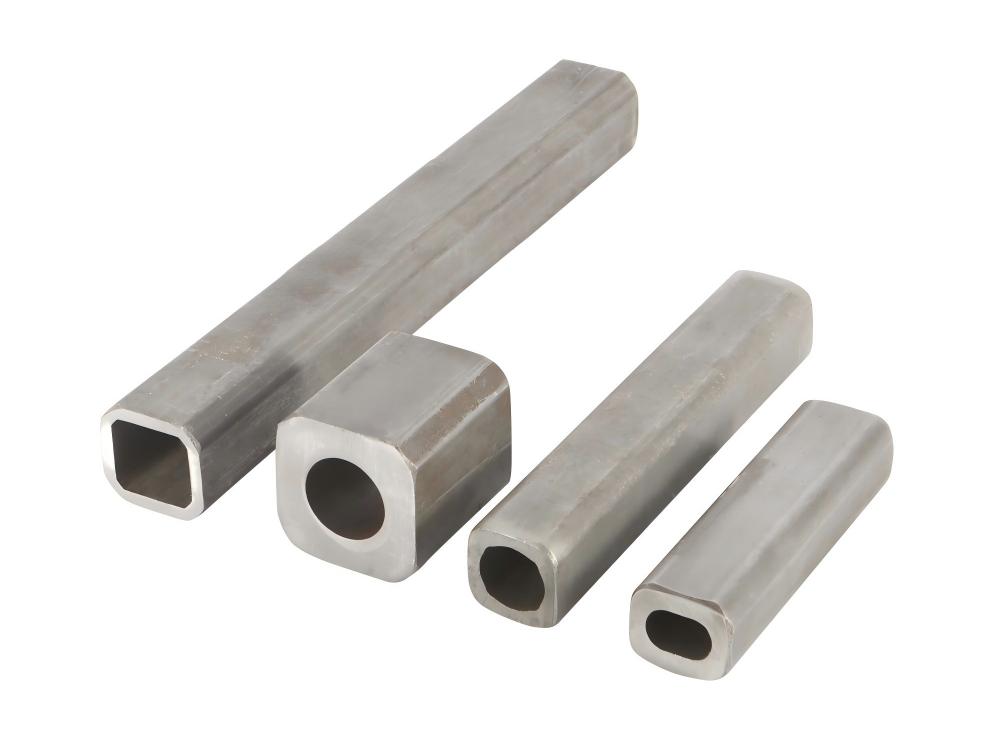
For containerized steel tube bundles, the ICC has long noted that FCA may be more appropriate than FOB when the goods are handed to a carrier at a container freight station or inland depot before loading [1][2]. FOB presumes delivery on board a named vessel, which often does not reflect how a container moves through consolidation.
Risk Transfer at the Loading Port and Along the Route
In steel tube trade, the loading port is not only a pricing point. It is also the moment a surface-quality problem can shift from one party to the other.
Under FOB, the seller bears the risk until the tubes are safely on board. If a sling drops a bundle, if a lifting clamp deforms tube ends, or if unprotected threads are open to rain at the terminal, the seller is still in the risk chain before loading. If the buyer has appointed an independent inspector, this is the point where a pre-shipment inspection report, photos, and a signed loading survey become valuable.
Under CIF or CFR, the buyer should understand the same rule: the seller pays for the ocean freight, but the buyer carries the risk for the voyage. If a bundle arrives corroded, the buyer must claim against the carrier or insurer rather than simply refusing the seller’s invoice. This is one reason CIF is often chosen for commercial convenience, not because it provides the highest protection.
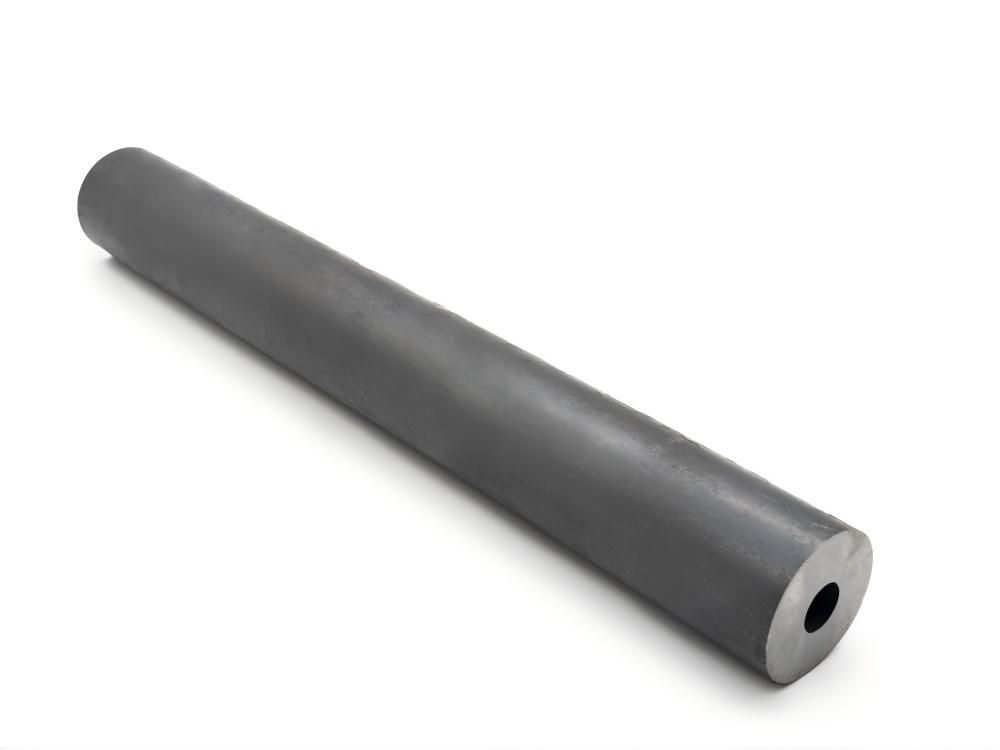
For precision steel tubes — especially cold-drawn, cold-rolled, or hydraulic tubing — the nature of the cargo should influence the Incoterm discussion. These products are weight-dense but damage-sensitive. Their surface finish, straightness, chamfer, and end protection matter. A buyer who wants the seller responsible all the way to a plant door may choose DAP or DPU. But before choosing DPU, the buyer should verify whether unloading at the destination requires a crane, forklift, or special slinging arrangement.
Landed Cost: The Number Behind the Unit Price
A useful way to compare Incoterms is to build a simple landed-cost model. The buyer is not really buying at the mill price. The buyer is buying at:
Mill price + export haulage + terminal handling + freight + insurance + destination terminal charges + customs brokerage + import duty + VAT/sales tax + inland delivery to plant.
Incoterms do not change the total money paid to the physical world. They change which party writes the invoices and which party negotiates the rate. A raw EXW price can look 8–12% lower than a DDP price without offering a better commercial deal; it may simply shift more cost and administrative burden to the buyer.
For a fair comparison, the buyer should convert every quote to the same delivery point. A mill in one country and a competitor in another may quote different Incoterms, different port names, and different insurance arrangements. Normalizing all offers to “delivered to my factory, duty paid, including unloading” makes the comparison honest.
How Incoterms Interact with Inspection, Payment and Documentation
Incoterms work best when they are aligned with inspection hold points, payment triggers, and document requirements.
For example, an FOB contract pairs naturally with a pre-shipment inspection before loading. The buyer can ask for a mill test certificate, dimensional report, surface inspection, and photographic evidence before the seller declares the goods on board. Under DAP, the buyer may instead prefer a destination inspection or a technical acceptance after arrival at the plant.
Documentary credit transactions add another layer. The buyer should specify exactly which documents are required under the chosen Incoterm: commercial invoice, packing list, bill of lading or waybill, certificate of origin, mill test certificate, inspection certificate, and — under CIF or CIP — an insurance certificate or policy.
Incoterms only work if the supplier’s quality and documentation are sound before loading. <Steel Tube Supplier Evaluation: Technical Criteria for Engineers> covers how to verify capability, inspection records and export readiness.
The sales contract should also state the exact named place or named port. “CIF Antwerp” is not the same as “CIF Antwerp terminal only,” and “DAP Manchester” could mean the seller’s truck arrives at a postcode that cannot accept a 20-meter vehicle. Steel tube buyers should avoid vague placeholders such as “main port” or “destination country.”
Standard Compliance Does Not End at the Factory Gate
A steel tube order is rarely just a dimensional requirement. The tube must meet a material standard, a testing standard, a packaging standard, and often a customer-specific quality plan. Incoterms do not change those requirements. But the chosen rule affects when the buyer can verify compliance and what happens if a nonconformity is discovered.
Under EXW, the buyer may have little control before goods leave the seller’s yard. Under FOB or FCA, the buyer has a stronger chance to inspect before the main carriage. Under DAP, the seller carries more of the delay risk, but the buyer should still reserve the right to reject material that does not meet the agreed specification.
This is particularly important for multi-standard markets. A European machinery builder ordering EN 10305-1 tube, an American OEM ordering ASTM A519 tube, and a Russian-market distributor ordering GOST 8733 tube may be using the same mill, the same cold-drawing process, and sometimes the same diameter range — but different documentation, test reports, marking, and traceability expectations.
Without a clear standard reference, trade terms and material certificates can be misaligned. <Understanding ASTM, EN, DIN and JIS Tube Standards> covers how to link specification and inspection documentation across jurisdictions.
Common Incoterm Mistakes in Steel Tube Contracts
The most common mistake is treating CIF as “seller delivers to my country and takes responsibility until arrival.” Incoterms do not say that. CIF is a shipment contract, not an arrival contract [2]. A buyer who wants the seller to carry the main risk until arrival should choose DAP, DPU, or DDP.
A second mistake is using FOB for containerized cargo by habit. If the seller’s responsibility ends at the container terminal before loading, the goods may be out of the seller’s control while the buyer still assumes the seller is managing the shipment. FCA often reflects container reality more accurately.
A third mistake is agreeing to DDP without checking whether the seller can act as importer of record in the destination country. In some jurisdictions, the buyer must hold import rights for tax, environmental, or product-compliance reasons. If the seller cannot clear the goods, DDP becomes a source of delay rather than convenience.
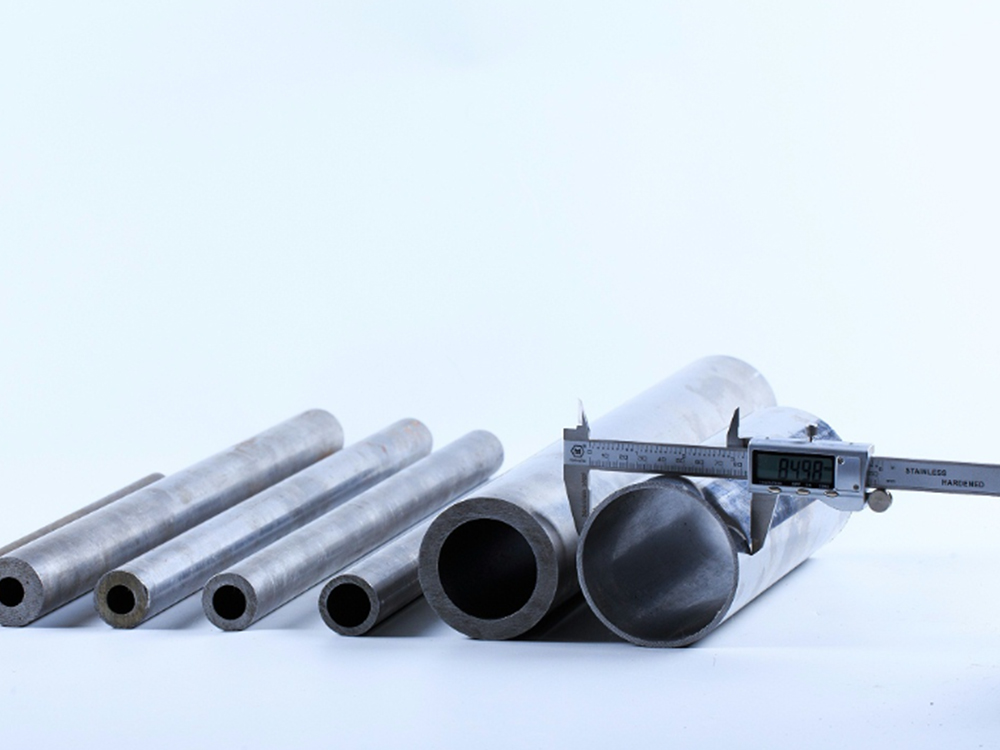
For pressure-bearing tube orders, the same logic applies to release documentation and inspection hold points. The buyer should not disconnect the commercial delivery point from the technical approval point.
For pressure-bearing tube orders, Incoterms should match inspection hold points and release criteria. <Selecting Steel Pipes for Pressure Vessels: Material, Standards, and Key Considerations> covers the additional material and testing requirements that affect pre-shipment approval.
Mid-Project Check: Send Your Incoterm Questions Before the Quotation Freezes
Before you accept a steel tube quote, do not just compare unit prices. Ask the seller to confirm:
- the exact Incoterms 2020 rule and named place,
- where risk formally transfers,
- who handles export clearance and who handles import clearance,
- who pays destination terminal handling,
- whether insurance is included and on what terms,
- which documents are released before payment,
- whether secondary costs such as demurrage, chassis waiting time, or remote-area delivery are included.
If you already have a proforma invoice or a draft supply agreement, you can send it for a trade-term review. Contact Sunny@tenjan.com with the destination country, cargo description, current Incoterm, and preferred delivery point. A direct inquiry is more useful than a general question: the more specific your place of delivery, the easier it is to identify cost and risk gaps.
Request a Trade-Term Review for Your Next Steel Tube Quote
A good Incoterm choice protects the buyer from surprise costs without shifting every burden to the seller. It also protects the seller from being blamed for risks that the rule never assigned to them.
For a practical review of your next steel tube quotation, contact Tenjan Steel Tube with these details:
- Product range or specification: seamless, cold-drawn, welded, shaped, hydraulic, or pressure tube.
- Quantity, diameter, wall thickness, and length.
- Destination country and final delivery point.
- Current Incoterm or the seller’s proposed Incoterm.
- Any special packaging, unloading, insurance, or inspection requirements.
Email: Sunny@tenjan.com
Tel: +86 519 8878 9990
Phone / WhatsApp: +86 134 0130 9791
Send the proforma invoice or draft terms, and the team can help identify where cost, risk, and documentation should sit for your specific route.
Frequently Asked Questions
What is the difference between FOB and FCA for steel tube containers?
FOB is a sea and inland waterway rule where risk transfers when the goods are loaded on board the named vessel. FCA is a rule for any mode where risk transfers when the goods are handed to the carrier or another party named by the buyer. For containerized tube cargo that is consolidated at an inland depot or container freight station, FCA usually reflects the real handover point more accurately than FOB.
Does CIF mean the seller is responsible if steel tubes arrive damaged?
No. Under CIF, risk transfers to the buyer when the tubes are loaded on board the vessel at the shipment port. The seller pays for freight and arranges minimum insurance, but the buyer carries the voyage risk and must claim against the carrier or insurer if damage occurs after loading.
Which Incoterm is safest for a steel tube buyer?
There is no single safest rule because the answer depends on logistics control, customs position, and destination infrastructure. A buyer who wants maximum supplier responsibility until arrival may choose DAP, DPU, or DDP. A buyer with a strong forwarder and inspection program may prefer FCA or FOB. The safest choice is usually the rule that keeps the delivery point clear, the named place exact, and the inspection windows practical.
What changed in Incoterms 2020 for steel tube trade?
Incoterms 2020 kept 11 rules, adjusted the treatment of security-related transport costs, placed DPU where DAT had been, and introduced differentiated insurance cover for CIP and CIF. For steel tube trade, the most relevant point is not the change itself but the continuing need to specify the correct rule for container versus bulk cargo.
Can a Chinese steel tube supplier use DDP into the EU?
It depends on the destination country and whether the seller can act as importer of record. DDP requires the seller to handle import clearance and pay import duties and taxes. In some EU countries this is possible through an appointed fiscal representative or customs broker; in others, the buyer must remain the importer. The parties should confirm feasibility before signing the contract.
How do Incoterms affect inspection before shipment?
The chosen rule influences when the buyer can inspect and who controls the goods at that point. Under FOB or FCA, pre-shipment inspection is naturally aligned with export readiness and loading. Under DAP or DPU, the buyer may also inspect after arrival, but the seller has carried more of the transport and handling risk. The inspection criteria should be written into the sale contract separately from the Incoterm.
References
[1] International Chamber of Commerce, Incoterms® 2020: ICC rules for the use of domestic and international trade terms, ICC Publication No. 723E, 2019.
[2] International Chamber of Commerce, “Incoterms® 2020: introduction and key rules,” ICC, 2019. Available: https://iccwbo.org/resources-for-business/incoterms-rules/incoterms-2020/.
[3] U.S. International Trade Administration, “Incoterms,” Trade.gov. Available: https://www.trade.gov/incoterms.
[4] European Commission, “International commercial terms — Incoterms,” Access2Markets, 2023. Available: https://trade.ec.europa.eu/access-to-markets/en/content/incoterms.
If you’re interested, check out these related articles:
Managing Custom Steel Tube Lead Times for OEM Buyers
Special Shaped Steel Tube: Design and Cold Drawing Rules