Understanding ASTM, EN, DIN and JIS Tube Standards
How to compare international steel tube standards without overlooking grade, tolerance and test differences.

International standards create a common technical language, but equivalent-looking grades are not always direct substitutes.
Compare the full specification
Review chemical composition, tensile properties, heat-treatment condition, dimensional tolerance and mandatory tests. A grade cross-reference is only the beginning of the review.
Document project requirements
Purchase specifications should identify the standard number, year or edition, grade, delivery condition, size, quantity and inspection documents. Additional ultrasonic, eddy-current or third-party testing should be stated clearly.
Use engineering confirmation
When changing between standards, confirm suitability with the designer or end user. This avoids costly assumptions and keeps certification aligned with the finished application.
What each standards organization controls
ASTM standards are widely used in North American and international projects; EN standards form part of the European system; many DIN specifications remain common on legacy drawings; and JIS standards are frequently requested for Japanese equipment and supply chains. A standard number normally defines a product family, but the grade, dimensions, delivery condition and supplementary requirements complete the specification. The organization name alone is never enough for purchasing.
Why “equivalent” does not mean identical
Two grades may have similar strength yet differ in carbon equivalent, alloying limits, impact requirements, heat treatment, dimensional series or mandatory testing. A substitution that works for a static machined part may be unsuitable for welding, low-temperature service or pressure containment. Treat cross-reference tables as a screening tool. Engineering approval should be based on the actual clauses and certificates for the proposed grade.
Compare standards in a fixed sequence
- Confirm the product scope: seamless or welded, pressure, structural, mechanical or precision use.
- Compare chemical limits and any carbon-equivalent requirement.
- Compare tensile, yield, elongation, hardness and impact requirements in the specified delivery condition.
- Check dimensional tolerances, mass tolerances, straightness and surface acceptance.
- Review required heat treatment, non-destructive testing, pressure testing, marking and certification.
This sequence prevents a familiar mistake: matching grade names while overlooking a different test or tolerance rule.
Specify the edition and options
Standards are revised. State the publication year or edition when the project requires one, and list every supplementary option in the inquiry. If the drawing references a withdrawn DIN designation, identify the original requirement and the proposed current alternative. The customer, designer and manufacturer should approve the conversion before material is released.
Dimensional systems and drawings
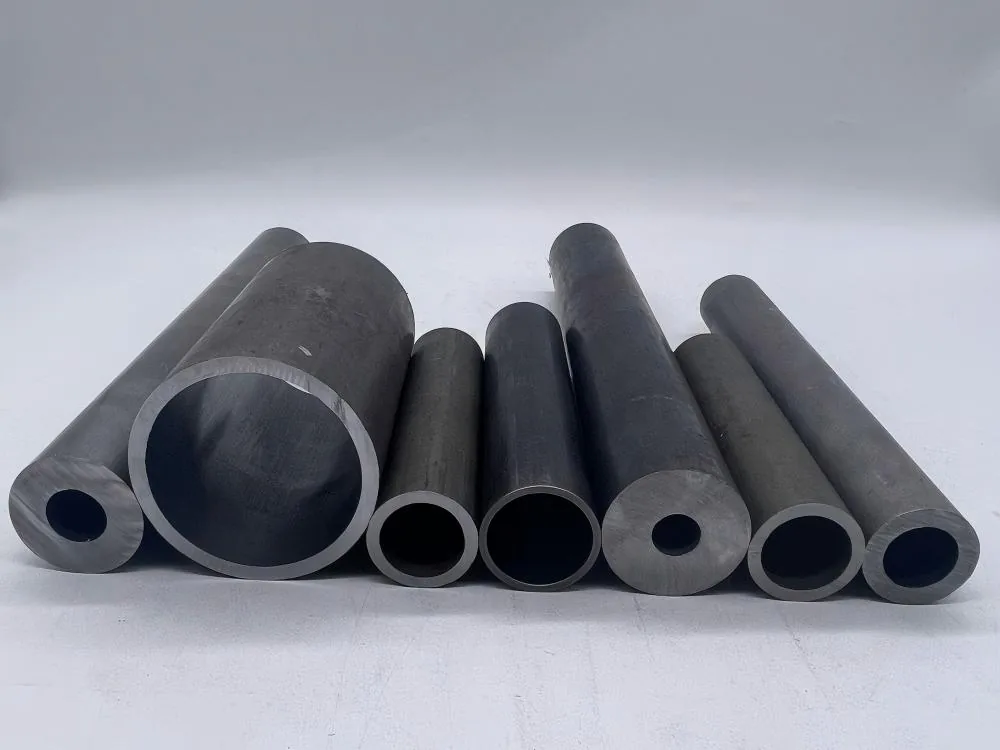
Nominal pipe size, outside diameter series and metric tube dimensions are not interchangeable descriptions. Put the required outside diameter, wall thickness and length directly on the drawing, together with units and tolerances. If the bore controls the component, specify the inside dimension or the method used to derive it. This avoids rounding errors when converting between inch and metric series.
Certificates and traceability
Define the certificate required, the language and whether the document must show heat number, chemical results, mechanical tests and non-destructive examination. Product marking and bundle tags should connect the delivered tube to the certificate. For regulated or safety-critical applications, agree third-party inspection and document review before production.
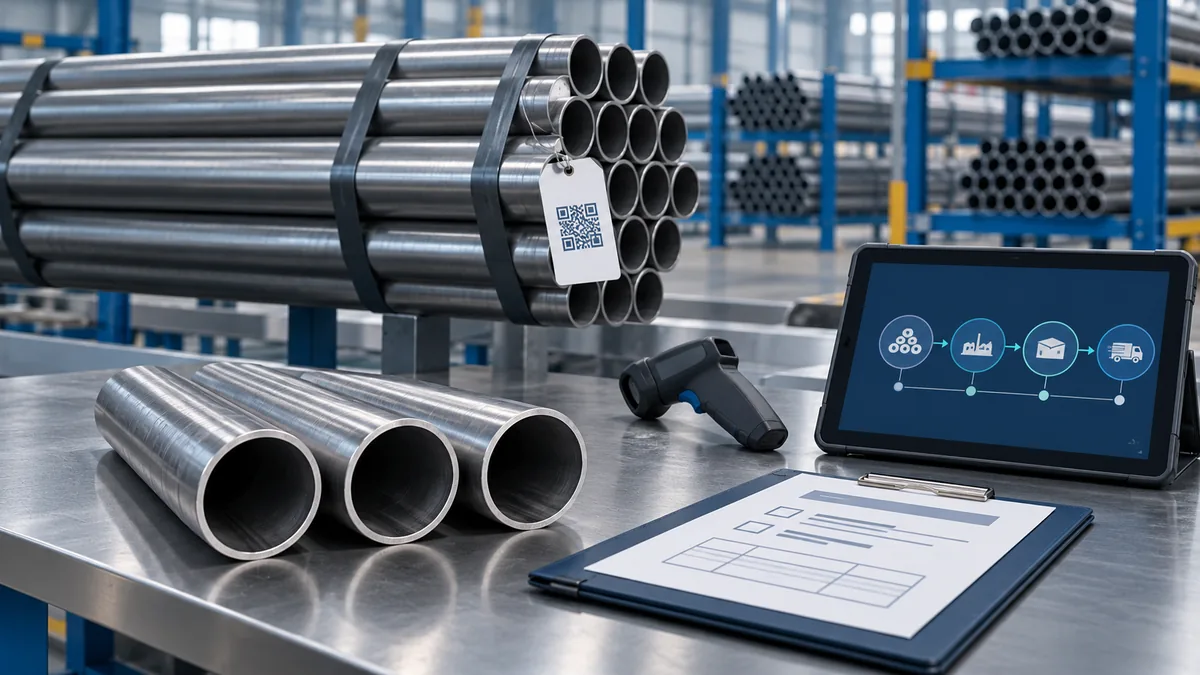
Information to place on the RFQ
- Standard number, edition, grade and delivery condition
- Manufacturing route and dimensional series
- Dimensions, tolerances, quantity and length
- Surface, end finish and corrosion protection
- Mandatory and supplementary tests
- Certificate, marking, packing and destination requirements
Tenjan’s standard steel pipe range covers multiple international systems. For a cross-standard review, provide the original specification and intended service through the RFQ contact page.
Frequently Asked Questions
Can an EN grade replace an ASTM grade?
Only after technical review. Compare product scope, chemistry, mechanical properties, heat treatment, dimensions, testing and documentation. A similar strength value does not prove that the complete specifications are equivalent.
What if a drawing references an old DIN standard?
Keep the original requirement visible, identify the current proposed specification and obtain approval from the design authority. Do not silently replace a withdrawn designation using only a commercial cross-reference.
Which standard edition should be ordered?
Use the edition required by the contract or governing design. If none is stated, clarify it before production because revisions may change grades, tests, tolerances or certificate requirements.