Rebar Coupler Incoming Inspection and Traceability
Build a rebar coupler incoming inspection record covering product identity, quantities, documents, condition, segregation and traceability through site issue.
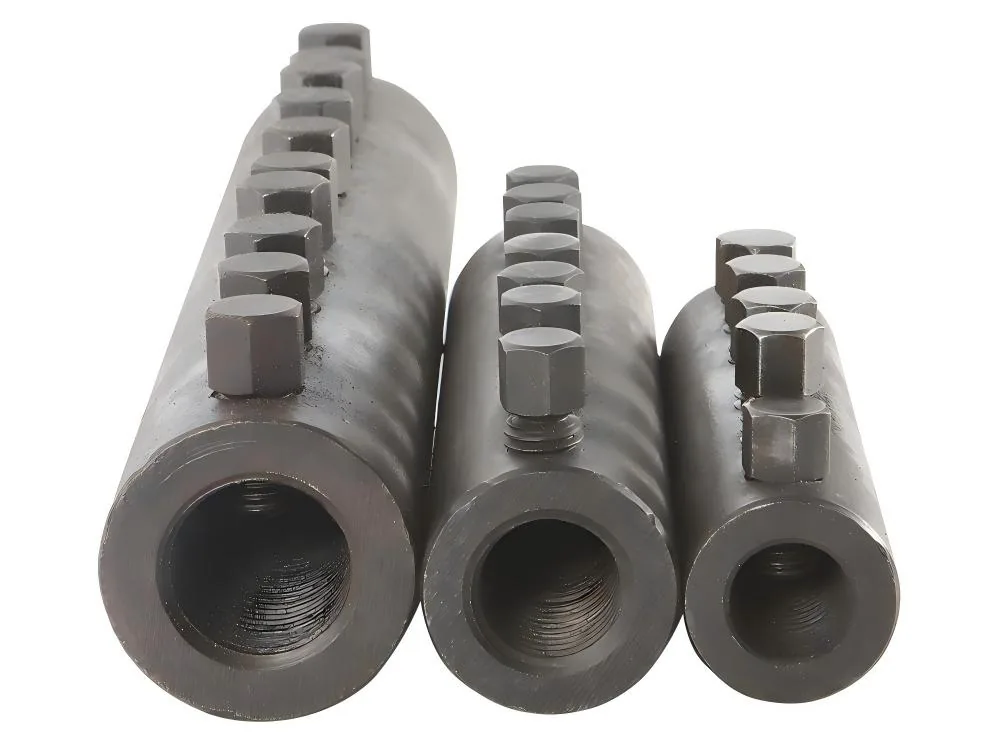
Rebar coupler incoming inspection should establish that the delivered components match the purchase order and can be traced into the work. Receiving inspection is not a substitute for structural qualification. Its practical role is to prevent unidentified, damaged or incorrect components from entering an otherwise approved installation process.
Rebar coupler incoming inspection: prepare the receiving record before delivery
Create an expected-delivery list from the accepted purchase order, including the model, size pair, quantity, drawing revision and required documents. Identify which checks the receiving team can perform and which require technical review. Make the quarantine location and escalation contact clear. Without that preparation, a warehouse may sign for the correct number of boxes while overlooking an incorrect configuration. Keep commercial receipt distinct from technical release so an unloading signature is not mistaken for final acceptance.
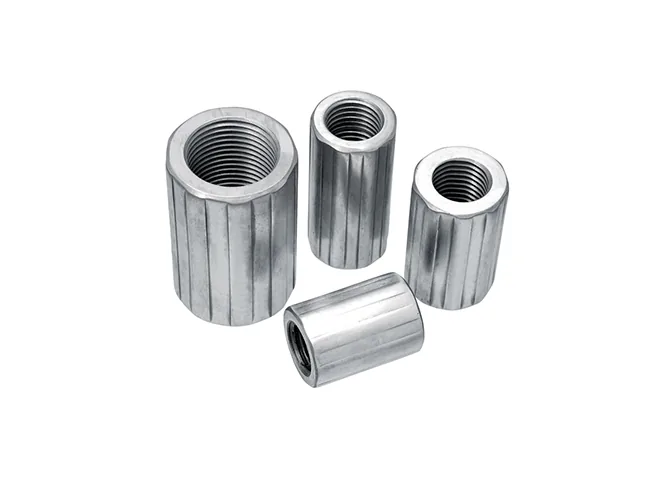
Connect the packaging to the components inside
Compare box labels, packing lists and available component markings. Record batch references at the level required by the order rather than assuming every box belongs to one lot. CRSI explains the identifying role of bar tags for reinforcement bundles. For a coupler delivery, apply a project-defined identity record that also preserves the sleeve-to-bar relationship where relevant. If bulk packaging is split into smaller bins, carry the original references forward. A photograph can support the record but should not replace the identifiers themselves.
Inspect condition using the agreed acceptance plan
Look for transport damage, damaged protective caps, contamination and mixed components. Carry out dimensional or thread checks only with the specified method and suitable equipment. Do not introduce an improvised shop gauge or treat visual similarity as acceptance. Record the result and the disposition of each suspect item. For documentary review, compare required certificates and reports with their identifiers, not just their file names. Ask the technical reviewer to resolve documents that cover a different model or cannot be linked to the supplied configuration.

Preserve identity through issue and installation
At issue to the workface, record the connection location or work package, the issued quantity and the relevant component identity. Keep returns separated until their condition and identification have been checked. Reconcile used, unused and quarantined quantities so a shortage does not encourage substitution from an unidentified bin. Where records are digital, retain the revision and authorization rather than repeatedly overwriting a spreadsheet. The aim is a retrievable trail from an installed connection back to the supplied configuration and its accepted documentation.
Rebar coupler incoming inspection: review table
| Receiving field | Suggested record | Purpose |
|---|---|---|
| Delivery identity | Order, model, size pair and quantity | Match the accepted purchase scope |
| Traceability | Batch and packing references | Preserve component identity |
| Condition | Damage, contamination and protection | Identify items needing review |
| Disposition | Released, held, rejected or returned | Prevent uncontrolled site issue |
Frequently asked questions
Is a packing list enough to release the delivery?
Only if the project inspection plan says so and all required checks are complete. Quantity confirmation alone does not establish technical acceptance.
Can unidentified couplers be accepted by matching dimensions?
Dimensions alone may not establish the system or qualification identity. Hold them for documented clarification before issue.
Related products and technical guides
- Rebar Coupler
- Rebar couplers: connection types, specifications and acceptance
- Bolted Rebar Couplers for Existing Bar Connections
- Rebar Coupler Test Reports: What Buyers Should Review
Sources and further reading
For a project inquiry, use this rebar coupler incoming inspection guide to prepare the bar designation, connection drawing, quantities and acceptance requirements. Send the specification to Tenjan to request the relevant product information and confirm the available supply scope.