Steel Tubes for Geothermal Systems: Service and Material Checks
Review steel tubes for geothermal systems. Check scope, material condition, inspection evidence and ordering details before accepting a supplier quotation.
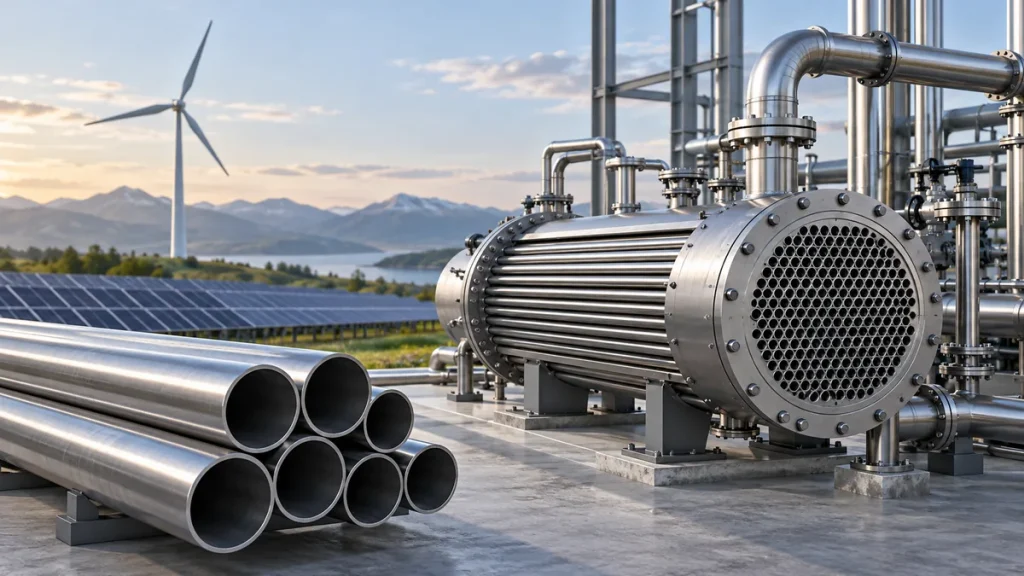
A geothermal power well, a direct-use heating installation and a ground-source heat-pump loop have different temperatures, fluids and component requirements.
Distinguish the geothermal application
Steel is not the universal tubing material for all of them. Identify the actual system and the tube's function before choosing a product family. Well components, plant process piping and heat-exchanger tubes also have different purchasing and qualification requirements.
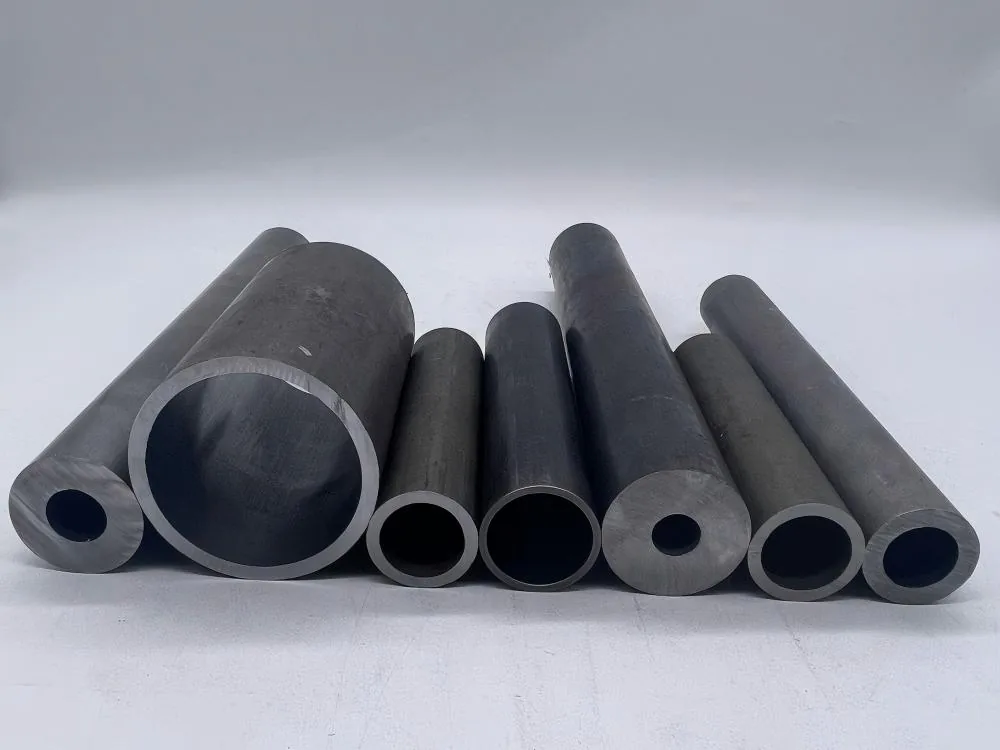
Characterize the fluids and degradation risks
The material review may need to consider dissolved gases, salts, scaling, corrosion, erosion and conditions during shutdown or cleaning. Fluid chemistry and operating conditions can vary between locations and over time. A corrosion allowance or a higher alloy grade is not a universal answer to localized damage. Use the responsible specialist's assessment to define the required material, protection and monitoring approach.
Connect the tube to the complete design
Pressure, temperature, thermal cycling, external loads and connection details belong in the equipment or system design. A seamless route does not inherently establish better corrosion resistance or a uniform wall for every product. Select the applicable standard, grade, delivery condition and fabrication requirements. Include heat-exchanger joining, supports or well-connection details where they control acceptance of the purchased tube.
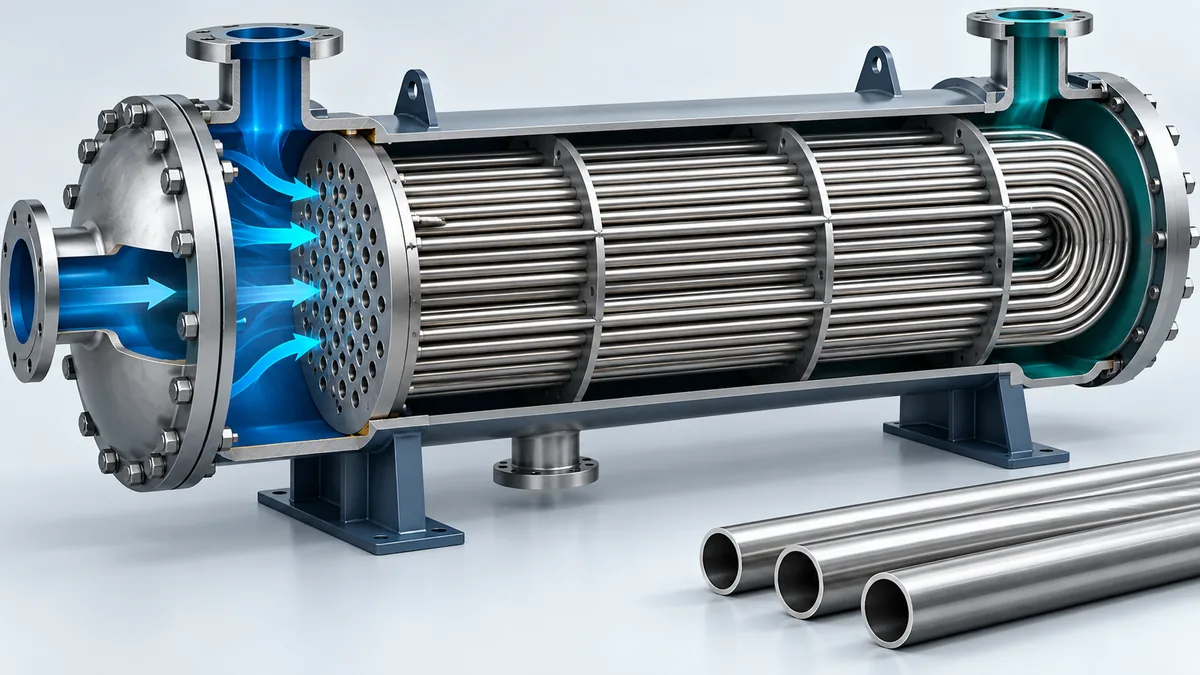
Plan release and service continuity
Agree identification, dimensional inspection, required material tests and examination records. Preservation and installation handling should protect the surface and cleanliness specified for the service. Maintain the material records for maintenance and replacement purchases. If the process chemistry, supplier or delivery condition changes, review whether the original approval still applies rather than assuming the same catalogue name describes an equivalent product.
A practical specification review
A district-heating heat exchanger and a geothermal production well can encounter very different fluids and operating conditions. Keep their material specifications separate, even when they belong to the same project. Document who approves changes in fluid assumptions and replacement materials so a maintenance purchase does not quietly reuse a specification from the wrong component.
Information to confirm before accepting an offer
- Identify the component or supply item, its intended function and the controlled drawing or procedure revision.
- State applicable product and project documents, material or test requirements, dimensions and the condition in which acceptance is assessed.
- Define the required evidence, inspection responsibilities, identification, reporting format and handling of deviations.
- Confirm what the quotation includes, any subcontracted operations, preservation requirements and how proposed changes will be approved.
Resolve unclear requirements before manufacture or examination. Keep the accepted offer, approved deviations and release records together so that a repeat order can use the same technical basis.
Related technical guides
- Steel Tubes for Energy Projects: Service and Specification Checks
- Steel Tubes for Heat Exchangers: Material and Inspection Requirements
- Stainless Steel vs Carbon Steel Pipe: Corrosion, Performance and Cost
For a tube inquiry, send the drawing, required material and acceptance requirements through the Tenjan contact page so the requested scope and any supply limitations can be reviewed.