ASTM A335 P91 Pipe: Heat Treatment and Fabrication Review
Review astm a335 p91 pipe. Check scope, material condition, inspection evidence and ordering details before accepting a supplier quotation.
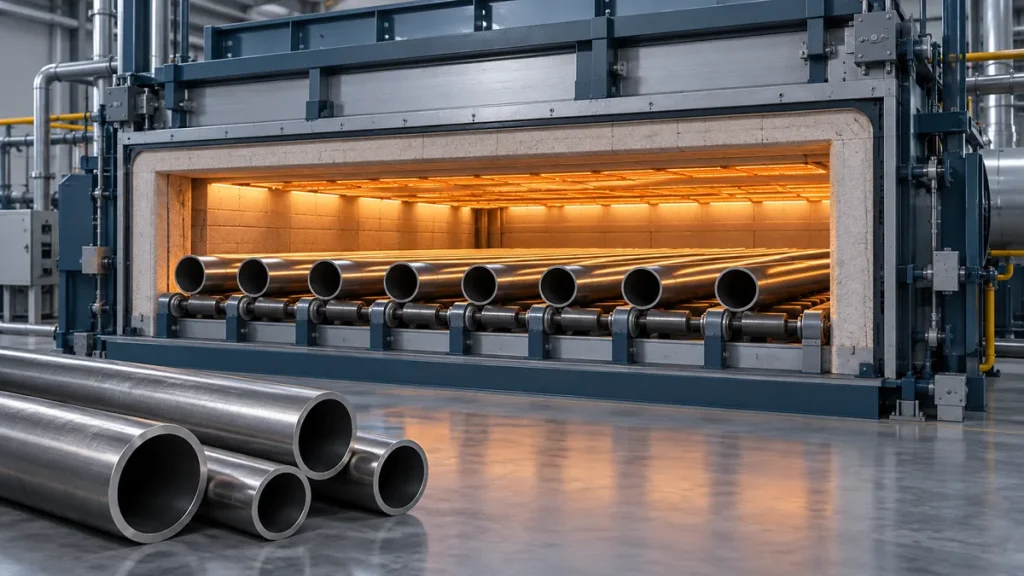
P91 is a grade within ASTM A335 for seamless ferritic alloy-steel pipe for high-temperature service.
Define the product and design basis
Its use depends on the approved construction and material requirements. The order should identify the applicable edition, dimensions, condition, testing and supplementary provisions. P91 is not a direct universal replacement for P11 or P22, and the grade alone does not determine a permissible operating temperature or wall thickness.
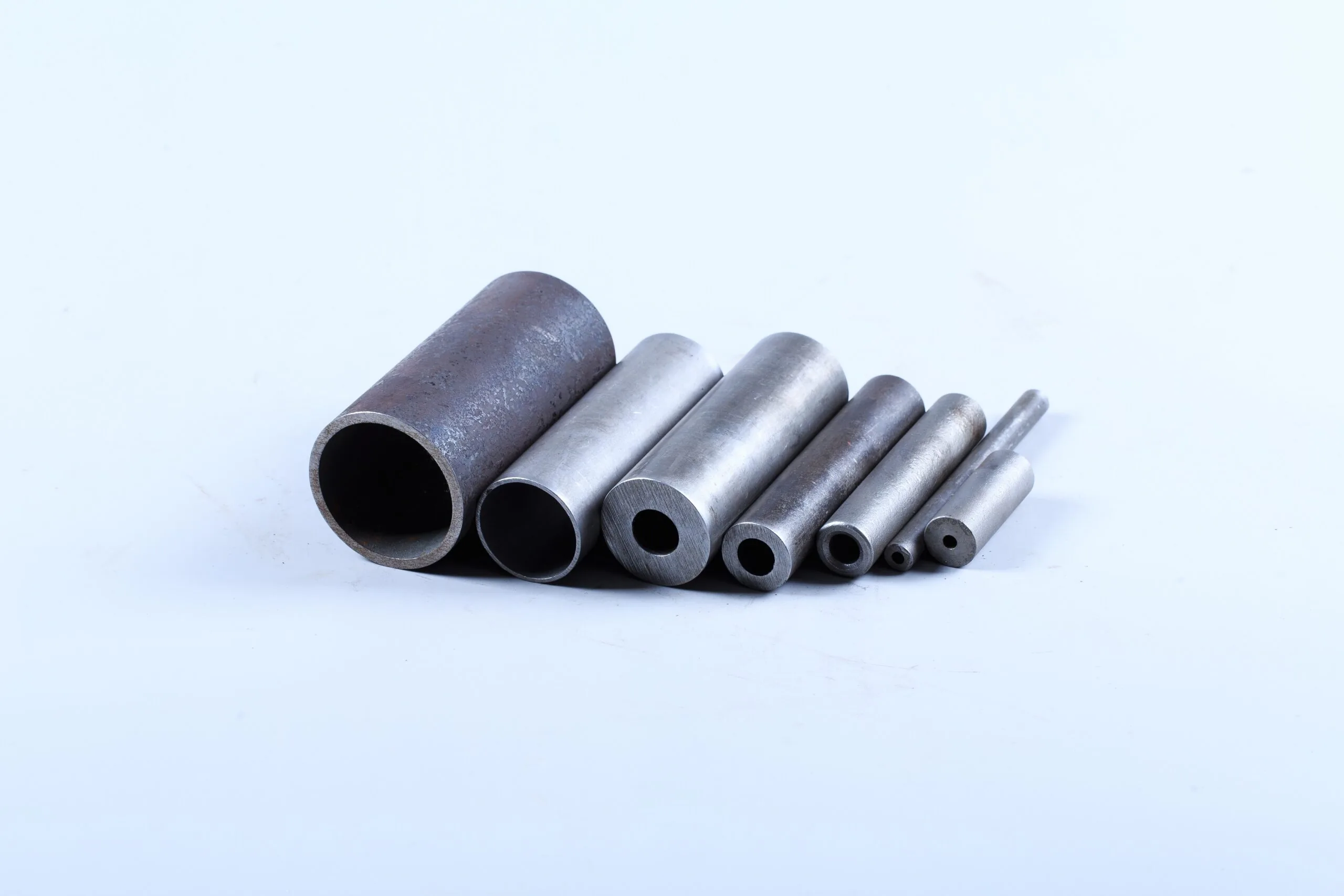
Treat the thermal history as material evidence
The condition of P91 is important to its intended high-temperature performance. Review the required manufacturing heat treatment and the relevant evidence, including records where the specification or project requires them. Hardness may support a defined inspection plan, but it does not prove the entire microstructure or long-term creep behavior. Any later fabrication treatment must remain compatible with the qualified material and equipment requirements.
Qualify welding and other fabrication
Welding procedures, consumables, temperature controls and post-weld treatment need review by qualified personnel under the applicable rules. This guide does not supply a generic welding recipe. Cutting, bending, repairs and attachment welds can also require controls. Changing from a lower-alloy material to P91 may change fabrication obligations, inspection planning and the qualification needed from a subcontractor.
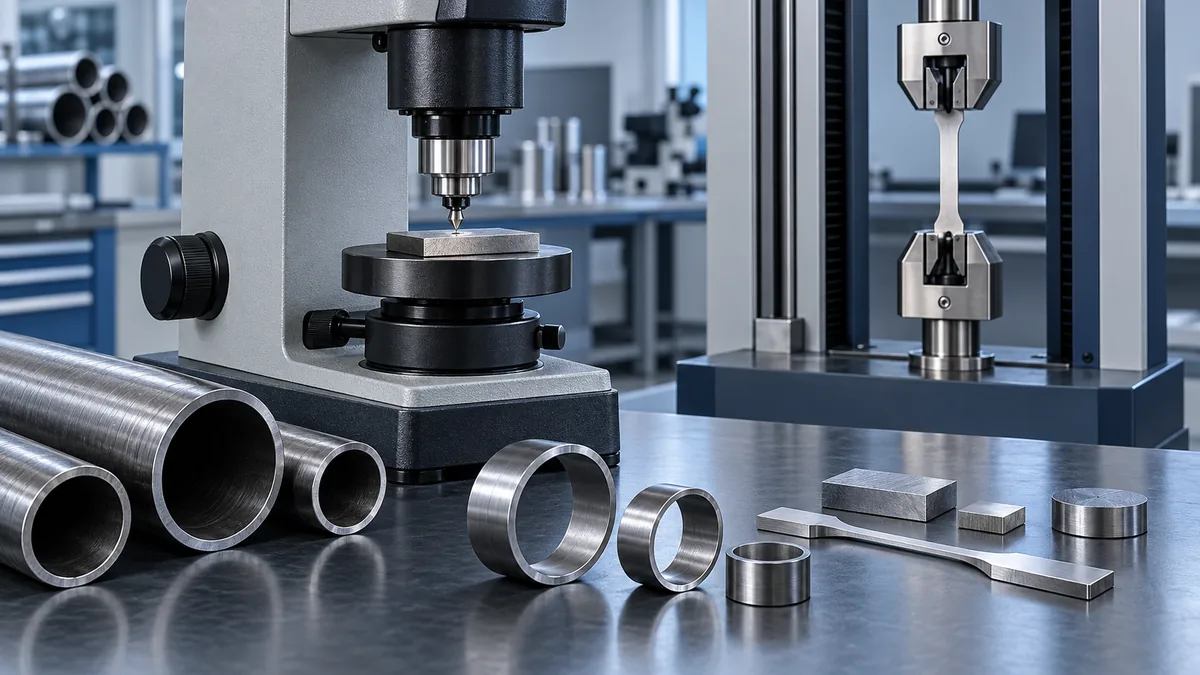
Maintain identity through installation
Keep the material certificate, product marking, heat-treatment evidence and required examination records linked to the actual components. Define inspection hold points and the disposition of any questionable treatment or mixed identity. A successful room-temperature test is not a stand-alone lifetime guarantee. For a replacement order, verify the installed design basis and approved changes rather than copying only the original shortened grade description.
A practical specification review
When pipe is sent to an outside fabricator for welding or forming, maintain the link between the incoming material records and the completed spool. Agree the treatment and inspection records to return with it. A correct certificate for the original P91 pipe does not describe all the operations performed after it left the mill.
Information to confirm before accepting an offer
- Identify the component or supply item, its intended function and the controlled drawing or procedure revision.
- State applicable product and project documents, material or test requirements, dimensions and the condition in which acceptance is assessed.
- Define the required evidence, inspection responsibilities, identification, reporting format and handling of deviations.
- Confirm what the quotation includes, any subcontracted operations, preservation requirements and how proposed changes will be approved.
Resolve unclear requirements before manufacture or examination. Keep the accepted offer, approved deviations and release records together so that a repeat order can use the same technical basis.
Related technical guides
- ASTM A335 Alloy Pipe: P11 Selection and Ordering Requirements
- Steel Tube Hardness Testing: Brinell, Rockwell and Vickers Methods
- Seamless Boiler Tube Selection: Service, Standards and Inspection
Reference
ASTM A335 product scope. Use the edition and requirements applicable to the actual order; this guide does not reproduce or replace the governing documents.
For a tube inquiry, send the drawing, required material and acceptance requirements through the Tenjan contact page so the requested scope and any supply limitations can be reviewed.