Transition Rebar Couplers for Different Bar Sizes
Specify transition rebar couplers by the exact bar-size pair, grades, mating details, installation constraints and evidence for the proposed assembly.
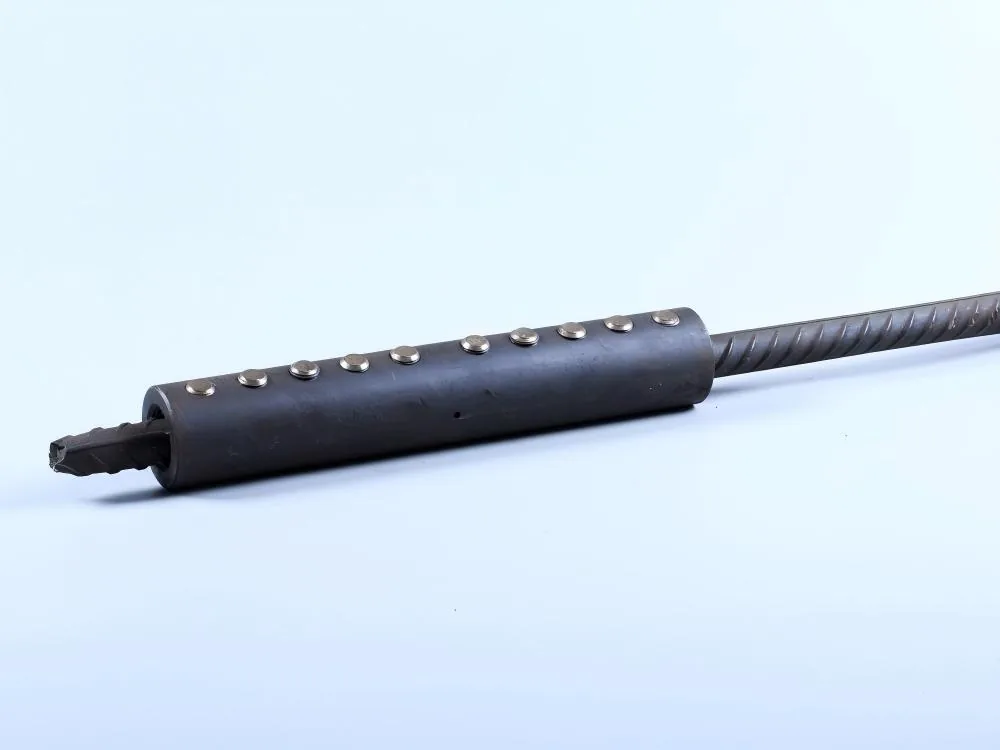
Transition rebar couplers connect an identified pair of reinforcing bars within an approved splice arrangement. Buying one requires more than naming the larger bar diameter. The order should identify both sides, their grades and preparation, and the qualification evidence for the combination being proposed.
Transition rebar couplers: specify the size pair without ambiguous conversions
State the designation and units for each bar. Where the project uses a numbered bar system, retain that designation and add any metric information as clarification rather than silently replacing it. Identify the bar standard and grade on both sides, as well as coating or other relevant condition. Label the ends consistently on the drawing, schedule and order. A size pair written clearly at inquiry stage reduces the risk of receiving equal-size couplers or an assembly prepared for an unintended bar standard.
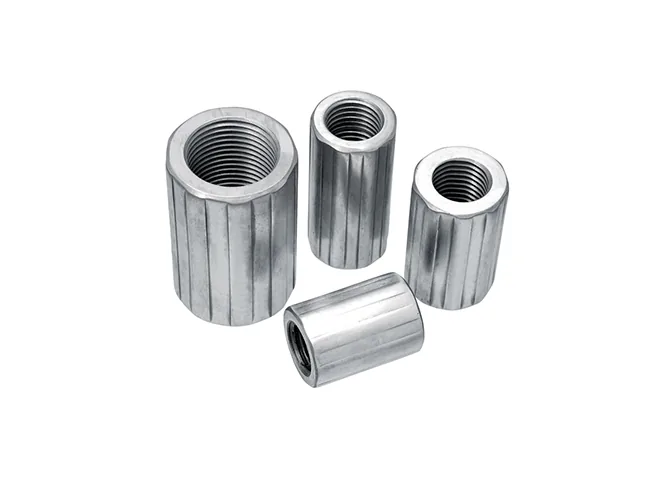
Check the connection arrangement as well as the sizes
A transition can introduce the same access and rotation constraints as any other splice. Confirm which bar can rotate, whether the bars can move axially and where tools can operate. Ancon’s selection information distinguishes transition and positional options within particular systems. Dayton Superior also describes transition versions in its proprietary range. These examples establish that configuration choices are system-specific; they do not mean every size pair or combination is available from every supplier. Request the proposed drawing before deciding that a listed family meets the detail.
Ask the reviewer to establish the acceptance basis
When grades or sizes differ, do not calculate an acceptance rule from the sleeve appearance or assume a report for equal-size bars covers the proposed transition. Identify the exact test evidence and ask the responsible reviewer to confirm how it meets the project requirements. Keep the accepted configuration and its limits in the procurement record. If the supplier cannot identify the supporting scope, describe the proposal as unresolved rather than filling the gap with a broad claim such as full strength for all sizes.
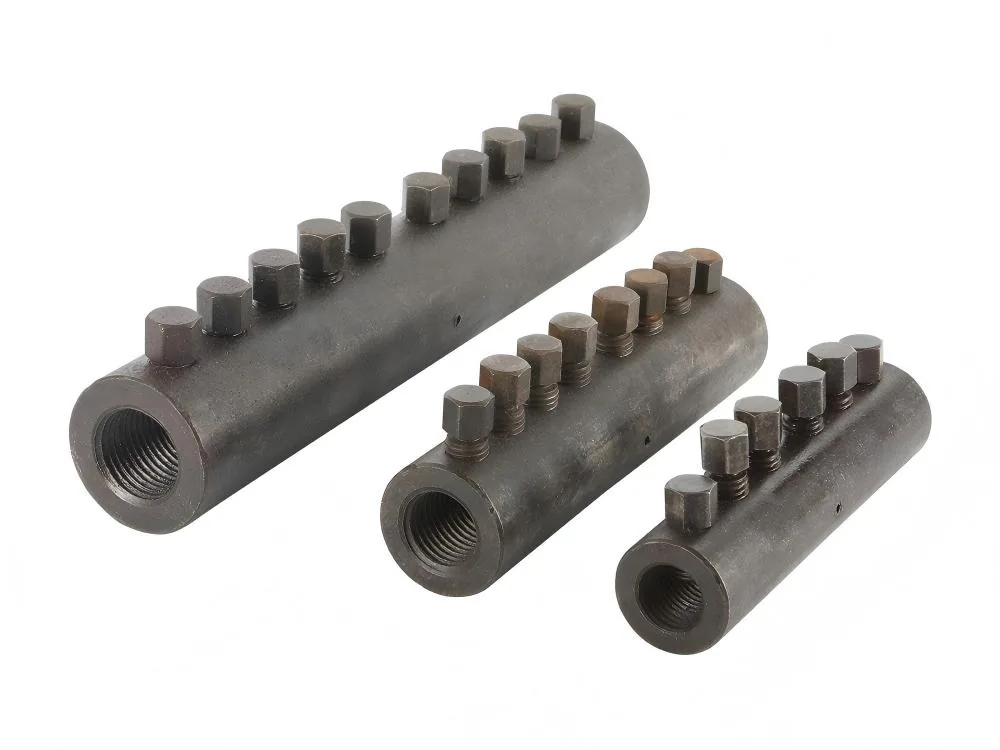
Control end identity through fabrication and packing
Use a schedule that identifies which prepared bar end goes with each side of the transition. Ask the supplier how the difference will remain recognizable through transport and site issue. Where orientation matters to the assembly sequence, show it on the approved detail and work instruction. Separate similar-looking equal-size and transition parts in storage. If a component is damaged or lost, obtain a controlled replacement rather than substituting a generic reducing sleeve. A mechanical pipe reducer is not a substitute for a qualified reinforcing-bar splice.
Transition rebar couplers: review table
| Transition detail | Specify both sides | Confirm before order |
|---|---|---|
| Bars | Designation, size, grade and coating | Exact compatible pair |
| Preparation | Mating-end requirements | Approved process and inspection |
| Arrangement | Rotation and access constraints | Configuration drawing |
| Evidence | Applicable requirements and reports | Acceptance for the proposed combination |
Frequently asked questions
Does a transition coupler make the smaller bar stronger?
Do not infer a change in structural bar capacity from the coupler. The designer establishes the accepted reinforcement arrangement and required performance.
Can a generic reducer connect two different rebar sizes?
Not as an improvised substitute. Use a qualified and approved reinforcing-bar splice system for the identified combination.
Related products and technical guides
- Rebar Coupler
- Rebar couplers: connection types, specifications and acceptance
- Rebar Coupler Incoming Inspection and Traceability
- Threaded Rebar Coupler Installation: Inspection Planning
Sources and further reading
For a project inquiry, use this transition rebar couplers guide to prepare the bar designation, connection drawing, quantities and acceptance requirements. Send the specification to Tenjan to request the relevant product information and confirm the available supply scope.