How to Stay Competitive in Steel Tube Manufacturing
Staying competitive in steel tube manufacturing no longer depends on having the largest mill or the longest catalog. It depends on how clearly a supplier turns precision, process control, and supply reliability into evidence that an…
Staying competitive in steel tube manufacturing no longer depends on having the largest mill or the longest catalog. It depends on how clearly a supplier turns precision, process control, and supply reliability into evidence that an OEM or engineering buyer can verify before placing an order. A tube that matches the print on paper but arrives without traceable process data creates downstream risk. A low quote that hides unstable raw material or uncontrolled inspection adds cost later. The suppliers that remain competitive are the ones that make dimensional accuracy, standards compliance, and delivery repeatable across every batch.
Where Steel Tube Competition Is Actually Won
Competition in the steel tube industry has moved from tonnage to repeatability. Three levers now separate stable suppliers from transactional vendors: dimensional fit, documented process control, and on-time delivery. Price still matters, but it acts as a filter rather than the decision. If a tube does not seat correctly in a hydraulic cylinder, machine frame, or bearing assembly, the savings from a lower purchase price disappear quickly in rework, line stoppage, or warranty cost.
A tolerance without a traceable process is a little like a test score without the work shown: the result may be correct, but the buyer cannot tell whether the next batch will behave the same way. That is why competitive steel tube suppliers increasingly sell proof, not only pipe. They connect the raw material heat, the drawing route, the inspection result, and the packing record so that a problem can be located quickly instead of becoming a supplier-wide mystery.
Why Standards Compliance Becomes a Commercial Advantage
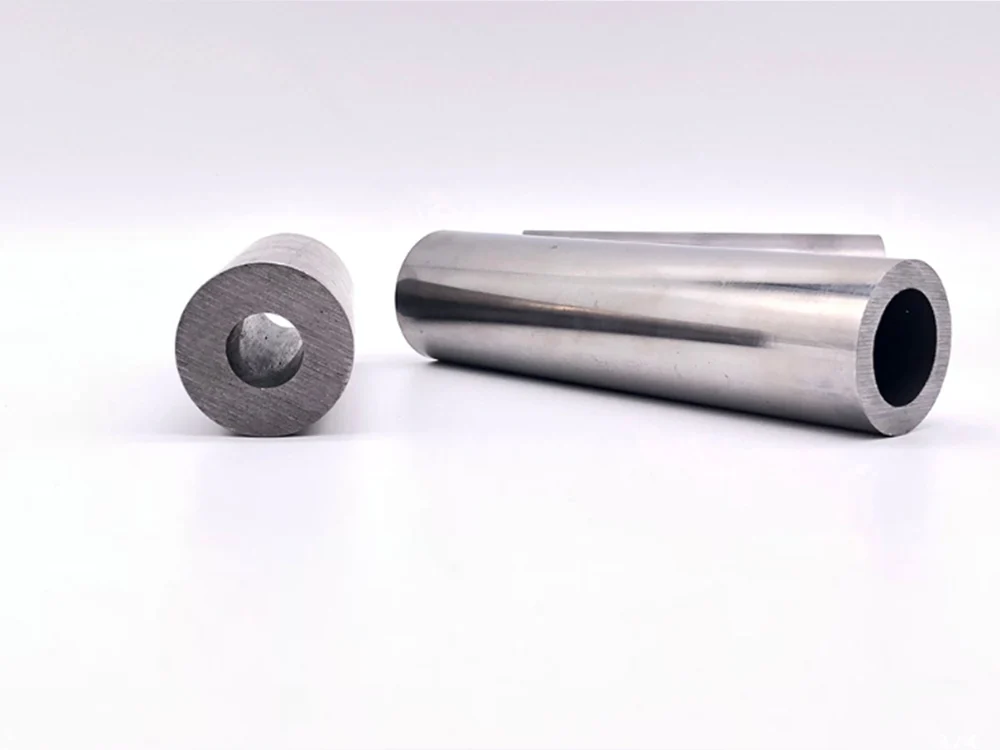
Standards compliance is no longer just a certificate on the wall. It is the shared language that lets a buyer and supplier agree on dimensions, mechanical properties, testing, and traceability. ASTM A519, EN 10305, DIN 2391, JIS G3445, and GB/T 3639 each set different rules for how a precision tube should be specified and verified. A supplier that can work across several systems gives customers more design freedom when a component must meet both a national standard and an internal engineering requirement.
The commercial value appears when the standard is connected to the application. A hydraulic tube under pulsating pressure needs more than a listed yield strength. It needs controlled surface condition, consistent concentricity, and a clean material structure. A machine structural tube may prioritize machinability and straightness. Suppliers that understand these differences can propose the right route, not just the cheapest available grade.
Process Control That Reduces Customer Risk
The strongest competitive signal is process control that the customer can verify from start to finish. A vertically integrated route from raw material to finished tube makes it easier to control composition, drawing reduction, heat treatment, straightening, and final inspection. When each operation is connected to a heat number, a defect no longer forces a buyer to wonder which quiet process step changed.
PMI testing and NDT inspection are not only about finding defects. Positive material identification reduces the chance that a look-alike alloy enters a critical assembly. Ultrasonic or eddy current testing helps find surface and internal indications before the tube becomes a machined component or a welded structure. These controls matter most when the part is small, loaded, or difficult to replace after installation.
| Competitive lever | What to verify | Why it matters |
|---|---|---|
| Dimensional accuracy | OD, wall thickness, concentricity, straightness | A tight fit can fail during assembly or under load |
| Material identity | Heat number, PMI result, mill certificate | Alloy substitution changes heat treatment and fatigue performance |
| Process route | Cold drawn, cold rolled, annealed, or welded route | The route affects mechanical properties and residual stress |
| Traceability | Heat-to-order link and inspection record | Recalls and audits can be handled quickly and precisely |
| Surface quality | Seams, pits, scale, scratches, drawing marks | Surface flaws can start fatigue or leak paths |
| Delivery plan | Capacity, tooling, inspection queue, packing | A late tube can stop an assembly line or project |
Customization Without Losing Repeatability
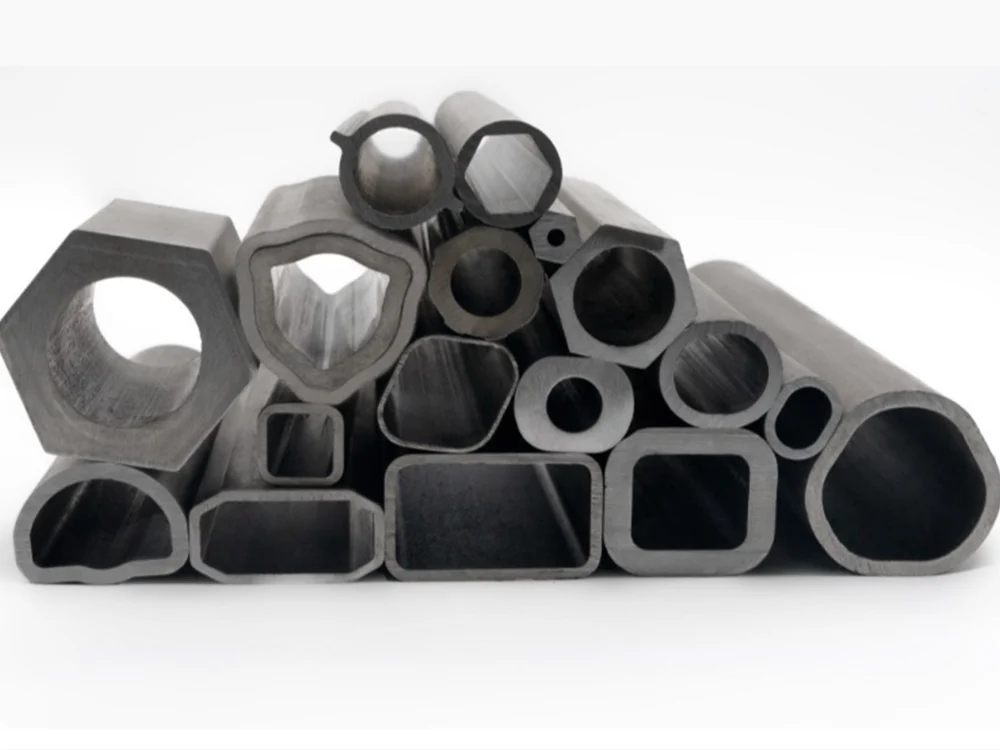
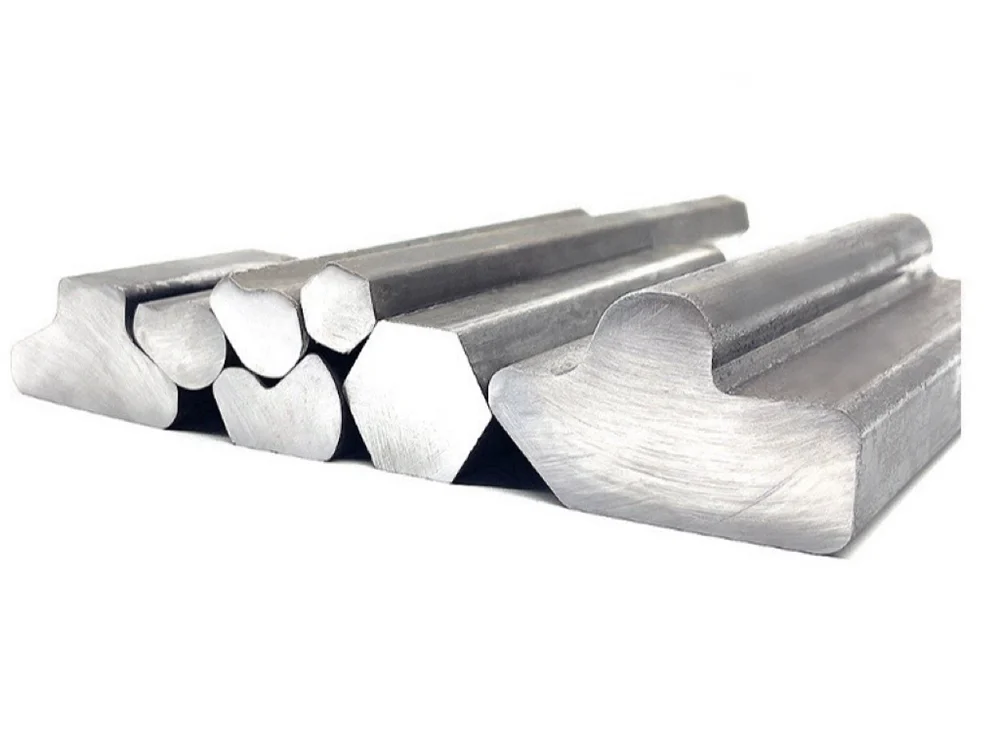
Custom shapes, non-standard alloys, small batches, and tight tolerances are no longer optional extras. They are often the reason a customer switches suppliers. The difficulty is that customization can increase variation if the drawing route, die set, and inspection plan are not treated as a product design problem. A special-shaped tube that works in prototype but drifts in production is not a customization success.
The practical fix is DFM, design for manufacturability. Before tooling starts, the supplier should examine the cross-section transitions, corner radii, wall distribution, and required mechanical properties together with the customer. This moves the expensive decisions to the drawing stage instead of leaving them for the first production batch. It also makes the final inspection criteria explicit rather than assumed.
Custom profiles only create a competitive advantage when the geometry can be drawn without hidden stress concentrations or excessive tool wear. <Special Shaped Steel Tube: Design and Cold Drawing Rules> covers how cross-section choices influence drawing sequence and process stability.
Quality Evidence Customers Can Verify
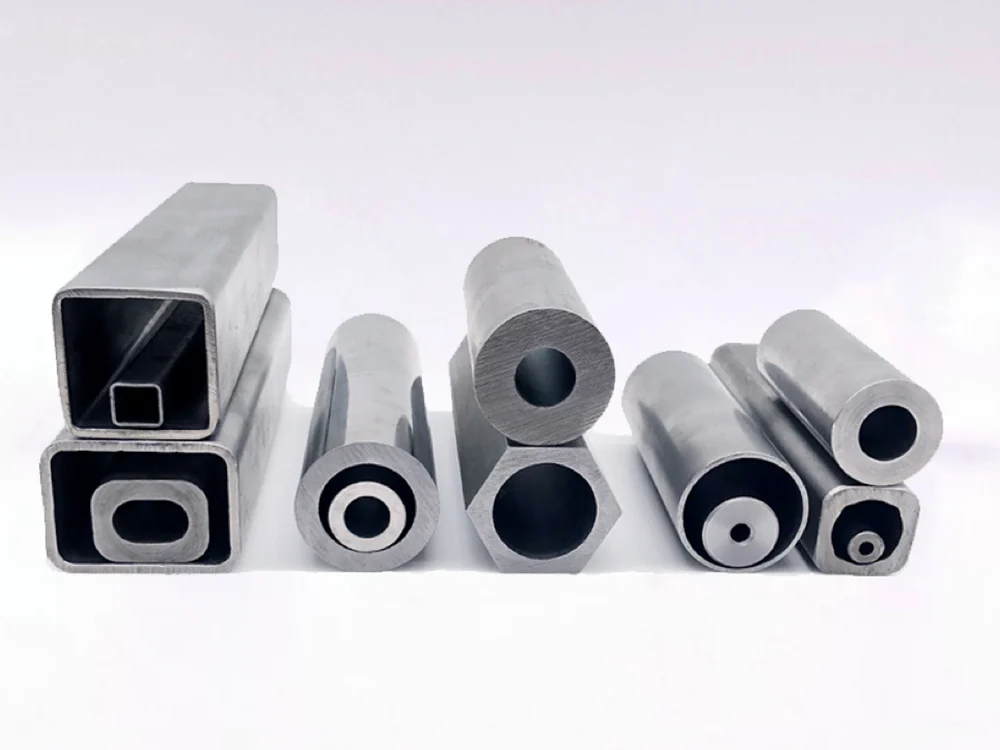
A competitive supplier does not ask the buyer to trust the sales summary. It gives the buyer documents and measurements that can be checked against the order. Mill test certificates, inspection reports, PMI results, and dimensional records turn quality from a promise into a data trail.
The key is matching the evidence to the risk. A general structural tube may need only a clear material certificate and dimensional check. A high-pressure or safety-related tube may need full traceability, additional NDT, and documented acceptance limits. Asking for more evidence than necessary costs time and money. Asking for too little leaves the buyer exposed to a substitution or a process drift.
Buyers should ask for the same process evidence across material, dimensional, and testing records. <Steel Tube Supplier Evaluation: Technical Criteria for Engineers> covers structured supplier checks that separate nominal capability from repeatable performance.
Lead Time and Inventory Discipline
Lead time is not only a sales promise. It reflects tooling availability, raw material planning, drawing capacity, inspection queue, and packaging. A supplier that manages these as a system can protect delivery dates when demand changes. A supplier that only quotes a date and hopes often disappoints the first time an order accelerates.
Buyers can improve this by sharing a realistic forecast, and suppliers can improve it by keeping a visible capacity buffer and by distinguishing standard fast-track items from highly custom geometry. Clear communication about which dimensions, grades, and profiles can move quickly prevents a custom request from being treated as a standard replenishment order.
A reliable lead time is not just a date on a quote. It is the result of an explicit capacity, tooling, and inspection plan. <Managing Custom Steel Tube Lead Times for OEM Buyers> covers how to plan custom tube schedules and avoid delays that often appear after order placement.
Put These Competitive Checks Into Your Next RFQ
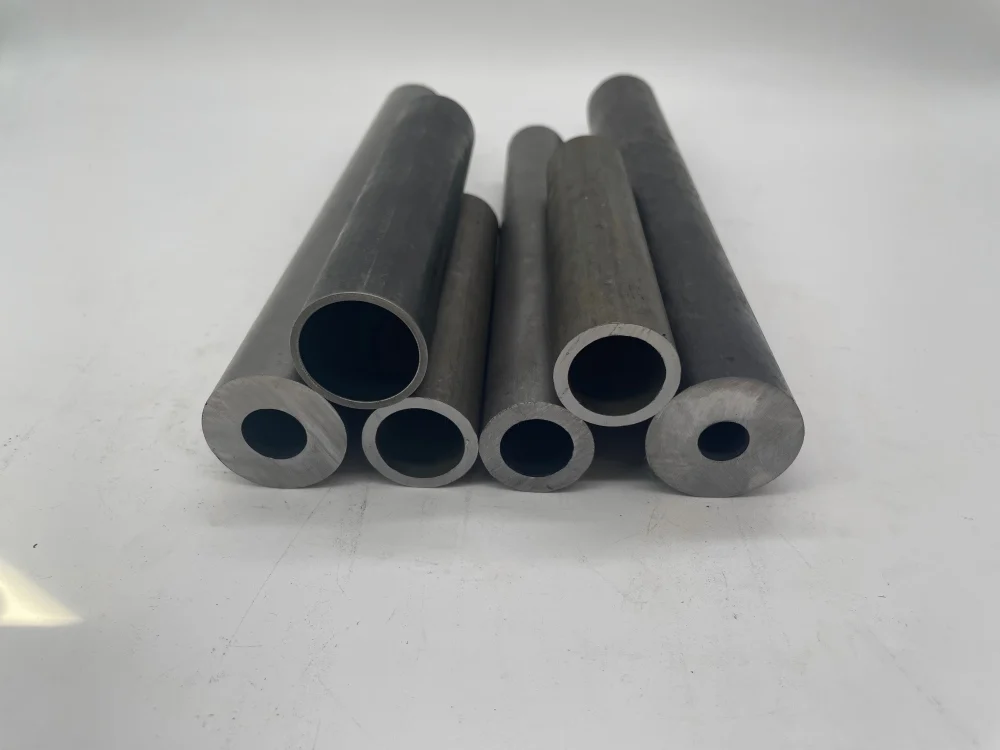
If the goal is to stay competitive, turn these concepts into a concrete supplier conversation. Start with the application conditions, the required standard, the critical tolerances, and the evidence you need at delivery. Tell the supplier what failures would be too expensive, not only what dimensions are acceptable. That allows both sides to choose the appropriate process route, inspection level, and lead time.
For precision tube sourcing that connects raw material, process, testing, and delivery records, contact Changzhou Tenjan Steel Tube at Sunny@tenjan.com, +86 51988789990, or +86 13401309791 (WhatsApp: +86 13401309791). The sooner the specification is clarified, the sooner the right route, tolerance, and schedule can be confirmed.
FAQ
Is low price still the winning strategy in steel tube supply?
Low price can win a first order, but it rarely wins repeat business when the tube carries a precision fit, a safety function, or a complex process route. The buyer pays again through rework, inspection, or late delivery. Competitive suppliers use price discipline, clear material specifications, and stable process control instead of treating price as the only response to competition.
What makes a steel tube supplier easy to audit?
Look for connected records: purchase order, mill certificate, heat number, drawing route, inspection result, and shipping detail. A supplier that can show the process behind each batch is easier to audit than one that summarizes quality with a slogan. Ask whether dimensional, PMI, and NDT records are retained and traceable to the delivered lot.
How can a custom tube program stay on schedule?
Bring the supplier in before tooling and design are frozen. Share forecast volumes, lead time constraints, and the application’s real failure risks. Then confirm which standard, tolerance, profile, and inspection notes drive the schedule. A clear DFM review before release prevents late changes from turning a custom order into an urgent guessing game.
Do international standards make steel tube sourcing more expensive?
They can reduce total cost by removing ambiguity. When both sides use the same standard, the buyer can compare quotes against the same dimensional, mechanical, and testing basis. Differences in standard interpretation may still require clarification, but a clearly stated standard saves time compared with negotiating a loose internal specification.
If you’re interested, check out these related articles:
Steel Tubes for Agricultural Machinery: Precision Solutions
Steel Tube Supplier Evaluation: Technical Criteria for Engineers