Steel Tube Tariffs: How Trade Costs Shape Sourcing Decisions
Steel tube trade responds to tariffs through higher landed costs, shifting supplier choices, and more careful product classification before orders are placed. A tariff does not change whether a seamless tube meets ASTM A519 or whether…

Steel tube trade responds to tariffs through higher landed costs, shifting supplier choices, and more careful product classification before orders are placed. A tariff does not change whether a seamless tube meets ASTM A519 or whether a welded tube meets EN 10305, but it changes the total cost that buyers must compare and the documents that customs authorities will check. For procurement teams, the practical question is not simply which country offers the lowest mill price. It is which combination of product classification, origin, delivery terms, and compliance evidence produces the lowest reliable landed cost. This article explains that decision path and identifies the checks that reduce tariff surprises.
How Tariffs Enter the Steel Tube Supply Chain
Tariffs enter a steel tube transaction at the border, but their influence starts earlier in product definition and supplier selection. A tariff may be an ad valorem duty calculated as a percentage of customs value, a specific duty based on weight or piece count, or a combination of the two. In some markets, safeguard measures, anti-dumping duties, and countervailing duties add another layer that applies only to certain origins or producers. Because these measures stack, the effective duty on an identical tube can differ widely when the country of origin, mill, or product description changes. Buyers who compare only the mill price can approve a purchase that becomes uncompetitive after customs clearance. The first step is to treat the tariff as part of the product landed cost, not as an afterthought at the shipping stage.
Why Product Classification Drives Tariff Outcomes
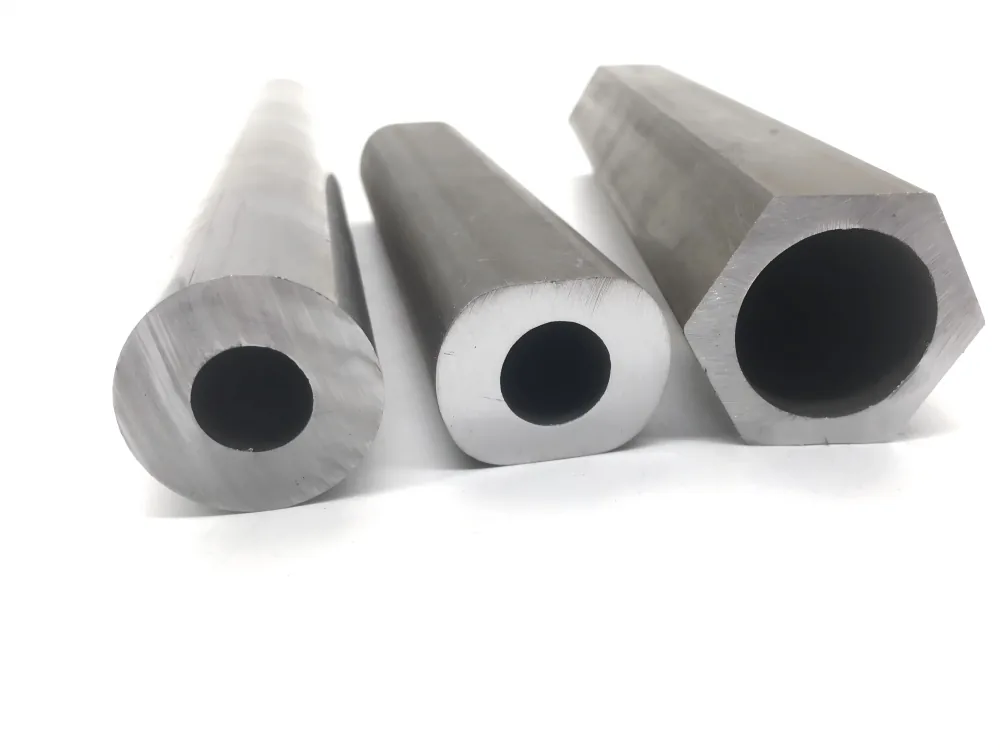
The Harmonized System code is the single most important tariff decision for a steel tube order. A cold-drawn seamless carbon steel tube, a welded precision tube, a boiler tube, and a hollow profile can sit in different headings even when they look similar in a drawing. The stated end use also matters in some jurisdictions, because a tariff line may distinguish boiler tubes from mechanical tubes or structural hollow sections. In practice, a generic invoice description such as steel pipe or steel tube is not enough. The classification should state the production process, cross-section, material, and the standard or specification that defines the product. That detail reduces the chance that customs assigns a different and more expensive heading.
| Checkpoint | What to review | Why it matters | Common mistake |
|---|---|---|---|
| Product scope | HS code and exact product description | A small wording change can switch the duty rate or trigger a different measure | Using the supplier’s generic steel tube description |
| Origin | Mill location, transformation rules, certification | Preferential duty claims depend on legal origin, not shipping origin | Confusing port of loading with country of origin |
| Value basis | Invoice terms, assists, freight, insurance | Customs value determines ad valorem duty | Underreporting or overreporting without documentation |
| Measures | Anti-dumping, countervailing, safeguard | Different measures may stack | Assuming one published percentage covers every tube |
| Exemptions | Free trade agreements, tariff exclusions, end-use programs | Exclusions can reduce or remove duty | Assuming a trade agreement applies automatically |
| Compliance record | Importer of record, documentation, audit trail | Errors can cause delays, penalties, and retrospective duties | Treating customs filing as a logistics formality |
Product classification and the standard named on the contract are usually reviewed together because both affect how a tube is described at the border. <Understanding ASTM, EN, DIN and JIS Tube Standards> covers the major standard families that appear in steel tube contracts and specification documents.
Landed Cost vs Invoice Price
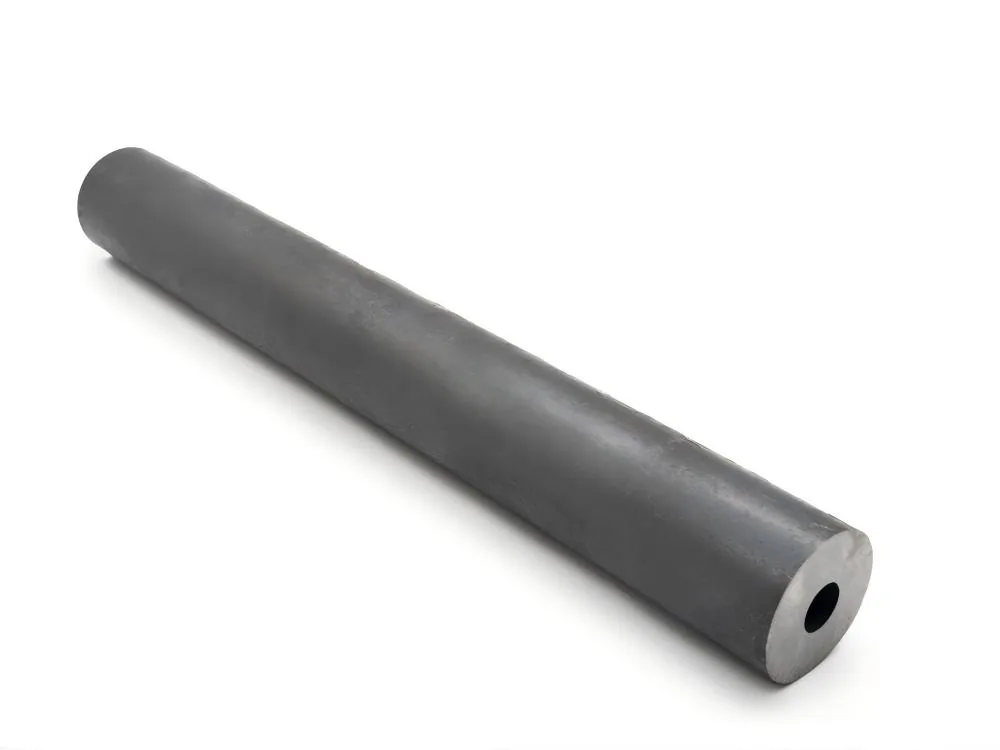
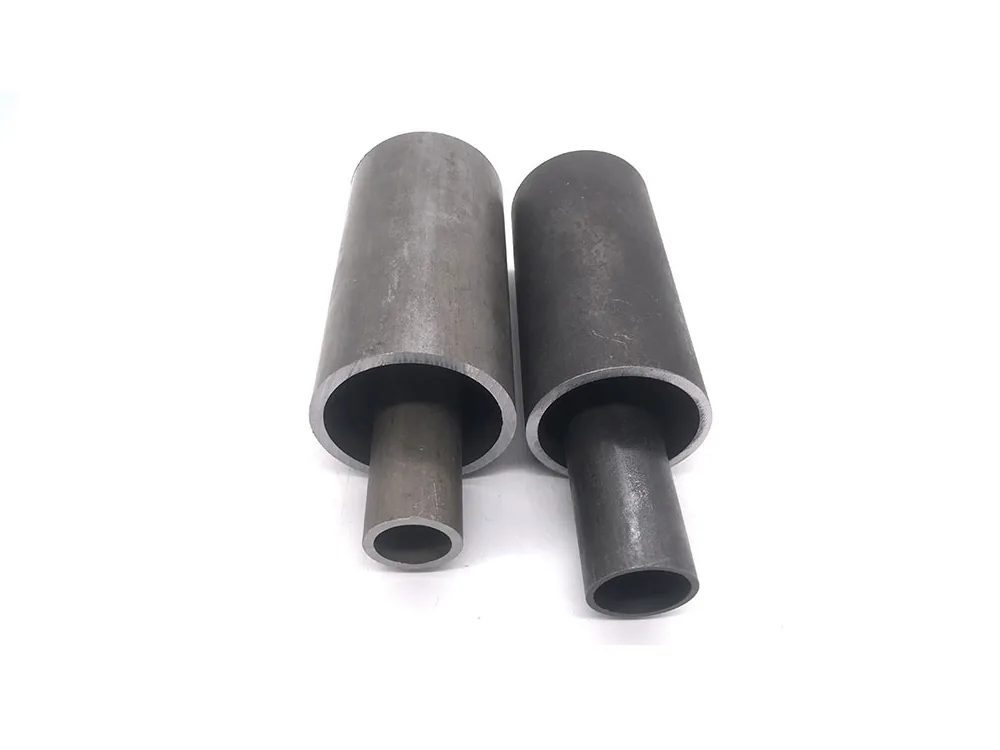
Landed cost is the only consistent basis for comparing tube sources under different tariff regimes. It includes the mill price, freight, insurance, customs duty, port charges, import fees, and the cost of any compliance testing or document preparation. A lower invoice price can still produce a higher landed cost if the product falls under a different tariff heading or if the supplier cannot support the origin documentation that a lower duty requires. This is why procurement teams should ask for a breakdown that separates ex-works price, freight, insurance, and estimated duty rather than accepting a single DDP number. A reliable supplier can help identify the classification and origin evidence, but the importer of record remains responsible for the final customs declaration.
When tariffs change the cost comparison, buyers usually return to supplier qualification and not just price negotiation. <How to Choose a Steel Tube Supplier for Your Next Project> covers the selection factors that matter when a project shifts between supply locations.
Sourcing Options When Tariffs Shift
Shifting a tube order to a different country can reduce a tariff but can also introduce new risks. The new location may have different mill capability, surface quality, testing practices, or lead-time reliability. A supplier that appears competitive on paper may not have the process control needed for a repeat precision dimension or a clean surface. Before switching, buyers should compare more than the tariff rate. They should request the same standard, heat treatment, testing plan, packaging, and delivery terms, then verify that the new source can hold those requirements across multiple lots. A country-level duty saving is real only when the replacement product performs the same function without adding inspection, rejection, or project delay cost.
Sourcing changes are easier to evaluate when the technical criteria are written down before quotes arrive. <Steel Tube Supplier Evaluation: Technical Criteria for Engineers> covers the evaluation checks that remain necessary across different production locations.
Contract Terms That Reduce Tariff Risk
Tariff risk belongs in the commercial agreement, not only in the customs filing. The contract should state the Incoterm accurately, define who is the importer of record, and specify which party provides the country of origin certificate, mill test certificate, and any end-use or exclusion documentation. When a specific tariff rate is material, the buyer can also define how a customs duty change between quotation and shipment will be handled. A clear clause might state whether the seller absorbs the change, the buyer pays the new amount, or the order may be renegotiated. The goal is not to transfer every risk to the supplier. The goal is to remove ambiguity about the tax and documentation basis before the goods are on the water.
What to Recheck Before Placing an Order
Before an order is placed, procurement should close six checks. Confirm the complete product description and HS code. Confirm the legal origin and the documentation that supports it. Confirm the current duty measures for that code and origin on the shipment date. Confirm whether a free trade agreement, tariff exclusion, or end-use program applies and what evidence it requires. Confirm the Incoterm and who will be importer of record. Confirm the supplier can provide the standards, test certificates, and packaging that the destination market will inspect. These checks are not a guarantee that tariffs will never change. They reduce the chance that a tariff change becomes an unplanned project cost after the order is already committed.
Plan Your Next Steel Tube Import Around the Real Tariff Base
Send the product description, HS code, country of origin, required standard, order volume, and destination country. Changzhou Tenjan Steel Tube Co., Ltd. can help align the tube specification and supporting documents before you commit to a sourcing decision. Contact Sunny@tenjan.com or call or WhatsApp +86 13401309791.
FAQ
Do tariffs apply equally to all steel tube products?
No. The duty depends on the product heading, material, production process, shape, and end use declared on the import documents. Two tubes with the same outer diameter can attract different duties when one is classified as a mechanical tube and the other as a boiler tube. Buyers should not assume that a supplier’s tariff rate for one order automatically applies to another specification.
How can a buyer check the current tariff rate for a tube?
Start with the official customs tariff schedule for the destination country and the correct HS code. Then check whether anti-dumping, countervailing, safeguard, or trade agreement measures apply to that code and origin. Use a customs broker or trade compliance specialist to confirm the result before shipment. Rates and exclusions change, so the check should be dated and attached to the sourcing decision.
Does changing the country of origin always lower tariff cost?
Not always. A lower duty in one market may be offset by higher freight, longer lead time, different mill capability, or higher inspection cost. A sourcing change should compare landed cost and qualified supplier performance, not the tariff rate alone. In some cases the best response is to keep the current supplier and improve classification, exemption, or contract terms.
How should tariff risk affect the tube specification?
It should not weaken the specification. Changing grade, tolerance, testing, or surface requirements to fit a cheaper tariff line can create a product that fails in service or fails incoming inspection. The safer approach is to keep the performance requirement fixed and adjust the sourcing, classification, documentation, or delivery terms around it.
If you’re interested, check out these related articles:
DIN2391 ST52 Tube: Tolerances, Grades and Sourcing Checks
How Digital Traceability Tightens Steel Tube Quality Control
Steel Tubes for Hydraulic Systems: Key Selection Factors for Engineers
Thin Wall Steel Tubing: When It Works and When It Fails