Precision vs Standard Steel Tubing: When Tighter Fits Matter
Review precision vs standard steel tubing. Check scope, material condition, inspection evidence and ordering details before accepting a supplier quotation.
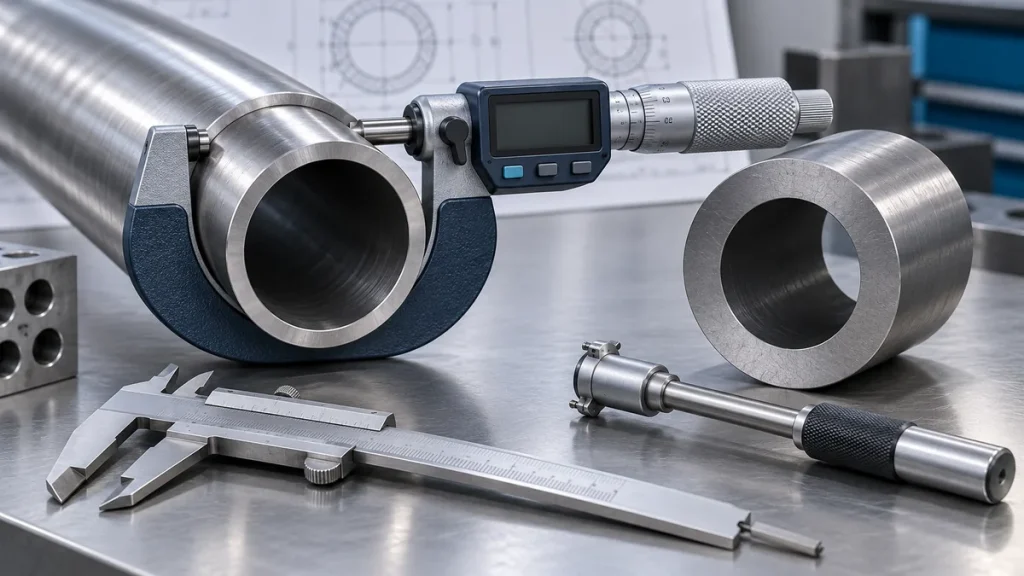
Precision tubing is not a universal grade or a promise of perfection.
Precision is a measurable requirement
The term needs to be translated into dimensions, tolerances, geometry, finish and condition. Standard tubing also has acceptance requirements under its product specification. The useful comparison is between two defined supply conditions and their ability to meet a component drawing, not between a premium adjective and an unspecified commodity.
Start with the tolerance chain
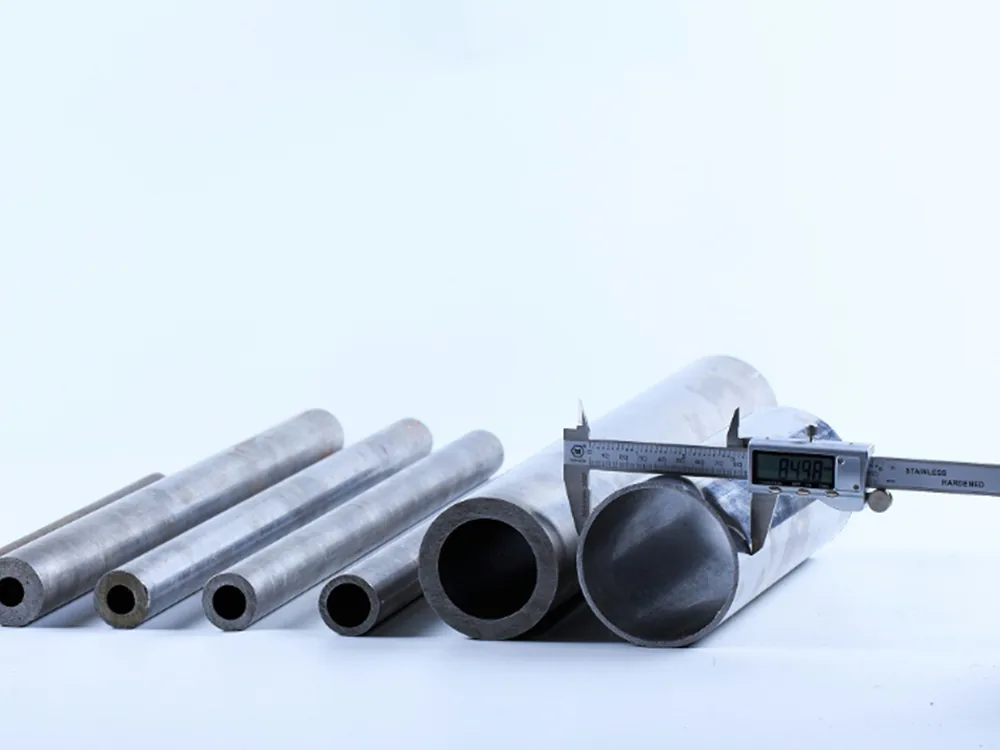
Identify the dimensions and geometric relationships that control assembly. Outside diameter, bore, wall distribution, straightness and concentric relationships can affect different operations. Tighter control of one characteristic does not compensate for an uncontrolled second characteristic. Determine whether incoming tube, a cut blank or the finished machined part is the acceptance stage, and include the effect of downstream stress release or treatment.
Connect finish and condition to function
A sliding fit, sealing bore, welded frame and machined sleeve require different combinations of surface and material condition. A smooth appearance does not prove an appropriate roughness profile or a finished bore. If honing, grinding or coating follows, specify the required allowance and sequence. The chosen tube should support the intended process rather than forcing extra rework to accommodate a vague purchasing description.
Buy the control that removes actual cost
Compare usable yield, machining time, inspection effort, tooling and rejection risk along with the tube price. Unnecessary tightness can add cost without improving the finished component, while insufficient control can move cost into assembly. A trial lot should measure the characteristics that decide success on the real process. Freeze the approved drawing, delivered condition and change-control requirements for repeat orders.
A practical specification review
A machined sleeve may need a controlled bore allowance but have generous outside clearance. Buying an unnecessarily tight outside-diameter class does not remove the bore-machining requirement. Identify which characteristic reduces downstream work, qualify that supply condition and compare total usable-part cost against an alternative with a different combination of controls.
Information to confirm before accepting an offer
- Identify the component or supply item, its intended function and the controlled drawing or procedure revision.
- State applicable product and project documents, material or test requirements, dimensions and the condition in which acceptance is assessed.
- Define the required evidence, inspection responsibilities, identification, reporting format and handling of deviations.
- Confirm what the quotation includes, any subcontracted operations, preservation requirements and how proposed changes will be approved.
Resolve unclear requirements before manufacture or examination. Keep the accepted offer, approved deviations and release records together so that a repeat order can use the same technical basis.
Related technical guides
- Steel Tube Dimensional Accuracy: Why Fit Depends on It
- GB/T 3639 Precision Steel Tubes: Specification and Procurement
- Honed vs Non-Honed Hydraulic Cylinder Tubes: Condition and Selection
For a tube inquiry, send the drawing, required material and acceptance requirements through the Tenjan contact page so the requested scope and any supply limitations can be reviewed.