How Digital Traceability Tightens Steel Tube Quality Control
Digital traceability in steel tube quality control changes what a buyer can verify before a single tube ships.
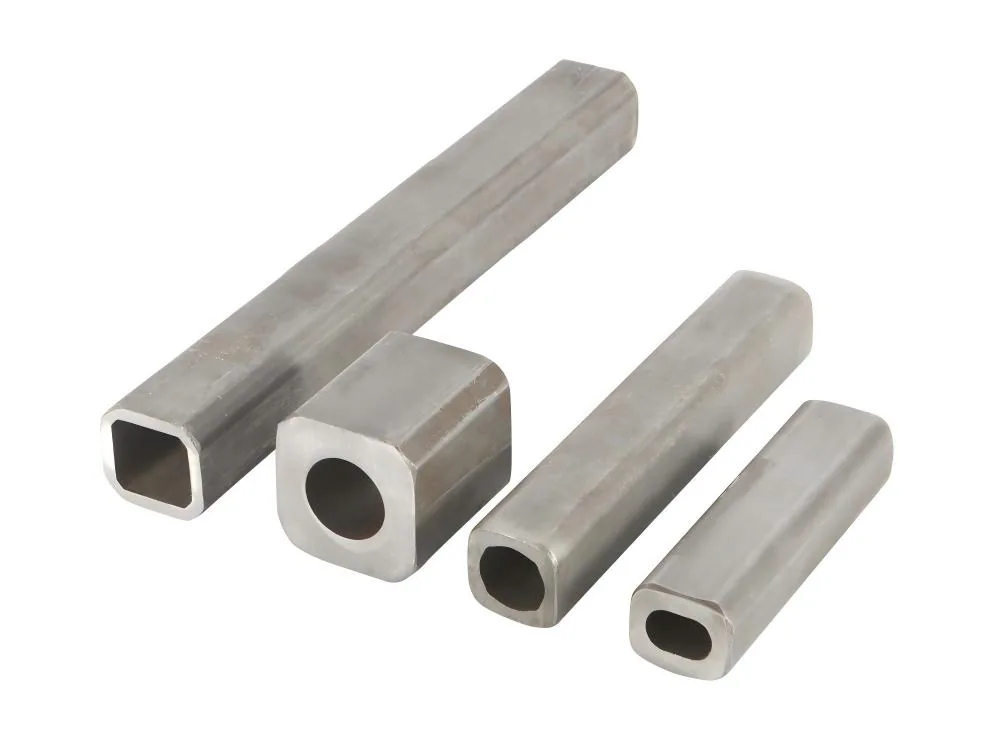
Digital traceability in steel tube quality control changes what a buyer can verify before a single tube ships. I treat the trace file as the connection between raw material, process parameters, and inspection results, not as a paperwork attachment. For procurement engineers and quality managers, asking for a digital record can shrink recall scope and shorten a rejection dispute. At our Changzhou mill, that record starts with the heat number and follows each cold drawn or cold rolled tube through final dimension checks. The sections below show where that record works, where it fails, and what to request on your next order.
The Raw Material Record Behind Digital Traceability
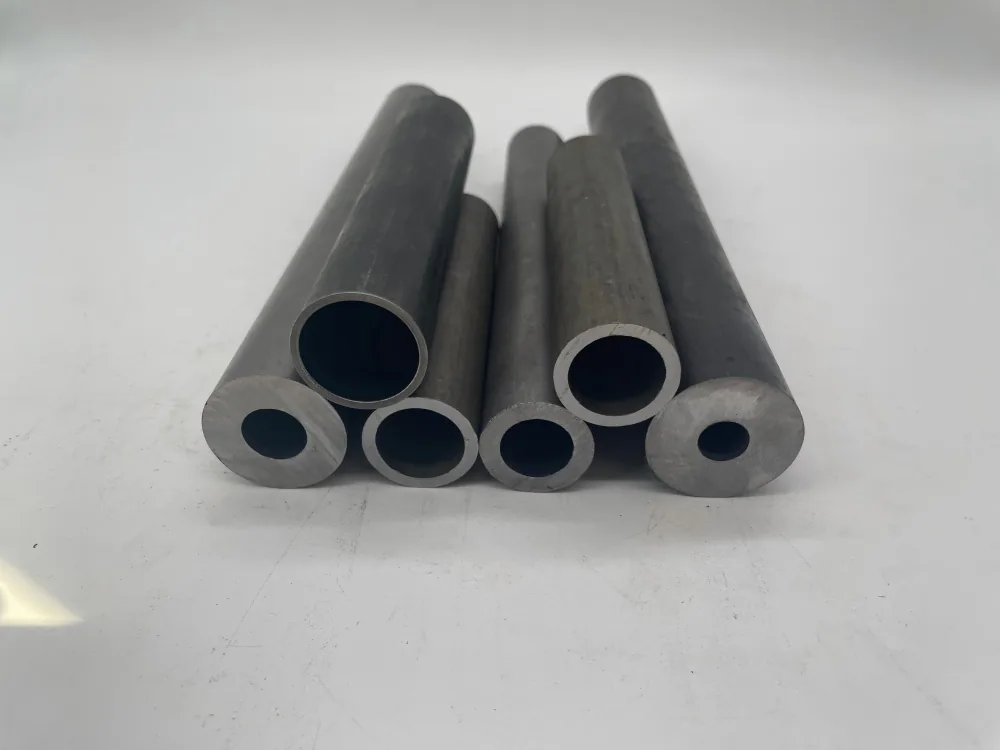
Every traceable steel tube begins with a heat number, not a finished dimension. When we bring in raw material for S355JR structural pipe or 4140 chrome moly tube, the mill certificate carries the heat chemistry and the original test values. We create an internal lot number at receiving and record the supplier heat number against it. Two heats of the same grade can fall on opposite sides of the hardenability band, yet wrapped bundles of annealed tube can look identical on a rack. Once the tag is lost, the only way back is the digital record.
I have seen the problem appear at the saw. A cut length of 4140 alloy and S45C carbon tube can sit together after descaling, and both look silver grey. The difference only becomes visible later, after heat treatment, when hardness values spread farther than the raw certificate would suggest. At Tenjan, we never allow an unmarked heat to move into production. The digital record closes the loop between the supplier heat, our receiving lot, and the final material identity.
Process Data That Builds the Digital Traceability File
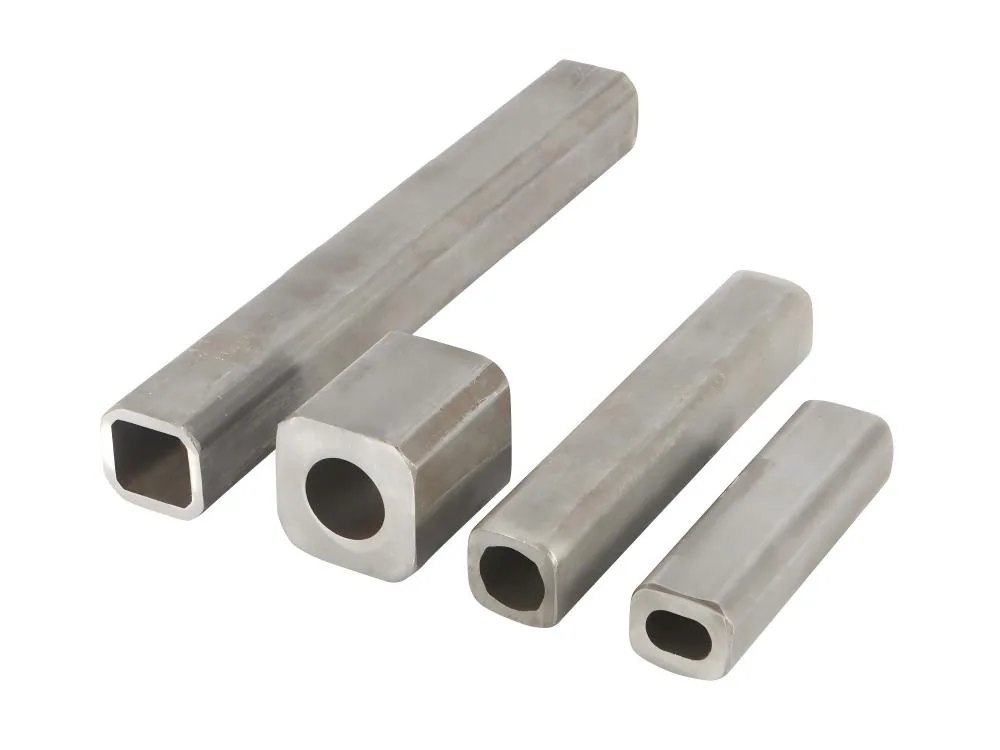
Cold drawing and cold rolling change the steel’s dimensions, surface finish, and residual stress state. Each run generates process data that should attach to the lot number. For seamless tube from 10 mm to 108 mm outside diameter and wall thickness from 1 mm to 20 mm, we record the die sequence, drawing speed, heat treatment route, and final straightening parameters. The point is not data collection for its own sake. A thin spot, an ovality trend, or a hardness outlier usually points to a specific operation, but only when the process log sits next to the batch.
| Control point | Data recorded | Quality error the record exposes |
|---|---|---|
| Incoming billet | Heat number, mill certificate, alloy content | Mixed steel grade before forming |
| Cold drawing or rolling | Die sequence, drawing speed, pass dimensions | Tool wear drift and ovality trend |
| Heat treatment | Furnace zone, soak time, cooling method | Low hardness or uneven microstructure |
| PMI and NDT | Alloy match, ultrasonic and eddy current result | Foreign material, internal seams, surface cracks |
| Final release | Outside diameter, wall, length, surface, certificate number | Packing or tag assignment mismatch |
A digital file makes the sequence searchable. If 30 tubes in a lot show slightly higher wall eccentricity, we compare them with the previous 30 tubes and check whether the tool wear line moved during the shift. Paper logbooks can hold the same numbers, but they rarely line up quickly enough while a shipment waits for release review. In our plant, the value of the digital record is a usable trail before the truck leaves, not an archive that nobody opens.
Inspection Results and the Digital Traceability Record
NDT is where traceability stops being administrative. Ultrasonic and eddy current testing detect internal and surface indications; positive material identification confirms that an alloy grade matches the declared heat number. We run these checks for high-pressure and automotive work, and we attach each result to the lot ID. The reason is simple. A UT signal alone is a location. A UT signal tied to a heat, a billet section, and a drawing pass becomes a possible cause.
Closed-loop correction follows the same line. Suppose an eddy current station records a repeating indication every 2.1 metres along a run of cold drawn tube. Without a trace file, an operator checks one tube, finds a surface mark, and releases the rest after a visual sample. With the trace file, the interval points to damage on a roll or straightener. We can stop the line, inspect the tooling spot, and quarantine only the affected output rather than the entire heat. That difference saves a production week and keeps a small defect from becoming a customer return. When the order calls for it, we issue an EN 10204 Type 3.1 certificate that links test results to the delivered lot.
If your bill of material spans several wall thicknesses or alloy grades, it is worth confirming how your supplier plans to keep PMI and ultrasonic results tied to each bundle before you finalize the specification. Email me at Sunny@tenjan.com with your part number and I will check which traceability level fits your order.
Batching Rules That Stop Mixed Stock and Assignment Error
Most traceability failures I have seen in tube supply are not dramatic. They happen at the saw, the rack, or the packing table. A cut length of 4140 alloy tube can sit next to S45C carbon tube, and both look similar after scale removal. If the bundle tag falls off or the operator picks from the wrong row, the heat connection is broken. Digital traceability cannot stop every handling mistake, but a unique lot code on the transfer card, the bundle label, and the packing list makes the mistake harder to carry through unnoticed.
We keep one lot number from heat receipt through cutting, normalizing, annealing, straightening, and packing. When a product has multiple cut lengths from the same heat, the digital record shows which parent tube each piece came from. That matters during recall exercises. If one heat fails after delivery, we do not need to ask the customer to sort through three containers. We identify the affected cut lengths by lot code and contain the response.
Bundle separation stays a firm rule. We do not place two open lots of the same size and surface on the same rack without clear separation and a dated move record. That sounds like housekeeping, but in a high mix mill with square, hexagonal, and other shaped tubes, it is the lowest cost form of quality control.
What Buyers Should Ask for in a Traceability Package
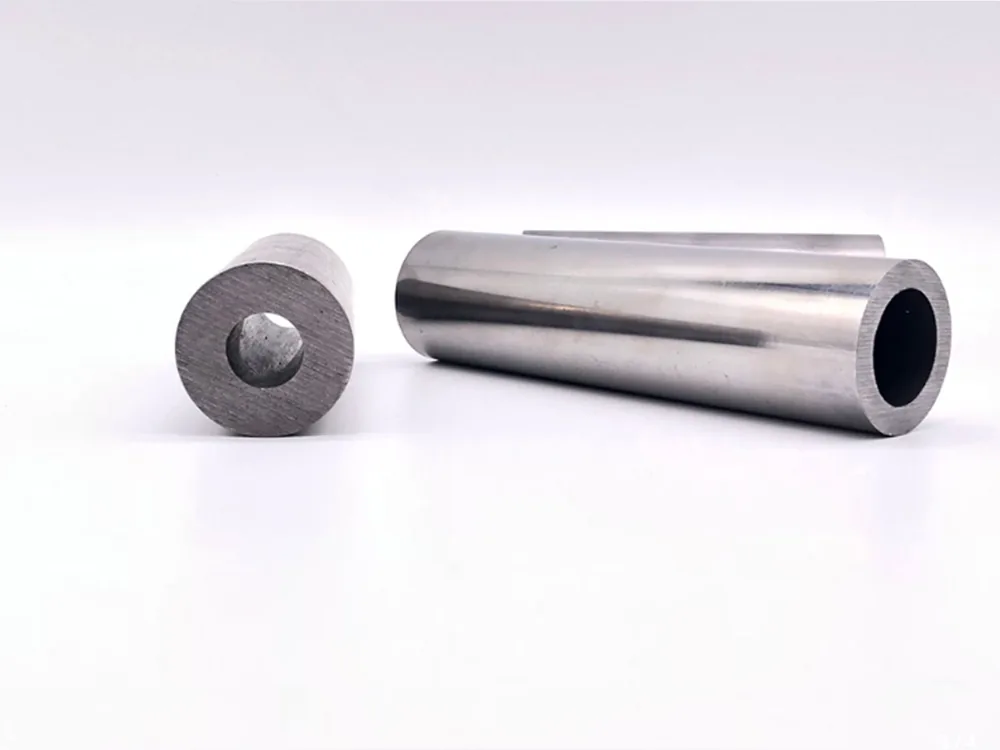
Many buyers treat traceability as a certificate checkbox until a rejection meeting. That is the wrong moment to discover that a certificate lists a heat number but cannot connect it to a specific production date, die set, or inspection report. A proper traceability package should answer a single question: if this exact tube fails in service, can the supplier reconstruct the raw material and the process route within an hour?
Before ordering precision tube, ask for four documents: the supplier heat number matched to the original mill certificate, the production route and heat treatment record, the NDT or PMI result for the delivered lot, and the EN 10204 Type 3.1 certificate where the standard applies. If the supplier cannot line those items up, treat the gap as a quality risk rather than a paperwork delay.
Send your part number, standard, and order quantity to Sunny@tenjan.com or call +86 51988789990. We will confirm which traceability level fits your application and what additional inspection data we can add before shipment.
Common Questions About Steel Tube Traceability
Does digital traceability add cost or lead time?
No, not when it is built into production records. A lot of buyers expect traceability to come as a special service with an extra week attached. In a mill that already records heat numbers, process parameters, and inspection results digitally, the main cost is discipline, not new equipment. The certificate and lot file are generated from data the line already produces. The exception is individual tube serialization for high liability applications, which does add marking time and cost. For most mechanical tube orders, lot level traceability fits within normal lead time.
Where does traceability most often break down?
The weak point is not the test lab. It is the handoff at cutting and storage. An operator sees two identical bundles, the tag tears, and the next worker guesses. That is why batching discipline and a hard rule against untagged storage matter more than software. If the supplier can show dated move records and one lot code carried through every step, you are looking at a trace system that works. If the answer is only a certificate number with no production link, ask for the work order trail.
Does EN 10204 Type 3.1 guarantee traceability?
It depends on what the certificate is tied to. EN 10204 Type 3.1 confirms that the manufacturer tested the product and reported the results, but the certificate only proves traceability if the heat number, lot number, and test results follow the same identity as the delivered tubes. A Type 3.1 document with a copied heat number and no process mapping is a piece of paper. Ask to see the link from the certificate line item to the bundle tag and the work order before you accept the lot.
What should I do if the delivered heat number does not match the certificate?
In our incoming checks, I treat a heat mismatch as a hold event, not a clerical note. Put the material on hold before cutting. Photograph the bundle tag and packing list, then send the details to the supplier with the certificate number. The supplier should either correct the documentation with evidence or replace the material. If your order mixes several dimensions, specify an incoming check at your plant as a final safeguard. If you are not sure whether your current supplier gives you that line of sight, send me your part number and standard at Sunny@tenjan.com and I will confirm what a Tenjan trace file looks like.
If you’re interested, check out these related articles:
Precision Tube Quality Inspection Checklist
Cold Drawn vs Cold Rolled Steel Tubes
How to Choose the Right Seamless Steel Tube
Custom-Shaped Steel Tubes: Design Considerations
Understanding ASTM, EN, DIN and JIS Tube Standards