Steel Tubes for Heavy Machinery: Specification Planning
Review steel tubes for heavy machinery. Check scope, material condition, inspection evidence and ordering details before accepting a supplier quotation.
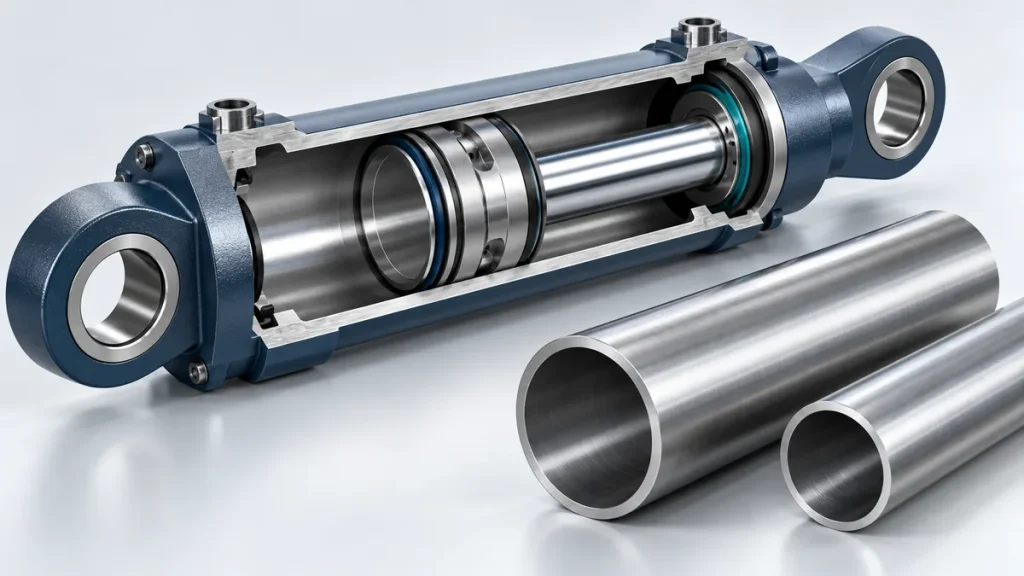
Heavy machinery can use tubes as cylinder barrels, hydraulic lines, sleeves, shafts or structural members.
Identify the component and its loads
These functions require different material and acceptance criteria. Identify pressure cycles, mechanical loads, shock, vibration and the environment that actually reach the component. A machine category or an equipment photograph does not define the duty of every tube installed within it.
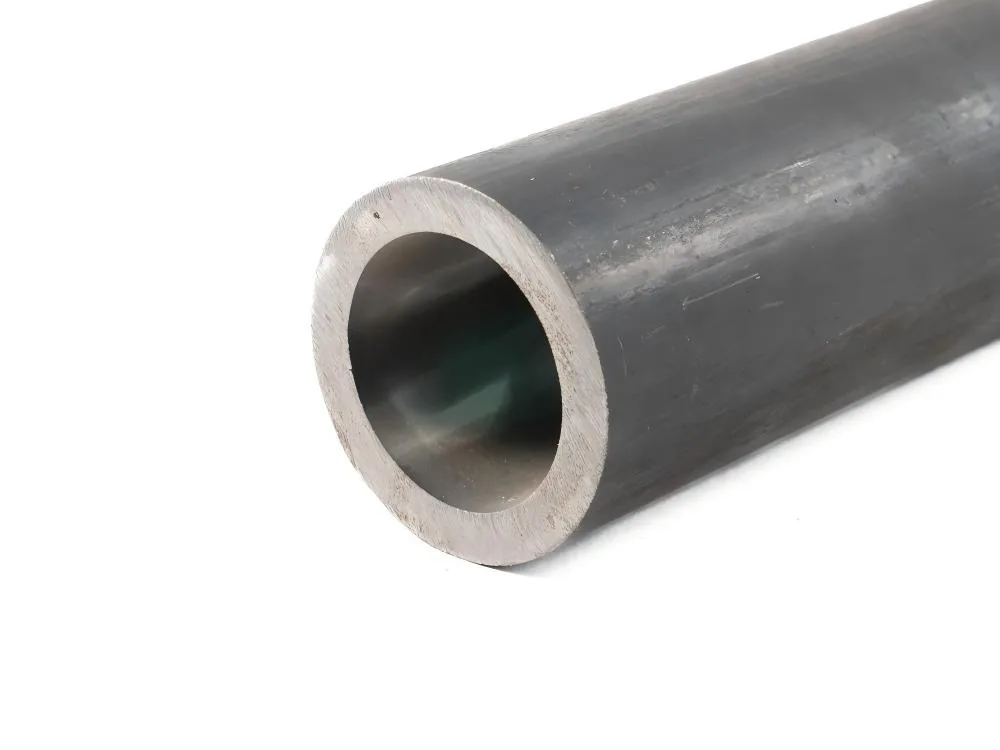
Translate duty into geometry
Cylinder barrels depend on bore geometry and finish; sleeves may depend on fit, runout and machining allowance; frames need the properties and details required by their structural design. Define critical surfaces and relationships on the component drawing. Avoid assuming that a general mechanical tube arrives with a finished sealing bore, or that a shaped tube's corner geometry can be ignored when designing a connection.
Match route and delivered condition
Hot finishing, cold drawing, cold rolling and heat treatment affect the supplied product in different ways. The route must deliver the specified condition and properties, not simply an attractive surface. Review cutting, machining, welding and later treatment as part of the same process plan. Where behavior after machining is important, trial the actual sequence rather than accepting a property claim based on an untreated sample.
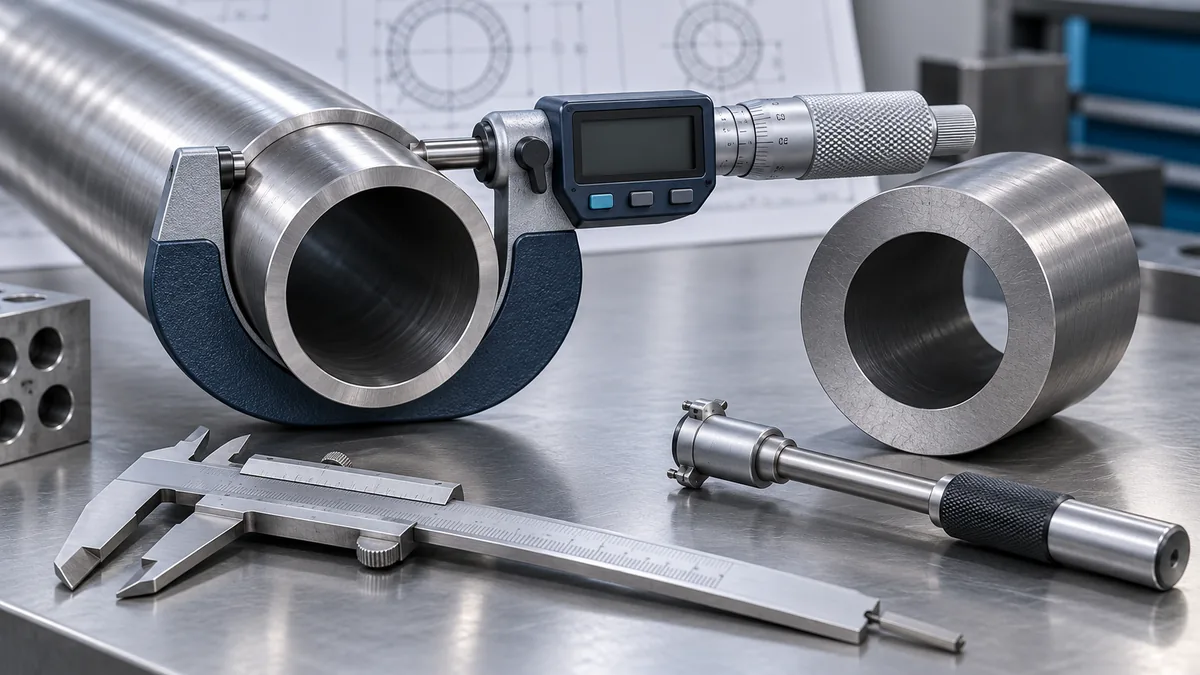
Qualify a production-representative supply
Agree inspection points, sampling, traceability, cleanliness, preservation and change control. Tests on raw tube support material acceptance but do not replace validation of the finished machine component. Keep the approved sample, drawing revision and manufacturing route aligned. A substitute source or condition should be evaluated for its effect on the downstream process before it becomes routine production stock.
A practical specification review
An OEM may purchase the same nominal tube for a cylinder barrel and a machined pivot sleeve. Keep separate drawings and acceptance criteria even if the source material overlaps. The barrel's bore requirements and the sleeve's machining allowance are different purchasing inputs, and each should be demonstrated through the relevant production route.
Information to confirm before accepting an offer
- Identify the component or supply item, its intended function and the controlled drawing or procedure revision.
- State applicable product and project documents, material or test requirements, dimensions and the condition in which acceptance is assessed.
- Define the required evidence, inspection responsibilities, identification, reporting format and handling of deviations.
- Confirm what the quotation includes, any subcontracted operations, preservation requirements and how proposed changes will be approved.
Resolve unclear requirements before manufacture or examination. Keep the accepted offer, approved deviations and release records together so that a repeat order can use the same technical basis.
Related technical guides
- Hydraulic Tubes for Earthmoving Equipment: Loads and Selection
- Structural vs Mechanical Tubing: Standards, Uses and Selection
- Automotive OEM Tube Manufacturing: Processes and Supplier Qualification
For a tube inquiry, send the drawing, required material and acceptance requirements through the Tenjan contact page so the requested scope and any supply limitations can be reviewed.