Steel Tubes for Mining Equipment: Loads and Procurement
Review steel tubes for mining equipment. Check scope, material condition, inspection evidence and ordering details before accepting a supplier quotation.
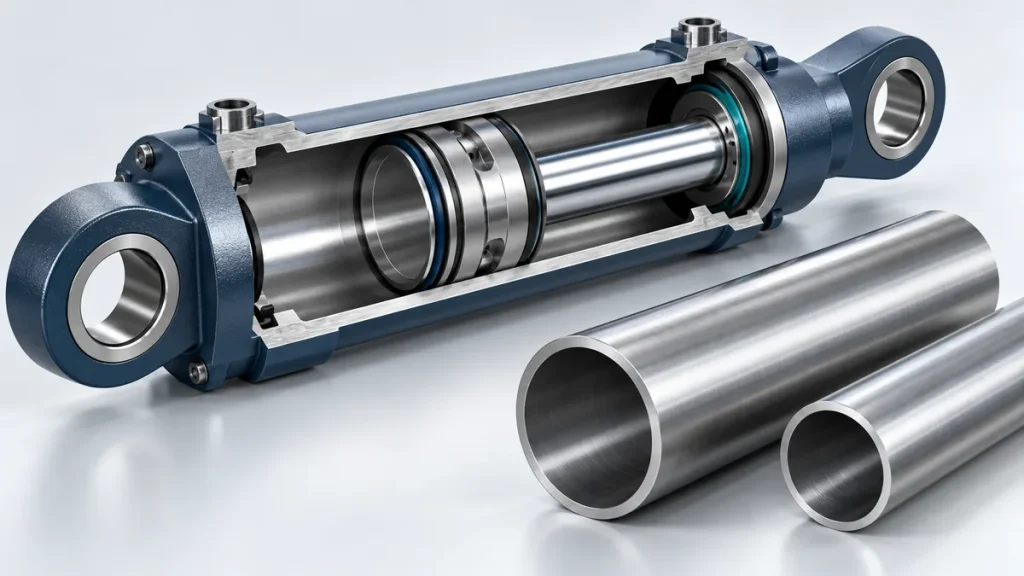
A mining machine can contain structural members, hydraulic components, wear-related parts and fluid lines.
Locate the tube in the machine
Abrasive surroundings do not mean that every internal tube sees direct abrasion. Map where the loads and contaminants enter each component. State the working environment, maintenance access and expected operating cycles so the purchasing requirement reflects the actual function rather than a broad heavy-duty label.
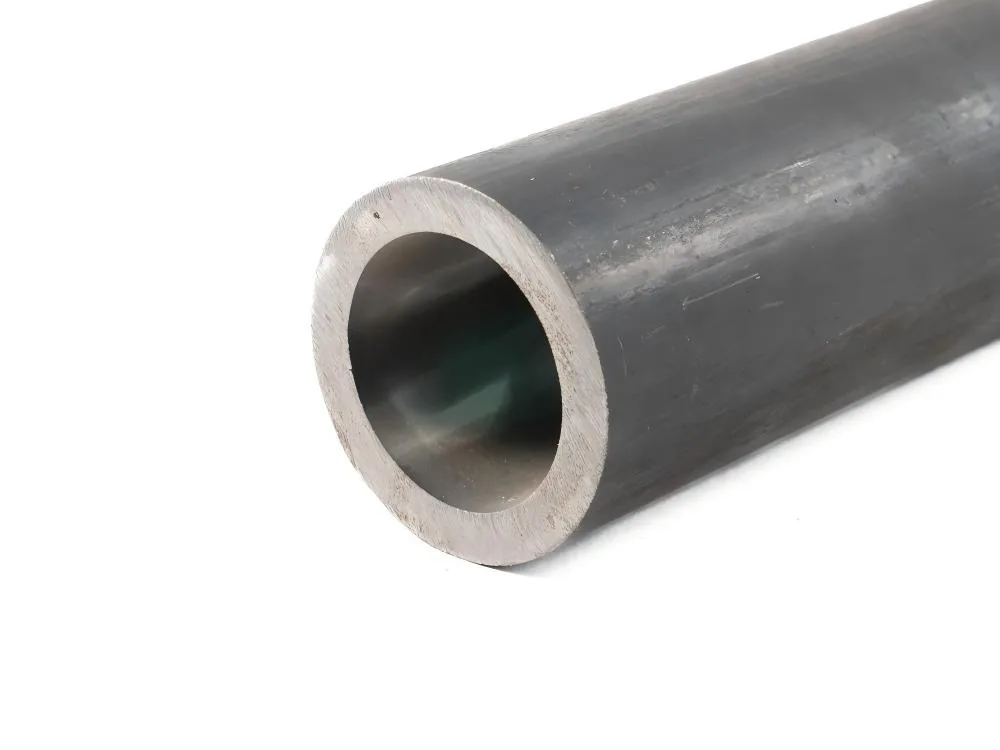
Balance geometry and material properties
Select the required properties from the component design and specify the delivery condition that supports them. Geometry may control performance as much as a nominal grade: bore finish affects a barrel, straightness affects a sliding member, and a profile's corners and wall distribution affect its connections. Increased hardness or strength is not a universal solution when toughness, forming or welding requirements also matter.
Review fabrication and protection
Describe machining, threading, joining, forming and later treatment before selecting tube stock. Consider cleanliness for hydraulic parts and appropriate external protection for exposed components. Coatings must remain compatible with fits, seals, assembly and maintenance. If material is supplied as a machining blank, define the allowance and the inspection condition rather than confusing the blank's acceptance with that of the final component.
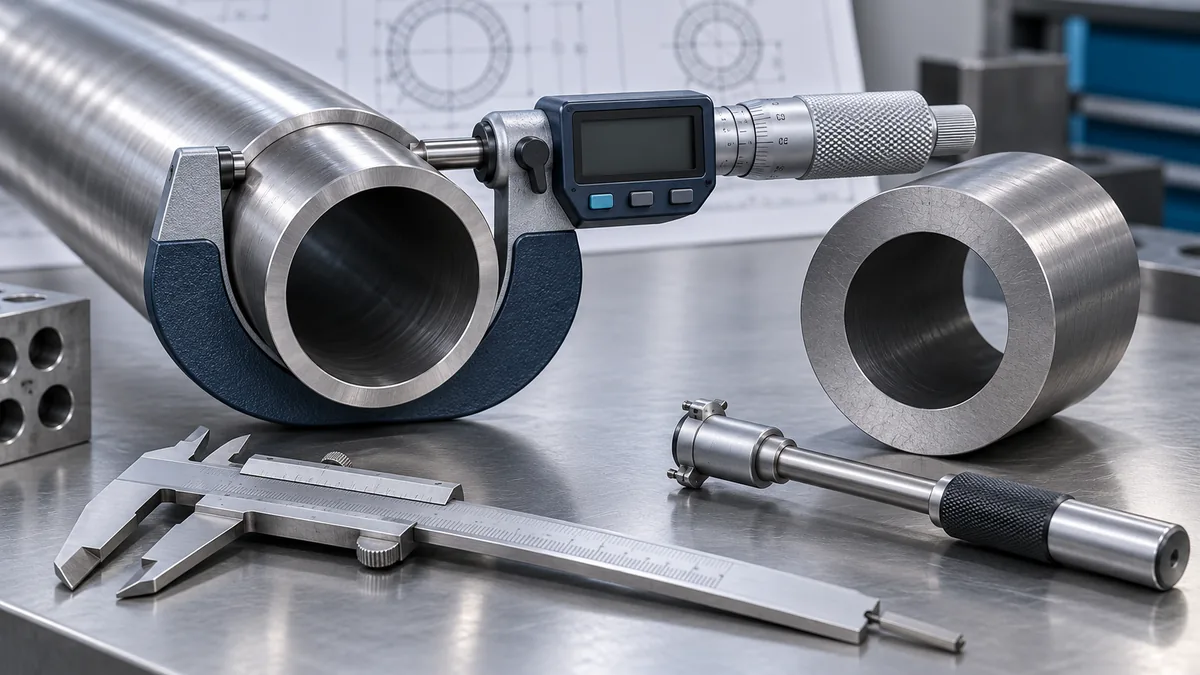
Validate repeatability under the actual duty
A supplier qualification should connect the approved route to measurable acceptance evidence and production-representative trials. Where the component is fatigue-critical, the validation belongs to the complete design and assembly. Agree traceability, handling, lot separation and change control. Field feedback should identify the affected component and operating conditions so corrective action addresses a defined failure mechanism rather than a general complaint about steel quality.
A practical specification review
A mining-equipment supplier may propose the same stock tube for an exposed support and a protected hydraulic barrel. Ask how each finished component will be produced and accepted. The relevant surface, corrosion protection and bore requirements differ, so an attractive mechanical-property table cannot resolve both decisions without the component-level drawings.
Information to confirm before accepting an offer
- Identify the component or supply item, its intended function and the controlled drawing or procedure revision.
- State applicable product and project documents, material or test requirements, dimensions and the condition in which acceptance is assessed.
- Define the required evidence, inspection responsibilities, identification, reporting format and handling of deviations.
- Confirm what the quotation includes, any subcontracted operations, preservation requirements and how proposed changes will be approved.
Resolve unclear requirements before manufacture or examination. Keep the accepted offer, approved deviations and release records together so that a repeat order can use the same technical basis.
Related technical guides
- Selecting Steel Pipes for Drilling Equipment: Core Factors
- Hydraulic Tubes for Earthmoving Equipment: Loads and Selection
- Structural vs Mechanical Tubing: Standards, Uses and Selection
For a tube inquiry, send the drawing, required material and acceptance requirements through the Tenjan contact page so the requested scope and any supply limitations can be reviewed.