How Climate Change Is Affecting Steel Industry Supply Chains
Climate change is no longer a distant policy theme for steel mills. It now appears in purchase specifications, supplier questionnaires, and product design reviews. For engineers and procurement teams buying precision steel tubes, the practical question…
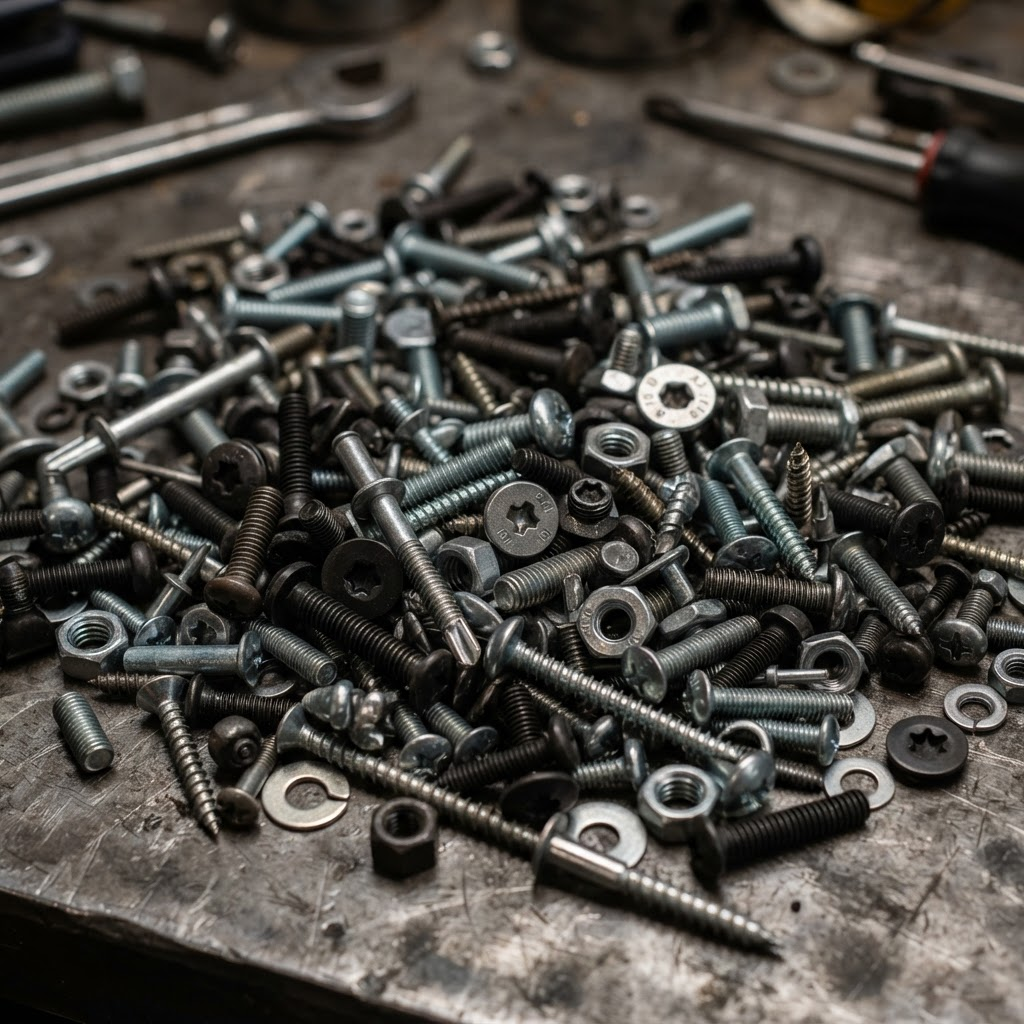
Climate change is no longer a distant policy theme for steel mills. It now appears in purchase specifications, supplier questionnaires, and product design reviews. For engineers and procurement teams buying precision steel tubes, the practical question is not whether the steel industry will change—it is how that change will reach their drawings, budgets, and delivery schedules.
How climate change is affecting the steel industry can be broken into three channels: physical risk to production and logistics, policy pressure on emissions and trade, and shifting demand toward lower-carbon applications. Each channel reaches the tube buyer differently.
The Carbon Baseline: Why Steel Is Under Pressure
Steel remains essential to modern infrastructure, but it is also one of the most emission-intensive materials made at scale. Iron and steel production accounts for roughly 7–9% of global energy-related CO2 emissions [1][3]. The dominant integrated route, combining a blast furnace with a basic oxygen furnace, typically emits in the order of 1.8–2.3 metric tons of CO2 per metric ton of crude steel. A scrap-based electric arc furnace route is commonly reported at roughly 0.3–0.7 metric tons, depending on the electricity mix and scrap quality [1][2].
A useful analogy is this: a blast furnace behaves less like a simple melting pot and more like a coal-fired chemical reactor. The largest share of process emissions comes from turning iron ore into metallic iron, not from lighting the building or moving material around the plant. That is why incremental energy-efficiency gains matter, but cannot by themselves remove the entire carbon challenge.
Three Forces Reshaping the Steel Industry
Physical Climate Risk
Climate change creates physical disruption before it creates policy paperwork. Floods, extreme heat, and low-water events can affect transport routes, port operations, and plant cooling systems. In regions that depend on river barge logistics, prolonged low water can force mills to shift cargo to truck or rail, adding cost and delivery uncertainty [3]. For a buyer waiting on precision tube stock, this turns a global climate story into a very local lead-time problem.
Carbon Policy and Trade Rules
Policy pressure is tightening unevenly across markets. The European Union’s Carbon Border Adjustment Mechanism is the most visible example: importers must report embedded emissions for covered goods during the transitional period, with definitive obligations following [4]. Even buyers outside the EU feel the effect through supplier questionnaires, compliance documentation, and wider gaps between quotes for otherwise similar material.
For buyers adapting contract specifications to shifting regulatory requirements, understanding how ASTM, EN, DIN and JIS align with project conditions matters. <Understanding ASTM, EN, DIN and JIS Tube Standards> covers the standards landscape that increasingly intersects with carbon reporting.
A Changing Demand Mix
Demand is also shifting toward low-carbon infrastructure. Wind towers, solar mounting structures, electrolyser systems, and lightweight electric-vehicle platforms all call for high-strength, dimensionally accurate steel components [2][5]. That tends to favor precision tubes and special profiles that use less material without sacrificing mechanical performance.
Why Steel Tube Buyers Feel the Shift First
Precision steel tubes remind engineers that climate impact is a material conversation. A hydraulic cylinder, a high-pressure boiler, or a motor shaft does not ask for generic steel; it asks for a grade, a process route, a tolerance, and a traceability chain. When carbon reporting enters the picture, each of those variables becomes part of the answer.
A thinner wall designed around higher strength can reduce mass and, over large batches, lower material use. But that only works if the tube meets straightness, roundness, and surface requirements. If dimensional accuracy is poor, lightweighting turns into costly rework and wasted material—the opposite of the intended carbon benefit.
Lower-Carbon Pathways in Steel Tube Production
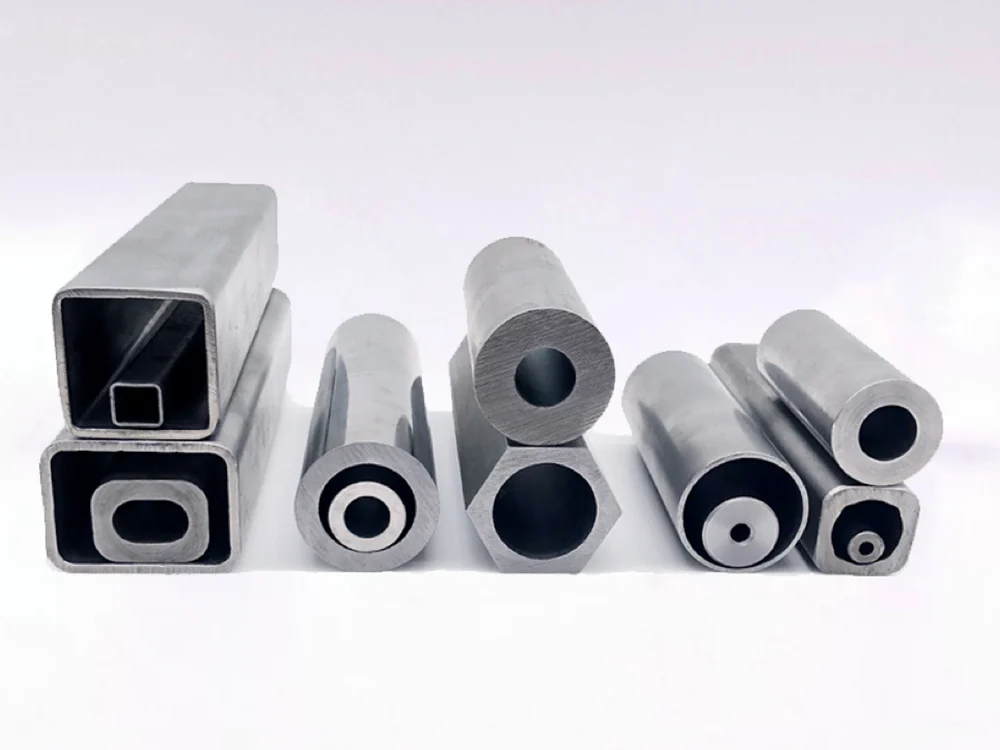
Several pathways are reshaping steel production.
Scrap-based electric arc furnaces offer a lower direct-emission route, but their footprint depends heavily on scrap availability and the local electricity mix [1]. Hydrogen-based direct reduction is a promising route for primary steel, though it remains limited by green hydrogen availability and cost [5]. Efficiency and yield improvements are the less glamorous but immediately available lever: cold-drawn and cold-rolled precision processes can produce closer tolerances and better surface quality, helping components use less stock and generate less scrap.
These choices are not purely environmental. A switch in process route can affect hardness, machinability, weldability, and delivery performance. That is why route selection should be made with the component in mind, not only the CO2 figure.
Process route affects more than price: it changes tolerance, surface quality, weldability, and emissions exposure. <Seamless vs ERW Pipe: Which Is Right for Your Project?> covers the trade-offs procurement teams should weigh before locking a specification.
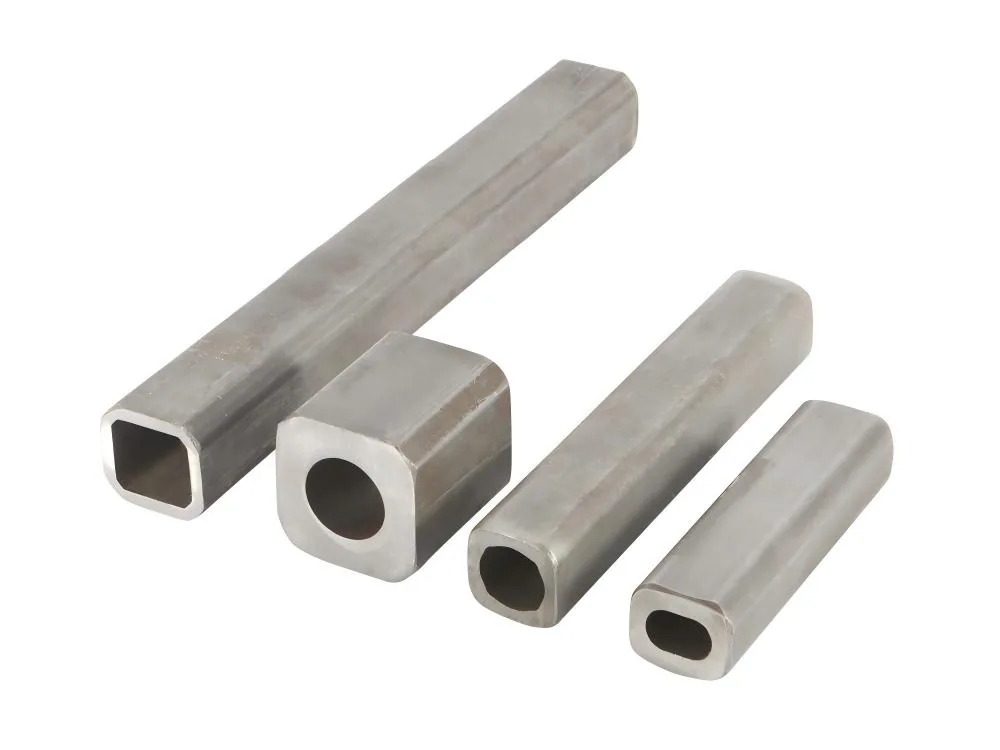
High-strength low-alloy grades such as S355JR support lighter structures in machinery and renewable-energy equipment when matched to the right section shape and wall schedule. For a tube buyer, the carbon lever is not always the mill’s process route; it is often the design and processing decision made before the order is placed.
The Practical Procurement Playbook
Putting climate aside as a headline, the practical work for steel tube buyers looks like this:
- Pin down the route and material. Ask whether the tube is seamless or welded, cold drawn or cold rolled, and which production route feeds the specific grade. This determines both technical properties and emissions profile.
- Request traceability documents. An EN 10204 3.1 certificate, PMI reports, and NDT results provide more confidence than a commercial invoice alone.
- Align standards to end use. Standards such as EN 10305-1, DIN 2391, ASTM A519, JIS G3445, and JIS G3441 are not interchangeable simply because they all mention steel. Hydraulic performance, boiler safety, and dimensional fit depend on the right selection.
- Evaluate consistency. Ask how the supplier controls batch-to-batch variation in chemical composition, mechanical properties, and dimensional tolerance.
- Test the emissions claim. Ask for the boundary of any carbon figure: which routes, which energy mix, and which production stage it covers.
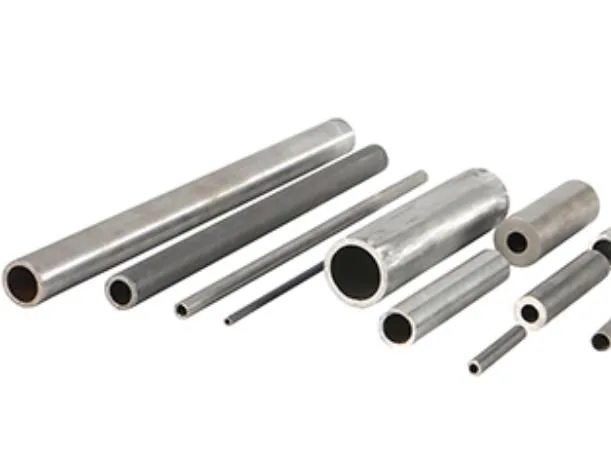
A hydraulic tube buyer comparing two offers with the same nominal grade once faced this exact situation. One supplier could provide full traceability from melt to final inspection; the other could not explain how the batch was controlled. The first supplier won, not because of a lower unit price, but because the documentation reduced engineering risk. Climate-conscious procurement often ends up evaluating exactly that ability: whether a supplier can prove its process.
When emissions reporting narrows the supplier list, technical evaluation becomes the real filter. <Steel Tube Supplier Evaluation: Technical Criteria for Engineers> covers the criteria that separate consistent suppliers from expensive surprises.
A Technical Shortcut for Climate-Ready Specifications
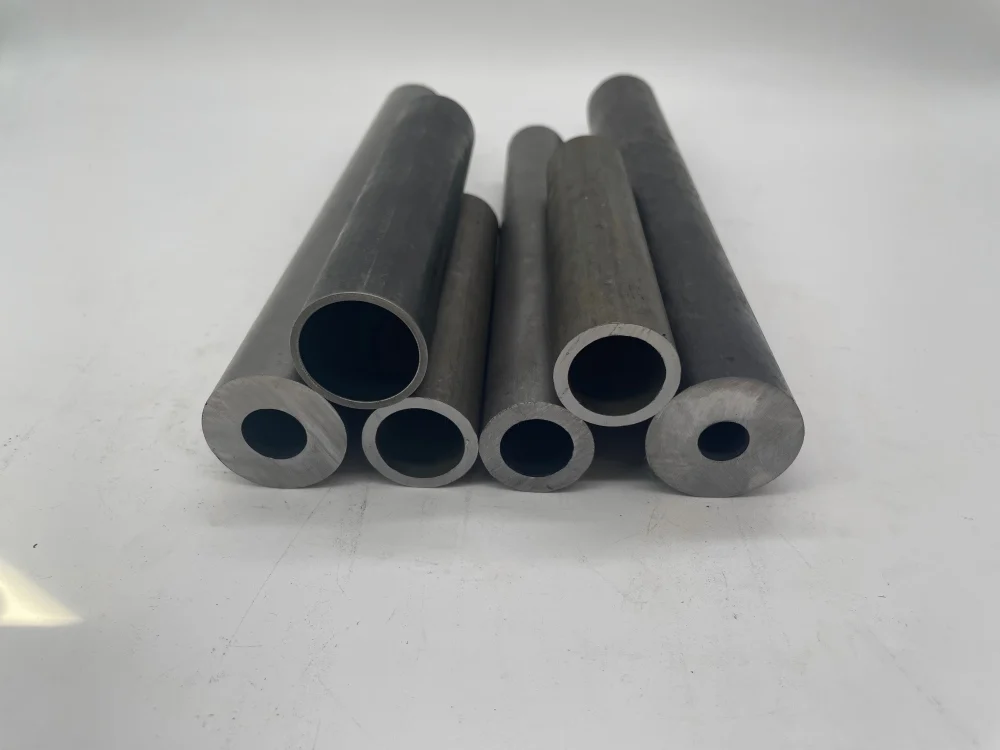
Rather than translating carbon rules alone, most OEM and engineering teams benefit from a supplier that can review drawings against material, tolerance, and delivery constraints. Changzhou Tenjan Steel Tube Co., Ltd. offers cold-drawn seamless tubes, cold-drawn welded tube, and special profiles in the 10–108 mm outside diameter range with wall thicknesses of 1–20 mm. If you need help aligning a specification with current standards and reporting requirements, email Sunny@tenjan.com, call +86 51988789990, or WhatsApp +86 13401309791. Include your drawings and target grade for a technical response.
Contact Tenjan Steel Tube
At Changzhou Tenjan Steel Tube Co., Ltd., we have focused on precision steel tube manufacturing since 2004, serving automotive, high-pressure boiler, construction machinery, hydraulic, and renewable-energy applications. Our team can review material selection, dimensional tolerance, traceability requirements, and batch consistency before you commit to a supplier. Contact us at Sunny@tenjan.com, +86 51988789990, or WhatsApp +86 13401309791. We provide free DFM analysis and technical quotations for custom and standard tube programs.
FAQ
Why is steel so carbon-intensive?
Steel is carbon-intensive mainly because the conventional blast furnace route uses coal to reduce iron ore into metallic iron. The high temperatures and chemical reduction process produce substantial CO2 [1][2]. Scrap-based electric arc furnaces are generally less carbon-intensive, but their footprint depends on the electricity source and scrap availability.
Are all steel tubes equally affected by carbon pricing?
No. Carbon exposure varies by production route, energy mix, material grade, and the regulations in the destination market. For example, products entering the EU must follow embedded-emissions reporting requirements under the Carbon Border Adjustment Mechanism [4]. A tube made from scrap in a grid with low-carbon electricity can face a very different carbon-cost position than one produced through a coal-dependent integrated route.
What documents should buyers ask for from a tube supplier?
Ask for a mill test certificate, preferably aligned with EN 10204 3.1, plus records of PMI testing and non-destructive testing such as ultrasonic or eddy current inspection. Traceability documents should link the material to the production batch, standards, and mechanical properties. These documents are useful for quality assurance and increasingly for carbon reporting.
Does buying lighter wall thickness reduce the carbon footprint?
It can, if the component is redesigned to maintain strength, fatigue life, and dimensional accuracy. A thinner wall saves mass and material, but only when the tube remains fit for purpose. If the change causes rework, premature failure, or excessive scrap, the net carbon benefit can disappear. This is why precision tolerances and material selection go hand in hand.
References
[1] International Energy Agency, “Iron and Steel Technology Roadmap,” Paris, France, 2020.
[2] World Steel Association, “Climate Change and the Production of Iron and Steel,” Brussels, Belgium, 2021.
[3] IPCC, “Climate Change 2022: Mitigation of Climate Change. Contribution of Working Group III to the Sixth Assessment Report,” Cambridge University Press, 2022.
[4] European Commission, “Regulation (EU) 2023/956 of the European Parliament and of the Council of 10 May 2023 establishing a Carbon Border Adjustment Mechanism,” Official Journal of the European Union, 2023.
[5] World Steel Association, “Steel’s Contribution to a Low Carbon Future,” Brussels, Belgium, 2023.
If you’re interested, check out these related articles:
Managing Custom Steel Tube Lead Times for OEM Buyers
Thin Wall Steel Tubing: When It Works and When It Fails
Heat Treated Steel Tube: What Engineers Need to Know