Steel Pipes for Chemical Service: Materials and Ordering
Review steel pipes for chemical service. Check scope, material condition, inspection evidence and ordering details before accepting a supplier quotation.
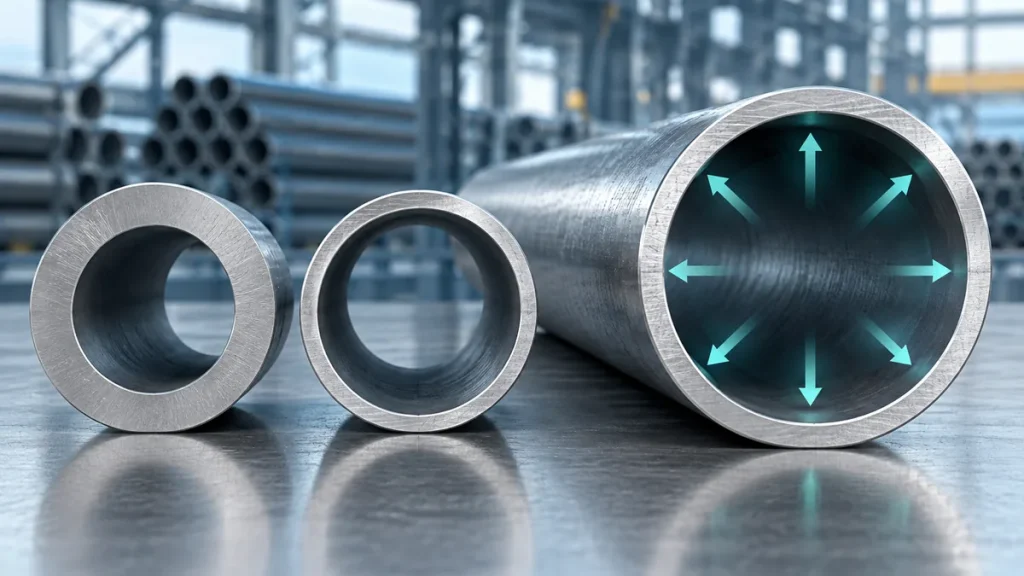
Chemical-service piping needs a material selection based on the actual fluid, concentration, contaminants, temperature, pressure and operating transients.
Start with a process envelope
Cleaning, shutdown and upset conditions can be different from normal operation. Record both internal exposure and external conditions such as insulation, atmosphere and support details. A generic description such as chemical-grade pipe is insufficient for a reliable quotation.
Match material to the damage mechanism
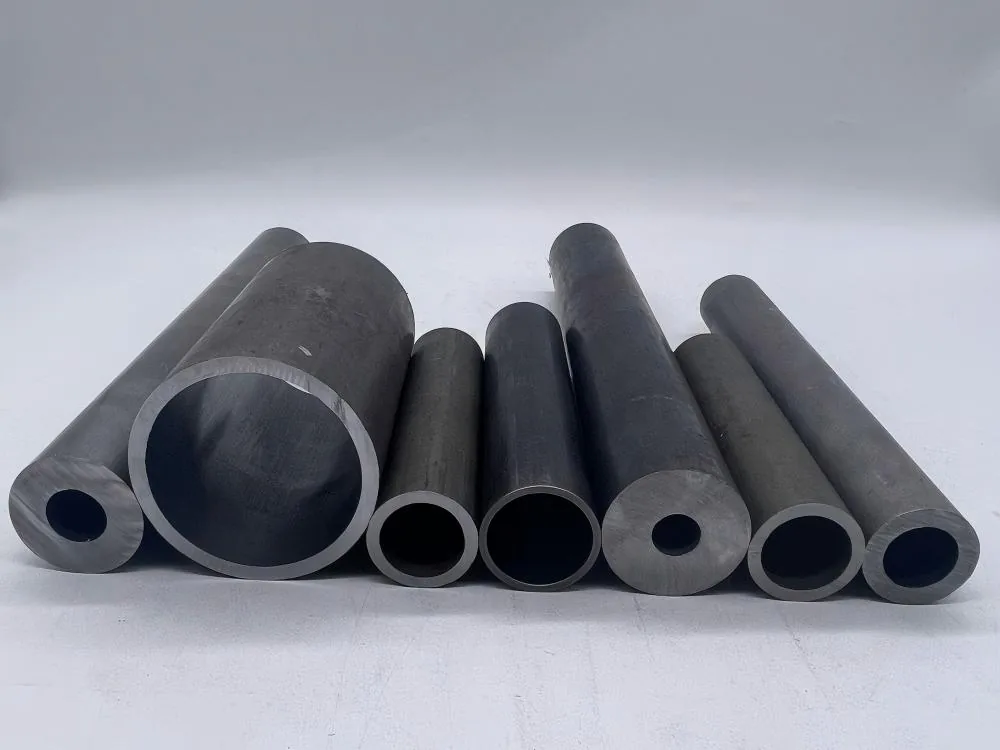
Carbon steel, stainless steel and other alloys serve different chemical environments. A higher alloy content is not a universal answer to localized corrosion, stress-corrosion cracking or hydrogen-related damage. Corrosion allowance addresses only the mechanisms for which it has been justified. Material selection should be approved by the responsible design and corrosion specialists rather than inferred from a catalogue application list.
Separate product and system requirements
The piping construction rules, product specification, grade, delivery condition and fabrication requirements perform different roles. Mechanical tubing does not become qualified pressure material merely because an additional inspection is performed. Likewise, a seamless manufacturing route does not by itself establish chemical compatibility. Welded products can be appropriate where accepted by the governing design and the specified manufacturing and examination requirements.
Include fabrication and release evidence
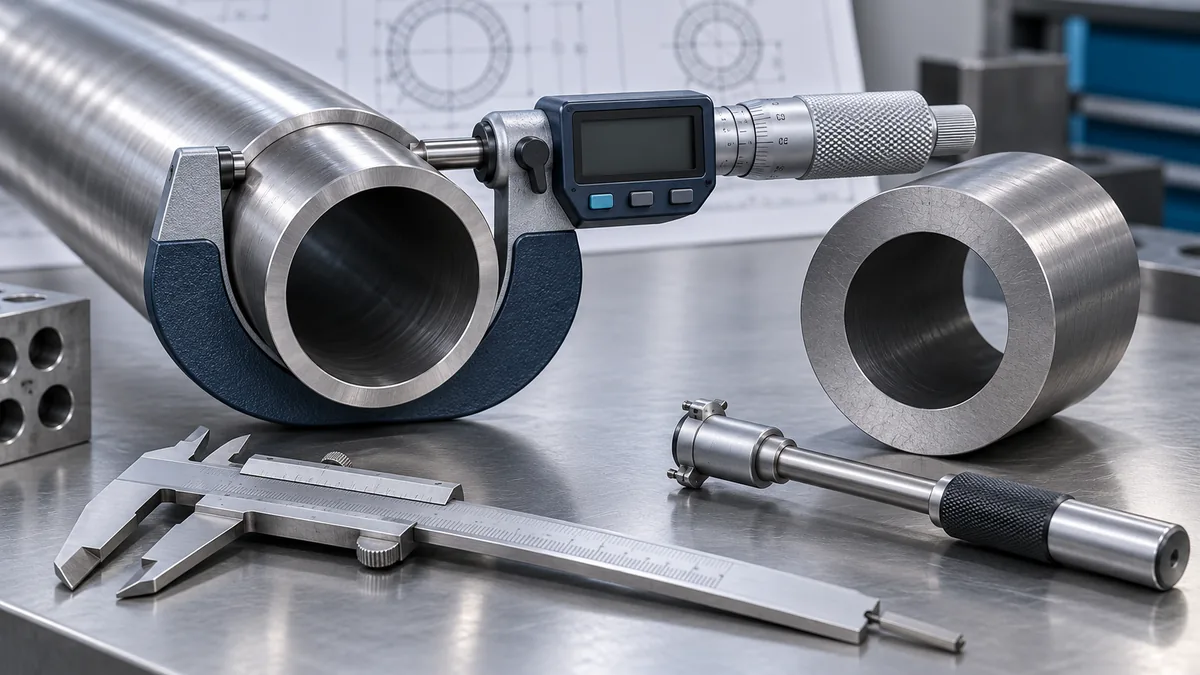
Joining, forming, heat treatment, cleaning and preservation can change the delivered component. Define their sequence and the required inspection hold points before ordering. Review certificates against the specified product and condition, then maintain the link between material identification and installed components. Specify packaging to protect the selected surface condition and bore cleanliness through transport, storage and fabrication.
A practical specification review
Consider a process tube that will be cleaned with a different chemical from its normal operating fluid. A material review based only on normal production can miss the cleaning exposure. Put both conditions in the service description, then confirm that the selected material, joints and preservation requirements address the complete operating cycle.
Information to confirm before accepting an offer
- Identify the component or supply item, its intended function and the controlled drawing or procedure revision.
- State applicable product and project documents, material or test requirements, dimensions and the condition in which acceptance is assessed.
- Define the required evidence, inspection responsibilities, identification, reporting format and handling of deviations.
- Confirm what the quotation includes, any subcontracted operations, preservation requirements and how proposed changes will be approved.
Resolve unclear requirements before manufacture or examination. Keep the accepted offer, approved deviations and release records together so that a repeat order can use the same technical basis.
Related technical guides
- Seamless Tubes for Petroleum Cracking: Materials and Inspection
- Stainless Steel vs Carbon Steel Pipe: Corrosion, Performance and Cost
- EN 10216 Seamless Pressure Tubes: Scope, Grades and Ordering
For a tube inquiry, send the drawing, required material and acceptance requirements through the Tenjan contact page so the requested scope and any supply limitations can be reviewed.