Steel Tube Galvanizing: Coating and Dimensional Control
Review steel tube galvanizing. Check scope, material condition, inspection evidence and ordering details before accepting a supplier quotation.
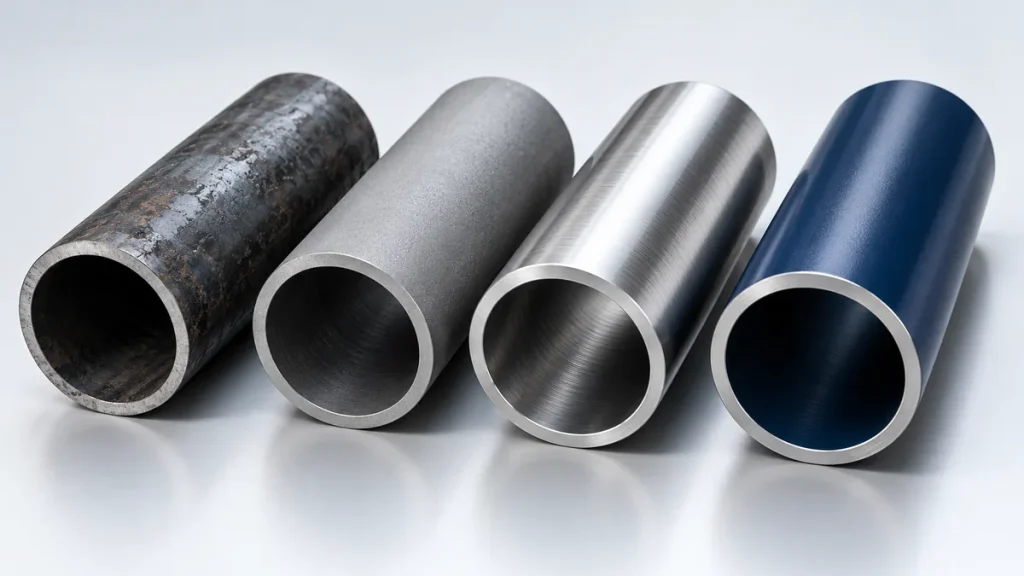
Hot-dip galvanizing forms a zinc coating on prepared steel surfaces.
Specify the coating process
Electroplated zinc and zinc-rich paints are different systems with different specifications and acceptance methods. Identify the actual coating process, the product or fabrication standard and which surfaces require protection. An instruction simply requesting galvanized tube leaves important choices unresolved, especially for precision bores and fitted components.
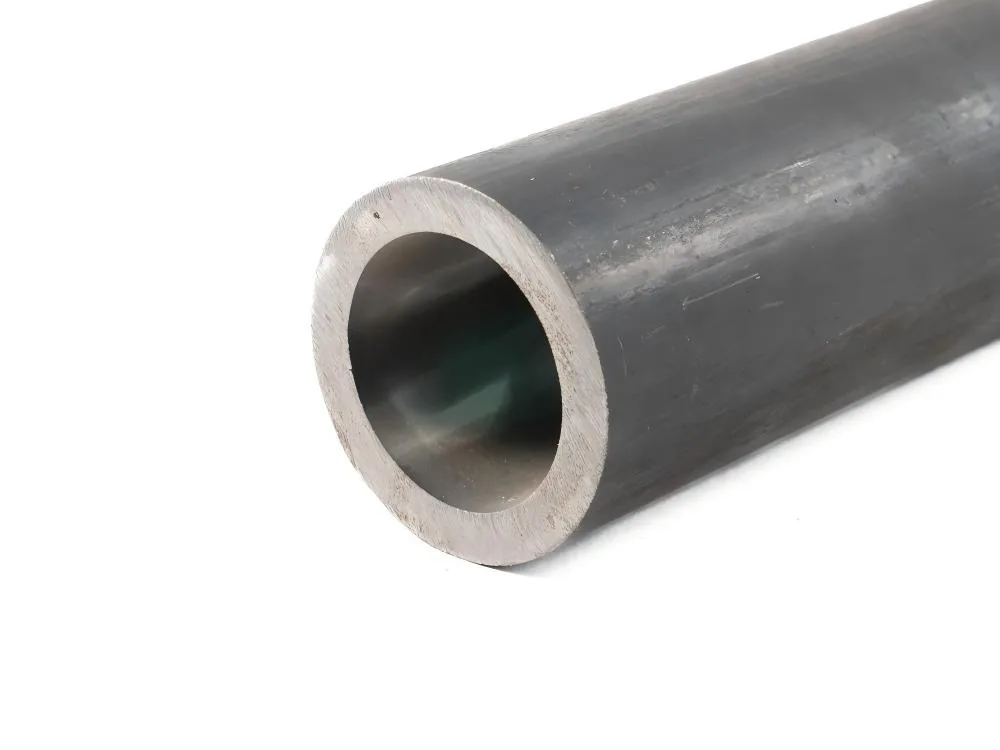
Dimension the finished condition
Coating buildup can change outside diameter, bore clearance, threads and the fit between telescoping parts. Drawings should distinguish substrate dimensions from final coated dimensions and identify masked or subsequently machined regions. Avoid assuming a fixed coating thickness for every tube. Agree how local buildup, drainage features, surface irregularities and repair areas will be evaluated against the functional assembly.
Review geometry and fabrication sequence
Hollow fabrications need a galvanizing review that covers venting, drainage, handling and the suitability of the steel and its condition. Material and process considerations can include distortion and embrittlement risks. These depend on the product and the complete fabrication route. Arrange the review with the galvanizer before welding closed sections or committing to a drawing that cannot be processed safely.
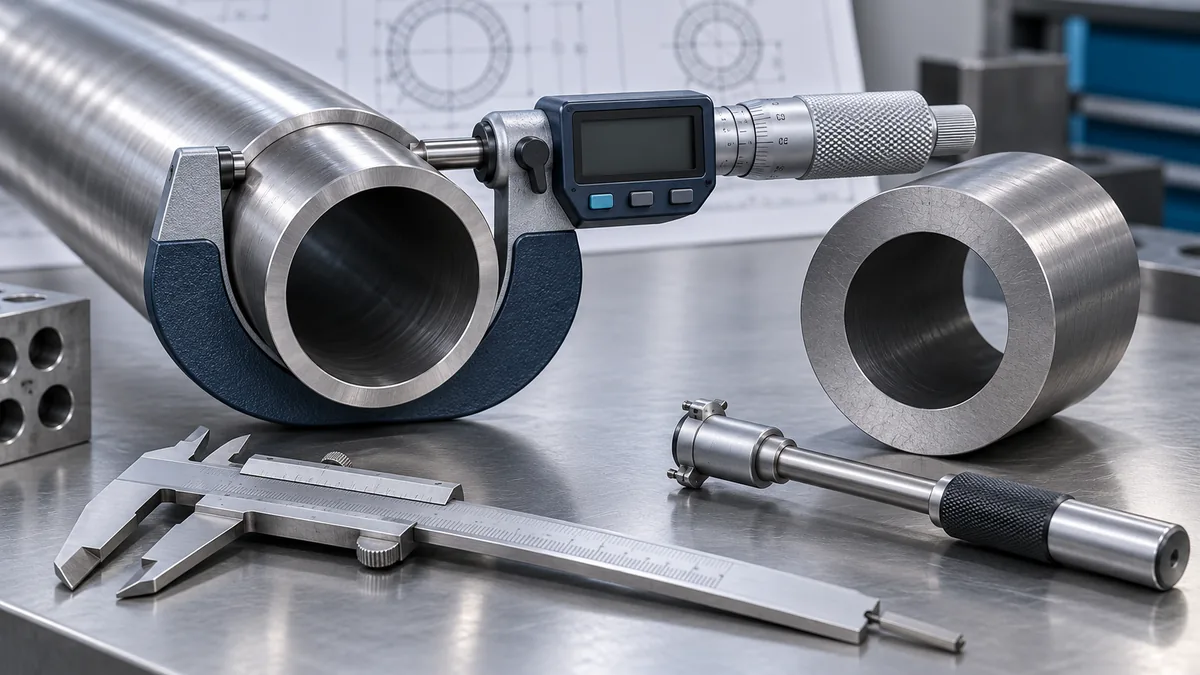
Inspect protection and function together
The inspection plan should address coating appearance, coverage, thickness or mass requirements, repairs and the dimensions important to assembly. A coating certificate does not demonstrate bore fit or thread engagement. If later cutting, welding or machining removes protection, define the required restoration process and inspection. Preserve traceability between substrate records, the galvanizing lot and final inspection results.
A practical specification review
A telescoping assembly can pass a fit check before coating and fail after galvanizing. Identify the finished mating clearances, the surfaces to be coated and the stage at which dimensions will be accepted. Have a representative coated sample measured before releasing the full batch, rather than assuming the substrate inspection will predict the final fit.
Information to confirm before accepting an offer
- Identify the component or supply item, its intended function and the controlled drawing or procedure revision.
- State applicable product and project documents, material or test requirements, dimensions and the condition in which acceptance is assessed.
- Define the required evidence, inspection responsibilities, identification, reporting format and handling of deviations.
- Confirm what the quotation includes, any subcontracted operations, preservation requirements and how proposed changes will be approved.
Resolve unclear requirements before manufacture or examination. Keep the accepted offer, approved deviations and release records together so that a repeat order can use the same technical basis.
Related technical guides
- Steel Pipe Corrosion Protection Methods for Precision Tube
- Steel Tube Surface Finishes: Pickled, Oiled, Polished and Coated
- Cutting Galvanized Steel: Methods, Safety and Edge Protection
Reference
American Galvanizers Association: venting and drainage. Use the edition and requirements applicable to the actual order; this guide does not reproduce or replace the governing documents.
For a tube inquiry, send the drawing, required material and acceptance requirements through the Tenjan contact page so the requested scope and any supply limitations can be reviewed.