DIN2391 ST52 Tube: Tolerances, Grades and Sourcing Checks
DIN2391 ST52 tube is not a commodity product, and treating it as one creates avoidable production problems.
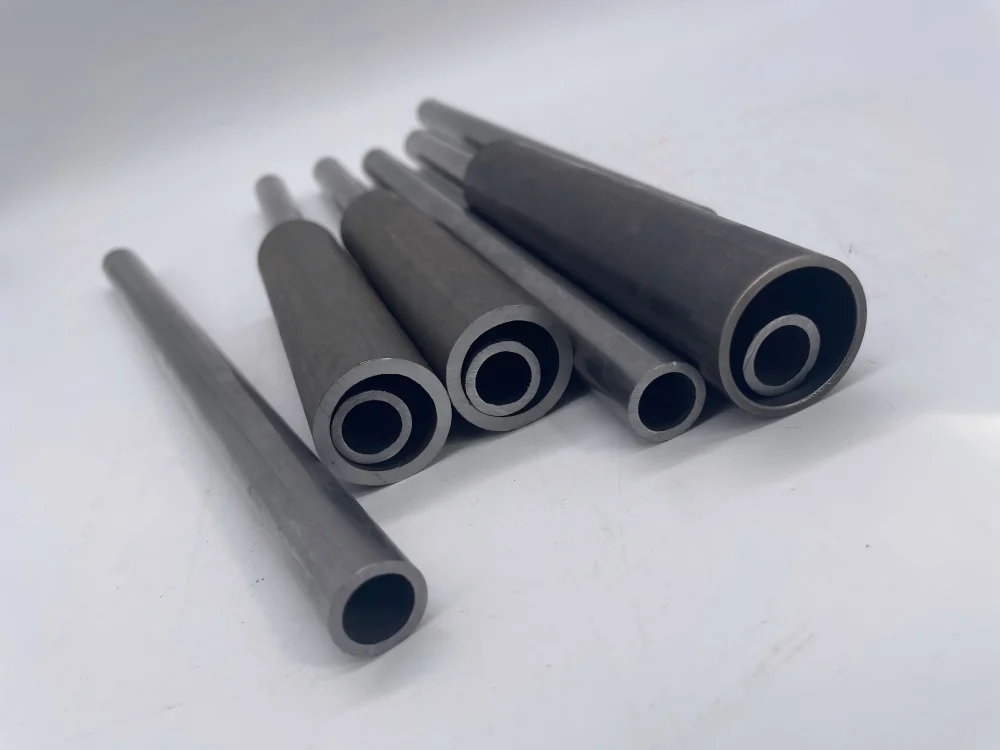
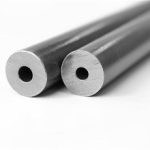
DIN2391 ST52 tube is not a commodity product, and treating it as one creates avoidable production problems. As a precision steel pipe engineer, I have seen purchasing teams order the right grade but the wrong delivery condition, then wonder why the tube sheared, ovalized, or moved during machining. The standard defines more than chemistry: it links tolerance, surface quality, and mechanical condition to how the tube will actually behave in a hydraulic cylinder or machined component. This guide explains what DIN2391 ST52 means at the mill level, which specifications to lock before ordering, and how to source it without paying for unnecessary requalification.
What Does the DIN2391 ST52 Designation Actually Mean?
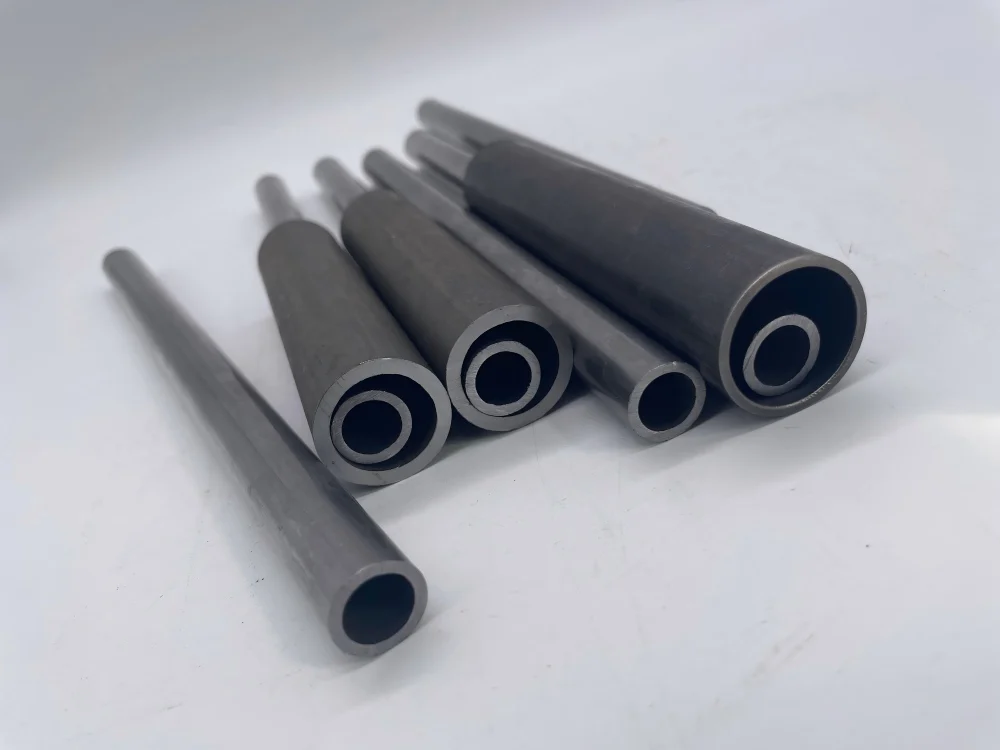
DIN2391 ST52 tube is the drawing shorthand that often outlives the standard itself. DIN 2391 Part 2 was the German delivery specification for seamless precision steel tubes, and ST52 was its high-strength non-alloy grade. In current terminology, the same product usually appears as E355 in EN 10305-1, but many RFQs still use the older designation because the drawing has not changed in twenty years.
Suppliers do not always interpret the old shorthand the same way. Some treat ST52 as a property target, others treat it as a loose family covering anything from structural S355 tube to cold-drawn precision tube. The gap matters: a structural tube can satisfy a tensile requirement on paper but miss the dimensional control that made the original engineer choose a precision product.
| Old designation | Current equivalent | Product type | Main control |
|---|---|---|---|
| DIN2391 ST52 | EN 10305-1 E355 | Seamless cold-drawn precision tube | Dimensional accuracy and delivery condition |
| S355JR | EN 10025-2 | Structural steel | Strength and weldability |
Why Does ST52 Material Behavior Matter in Hydraulic and Mechanical Tubes?
ST52 in a cold-drawn tube gives a useful combination of strength, weldability, and machinability. The mistake is assuming the grade alone governs the result. Two bars of DIN2391 ST52 tube with identical chemistry can behave quite differently on the shop floor if one arrives cold-drawn hard and the other arrives stress-relieved.
Cold drawing works the surface and leaves residual stress locked in the wall. Think of hard condition as a wound spring. When the machinist cuts a slot or a keyway, that stored energy releases, and the part can open up or bend by a few tenths. Stress relieving relaxes the spring before it reaches the machine. We have watched shops accept hard tube for a machined component because it was cheaper, only to lose the saving in rework.
The design requirement often references around 355 MPa minimum yield strength for this grade, but the actual mill certificate can exceed that depending on condition and wall thickness. The more practical question is what happens after cutting, welding, or honing. A stress-relieved tube is easier to machine and less likely to move when asymmetric features are added. For hydraulic cylinders and similar components, dimensional stability after machining matters as much as the tensile number.
Which Tolerances and Surface Conditions Should You Specify for DIN2391 ST52 Tube?
Tolerance calls on this product are not a single number. Outside diameter, wall, straightness, and ovality are separate line items, and each can be tighter or looser depending on the part. A typical cold-drawn precision tube range we run covers outer diameters from 10 to 108 mm and wall thicknesses from 1 to 20 mm, with wall tolerance held to ±0.1 mm on controlled runs. That repeatability is what lets a machinist hold a bore without leaving too much stock.
Surface condition is the next fork. Some applications want a clean cold-drawn finish; others need a honed bore or an internal coating such as zinc phosphate for corrosion resistance during storage. If the drawing only says DIN2391 ST52, the supplier has room to choose the cheapest surface that still meets the standard. That is not always a bad result, but it is not an engineering decision.
| Delivery condition | Residual stress level | Common use |
|---|---|---|
| Cold-drawn hard | Higher | Single-setup machining |
| Stress-relieved | Lower | Welding, multi-step machining |
| Annealed | Lowest | Forming, flaring |
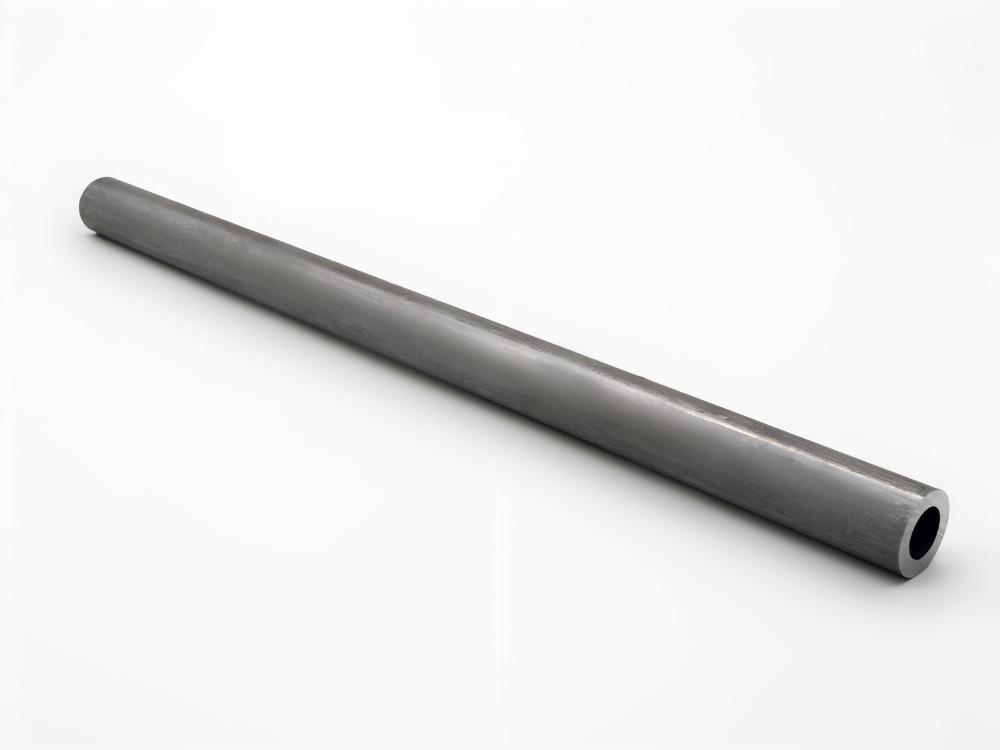
If your program involves thin-wall sections, slotting, or welding after delivery, it is worth confirming delivery condition and internal surface before finalizing your BOM. Send your part number and intended machining steps to Sunny@tenjan.com, and an engineer will confirm which condition fits the work.
How Do You Avoid Costly Requalification When Sourcing DIN2391 ST52 Tube?
The biggest avoidable cost in this product category is not the tube price. It is the delay of discovering that the material certificate only covers a parent heat, or that the dimensional checks were made on the wrong sample plan. Requalification happens when a buyer accepts a structural equivalent to keep the quote low.
Legacy drawings create genuine confusion. An engineer may write DIN2391 ST52 because the part was designed when that standard was current. A procurement system may then match it to a generic S355 structural product because the chemistry looks close. The two are not interchangeable for precision machined parts. One has controlled tolerances and traceability; the other is optimized for structural strength and weldability.
A precision tube supplier should verify the finished tube, not just the incoming bar. PMI (positive material identification) checks chemistry at the line, and NDT (nondestructive testing) such as eddy current or ultrasonic testing screens the wall for defects that might open up during machining. A 3.1 certificate from the tube manufacturer closes the loop from heat number to shipped length.
The long-term shift is toward EN 10305 language, but converting an entire BOM at once creates risk. We usually advise running both designations side by side for a transition period because drawings and quality systems change at different speeds.
What Should You Confirm Before Ordering DIN2391 ST52 Tube?
An RFQ that only says DIN2391 ST52, OD 50 x wall 5 mm, leaves several questions open. The fast way to a reliable quote is to close those gaps before the supplier has to ask.
Confirm outside diameter and wall tolerance, not just nominal size. Confirm delivery condition: hard, stress-relieved, or annealed. Confirm internal surface: standard cold-drawn, honed, or coated. Confirm the test certificate level, either EN 10204 3.1 or 3.2. Confirm cut length, end finish, packaging, and annual volume.
Send your part number, diameter, wall thickness, delivery condition, test certificate level, and quantity to Sunny@tenjan.com. You can also call +86 51988789990 or +86 13401309791, or use WhatsApp at +86 13401309791. One of our engineers will tell you whether DIN2391 ST52 or a current EN 10305 equivalent is the cleaner fit for the part.
Which Questions Do Buyers Ask About DIN2391 ST52 Tube?
Is DIN2391 ST52 the same as S355JR?
No. They sit in different product families. DIN2391 ST52 is a seamless cold-drawn precision tube grade with dimensional tolerances and delivery conditions designed for machined or hydraulic components. S355JR is a structural steel used for sections, plate, and welded structures. They can show similar yield strength on a certificate, but the tube product carries more dimensional control and is tested differently. If someone substitutes structural tube for a DIN2391 ST52 callout, the part may still weld and may still look right on the drawing, yet it can fail in a machined feature where straightness, ovality, or wall tolerance controls the result.
Can DIN2391 ST52 tube be welded?
Some shops avoid welding high-strength precision tube because they assume the cold work is disturbed by heat. That concern is valid for hard condition, not for the grade itself. DIN2391 ST52 tube is weldable, and stress-relieved tube is the sensible starting point when a welded joint is part of the design. If only hard tube is available, welding can release residual stress and pull the part out of shape. The fix is not a cheap welding procedure; it is specifying the right delivery condition before the tube ships.
Should I specify EN 10305 E355 instead of DIN2391 ST52?
It depends on where the specification lives. For a new design, use EN 10305-1 E355 because that is the current European standard and the supply chain is moving toward it. For a legacy drawing that still says DIN2391 ST52, keep that callout on the drawing and ask the supplier to certify to both, so the quality system does not force a drawing change before the part can ship. Avoid changing standards on the drawing and the BOM at the same time. That creates parallel documentation, and one of the two usually misses a revision.
What test certificate does a DIN2391 ST52 tube order need?
In the programs we support, a 3.1 material certificate covers most mechanical and machining applications because it reports actual heat chemistry and mechanical test results from the finished tube. A 3.2 certificate adds independent third-party verification and makes sense for safety-critical parts or when the end customer demands a witness test. If the tube will be honed, welded, or used in a hydraulic cylinder, add eddy current or ultrasonic testing to the order rather than asking only for chemistry. That inspection finds wall defects that a certificate alone cannot.
Does DIN2391 ST52 tube always come seamless?
The better question is whether the part needs seamless at all. DIN2391 ST52 started as a seamless precision tube specification, so a welded product under that callout is normally a mismatch. If the application can accept a welded precision product, EN 10305-2 is the appropriate route, and the savings can be real for lower-pressure machined parts. If the drawing says DIN2391, keep it seamless unless an engineer formally changes the callout. Share your part number and final operation, and we will confirm whether the drawing should stay seamless before you commit to a standard.
If you’re interested, check out these related articles:
How to Choose the Right Seamless Steel Tube
Heat Treated Steel Tube: What Engineers Need to Know
Carbon Steel vs Alloy Steel Tubes