How to Choose the Right Seamless Steel Tube
A practical framework for matching grade, process, dimensions and testing requirements to your application.
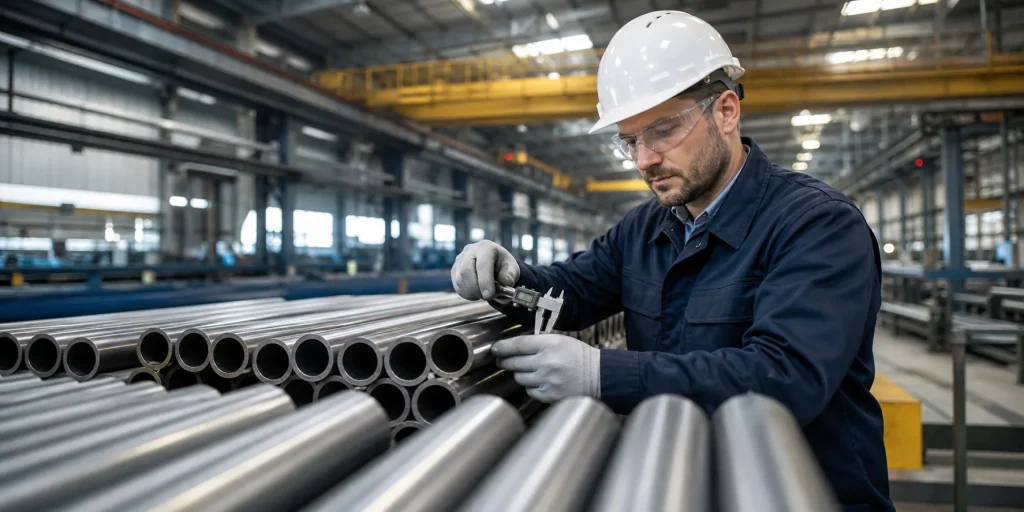
Selecting a seamless steel tube begins with the operating conditions, not the catalogue. Pressure, temperature, loading, corrosion risk and fabrication method all affect the correct material and production route.
Start with the application
Define the medium being carried, the expected load cycle and the environment. Structural parts typically prioritize strength and dimensional stability, while fluid systems require close attention to pressure rating, surface condition and inspection.
Confirm grade and standard
ASTM, EN, DIN, JIS and GB standards may describe similar products with different chemical, mechanical and testing requirements. Confirm the exact edition and any supplementary inspection before production.
Specify dimensions and tolerances
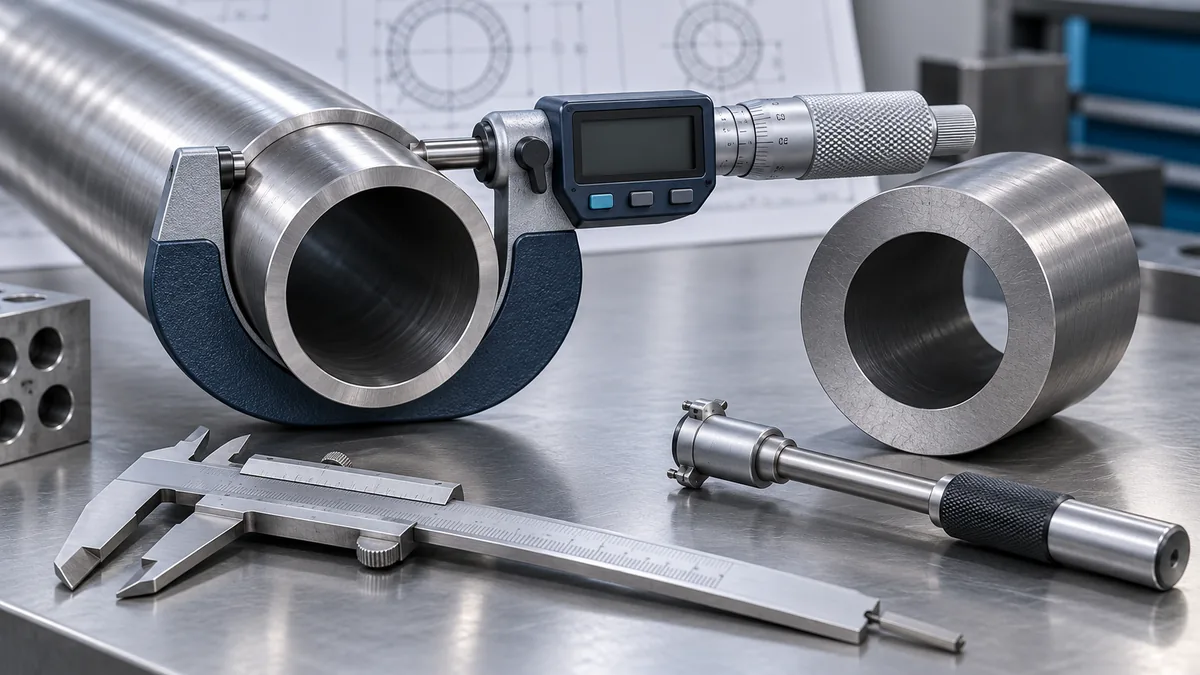
Provide outer diameter, wall thickness, length, straightness and surface requirements. For machined or cold-drawn parts, include the finished component tolerance so the manufacturing allowance can be planned correctly.
Build the requirement before comparing suppliers
A useful tube specification starts with the finished component and works backward. Record the design load, pressure or motion, operating temperature, fluid or atmosphere, target life and consequences of failure. Then identify every downstream operation: bending, flaring, welding, brazing, machining, plating or heat treatment. These details affect the grade, delivery condition, dimensional allowance and surface quality. A supplier can quote accurately only when the request distinguishes mandatory requirements from preferences.
Choose the manufacturing route
Hot-finished seamless tube is often appropriate when robust sections and broader tolerances are acceptable. Cold-drawn or cold-finished seamless tube is preferred when the part needs closer outside- or inside-diameter control, improved straightness, a smoother surface or less machining allowance. The choice should follow the drawing rather than a general belief that one route is always superior. Compare achievable tolerance, minimum production quantity, tooling, heat treatment and lead time together.
Match the material and delivery condition
Grade names alone do not define performance. The same steel can behave differently in an as-drawn, annealed, normalized, stress-relieved or quenched-and-tempered condition. Specify the standard, grade, edition and delivery condition, then state the required mechanical properties and any hardness limits. If an equivalent grade is proposed, compare chemistry, strength, toughness, weldability and heat-treatment requirements instead of relying on a cross-reference table.
Define dimensions that can be inspected
State outside diameter, inside diameter or wall thickness, length and the tolerance that controls each feature. Add ovality, eccentricity, straightness, end condition and surface limits when they affect assembly. For a machined part, show the final dimension and the machining allowance. Avoid applying the tightest tolerance to every feature: it increases processing time and cost without improving the function of non-critical surfaces.
Plan testing and documentation
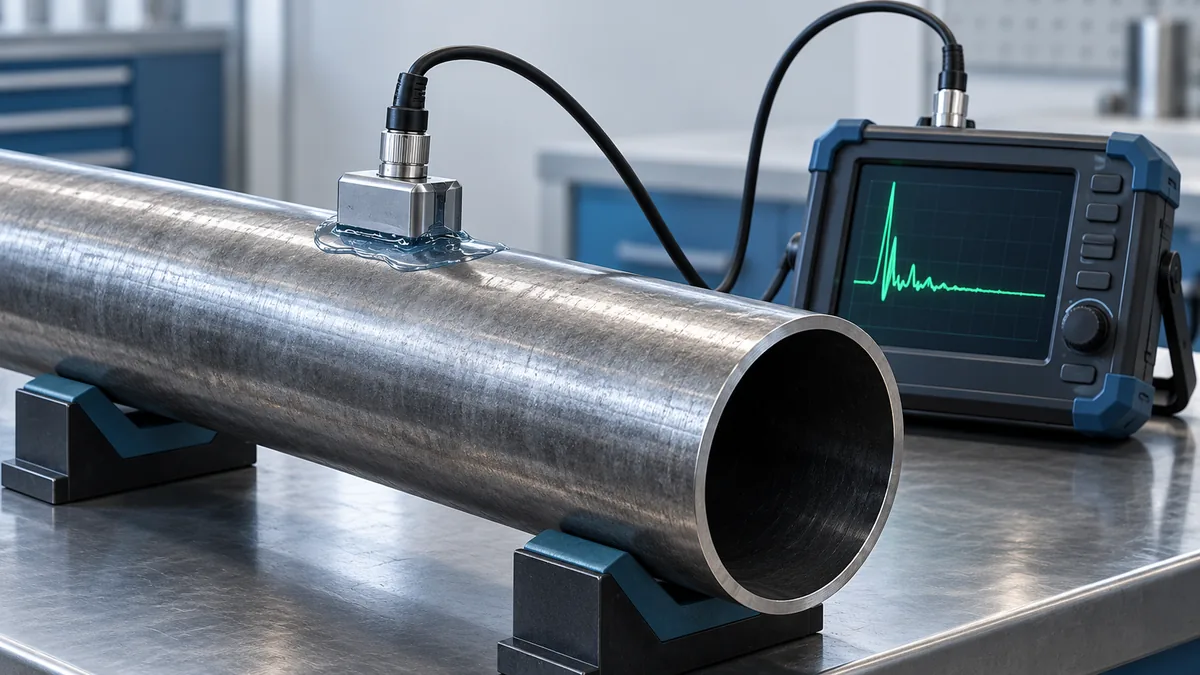
Inspection should match the risk. Common requirements include dimensional records, visual inspection, tensile or hardness results, chemical analysis, hydrostatic testing, eddy-current or ultrasonic examination and a material test certificate. State the required certificate type and whether third-party witnessing is needed before quotation. Critical acceptance criteria should appear on the purchase order, not in an email sent after production.
Use samples to reduce production risk
For a new component, request a sample or pilot lot and check fit, forming, machining and surface treatment under real production conditions. Record the approved sample and inspection method so the production lot is judged by the same criteria. A controlled sample stage is especially valuable for thin walls, unusual diameter-to-wall ratios and components with several downstream operations.
Seamless tube RFQ checklist
- Application and operating environment
- Standard, grade and delivery condition
- Outside diameter, wall or inside diameter, length and tolerances
- Straightness, ovality, surface and end requirements
- Heat treatment, machining and fabrication after delivery
- Inspection, certificate, marking and traceability requirements
- Quantity, packing, destination and required delivery date
Review available sizes on the steel tube products page, or send the completed requirement to Tenjan for a manufacturability review.
Frequently Asked Questions
Is seamless tube always stronger than welded tube?
No. Strength depends on grade, dimensions, heat treatment and applicable specification. Seamless construction removes the longitudinal weld, but the design should compare certified properties and service requirements rather than the manufacturing label alone.
Should an RFQ specify outside diameter and inside diameter?
Specify the dimensions that control function. Because outside diameter, inside diameter and wall thickness are related, adding tight tolerances to all three may be impractical. Identify the priority dimension and let the supplier confirm a compatible tolerance scheme.
When is a sample lot worthwhile?
Use a sample lot for a new grade, tight tolerance, thin wall, complex fabrication route or critical assembly. Validate machining, bending, welding, coating and final fit before releasing repeat production.