Why Steel Pipe Pickling Process Needs 6 Strict Controls
A precision steel tube can pass dimensional inspection and still fail in service because of a poorly controlled steel pipe pickling process.
A precision steel tube can pass dimensional inspection and still fail in service because of a poorly controlled steel pipe pickling process. Pickling is not a cleaning step. It is a controlled acid reaction that removes scale and oxide while preserving the base metal underneath. In cold drawn carbon and alloy tube, the line between clean enough and over-pickled is thin, often measured in microns. We treat pickling as a process variable with its own limits, not a standard bath time. This article explains the parameters we control and the defects we watch for.
What Does Steel Pipe Pickling Actually Do in Precision Tube Production?
Hot rolled or cold worked steel surfaces carry oxide, mill scale, and drawing compounds. These layers interfere with coating adhesion, weld quality, hydraulic sealing, and final surface inspection. In carbon steel, the oxide layer is not a single uniform film. It varies with grade, temperature history, and drawing lubricant. Pickling removes this layer by converting it into soluble metal salts, but the same acid also attacks the base steel once the scale is gone.
Pickling is a controlled corrosion reaction. Put steel in acid and the acid keeps working. It does not stop at the scale line, which is why “soak it a bit longer” is one of the most costly sentences in a precision tube shop. For a 10 mm OD precision tube with a 1 mm wall, an uncontrolled extra immersion can remove metal that the drawing process worked hard to hold. The goal is complete scale removal with the smallest possible dimensional loss and a uniform surface for the next step, whether that is annealing, cold drawing, honing, coating, or welding.
Which Acid and Parameter Choices Control the Steel Pipe Pickling Process?
Most industrial carbon steel pickling uses hydrochloric acid or sulfuric acid. Hydrochloric acid acts faster at lower temperature and produces soluble chlorides that rinse away easily. Sulfuric acid can be economical in large-volume operations, but it is more aggressive at higher temperatures and more likely to attack the base steel after scale removal. For precision tube with tight dimensional control, we favor hydrochloric acid with an inhibitor package because the reaction window is easier to hold.
Concentration, temperature, and bath age matter as much as acid choice. A fresh hydrochloric acid solution at ambient temperature behaves differently from a partly depleted solution running hot with dissolved iron building up. We sample the bath, not just the timer. When iron content climbs, the same nominal immersion time can still leave scale because the acid has lost active strength. The bath must be replenished or the cycle adjusted. ASTM, EN, DIN, and JIS standards set final surface and dimensional requirements, but they rarely prescribe the exact acid concentration or immersion time. That is why two suppliers can both claim standards compliance and produce different surfaces.
What Six Controls Make the Steel Pipe Pickling Process Repeatable?
Six controls keep pickling consistent from batch to batch. They separate a surface that passes from a surface that only looks acceptable.
| Control | What It Affects | What We Watch |
|---|---|---|
| Acid type and concentration | Scale removal speed and base steel attack | Hydrochloric acid, concentration range matched to grade |
| Bath temperature | Reaction rate and over-pickling risk | Upper limit set for each acid and wall thickness |
| Inhibitor addition | Base metal protection after scale is gone | Inhibitor concentration checked each shift, not each week |
| Immersion time | Dimensional loss and surface finish | Time window that stops before base metal attack |
| Rinse and neutralization | Chloride residue and flash rust | Rinse sequence runs immediately after pickling |
| Post-pickling inspection | Surface continuity, pitting, OD loss | Visual check plus micrometer on critical dimensions |
If your program runs high-silicon or cold-drawn tube with tight OD tolerances, confirm the pickling time and inhibitor chemistry against the exact steel grade before accepting a supplier’s standard cycle. Send the grade and surface specification to Sunny@tenjan.com and we will check what parameters we would run.
Where Does the Steel Pipe Pickling Process Go Wrong After Cold Drawing?
Over-pickling is the failure we see most often when someone treats pickling as a fixed soak. The acid removes scale first, but once the scale is gone it begins to roughen grain boundaries and open micro-pits. On a cold drawn tube, this shows up as a dull gray surface, scattered pitting, and OD or wall loss beyond the allowed tolerance. A 0.1 mm wall loss may not sound like much until the tube is honed or threaded and the remaining wall no longer supports the pressure calculation.
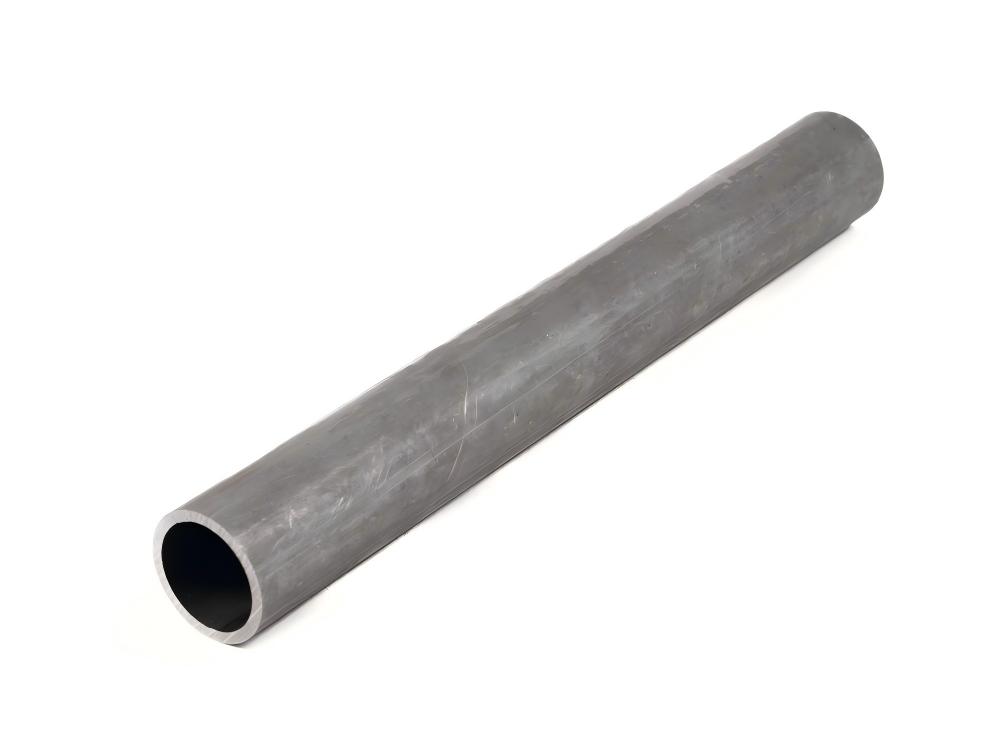
Under-pickling is quieter. It leaves islands of scale that pass a quick visual check but fail later. Coating can lift, a weld can carry oxide into the joint, or a hydraulic cylinder tube can show contamination after honing. Hydrogen embrittlement sits in a third category. High-strength alloy grades can absorb hydrogen during acid pickling, especially when the acid attacks bare steel after scale removal. An inhibitor and a controlled time window reduce that risk. For some high-strength grades, a post-pickling bake becomes part of the cycle even when the drawing route did not call for it.
How Should Specifiers Communicate Pickling Requirements?
Most request for quotation documents name a grade and a surface condition and stop there. That is where pickling problems hide. A request for “pickled and oiled” does not tell a supplier which acid, which inhibitor, which tolerance band, or which downstream operation the tube must survive.
The same pickling cycle can be right for a low-carbon structural tube and wrong for a high-strength cold drawn hydraulic tube. Three pieces of information matter more than the drawing word count: the exact steel grade and heat treatment condition, the final surface roughness or coating requirement, and the downstream operation, whether threading, bending, coating, honing, or welding. With those three, a supplier can fix the pickling parameters instead of guessing.
Send your part number, grade, and downstream operation to Sunny@tenjan.com or call +86 51988789990 or +86 13401309791. We will confirm a pickling cycle and the tolerance band before your order is finalized.
What Do Buyers Ask About the Steel Pipe Pickling Process?
Does pickling make a steel pipe corrosion proof by itself?
No. Pickling removes existing scale and oxide but does not create a long-term corrosion barrier. A freshly pickled carbon steel surface will begin to flash rust quickly unless it is neutralized, dried, and protected with oil, phosphate, coating, or controlled packaging. On precision tube, we apply a short-term rust preventive after the rinse to protect the surface during transport and storage. The protective step has to match the downstream operation. A heavy oil that is fine for structural tube can be unwelcome in a hydraulic cylinder bore. Confirm the required preservation with the final process, not with the pickling line alone.
Is over-pickling just a surface discoloration issue?
It is easy to treat over-pickling as a cosmetic problem, but the dimensional effect is the real risk. When acid removes base steel after the scale is gone, it reduces wall thickness and can open micro-pits that act as stress risers. On cold drawn tube with a 0.1 mm precision band, over-pickling can push a dimension outside tolerance and make the part unusable before it reaches machining. The surface may still look acceptable under shop lighting. That is why we measure, not just look. If the drawing gives a tight wall or OD tolerance, ask the supplier for the pickling time window and post-pickling measurement plan.
How do I choose between pickling, shot blasting, and pickling plus oil?
It depends on the scale condition, the grade, and the next operation. Shot blasting removes heavy scale mechanically and avoids acid exposure, but it can embed particles and alter surface texture. Acid pickling removes thin oxide and drawing residue more uniformly and is often the better fit for precision tube before cold drawing or coating. Pickling plus oil is a storage and transport treatment, not a final surface for adhesive bonding or painting without further cleaning. For hydraulic or honed tube, specify the final surface after machining because oil residue must be removed. When the downstream step involves a weld, ask whether the pickling residue has been neutralized completely.
What does a controlled steel pipe pickling process look like in practice?
In the cold drawn tube work we run, a controlled steel pipe pickling process means a logged bath, a defined temperature band, a measured inhibitor dose, and a fixed time window for each grade. We sample the acid and inspect the first piece from every batch before releasing the rest. The record is not paper theater. If a surface condition fails later, we can trace which bath and which operator processed that lot. The specific detail that matters in practice is the handoff between pickling and rinsing. A delay there causes flash rust that no certificate can fix. If your supplier cannot describe that handoff, ask them to walk you through it. Share your surface requirement at Sunny@tenjan.com and we will confirm what our cycle would look like for your grade.
If you’re interested, check out these related articles:
How to Choose the Right Seamless Steel Tube
Carbon Steel vs Alloy Steel Tubes