ASTM A213 Tubes: Grade and Service Selection
Review astm a213 tubes. Check scope, material condition, inspection evidence and ordering details before accepting a supplier quotation.
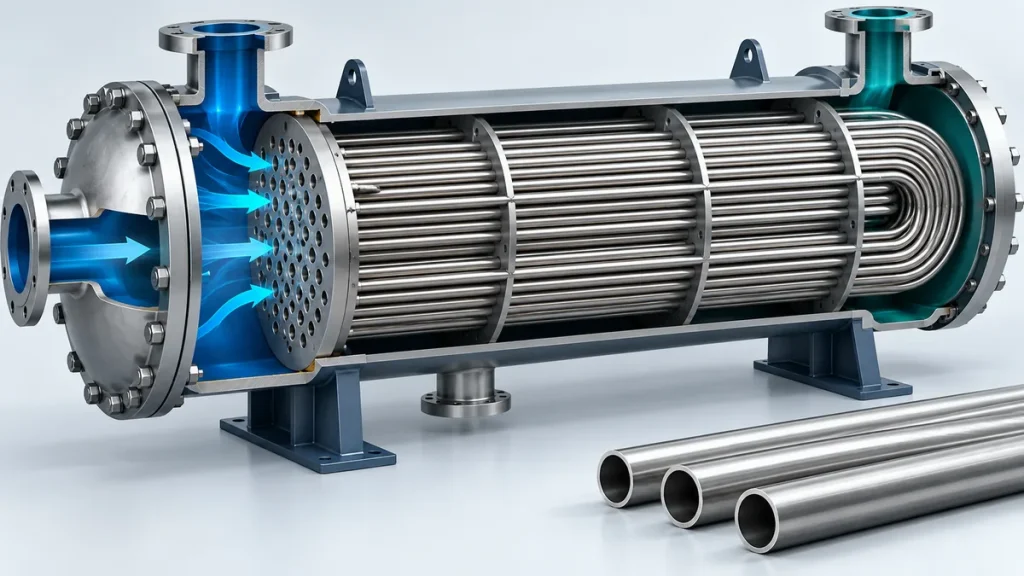
ASTM A213 covers seamless ferritic and austenitic alloy-steel boiler, superheater and heat-exchanger tubes.
Understand the product scope
It includes material families with different chemical and heat-treatment requirements. It should not be described as a specification in which every tube has the same chromium-molybdenum chemistry or is supplied through one universal treatment route. Identify the actual grade and ordered condition when comparing quotations.
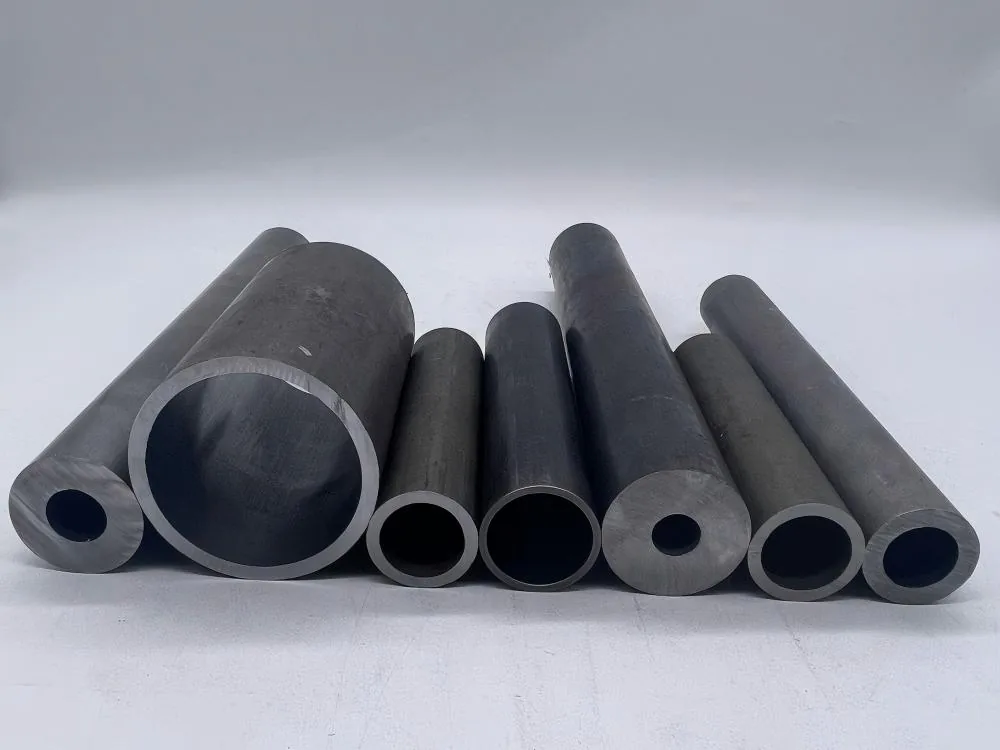
Select from the equipment design
Metal temperature, internal and external media, pressure, thermal cycling, corrosion and fabrication all affect selection. The approved construction rules provide the applicable design framework; the product standard does not supply a universal allowable operating condition. Grades such as T11, T22 and higher-alloy alternatives require a design-based comparison. A general application list cannot establish their suitability for a particular process stream.
Keep tube geometry and joints in the review
Specify outside diameter, the wall-thickness basis, tolerance requirements, length and the surface condition needed by the equipment. Tube-sheet joints, bends and support details can impose additional requirements. The manufacturing and fabrication route must preserve the properties and geometry required by the order. Any proposed change in grade or delivery condition should be reviewed together with joining and inspection requirements.
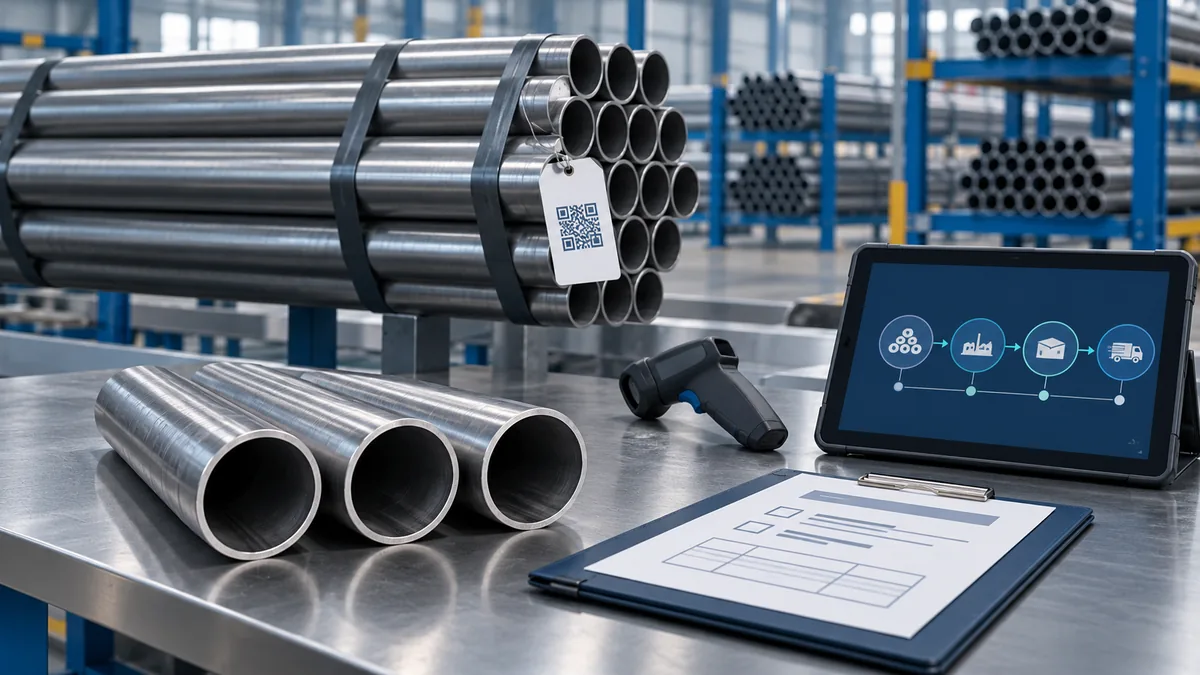
Order a grade-specific release package
List the material certificate, identification, dimensional inspection and the tests required by the applicable product and project documents. The required examination method, acceptance criteria and any witnessing should be clear before manufacturing. Do not assume that requesting a certificate automatically orders every available non-destructive test. Keep records connected to the material through cutting, bending, installation and future replacement purchases.
A practical specification review
A heat-exchanger inquiry that lists only A213 can produce quotations for different grades or wall-thickness bases. Separate each approved material item, then state grade, dimensions, condition, length, examination and documentation requirements. Compare deviations explicitly; an apparently lower price is not comparable if it changes the product the equipment designer selected.
Information to confirm before accepting an offer
- Identify the component or supply item, its intended function and the controlled drawing or procedure revision.
- State applicable product and project documents, material or test requirements, dimensions and the condition in which acceptance is assessed.
- Define the required evidence, inspection responsibilities, identification, reporting format and handling of deviations.
- Confirm what the quotation includes, any subcontracted operations, preservation requirements and how proposed changes will be approved.
Resolve unclear requirements before manufacture or examination. Keep the accepted offer, approved deviations and release records together so that a repeat order can use the same technical basis.
Related technical guides
- ASTM A213 T11 Tubes: Service Conditions and Ordering Requirements
- Steel Tubes for Heat Exchangers: Material and Inspection Requirements
- Seamless Boiler Tube Selection: Service, Standards and Inspection
Reference
ASTM A213 tube specification. Use the edition and requirements applicable to the actual order; this guide does not reproduce or replace the governing documents.
For a tube inquiry, send the drawing, required material and acceptance requirements through the Tenjan contact page so the requested scope and any supply limitations can be reviewed.