ASTM A333 Pipe: Low-Temperature and Toughness Requirements
Review astm a333 pipe. Check scope, material condition, inspection evidence and ordering details before accepting a supplier quotation.
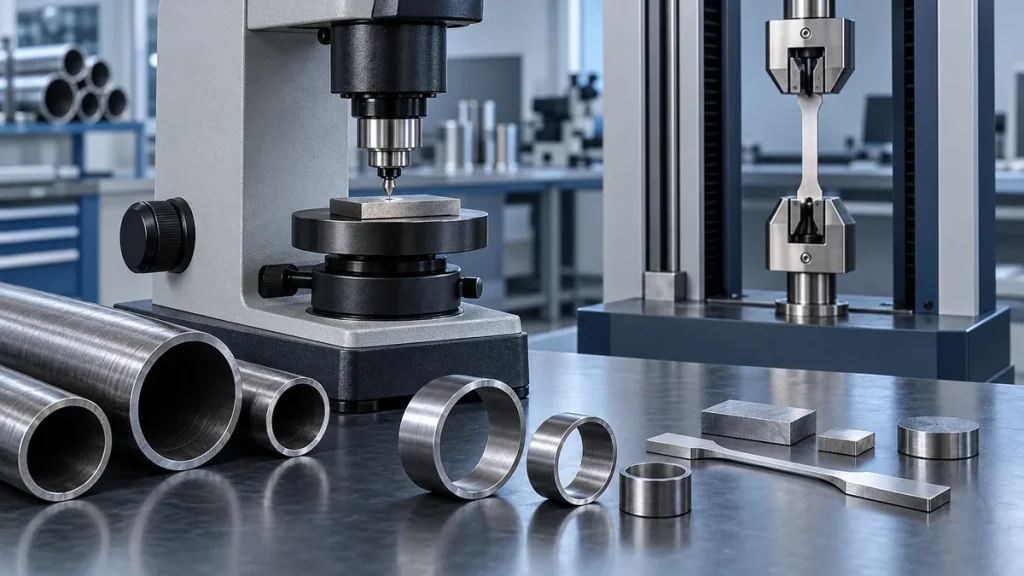
ASTM A333 covers seamless and welded carbon and alloy steel pipe for low-temperature service and other applications requiring notch toughness.
Understand the toughness-related scope
Its grades are not one interchangeable material family with a single service-temperature limit. Identify the particular grade, applicable edition, dimensions and condition. The design rules and service requirements decide which material and testing provisions apply to the proposed equipment.
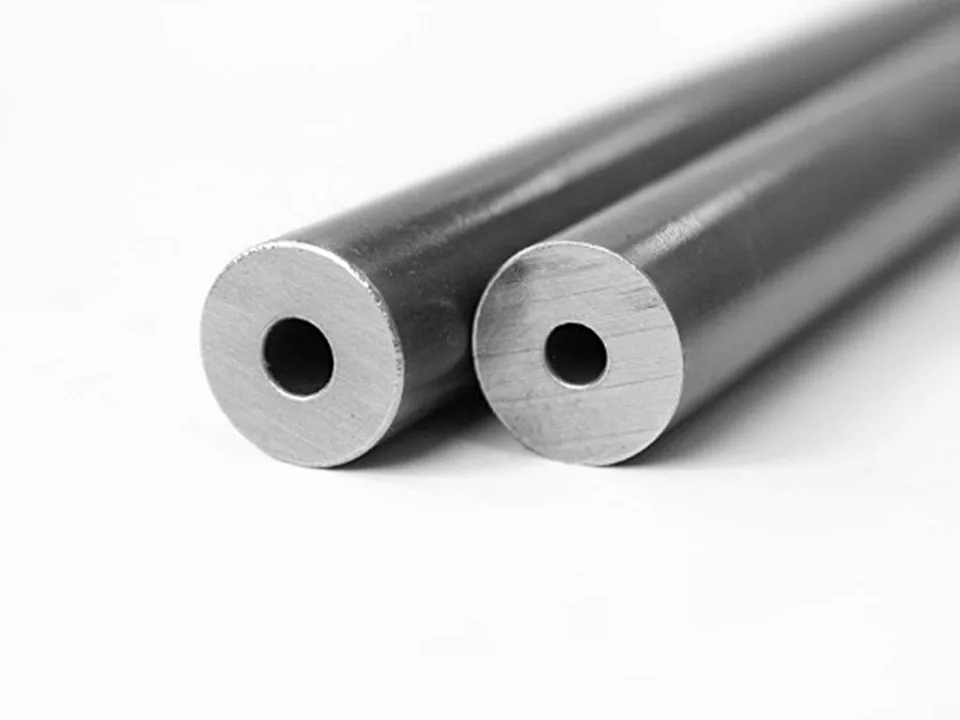
Treat impact evidence carefully
Impact testing requirements involve more than a pass statement. Specimen dimensions, orientation, sampling, test temperature and applicable acceptance provisions affect interpretation. Follow the selected product and design documents, including any permitted provisions for the product size. A Charpy result supports the required material acceptance; it is not a universal fracture-safety guarantee or proof that every A333 grade is suitable for every cryogenic fluid.
Review fabrication and component compatibility
Welding, forming and later treatment can change the delivered material condition. Joining consumables, fittings and fabrication procedures need compatible qualification under the equipment requirements. Do not substitute a higher-strength pipe solely because its room-temperature tensile result appears attractive. The complete pressure boundary and its fabrication history must meet the approved design, including the required toughness-related evidence.
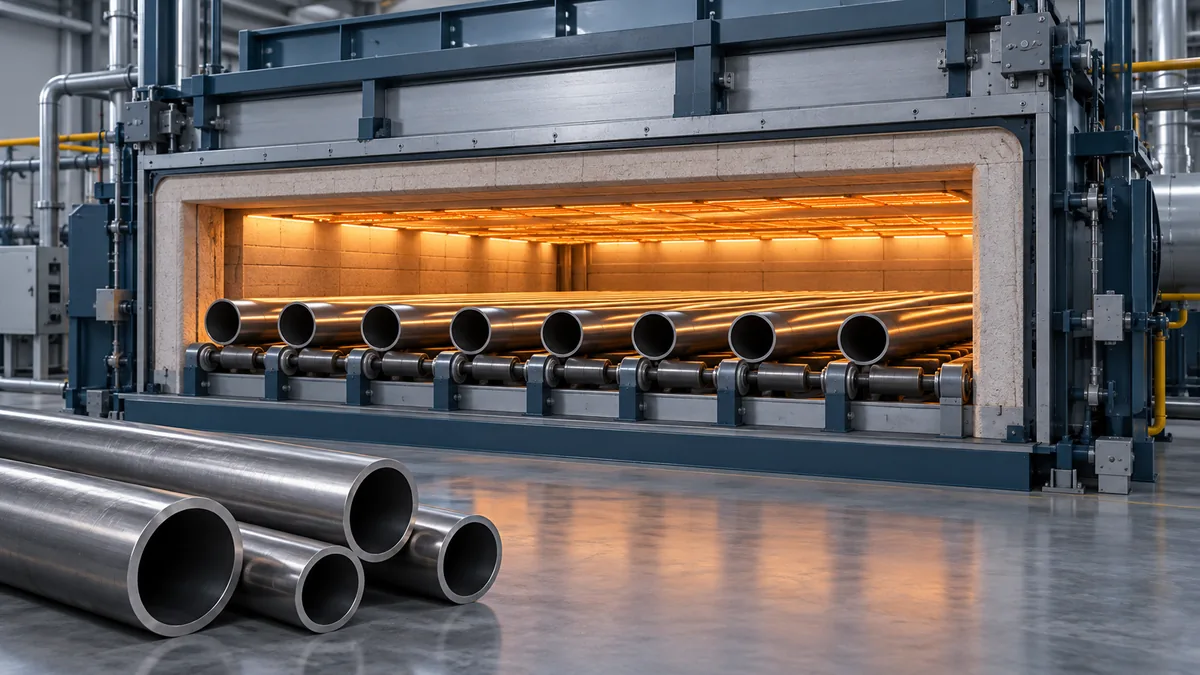
Release a traceable, grade-specific product
Order the required identification, certificate, condition and examination records along with dimensional acceptance. Confirm how the actual test unit relates to the delivered heat and size. Keep the identity intact through storage, cutting and fabrication. If the source or condition changes, review the effect on the approved material basis rather than assuming the shortened A333 description resolves all differences.
A practical specification review
If a replacement pipe is offered with a different A333 grade or test basis, compare the complete toughness-related requirements before acceptance. Retain the specimen and test information needed by the governing documents. A statement that both products are for low temperature does not demonstrate that they satisfy the same equipment design.
Information to confirm before accepting an offer
- Identify the component or supply item, its intended function and the controlled drawing or procedure revision.
- State applicable product and project documents, material or test requirements, dimensions and the condition in which acceptance is assessed.
- Define the required evidence, inspection responsibilities, identification, reporting format and handling of deviations.
- Confirm what the quotation includes, any subcontracted operations, preservation requirements and how proposed changes will be approved.
Resolve unclear requirements before manufacture or examination. Keep the accepted offer, approved deviations and release records together so that a repeat order can use the same technical basis.
Related technical guides
- Selecting Steel Pipes for Pressure Vessels: Material, Standards, and Key Considerations
- EN 10216 Seamless Pressure Tubes: Scope, Grades and Ordering
- Steel Tube Mechanical Properties: Yield, Tensile Strength and Ductility
Reference
ASTM A333 product scope. Use the edition and requirements applicable to the actual order; this guide does not reproduce or replace the governing documents.
For a tube inquiry, send the drawing, required material and acceptance requirements through the Tenjan contact page so the requested scope and any supply limitations can be reviewed.