ASTM A500 Structural Tubing: Shapes and Acceptance
Review astm a500 structural tubing. Check scope, material condition, inspection evidence and ordering details before accepting a supplier quotation.
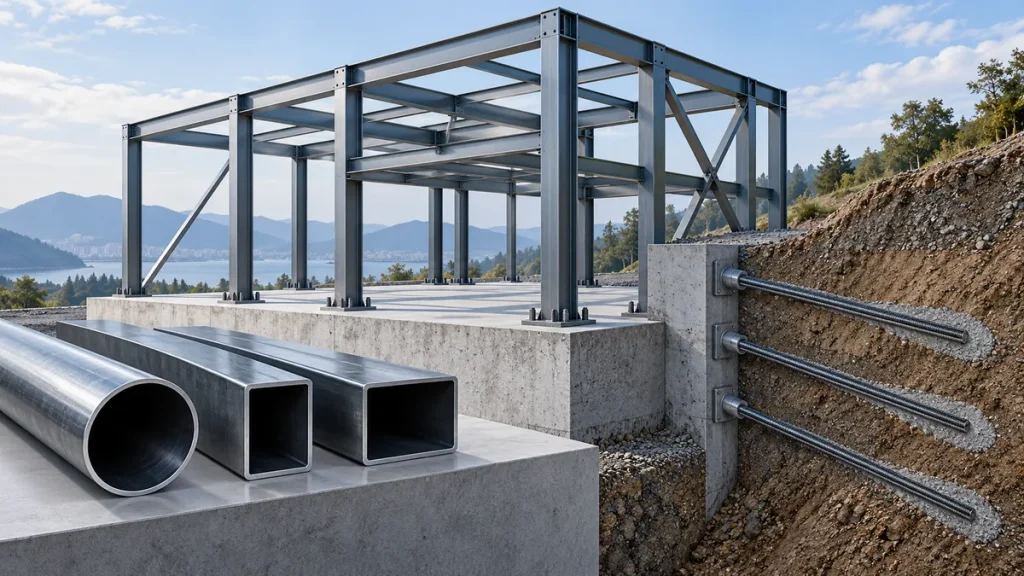
ASTM A500 addresses cold-formed welded and seamless carbon steel structural tubing in rounds and shapes.
Use the structural product scope
The standard designation should not be used as a promise that all products are seamless or cold-drawn precision tubes. State the actual grade, section and applicable edition. The structural designer's requirements and connection details determine whether a proposed supply item is acceptable to the project.
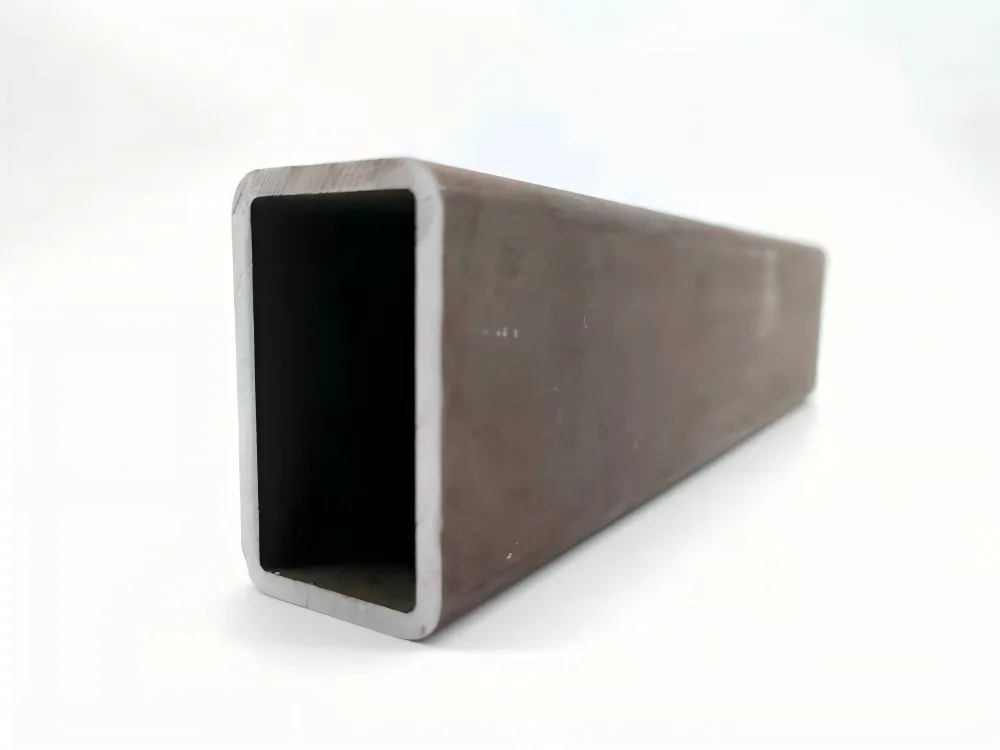
Specify the entire section
The outside dimensions, wall-thickness basis, length and relevant geometric tolerances belong in the order. For shaped sections, corners and the distribution of material can affect clearance, connection details and section properties. Do not calculate a finished assembly fit from nominal outside dimensions alone. Distinguish published design section properties from approximate mass calculations and use the design basis approved for the structure.
Review fabrication with the material
Cutting, drilling, welding, coating and handling all affect how a structural hollow section becomes a finished member. The required delivery condition and any additional project requirements need to be agreed before manufacture. A request for a tighter fit or unusual profile may call for a different product or a formal review. It should not be assumed to remain a standard interchangeable A500 item.
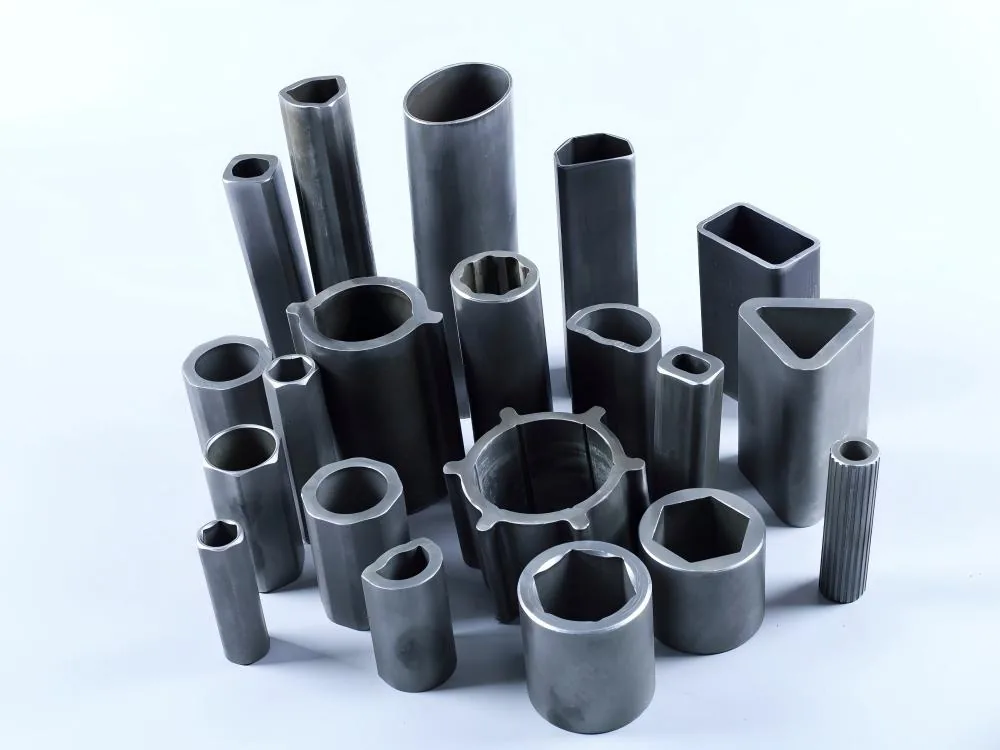
Define acceptance and substitution controls
Request the required material evidence, identification and dimensional inspection. Add project-specific examination or witnessing only where it is actually required and agreed. A structural tube is not automatically qualified as a pressure-system component. Likewise, mechanical tubing with similar dimensions is not an automatic structural replacement. Record approved substitutions with the responsible designer and preserve the documentation through fabrication and erection.
A practical specification review
A fabricated frame may depend on both the section's approved properties and the space available at a welded connection. Review the delivered section dimensions and corner geometry alongside the connection drawing. A material certificate cannot by itself establish that an unexpectedly different profile will fit the assembly or preserve the designer's connection assumptions.
Information to confirm before accepting an offer
- Identify the component or supply item, its intended function and the controlled drawing or procedure revision.
- State applicable product and project documents, material or test requirements, dimensions and the condition in which acceptance is assessed.
- Define the required evidence, inspection responsibilities, identification, reporting format and handling of deviations.
- Confirm what the quotation includes, any subcontracted operations, preservation requirements and how proposed changes will be approved.
Resolve unclear requirements before manufacture or examination. Keep the accepted offer, approved deviations and release records together so that a repeat order can use the same technical basis.
Related technical guides
- Structural vs Mechanical Tubing: Standards, Uses and Selection
- Square Steel Tube Sizes: Dimensions, Wall Thickness and Standards
- Steel Tubes for Construction Applications: Selection Guide
Reference
ASTM A500 structural tubing scope. Use the edition and requirements applicable to the actual order; this guide does not reproduce or replace the governing documents.
For a tube inquiry, send the drawing, required material and acceptance requirements through the Tenjan contact page so the requested scope and any supply limitations can be reviewed.