Hydrostatic Testing of Steel Pipes: Specification and Records
Review hydrostatic testing of steel pipes. Check scope, material condition, inspection evidence and ordering details before accepting a supplier quotation.
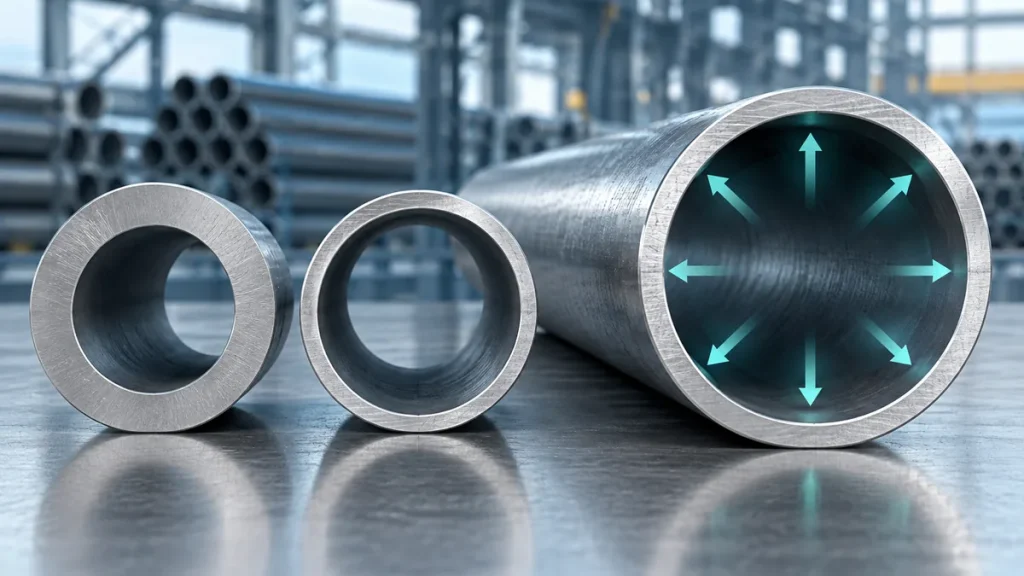
A product hydrostatic test and a completed-system pressure test have different boundaries and requirements.
Separate mill and system tests
Determine which test the order concerns and which specification controls it. A passed test provides evidence under its specified conditions; it does not predict a universal service life, certify every possible defect or establish a design pressure for an installation outside those requirements.
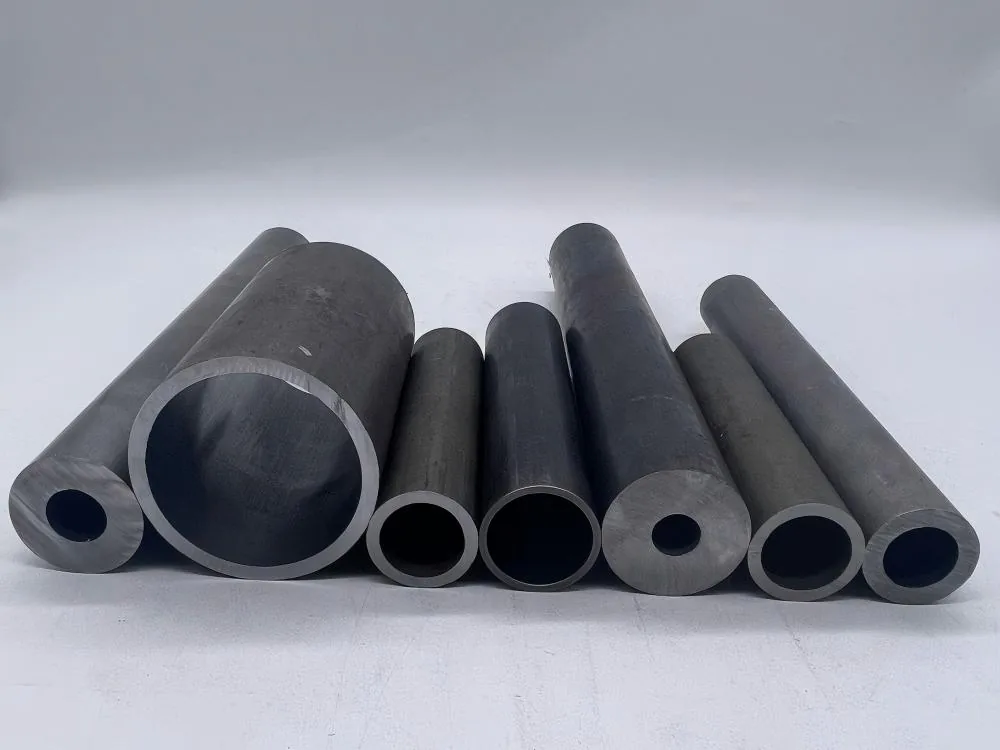
Use an approved test plan
The responsible qualified organization should define the test boundary, medium, equipment ratings, pressure basis, duration, acceptance criteria and safety controls under the governing requirements. This article does not provide a generic pressure multiplier or operating sequence. Trapped gas, temporary closures, restraints and pressure equipment can create serious hazards, so a material purchase description is not a substitute for a reviewed test procedure.
Agree what acceptance means
Identify whether the required result concerns leakage, pressure behavior, visible condition or other criteria in the applicable documents. Temperature changes, instrument performance and the defined test arrangement can affect interpretation. Do not assign an arbitrary allowable pressure drop across unrelated products. An unsuccessful or ambiguous result should trigger the specified disposition and investigation process rather than an informal repeat at a convenient lower pressure.
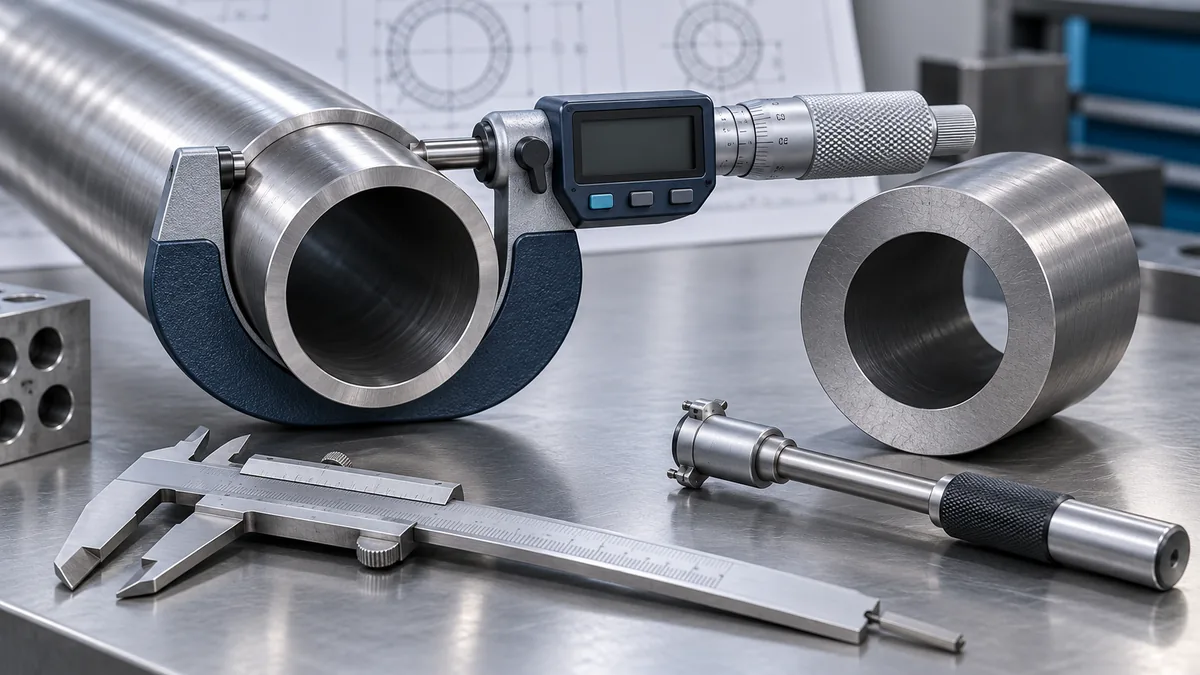
Retain a useful record
A test record should connect product or assembly identity, the governing procedure, instrument identification and calibration status, test conditions, results and responsible validation. Include repair and retest history where applicable. Required non-destructive examination remains a separate part of acceptance unless the specification explicitly permits an alternative. After testing, the agreed cleaning, drying and preservation requirements also matter to delivery quality.
A practical specification review
A purchase order might request proof of a mill pressure test while the fabricator also needs a later assembly test. Keep the boundaries and records separate. The mill's certificate cannot demonstrate the integrity of joints that did not yet exist, and the assembly test does not erase missing material identification or required product examination.
Information to confirm before accepting an offer
- Identify the component or supply item, its intended function and the controlled drawing or procedure revision.
- State applicable product and project documents, material or test requirements, dimensions and the condition in which acceptance is assessed.
- Define the required evidence, inspection responsibilities, identification, reporting format and handling of deviations.
- Confirm what the quotation includes, any subcontracted operations, preservation requirements and how proposed changes will be approved.
Resolve unclear requirements before manufacture or examination. Keep the accepted offer, approved deviations and release records together so that a repeat order can use the same technical basis.
Related technical guides
- How Steel Tubes Carry Pressure: Wall Thickness and Design Limits
- NDT for Steel Tubes: Methods and Inspection Requirements
- Quality Assurance in Steel Tube Procurement: A Verification Guide
For a tube inquiry, send the drawing, required material and acceptance requirements through the Tenjan contact page so the requested scope and any supply limitations can be reviewed.