Talent Development in Steel: Skills for Precision Manufacturing
Talent development in the steel industry is not a training department add-on. In precision tube work, it is the control system that decides whether a mill holds tolerances repeatedly or only passes inspection by chance. Cold…
Talent development in the steel industry is not a training department add-on. In precision tube work, it is the control system that decides whether a mill holds tolerances repeatedly or only passes inspection by chance. Cold drawing, cold rolling, heat treatment, and non-destructive testing depend on people who can read a process trend, interpret a standard, and act before a small variation becomes a rejected lot. A plant that treats that knowledge as individual experience becomes fragile when an experienced operator retires or moves. This article explains how to build and transfer the specific skills that keep steel tube quality stable.
Why Talent Development Is a Process Control Issue
Skilled people are the feedback loop between the process and the product. A cold drawn tube can be within tolerance on one measurement while another section is drifting because the die is wearing, the material hardness has changed, or the lubrication is breaking down. A trained technician recognizes which variable the evidence points to and adjusts the process rather than only sorting the output. That ability is not a personality trait. It is built by repeated exposure to the same equipment, materials, failure modes, and standards, with an experienced colleague correcting the diagnosis.
When a company does not develop that skill, it relies on inspection to catch problems after they are made. That is slower, more expensive, and less reliable than preventing the problem at the point of control. A vertically integrated mill may have excellent raw material and an advanced inspection line, but the knowledge transfer between the drawing line, heat treatment, and final inspection still depends on experienced people.
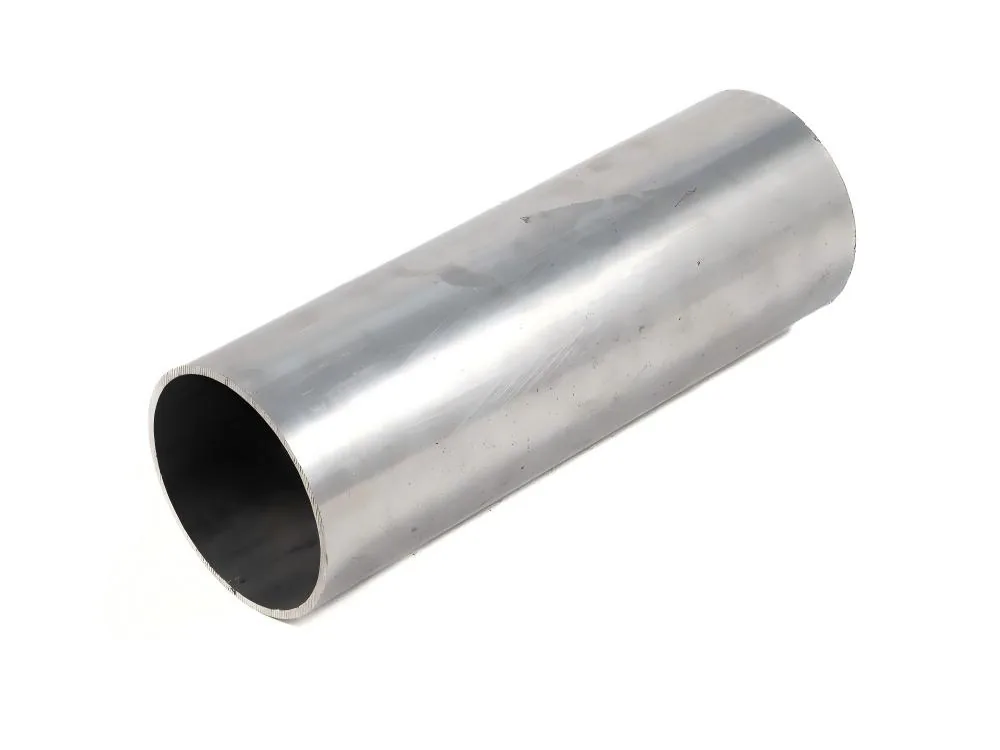
A vertically integrated setup makes this specificity easier. When the same organization sees raw material, cold drawing, heat treatment, and final inspection, it can train people on the actual die, mandrel, and material combination rather than a generic metalworking course. Tenjan’s full process control from raw material to finished product is an example of that ownership.
The Skills That Keep Cold Drawn Tube Production Stable
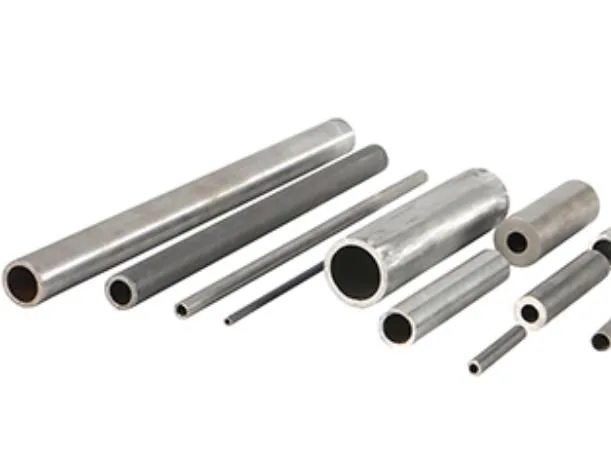
Cold drawing and cold rolling are not just shaping operations. They set dimensional accuracy, surface finish, and mechanical properties. A skilled operator watches reduction, tool condition, lubrication, and dimensional trend as one connected system. A gradual increase in outside diameter may point to die wear, while a change in hardness across the batch may point to incoming material variation. The same symptom can have different causes, and the corrective action is different.
Standards work adds another layer. A tube sold to EN 10305-1, DIN 2391, JIS G3445, or ASTM A519 may need a different tolerance framework, test requirement, or documentation path. Talent development means building enough working familiarity with these standards that people do not simply copy a previous specification and hope it fits.
Heat treatment adds yet another layer. A normalized tube is processed to refine grain structure and improve mechanical consistency. A stress-relieved tube is processed to reduce residual stress from cold work. A technician who cannot distinguish those purposes may select the wrong follow-up process for a customer’s machining or welding operation.
Where Skill Gaps First Appear in Precision Tube Work
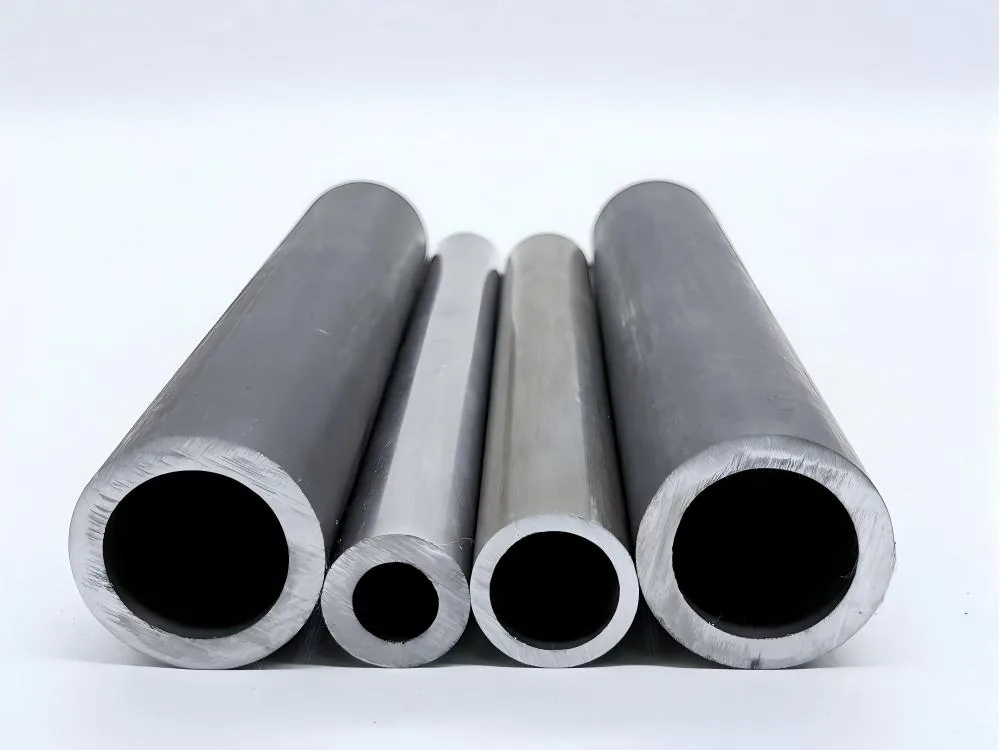
Skill gaps rarely appear as total inability. They appear as over-adjustment, misapplied standards, or missing traceability. A new operator may overreact to one outside-tolerance reading and move a stable process, creating more variation. A technician may accept a test result without confirming that the sample, method, and acceptance limit match the customer’s standard. In traceability, a heat number can be lost in paperwork even when the tube itself is good. These failures are expensive because they are discovered late, often after cutting, machining, or shipment.
A material grade such as Q355B is a material choice, not a complete specification. A buyer or technician who treats it as the full requirement may overlook the tolerance, test, and documentation requirements that govern the order. The same applies to other grade names and standard references.
The common thread is not a lack of effort. It is that the organization has not converted experienced judgment into a teachable sequence of checks.
A Practical Skills Matrix for Steel Tube Teams
A practical skills matrix turns a vague commitment to training into something a production manager can inspect. In steel tube work, the most useful matrix has three columns: what the skill controls, what good coaching looks like, and what failure looks like when the skill is missing. The table is intentionally simple because the value comes from honest assessment, not from a polished form.
| Skill area | What it controls | What poor skill looks like |
|---|---|---|
| Cold drawing and cold rolling setup | Dimensional stability, surface finish, tool life | Frequent die marks or size drift after each setup |
| Standard reading | Tolerance, test method, and documentation selection | Quoting a previous specification and hoping it applies |
| Heat treatment selection | Strength, hardness, distortion, residual stress | Inconsistent mechanical results between lots |
| PMI and NDT interpretation | Material identity, surface and internal integrity | Missed indications or over-rejection of acceptable tubes |
| Traceability and certificate review | Heat number linkage, customer acceptance, recall control | Mixed records or incomplete EN 10204 3.1 documents |
The matrix works only when a qualified person observes the task being performed, not only when a certificate is filed. Training records prove attendance. Observed performance proves skill. For a small steel tube team, that can mean a monthly review of the three highest-risk tasks, with one person demonstrating the correct response to a real or simulated process change. The main cost is time away from production, especially in a small plant. That cost is real, but it is lower than the scrap, rework, and customer approval delay caused by an undetected skill gap.
Turning Talent Development into Supplier Assurance
Buyers can assess talent development the same way they assess process control. Ask the supplier how critical tasks are trained, who signs off that an operator can work independently, and what happens when a senior technician leaves. A confident answer names the task, the pass condition, and the evidence. A weak answer stays at the level of years of experience or general training. For a precision tube buyer, that distinction matters because the product arrives with a certificate, but the consistency behind it depends on people who understood the process before the certificate was printed.
A skills-led review belongs inside a broader supplier evaluation, and training capability should be checked next to process and quality evidence. <Steel Tube Supplier Evaluation: Technical Criteria for Engineers> covers technical criteria engineers can use when comparing tube suppliers.
Send Your Tube Requirements for a Skills-Led Review
Bring your next precision tube requirement to a team that treats process knowledge as a controlled resource. Send your drawing, material grade, applicable standard, required tolerances, order quantity, and the failure or cost issue you are trying to avoid. Our engineering team can review the design for manufacturability, clarify which inspection methods apply, and discuss the next step. Contact Tenjan Steel Tube at Sunny@tenjan.com, Tel +86 51988789990, Phone/WhatsApp +86 13401309791.
FAQ
Why is talent development important when steel tube production is equipment-heavy?
Equipment sets capability, but people set process decisions. A cold drawn tube line can produce different results depending on how the operator reads tool wear, material hardness, and dimensional trends. Training converts individual experience into repeatable checks, so quality does not depend on a few senior technicians. This reduces over-adjustment, missed indications, and documentation errors.
Which steel tube roles are hardest to replace when someone leaves?
The hardest roles combine process judgment and standards knowledge. Cold drawing setup technicians, heat treatment decision-makers, NDT inspectors, and quality engineers who link heat numbers to certificates are difficult to replace because their knowledge is specific to equipment and failure modes. Without cross-training and documented pass conditions, that knowledge leaves with the person.
Can training really reduce dimensional variation?
It can, when training is task-specific. Generic metalworking training rarely changes how a setup is performed. Effective training pairs the operator with the exact die, material, and measurement trend, then tests whether the person can diagnose a process shift. That kind of observed practice reduces unnecessary adjustment and catches real tool wear earlier.
What should buyers ask about a supplier’s talent development?
Ask how the supplier decides that an operator can work independently, not how many training hours people completed. Request the pass condition for critical tasks, the sign-off authority, and the plan for cross-training when a senior technician leaves. Concrete answers indicate that process knowledge is controlled. Vague answers suggest it is still held by individuals.
If you’re interested, check out these related articles:
Why Steel Pipe Pickling Process Needs 6 Strict Controls
Steel Pipe Corrosion Protection Methods for Precision Tube