Steel Tube Eddy Current Testing: Scope and Acceptance
Review steel tube eddy current testing. Check scope, material condition, inspection evidence and ordering details before accepting a supplier quotation.
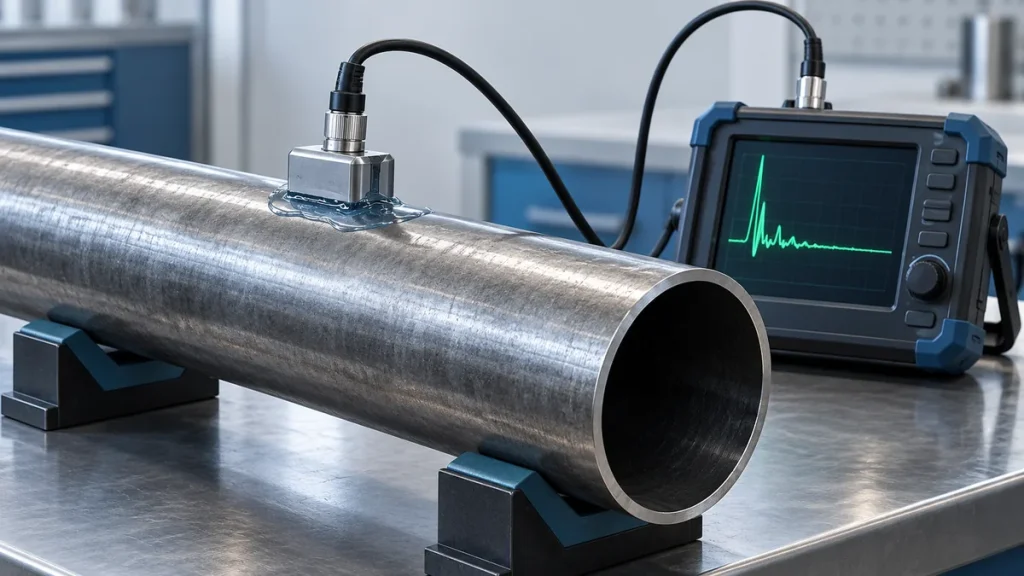
Eddy current testing uses an alternating electromagnetic field to induce currents in conductive material.
What the signal represents
Discontinuities and changes in geometry or electromagnetic properties can affect the response. A recorded indication therefore needs evaluation against an approved procedure and reference standard; it is not automatically a crack, a measured crack depth or a prediction of remaining service life.
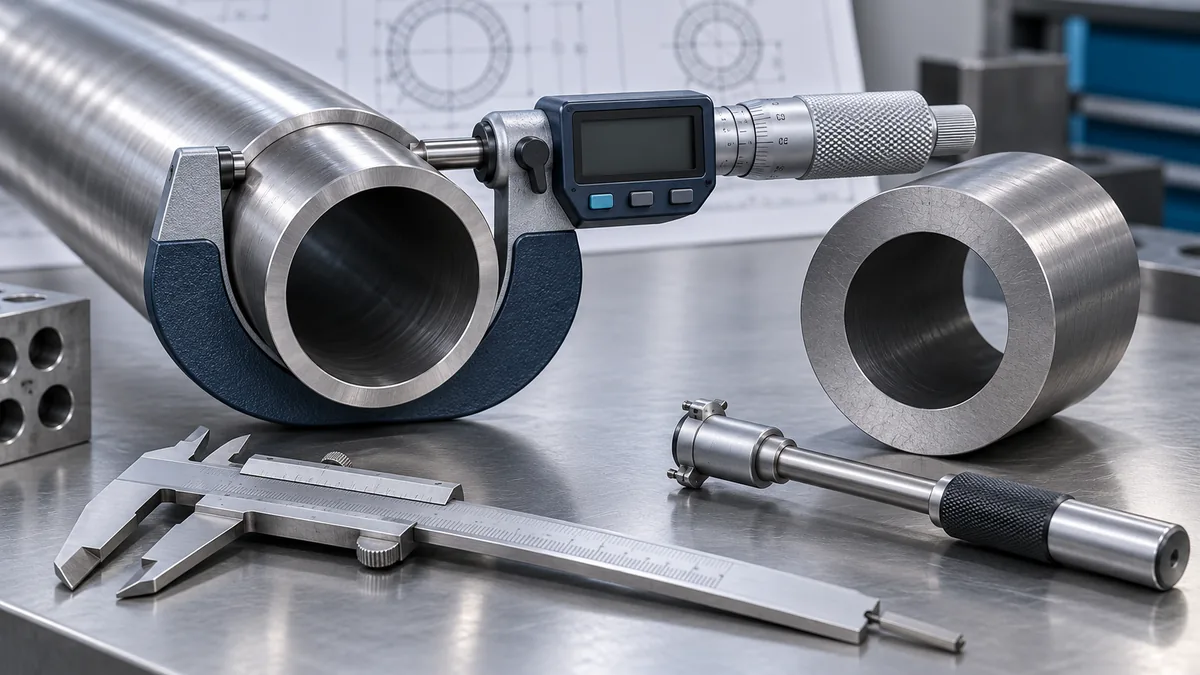
Define coverage before selecting equipment
Encircling coils, rotating probes and array arrangements have different coverage and sensitivity characteristics. Selection depends on tube diameter, wall, material, surface condition, inspection speed and the orientations of relevant imperfections. End effects and regions outside effective coverage need an explicit disposition. Ferromagnetic material may require measures to control permeability-related noise. No single configuration detects every discontinuity.
Reference standards and acceptance
ISO 10893-2 addresses automated eddy current testing of seamless and welded steel tubes, excluding submerged arc-welded tubes, within its stated scope. The order should identify the applicable standard, edition, acceptance level and any supplementary requirements. Reference imperfections establish a reproducible system response. Their signals do not make artificial notches identical to natural defects or permit an arbitrary universal flaw-size claim.
What to request in the inspection record
Request tube or lot identification, equipment and probe identification, procedure revision, reference-standard details, calibration checks, coverage limitations and disposition of indications. The specification should identify whether individual signal records are required and how they remain linked to product identity. Eddy current inspection, ultrasonic examination and pressure testing address different questions; the approved product and equipment requirements decide which combination is appropriate.
A practical specification review
For example, an inquiry may request eddy current testing on a finished tube but leave the end zones and recording requirement undefined. Before comparing inspection prices, ask each supplier to describe those boundaries and the reference-standard basis. A cheaper examination with different coverage is a different offer, even if both quotations use the same method name.
Information to confirm before accepting an offer
- Identify the component or supply item, its intended function and the controlled drawing or procedure revision.
- State applicable product and project documents, material or test requirements, dimensions and the condition in which acceptance is assessed.
- Define the required evidence, inspection responsibilities, identification, reporting format and handling of deviations.
- Confirm what the quotation includes, any subcontracted operations, preservation requirements and how proposed changes will be approved.
Resolve unclear requirements before manufacture or examination. Keep the accepted offer, approved deviations and release records together so that a repeat order can use the same technical basis.
Related technical guides
- NDT for Steel Tubes: Methods and Inspection Requirements
- Common Steel Tube Defects: Identification, Causes and Prevention
- Precision Tube Quality Inspection Checklist
Reference
ISO 10893-2: automated eddy current examination. Use the edition and requirements applicable to the actual order; this guide does not reproduce or replace the governing documents.
For a tube inquiry, send the drawing, required material and acceptance requirements through the Tenjan contact page so the requested scope and any supply limitations can be reviewed.