ASTM A519 1026 Tubing: Condition, Properties and Ordering
Review astm a519 1026 tubing. Check scope, material condition, inspection evidence and ordering details before accepting a supplier quotation.
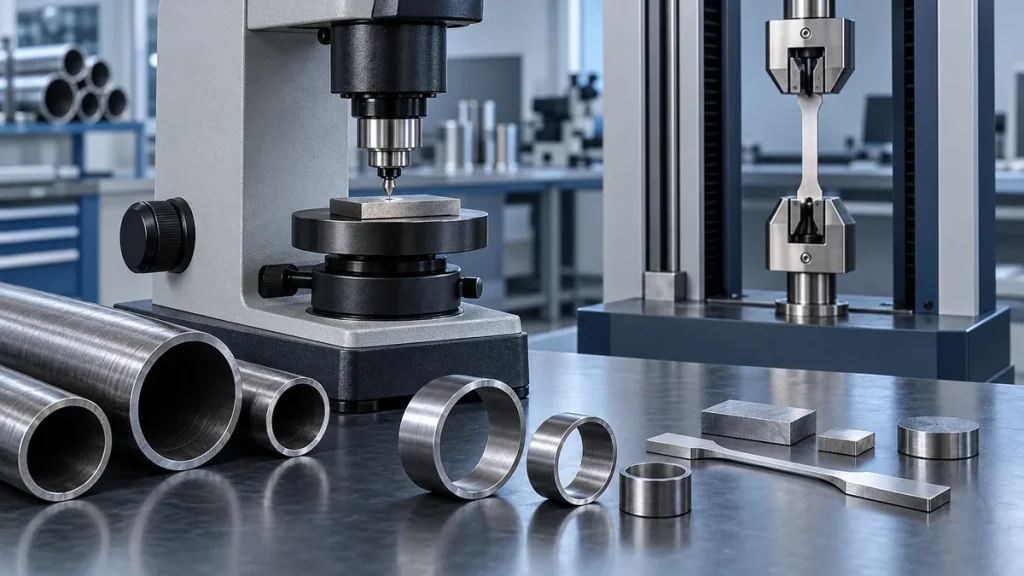
ASTM A519 is a product specification for seamless carbon and alloy steel mechanical tubing; 1026 identifies a grade within the relevant ordering context.
Grade and specification perform different roles
A grade name does not define delivery condition, dimensions or all acceptance requirements. Specify the edition, grade, manufacturing and delivery requirements explicitly. Mechanical tubing should not be described as automatically qualified pressure pipe because its material has a familiar composition.
Compare properties in the final condition
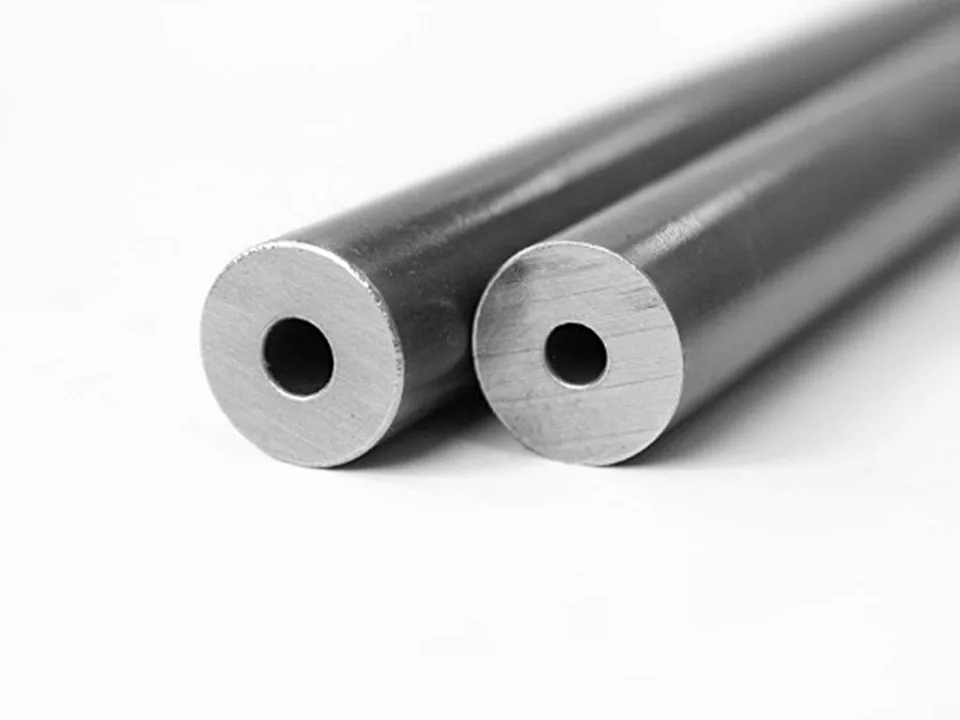
Hot finishing, cold work and heat treatment can produce different properties from a related chemical composition. A generic strength value for 1026 cannot represent every delivered tube. State the properties required by the component design and the applicable product requirements, then request condition-specific evidence. Room-temperature tensile results do not by themselves qualify fatigue life, low-temperature toughness or elevated-temperature pressure service.
Plan the finished component route
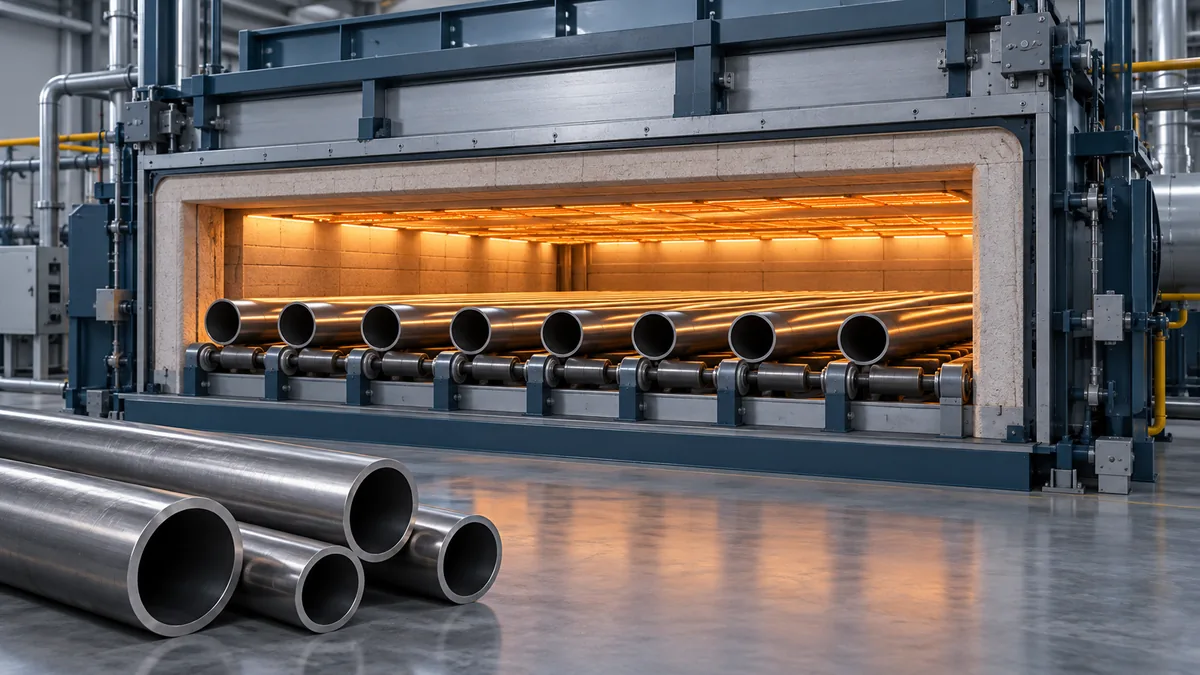
Mechanical tubing may become a sleeve, spacer, machined part or another defined component. Review the bore, wall, surface, straightness and machining allowance that the process actually needs. Welding, forming, hardening or coating can change the condition after delivery. If downstream behavior is critical, validate a representative trial through those operations rather than relying only on an incoming certificate.
Inspect identity as well as dimensions
The release package should connect material identity, grade, condition and the required inspection results. Define any additional examinations, surface restrictions and preservation requirements before ordering. Receiving checks should confirm the physical material corresponds to the documents and approved drawing. For repeat purchases, retain the accepted supply description so a different condition is not introduced under the same shortened 1026 label.
A practical specification review
A drawing that names 1026 without identifying the tube condition can be interpreted differently by different suppliers. Resolve the condition, machining allowance and required properties before requesting production samples. The trial should represent the supplied stock and planned downstream operations, so the accepted sample becomes a useful basis for repeat orders.
Information to confirm before accepting an offer
- Identify the component or supply item, its intended function and the controlled drawing or procedure revision.
- State applicable product and project documents, material or test requirements, dimensions and the condition in which acceptance is assessed.
- Define the required evidence, inspection responsibilities, identification, reporting format and handling of deviations.
- Confirm what the quotation includes, any subcontracted operations, preservation requirements and how proposed changes will be approved.
Resolve unclear requirements before manufacture or examination. Keep the accepted offer, approved deviations and release records together so that a repeat order can use the same technical basis.
Related technical guides
- ASTM A519 Mechanical Tubing: Grades, Conditions and Ordering
- ASTM A519 vs A106: Mechanical Tubing or Pressure Pipe
- Steel Tube Mechanical Properties: Yield, Tensile Strength and Ductility
Reference
ASTM A519 mechanical tubing scope. Use the edition and requirements applicable to the actual order; this guide does not reproduce or replace the governing documents.
For a tube inquiry, send the drawing, required material and acceptance requirements through the Tenjan contact page so the requested scope and any supply limitations can be reviewed.