API 5CT Casing and Tubing: Scope and Purchasing Checks
Review api 5ct casing and tubing. Check scope, material condition, inspection evidence and ordering details before accepting a supplier quotation.
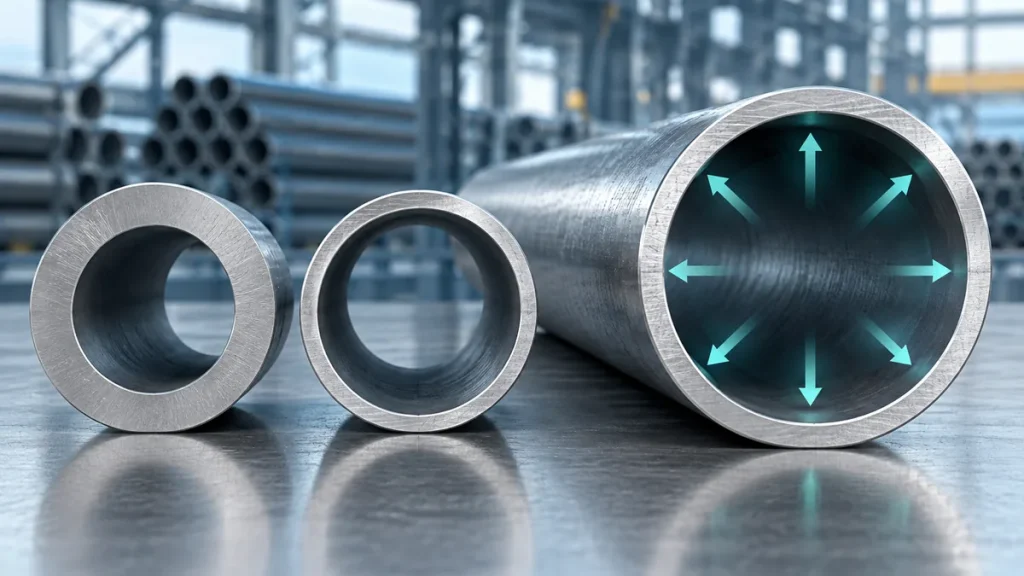
API 5CT covers specified casing, tubing and related products for well applications.
Keep casing and tubing separate from line pipe
It is not the same scope as API 5L line pipe or a general mechanical-tubing specification. Identify whether the inquiry concerns a finished product, coupling material or another covered item, together with the required edition and updates. The well design and operator requirements provide the application basis.
Select grade from the well conditions
Internal and external pressures, axial loading, temperature, fluids, corrosion and installation conditions all affect selection. Grade names cannot be assigned solely by well depth, and a stronger grade is not automatically a safer replacement. Sour-service requirements and connection qualification need a scoped technical review. Do not assume that a grade label by itself resolves collapse, burst, connection performance or environmental suitability.
Define dimensions, ends and connections
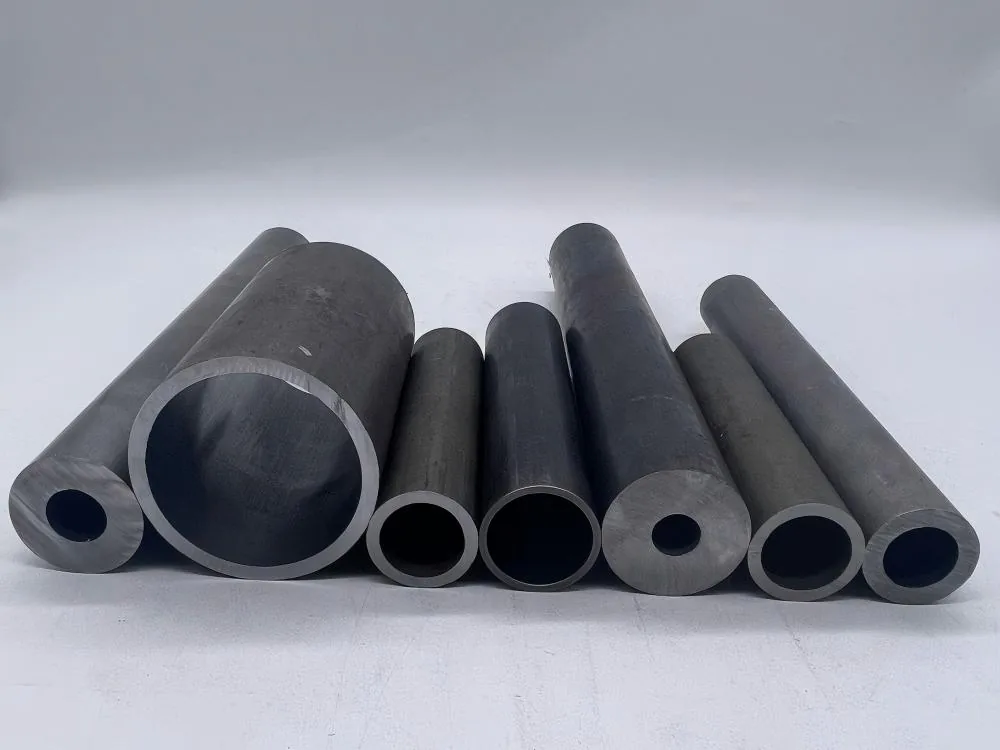
Specify the actual dimensions, wall or mass basis, length range, end finish, connection and any coupling requirements. Connections have their own compatibility and verification concerns. Custom square, hexagonal or other shaped mechanical profiles should not be presented as interchangeable API 5CT well casing. Any departure from standard product requirements needs appropriate design and product qualification rather than a general customization promise.
Verify product evidence and claimed authorization
The required material, dimensional, examination and identification records should be tied to the actual supply item. If an API Monogram license or other authorization is required, verify the relevant organization and scope. Quality-management certification and a general tube catalogue do not establish that authorization. Keep any special requirements, witnessed inspections and accepted deviations in the order and final release package.
A practical specification review
A well-service inquiry should identify the actual connection and product item rather than allowing an offer for plain mechanical tube to stand in for a finished casing requirement. Clarify what the supplier will manufacture, finish, inspect and document. Review any subcontracted connection work within the qualification and release plan before accepting the offer.
Information to confirm before accepting an offer
- Identify the component or supply item, its intended function and the controlled drawing or procedure revision.
- State applicable product and project documents, material or test requirements, dimensions and the condition in which acceptance is assessed.
- Define the required evidence, inspection responsibilities, identification, reporting format and handling of deviations.
- Confirm what the quotation includes, any subcontracted operations, preservation requirements and how proposed changes will be approved.
Resolve unclear requirements before manufacture or examination. Keep the accepted offer, approved deviations and release records together so that a repeat order can use the same technical basis.
Related technical guides
- Steel Tubes for Oil and Gas: Service, Standards and Inspection
- Selecting Steel Pipes for Drilling Equipment: Core Factors
- Quality Assurance in Steel Tube Procurement: A Verification Guide
Reference
API: casing and tubing specification scope. Use the edition and requirements applicable to the actual order; this guide does not reproduce or replace the governing documents.
For a tube inquiry, send the drawing, required material and acceptance requirements through the Tenjan contact page so the requested scope and any supply limitations can be reviewed.