Cold-Rolled vs Hot-Finished Steel Tubes: Selection Guide
Review cold-rolled vs hot-finished steel tubes. Check scope, material condition, inspection evidence and ordering details before accepting a supplier quotation.
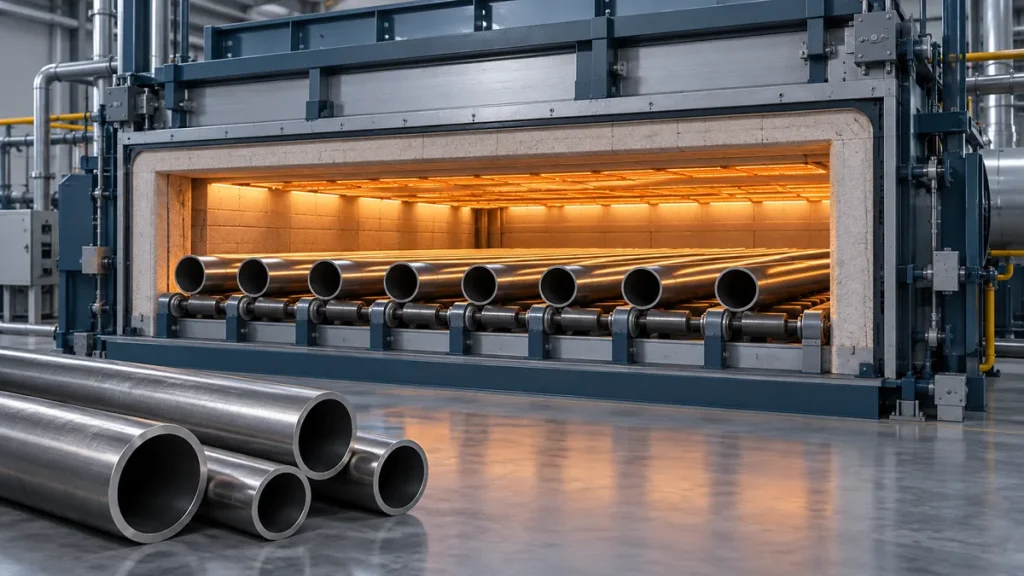
Hot finishing and cold rolling describe different stages or routes in tube manufacture.
Compare complete manufacturing routes
Cold-finished tubes commonly begin with an existing hollow that undergoes additional processing. Identify what happens after forming, including heat treatment, straightening and surface preparation. Two products carrying similar route descriptions can arrive with different properties and geometry because their final acceptance and delivered conditions are different.
Dimensions are an ordering decision
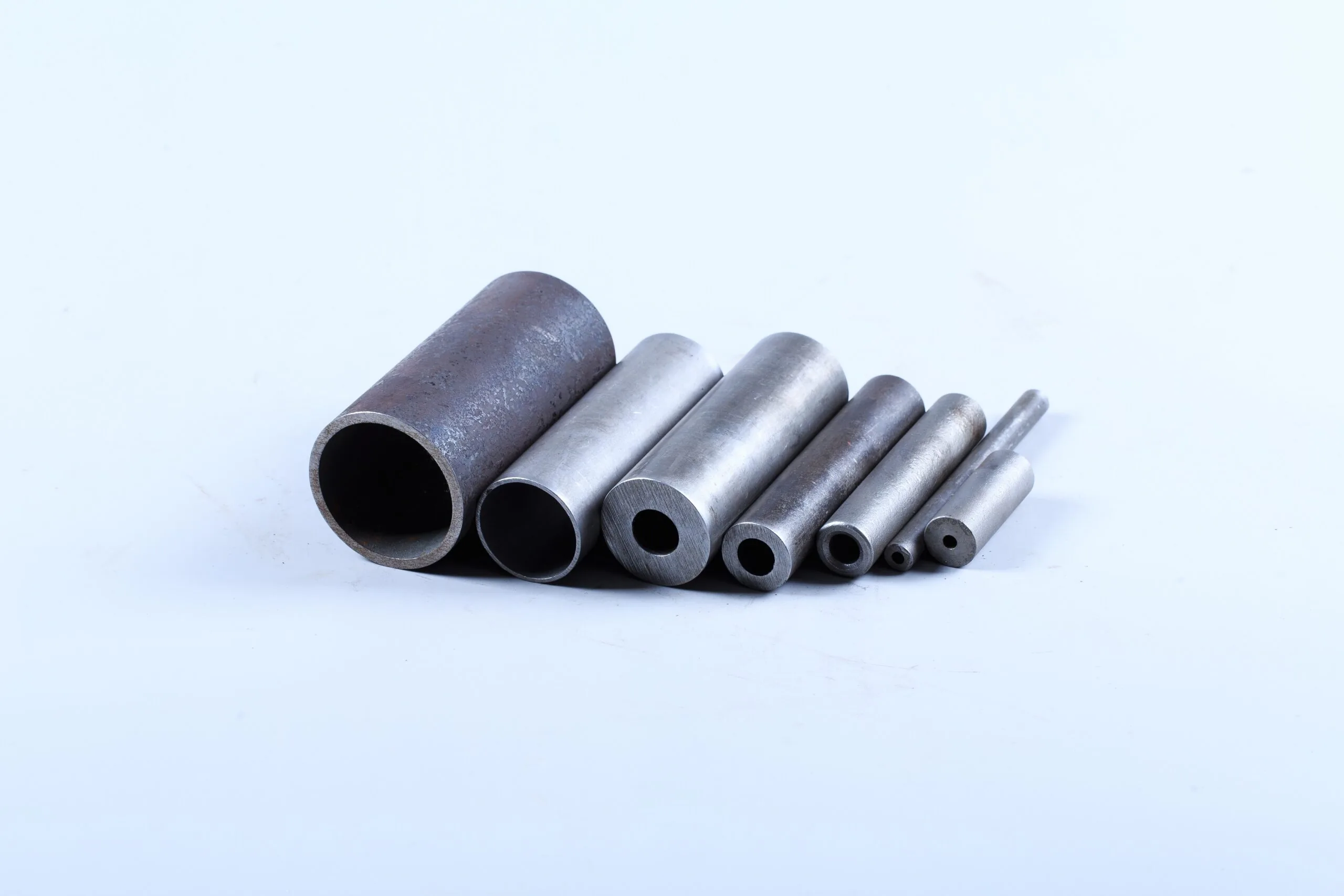
Cold processing can support demanding dimensional or surface requirements, but it does not create one universal tolerance band. Compare the actual product specifications and supplier capability for the required section. Hot-finished stock may be suitable for a component with a subsequent machining allowance. The relevant question is which route repeatedly supplies the required geometry at the stage where the customer will accept it.
Properties depend on condition
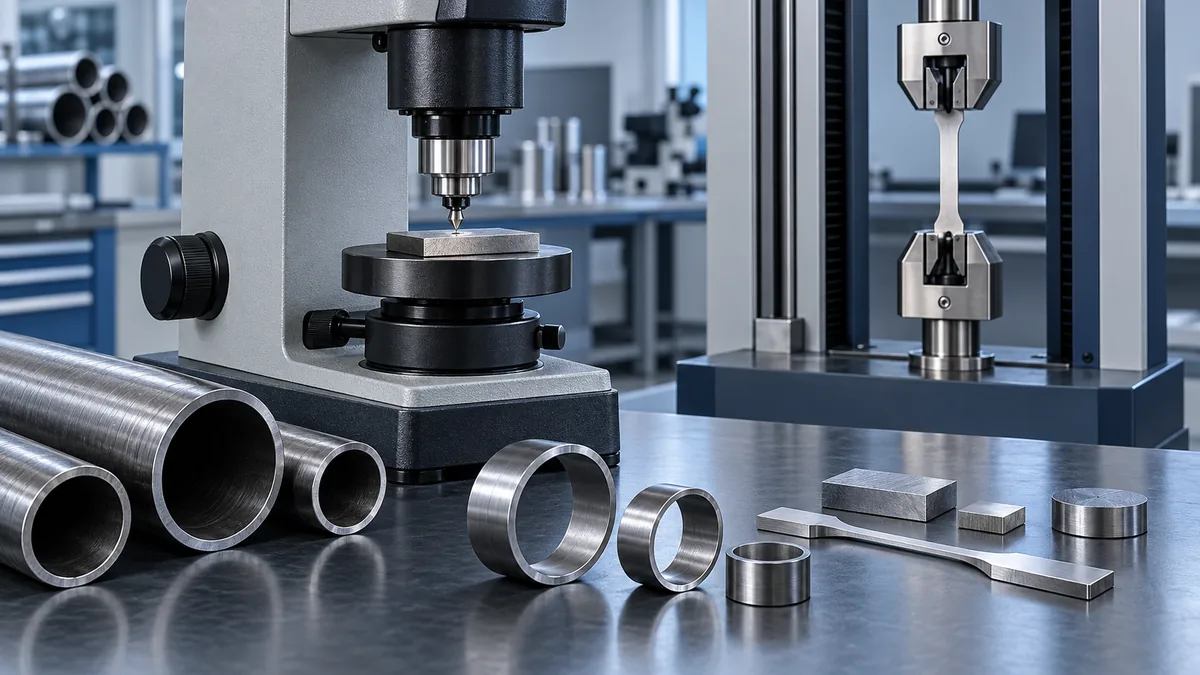
Cold work can alter strength and ductility, while subsequent heat treatment can change those effects. A general statement that cold-rolled tube is stronger, or that hot-finished tube has no residual stress, is not a reliable specification. Compare properties for the actual final material condition. Include the effects of forming, welding, machining and later treatment when choosing the supply route.
Evaluate usable yield and process cost
Compare tube price together with machining allowance, surface preparation, dimensional inspection, distortion and rejected pieces. A more demanding route may remove real downstream work, or it may add cost where the component does not benefit. Use production-representative trials and an agreed drawing to make that judgment. For repeat orders, retain the approved route and final condition with the acceptance record.
A practical specification review
Suppose a part will be bored and ground after cutting. The relevant comparison is the supplied allowance, stability through machining and final usable yield from each route. A surface that looks brighter on arrival may not reduce any of those operations. Use the actual component sequence to decide whether additional cold processing provides value.
Information to confirm before accepting an offer
- Identify the component or supply item, its intended function and the controlled drawing or procedure revision.
- State applicable product and project documents, material or test requirements, dimensions and the condition in which acceptance is assessed.
- Define the required evidence, inspection responsibilities, identification, reporting format and handling of deviations.
- Confirm what the quotation includes, any subcontracted operations, preservation requirements and how proposed changes will be approved.
Resolve unclear requirements before manufacture or examination. Keep the accepted offer, approved deviations and release records together so that a repeat order can use the same technical basis.
Related technical guides
- Cold Drawn vs Cold Rolled Steel Tubes
- Steel Tube Manufacturing Process: Precision and Quality
- Heat Treated Steel Tube: What Engineers Need to Know
For a tube inquiry, send the drawing, required material and acceptance requirements through the Tenjan contact page so the requested scope and any supply limitations can be reviewed.