Carbon Steel vs Alloy Steel Tubes
Strength, hardenability, temperature performance and cost considerations for industrial tube selection.
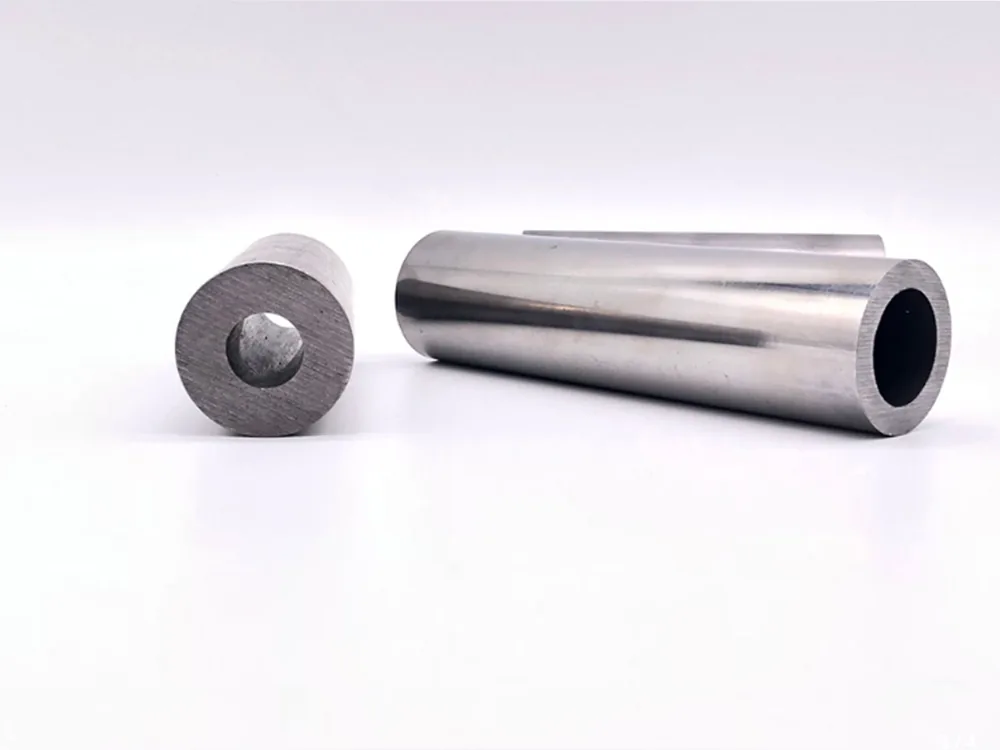
Carbon steel tubes cover a broad range of structural and mechanical applications. Alloy additions extend performance where higher strength, wear resistance or temperature capability is required.
Carbon steel advantages
Carbon grades are widely available, economical and easy to process. With the right heat treatment, they provide dependable strength for many general engineering applications.
When alloy steel is appropriate
Chromium, molybdenum, nickel and other alloying elements can improve hardenability, fatigue resistance and performance under demanding operating conditions.
Balance performance and processing
Material cost is only one part of the decision. Machining, welding, heat treatment, inspection and expected service life should be evaluated together.
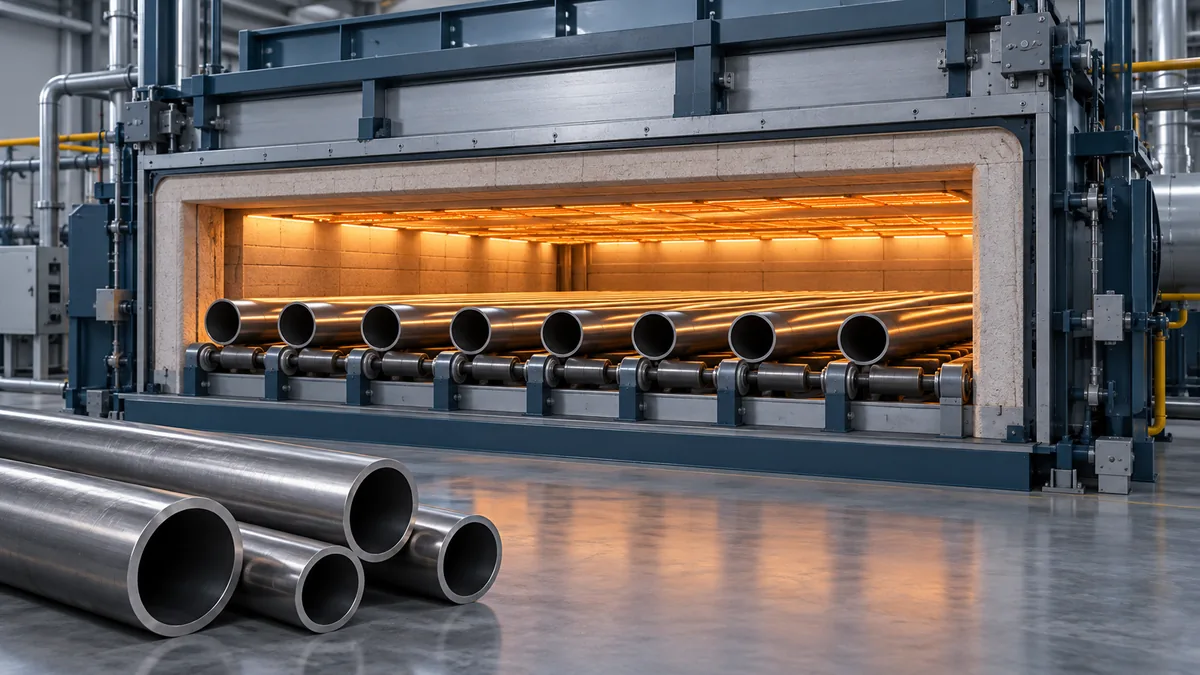
Start with service conditions, not material labels
Carbon and alloy steels overlap across a wide range of strengths. The correct choice depends on load, temperature, fatigue, wear, corrosion exposure, section size and the processes used to make the final part. Define those conditions first. A higher-alloy grade is not automatically safer if it creates welding, machining or heat-treatment problems that the production route cannot control.
Carbon steel tube
Carbon steel is the usual starting point for structural members, general mechanical parts, fluid systems and components that do not require special high-temperature or hardenability performance. It offers broad availability, familiar fabrication practice and competitive cost. Performance can still vary substantially with carbon content, cleanliness, cold work and heat treatment, so the exact grade and delivery condition matter.
Alloy steel tube
Chromium, molybdenum, nickel, manganese and other additions may improve hardenability, strength retention, wear resistance, fatigue behavior or response to heat treatment. Alloy tube is often evaluated for highly loaded shafts, cylinders, drivetrain parts, energy equipment and elevated-temperature service. The benefit appears only when chemistry, heat treatment and section size are controlled as a system.
Welding and fabrication
Weldability cannot be inferred from the word “carbon” or “alloy.” Review carbon equivalent, wall thickness, joint design, preheat, filler material and post-weld requirements. A grade selected for high hardenability may form a hard heat-affected zone if welding is not planned correctly. If tubes will be bent or flared, confirm ductility in the supplied condition and the minimum bend geometry during sample approval.
Machining and heat treatment
Material price is only one part of component cost. Compare cutting behavior, tool wear, machining allowance, distortion during heat treatment and the consistency of final hardness. A cold-finished carbon tube with controlled dimensions may outperform a more expensive alloy route when the application is governed by fit rather than extreme strength. Conversely, an alloy grade may reduce section size or extend life in a demanding duty cycle.
Testing and certification
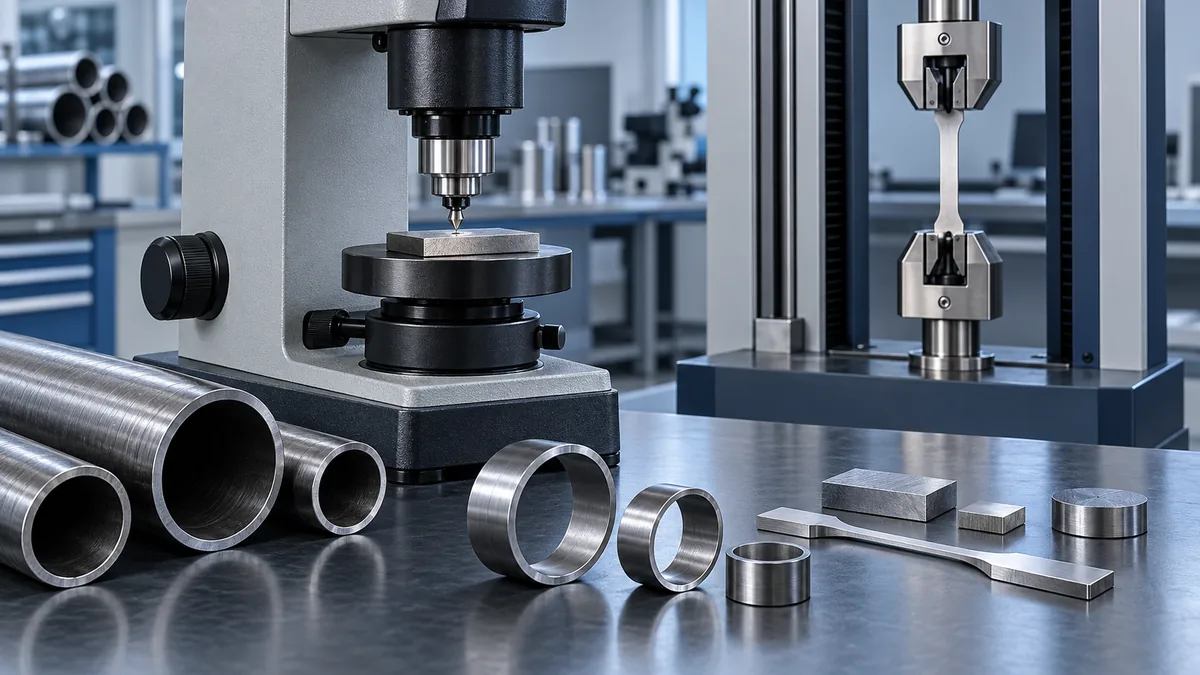
Specify chemical analysis, mechanical tests and heat-treatment condition on the purchase order. Add hardness, impact, microstructure, decarburization or non-destructive testing when the application requires them. Maintain heat-number traceability through cutting and machining so finished components can be linked to the material certificate.
Decision checklist
- What load, fatigue cycle and temperature will the component see?
- Will it be welded, bent, machined, carburized, hardened or plated?
- Which property is limiting: strength, toughness, wear, hardness or dimensional stability?
- What inspections and certificates are required?
- Is a proposed substitute approved against the full specification?
Review Tenjan’s seamless carbon steel tubes and seamless alloy steel tubes. A drawing and service description will allow a more useful material comparison than a grade name alone.
Frequently Asked Questions
Is alloy steel always more expensive overall?
The material price is usually higher, but total cost also includes section size, machining, heat treatment, tool life and service life. Compare the finished component and risk of failure, not price per tonne alone.
Which material is easier to weld?
Many lower-carbon grades are straightforward to weld, while some alloy and higher-carbon grades need controlled preheat, filler and cooling. The actual carbon equivalent, thickness and joint procedure determine weldability.
Can heat treatment make carbon steel perform like alloy steel?
Heat treatment can substantially change carbon-steel properties, but hardenability and section response remain grade-dependent. Thick or highly loaded components may need alloy additions to achieve consistent properties through the section.