ASTM A106 vs A53 Pipe: Choosing by Pressure and Temperature
ASTM A106 vs A53 pipe is not a simple material choice: the two standards exist for different service temperatures and code paths.
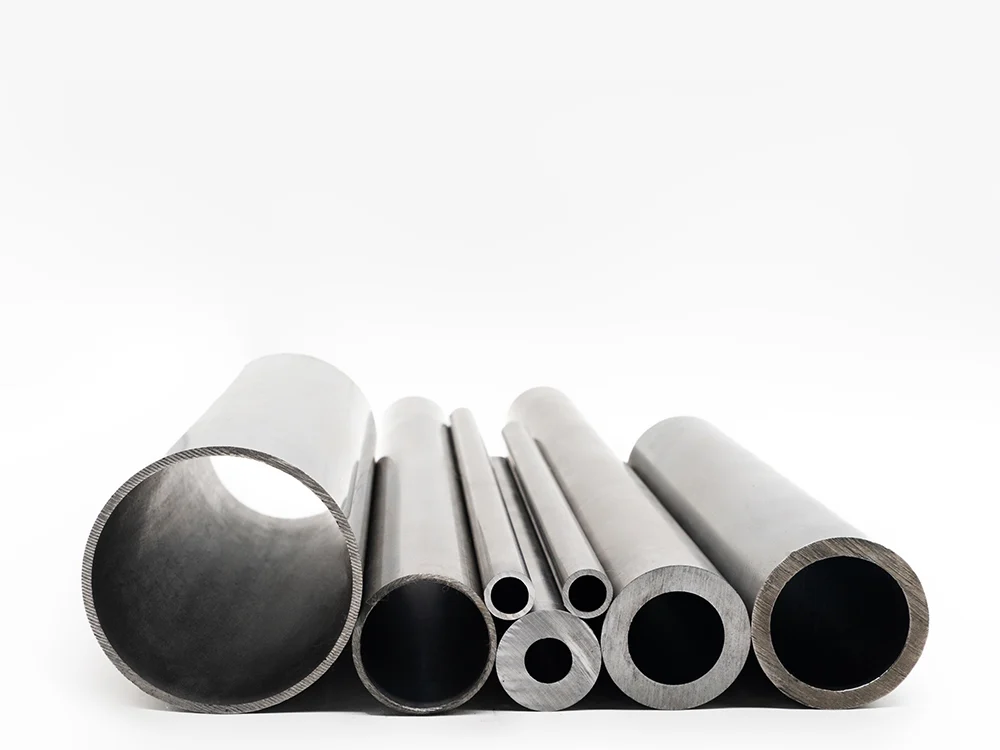
ASTM A106 vs A53 pipe is not a simple material choice: the two standards exist for different service temperatures and code paths. A106 is a seamless carbon steel pipe written for high-temperature pressure service. A53 is a general-purpose carbon steel pipe used in structural, mechanical, and lower-temperature piping. I see buyers treat them as interchangeable far too often, and the mistake usually shows up during inspection rather than at startup. The rule I use with our clients: order A106 when the system sees sustained elevated temperature or high pressure, and keep A53 only where the code and operating conditions clearly permit it.
A106 pipe targets pressure systems and elevated temperatures
A106 is a seamless carbon steel pipe standard intended for bending, flanging, and similar forming operations, plus high-temperature service. Grade B dominates procurement because it gives engineers a 60 ksi minimum tensile strength with predictable ductility and weldability. In practice, A106 Grade B shows up in boiler feedwater lines, high-pressure steam headers, process piping, and heat exchanger circuits where the design temperature is above what lower-temperature carbon steel specifications comfortably cover.
From our mill, we mostly see A106 orders arrive with a line class attached. The customer has already matched the pipe schedule to ASME B31.1 or B31.3 allowable stress tables, so the inquiry is not “what is A106” but “can you supply it seamless, with a full MTC, and with the right heat number traceability.” That shift in buying language is useful: A106 is selected because the system demands certification, not because the pipe looks different on the rack.
A53 pipe remains a general purpose carbon steel standard
A53 covers carbon steel pipe in seamless and welded forms for mechanical, structural, and ordinary pressure applications. Type S is seamless, Type E is electric-resistance welded, and Type F is furnace-butt welded, limited to Grade A. Grade B Type E and Type S are the most common. Where A106 is tied to elevated temperature service, A53 is written for lower temperature piping, compressed air, water, gas, and similar systems.
We often see A53 used for plant utilities, supports, and fluid lines where the purchaser wants a less expensive product and the code does not require A106. The problem appears when someone standard-crosses the specification later: a utility line gets repurposed for hot condensate or a higher pressure duty, and A53 suddenly carries an expectation it was never designed to meet. The standard itself is not poor; it is simply different.
The chemical and tensile limits separate the two standards
Both standards list Grade B with a 60 ksi minimum tensile strength and a 35 ksi minimum yield strength, which is why surface-level comparisons can be misleading. The real differences sit in chemistry and production control. A106 requires killed steel, sets lower phosphorus and sulfur ceilings than A53, and mandates a minimum silicon content. Those details matter for soundness and thermal stability.
| Comparison point | ASTM A106 | ASTM A53 |
|---|---|---|
| Product form | Seamless only | Type S seamless, Type E ERW, Type F furnace-butt welded |
| Common grade | Grade B | Grade B |
| Minimum tensile, Grade B | 60 ksi | 60 ksi |
| Service intent | High-temperature pressure service | General-purpose lower-temperature service |
The tensile numbers being equal does not mean the pipe is equal. A106’s tighter chemistry and seamless-only production give it a different position in allowable stress calculations, and inspectors know the difference. If a drawing simply says “60 ksi pipe,” the specification is incomplete and the supplier will have to ask which standard applies.
If your specification crosses both standards, it is worth confirming the edition year and any supplementary test requirements before finalizing the purchase order. Send your service conditions and line class to Sunny@tenjan.com and we will verify which standard your inspector will accept.
Production method and testing dictate where each fits
A106 pipe is produced only as seamless, which removes the weld seam question from high-temperature cyclic service. A53 gives the buyer three production routes; Type E welded pipe can reduce cost and lead time, but the weld zone carries different inspection considerations. Both standards require hydrostatic testing as a baseline, though supplementary nondestructive testing is normally added for critical A106 applications.
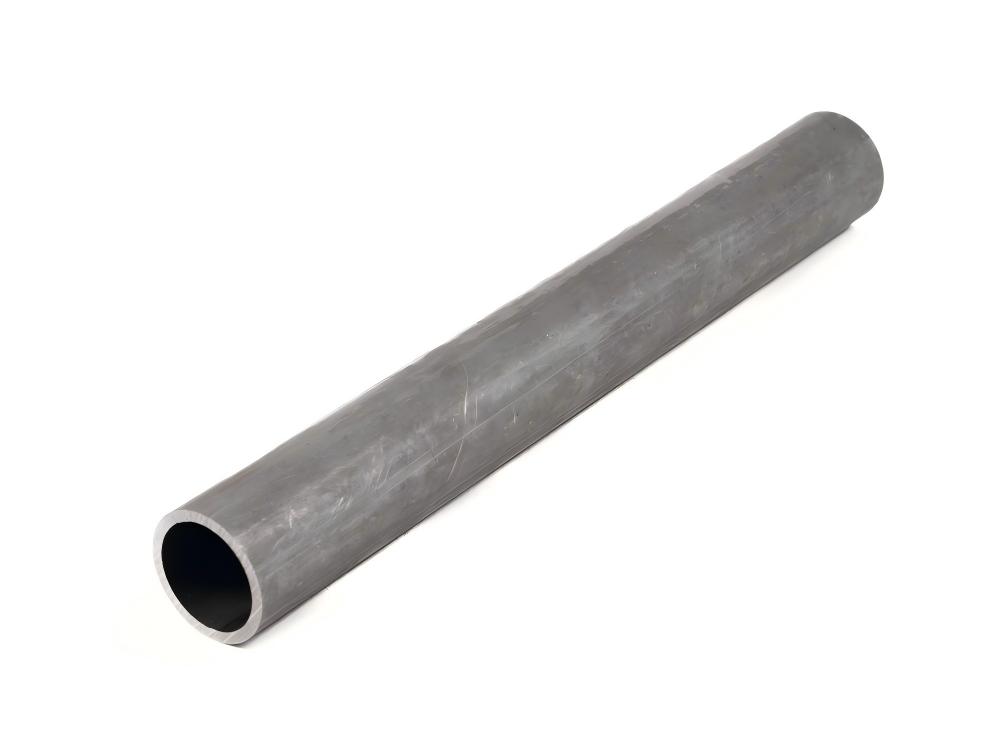
What changes when the same schedule is ordered under both standards? The dimension may be identical and the material may look the same, but the mill test certificate differs. A106 MTCs document chemistry, tensile results, and hydrostatic pressure. A53 Type E documents the same categories but with the welded route and any weld-specific checks. I tell buyers to treat the MTC as the actual product: if the certificate cannot be matched to the standard on the purchase order, the pipe is not yet the right pipe.
Procurement checks for A106 versus A53 pipe prevent downstream surprises
Before issuing a purchase order, we ask procurement teams to lock down five items: the exact standard and grade, product type if A53 is named, schedule and end finish, test documentation requirements, and any supplementary NDT. That may sound like basic logistics, but most quotations break down because one of those fields is left open. For a broader look at how ASTM, EN, DIN, and JIS requirements compare, see Understanding ASTM, EN, DIN and JIS Tube Standards.
Choosing between A106 and A53 usually comes down to what the system is expected to do after commissioning, not only what the initial drawing says. If you are trying to avoid over-specifying a low-temperature utility run or under-specifying a hot return line, send your part number, quantity, and operating conditions to Sunny@tenjan.com or call +86 13401309791, and we will confirm the correct standard, schedule, and test documentation before you commit to a mill run.
Buyers most often ask these questions about A106 and A53 pipe
Can I substitute A106 for A53 pipe?
Yes, in most cases A106 Grade B can replace A53 Grade B if the system can accept the price and the seamless form. A106 is the more conservative material for elevated temperature and pressure, and its seamless-only production often satisfies stricter code requirements. The substitution usually moves in one direction: A106 may replace A53, but A53 should not replace A106 unless the service conditions and governing code clearly allow it. Before accepting the change, check the purchase order wording. Some contracts mark A53 for cost reasons regardless of material capability, while others specifically prohibit substitution.
Is A53 pipe ever rated for high-temperature service?
There is a common assumption that because A53 Grade B meets 60 ksi tensile strength, it can move into high-temperature piping. That assumption is unsafe. A53 does not carry the same high-temperature design intent or the same chemical controls as A106, and many design codes point to A106 for elevated temperature work. A53 may handle hot water or low-pressure steam in limited cases where the design code and inspector accept it, but it is not a like-for-like high-temperature substitute. If the service is borderline, verify the allowable stress basis before the order ships.
What should the pipe marking tell me?
The marking depends on the pipe type and standard. A106 pipe is marked with the manufacturer, the specification, grade, heat number, size, and schedule, plus the hydrostatic test designation if applicable. A53 pipe markings include the same basic fields but distinguish Type S, Type E, or Type F. For A53 Type F, the designation is critical because it is limited to Grade A. When a pipe arrives without legible markings, we do not guess: we quarantine it and ask for the MTC before cutting.
Does A106 always cost more than A53?
In our experience, A106 Grade B generally prices above A53 Type E for comparable sizes because seamless production and tighter chemistry cost more than ERW. But that gap narrows when A53 is specified as Type S seamless, at which point the cost difference may come down to certification and demand rather than product form. Small-bore quantities can also behave differently: freight, cutting, and inspection charges sometimes outweigh the base pipe price. It is worth quoting both if the standard has not been fixed. If your project has a borderline service case or you are unsure whether the specification will be accepted, share your line conditions and drawing notes with us and we will confirm the compliant standard before you order.
If you’re interested, check out these related articles:
Heat Treated Steel Tube: What Engineers Need to Know
Cold Drawn vs Cold Rolled Steel Tubes