Local vs. International Sourcing: A Steel Tube Buyer's Guide
Every steel tube buyer eventually faces the same question: buy from a nearby mill for speed and ease, or source internationally for price, capability, and scale. The answer is not a slogan. For precision steel tube…

Every steel tube buyer eventually faces the same question: buy from a nearby mill for speed and ease, or source internationally for price, capability, and scale. The answer is not a slogan. For precision steel tube procurement—cold-drawn seamless, hydraulic tube, custom shaped profiles—local and international sourcing change more than freight cost. They change how you manage standards, inspection, lead time, cash flow, and risk.
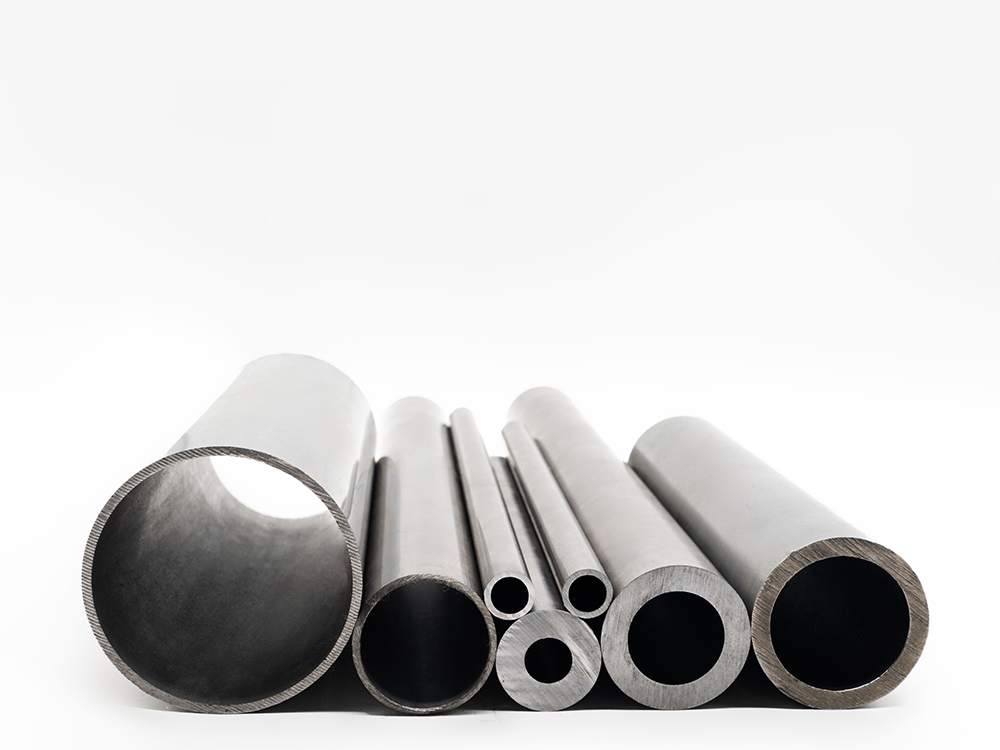
What Local and International Actually Change in Steel Tube Sourcing
Local sourcing tends to compress distance, response time, audit access, and minimum order flexibility. International sourcing tends to expand process capability, available standards, material grades, and production scale. Neither is intrinsically safer or more professional. A local distributor may handle fewer custom profiles; a distant mill may require more formal inspection discipline. According to Incoterms 2020 rules [1], the allocation of risk and cost between buyer and seller changes with each term—EXW, FOB, CIF, DAP—so choosing a geography without choosing a clear delivery term is not a sourcing strategy.
For precision steel tube procurement, those differences become concrete. A domestic source might be ideal for a repeat standard product with an urgent delivery date. An international cold-drawn seamless tube source is often preferred when the specification involves controlled OD and wall tolerances across a range of grades, custom shapes, or surface finishes. The test is whether the supplier’s documentation, inspection methods, and communication culture can support the required engineering control—not simply where the factory is located.
The Real Cost Picture: Price Per Tonne vs. Total Landed Cost
A low base price can disappear quickly inside freight, customs, insurance, inspection, carrying costs, and engineering time. That is why procurement teams should work from total landed cost rather than mill unit price. Incoterms 2020 [1] define how freight and risk transfer, but they do not include quality cost, delay cost, or the cost of re-qualifying a new supplier.
| Cost and risk factor | What to check for a local source | What to check for an international source |
|---|---|---|
| Unit price | Often higher on standard items | Often lower on mill-run and production items |
| Freight and insurance | Short distance, lower complexity | Requires Incoterm selection, cargo and marine cover |
| Customs and duties | Not applicable | Tariff classification, origin rules, clearance documentation |
| Inspection access | Easier in-person visits | Third-party or remote inspection, EN 10204 3.1 documents [3] |
| Working capital | Shorter cash-to-delivery cycle | Larger pipeline, advance payment or letter of credit |
| Rework and returns | Faster return loop | Process for claims, containment, and root cause must be pre-agreed |
For buyers who need standard carbon or alloy seamless tube, the comparison usually shifts toward international sourcing once the volume, repeat order pattern, and specification control justify the overhead. This is not a universal rule; it is an engineering and logistics calculation.
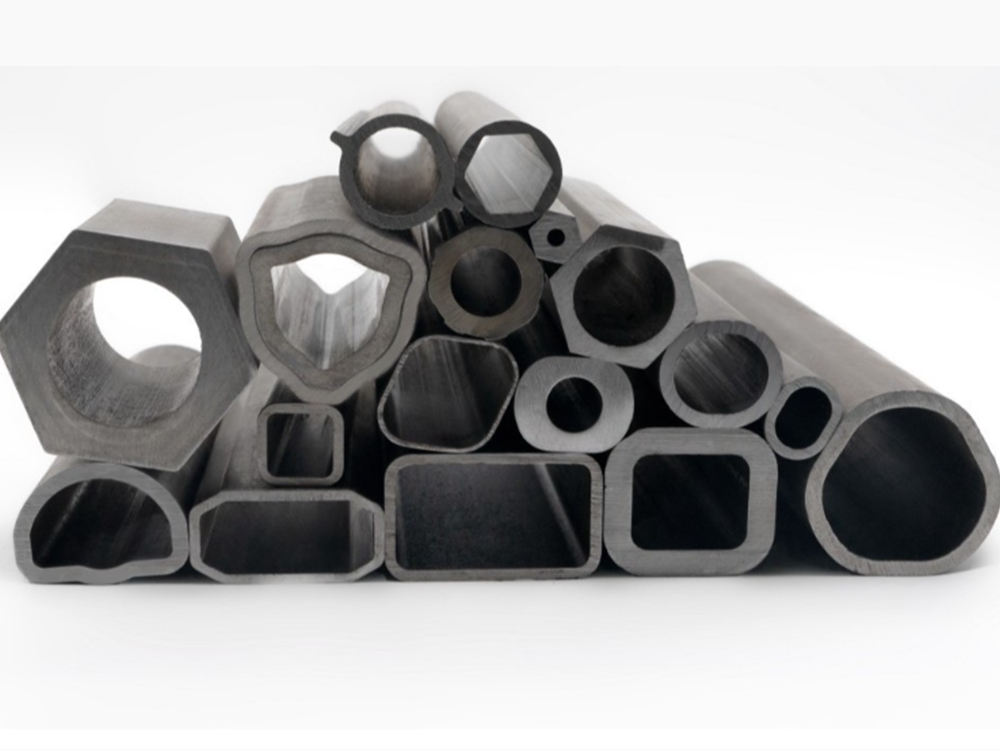
A low base price means little until it is reframed as a total landed cost with quality and delay risk attached. <How to Choose a Steel Tube Supplier for Your Next Project> covers the technical and commercial checks that separate a stable mill from a costly shortcut.
Quality, Standards, and Traceability: Where Distance Adds Friction
Local sourcing is easier when the buyer wants to walk the shop floor, see the cold drawing line, review the inspection bench, and resolve an issue face-to-face. International sourcing must replace proximity with evidence. That evidence includes ISO 9001:2015 quality management systems [2], material test certificates, positive material identification, dimensional reports, and non-destructive testing records. For high-stress applications, EN 10204:2004 inspection document types [3] define what a certificate actually certifies, from a simple test report to specific inspection.
The technical standard behind the tube matters more than the delivery distance. A seamless ASTM A519 mechanical tube should meet the same specification whether it is produced in one country or another [5]. The buyer’s job is to verify that the documentation is not decorative. Third-party inspection by TÜV or SGS, clear tolerance data, and a defined process for nonconforming material help reduce the information gap.
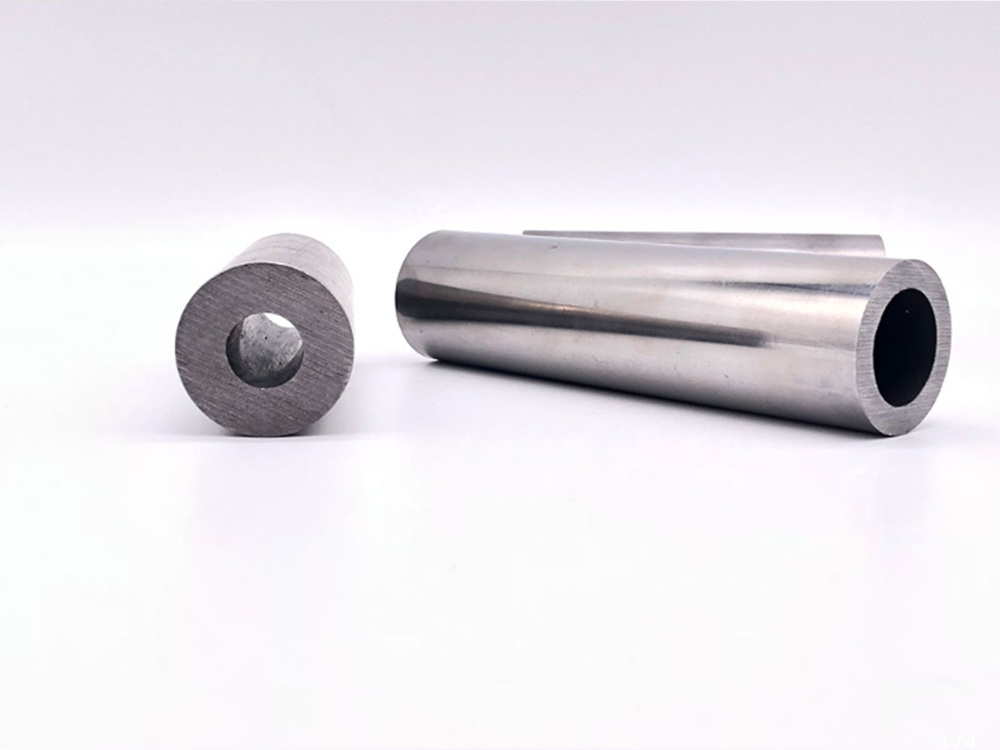
Auditing a remote mill is harder, but standards and inspection documents close a large part of the gap. <How to Verify ISO Certification for Steel Tube Manufacturers> covers how to confirm that a certification is current, scope-valid, and tied to the actual production site.
Lead Times, Minimum Order Quantities, and Supply Chain Risk
Local sourcing usually wins when the order is small, urgent, or experimental. A nearby distributor can often hold stock, split a bundle, and ship in days. International sourcing usually wins when the order is larger, forecastable, or tooling-intensive enough to justify production scheduling and ocean freight. The trade balance depends on how predictable the buyer’s demand actually is.
Emergency orders deserve particular attention. If the buying organization cannot hold safety stock, an international source will not solve an immediate shortage unless pre-negotiated buffer capacity exists. Cultivating a mill with a defined capacity reserve, clear production milestones, and honest lead-time communication changes that equation. Trade facilitation measures have reduced some customs delays in WTO member economies [4], but port congestion and documentation errors can still add days that a local source would not carry.
For OEM buyers, the practical requirement is not to choose local or international once. It is to build two supply paths with different risk profiles, and then manage each path with appropriate controls.
For OEM buyers, the real risk is not the ocean transit; it is a supplier that cannot hold a schedule once the order enters production. <Managing Custom Steel Tube Lead Times for OEM Buyers> covers how to structure milestones, buffer stock, and review gates so a distant mill behaves more like a local one.
If you are comparing quotes now, a direct technical inquiry should include the finished tube OD, wall thickness, material grade or standard, length, required tolerance, quantity, and target delivery date. Sending the same drawing to local and international suppliers is the fastest way to make the comparison real. For a manufacturing-oriented quote, you can email Sunny@tenjan.com and put “Local vs. international sourcing comparison” in the subject line. If you prefer a call, use +86 51988789990. The goal is not to get the lowest number; it is to make the cost, lead time, and inspection terms directly comparable.
When a Hybrid Sourcing Model Makes the Most Sense
Many mature procurement teams operate both channels. They use local stock for prototyping, short-run replacements, and urgent service demand, while international mills handle the high-volume, repeat-forecast, and special-process work. The hybrid model is not a hedge for hedging’s sake. It is a way to match the supply route to the order’s risk profile.
A practical rule: if the order is repeatable and the specification is stable, international sourcing begins to earn its overhead at larger volumes. If the order is uncertain, seasonal, or must arrive next week, local stock is easier to justify. The decision can change by part number. A hydraulic cylinder tube with tight straightness and surface requirements may go to one source for development and another for series production.
Final Sourcing Checklist and Inquiry
Before you commit, run the following checks:
- Confirm the delivery term in Incoterms 2020 language, including who arranges freight and insurance [1].
- Request current ISO 9001 and any application-specific certifications with the actual production-site address [2].
- Agree on the inspection document type: 2.1, 2.2, 3.1, or 3.2, depending on the material and application [3].
- Validate tolerance, grade, and mechanical properties against the named standard before accepting a price.
- Ask for a written lead-time schedule with production milestones, testing gates, and shipment date.
- Compare total landed cost, not only mill price.
If you are weighing local and international sources for seamless or precision welded tube, we can help make the comparison technical rather than emotional. Send your drawing, quantity, grade, and required delivery date to Sunny@tenjan.com, call +86 51988789990, or reach us on WhatsApp at +86 13401309791. We work with ASTM, EN, DIN, and JIS standards and can provide the dimensional and inspection details needed to compare quotations on equal terms.
Frequently Asked Questions
Does local sourcing always mean faster delivery?
No. Local sourcing reduces transport time, but it does not guarantee faster delivery if the local supplier lacks the required grade, size, or capacity. A nearby distributor with no available production slot may be slower than an international mill with scheduled capacity. Compare total lead time, not geography alone.
Is international sourcing riskier for quality?
Not inherently. Risk depends on the supplier’s quality system and inspection evidence. ISO 9001:2015 [2] and EN 10204 inspection documents [3] help establish control. Third-party inspection and clear tolerance reporting reduce information asymmetry.
What is more important for steel tubes: unit price or total landed cost?
Total landed cost. Unit price ignores freight, duties, insurance, inspection, carrying cost, rework, and delay. A lower base price can become expensive after a border issue, poor packing, or a nonconforming lot [1].
Should a buyer use only local or only international sources for steel tube procurement?
Usually no. A hybrid approach works for many OEM buyers: local sources for urgent, small, or development requirements, international sources for repeatable, higher-volume, or special-process production. The best choice is part-specific.
References
[1] International Chamber of Commerce, Incoterms 2020: ICC Rules for the Use of Domestic and International Trade Terms, ICC Publication No. 723E, 2019.
[2] International Organization for Standardization, Quality Management Systems — Requirements, ISO 9001:2015, 2015.
[3] European Committee for Standardization, Metallic Products — Types of Inspection Documents, EN 10204:2004, 2004.
[4] World Trade Organization, Trade Facilitation Agreement, 2017.
[5] ASTM International, Standard Specification for Seamless Carbon and Alloy Steel Mechanical Tubing, ASTM A519/A519M-21, 2021.
If you’re interested, check out these related articles:
Steel Tubes for Construction Applications: Selection Guide
Custom-Shaped Steel Tubes: Design Considerations
How EN10305 Steel Tube Standard Affects Precision Tube Procurement