Welcome to Changzhou Tenjan Steel Tube Co., Ltd
Sunny@tenjan.com



I have watched systems run for years without a hiccup and seen others stall within an hour because someone hurried a cut or missed a torque spec. Precision steel tube installation is won in the small decisions, the measurements that are right the first time, and the discipline to follow proven steps. When best practices are respected, performance, safety, and costs stay on track. Our experience keeps proving the same point: the installation process is as decisive as the quality of the tubes, and treating each stage with care sets up the system for a long, trouble-free life.
Understanding the Importance of Proper Tube Installation Techniques
1. Why adherence to best practices is crucial for system integrity
Following best practices in precision steel tube installation protects system integrity. Incorrect work introduces weak points that turn into premature wear, leaks, or even full-on failures. Those failures bring downtime, repair bills, and safety exposure no one wants. Proper methods keep the system operating within design limits, so function and service life stay as intended. In short, when integrity holds, so do reliability and safety across the entire operation.
2. The impact of incorrect installation on performance and safety
Mistakes in installation hit performance and safety directly. Misalignment, wrong torque on fittings, or poor support stacks stress and vibration into the layout, and fluid behavior suffers. That means lower efficiency, higher energy draw, and faster component wear. On the safety side, a compromised connection can let go under pressure, releasing hazardous fluids or gases with serious injury or environmental consequences on the line. We build quality at the factory and champion flawless installation in the field.
Comprehensive Planning and Preparation for Tube Installation
Effective planning and preparation are the groundwork for successful precision steel tube installation. Skipping early steps tends to show up later as rework, delays, and extra cost. We favor a thorough approach that weighs everything from materials to local conditions before a single cut is made.
1. Selecting the right materials and tools for the job
Choosing the correct materials and tools is non-negotiable for precision results. Tube material must match pressure, temperature, and chemical compatibility. For high-pressure boiler service, alloys such as ASTM A192 Steel Pipe or DIN 17175 Steel Pipe are common picks. Tools need to be calibrated and in good condition to deliver accurate cuts, bends, and connections. Inferior or mismatched tools scar tubes or fittings and invite leaks or failures. We stick closely to material specs and tool maker guidance.
2. Ensuring proper storage and handling of steel tubes
Good storage and handling keep tubes pristine before installation. Store on racks, off the floor, protected from moisture, dirt, and temperature extremes. That wards off corrosion, contamination, and distortion. During transport, secure bundling and padding prevent bending, scratches, and dents. Any damage can undermine structural integrity and cause fit-up or early-life problems. We run tight storage protocols to preserve material quality.
3. Site assessment and environmental considerations
A solid site assessment spots conditions that could interfere with the work. Temperature, humidity, dust, and vibration all affect materials and tooling. Confined spaces or hazardous atmospheres call for specific safety controls and equipment. Planning for these realities cuts risk and keeps installation moving. Environmental responsibilities include proper waste handling and compliance with local rules.
Step-by-Step Guide to Effective Tube Cutting and Preparation
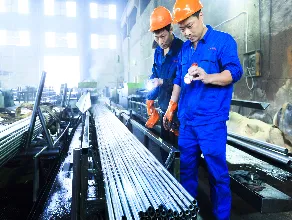
Accurate cutting and careful prep set up reliable tube connections. These steps ripple into bending and joining quality, for better or worse.
1. Techniques for accurate and clean tube cutting
Clean, accurate cuts are the start of proper fit-up and connection integrity. We use dedicated tube cutters or saws with blades matched to the material. Cold-drawn tubes can need a different approach than welded tubes. Cuts must be square to the tube axis to avoid angled joints that build in stress or leak paths. A clean cut limits burrs and readies the surface for the next step.
2. Deburring and cleaning procedures for optimal connections
After cutting, we always deburr and clean. Deburring clears internal and external sharp edges so seals are not nicked and flow is unobstructed. Cleaning removes metal fines, oils, and dirt from ends and bores. Leftover contaminants can weaken welds, compromise fittings, or send debris into service. We rely on purpose-built tools and appropriate solvents to get to bare, clean metal.
3. Understanding tube end preparation for various joining methods
End prep depends on the joining method. For welding, ends need the specified bevel and a clean surface to achieve full penetration and strong welds. Flaring forms a cone at the end, while compression fittings depend on precise diameter and a straight, clean cut. Each method demands exact prep for a leak-tight, durable joint. Knowing these details up front prevents rework and costly failures.
Mastering Tube Bending and Forming for Precision Applications
Bending and forming place tubes where they need to go in tight layouts. Done poorly, bending adds stress, chokes flow, and weakens the structure.
1. Principles of cold bending and hot bending steel tubes
Cold and hot bending are the main routes for shaping steel tubes. Cold bending happens at room temperature, fits smaller diameters and gentler radii, and preserves properties, though it can leave residual stress. Hot bending at elevated temperatures suits larger diameters or tighter radii, lowers force, and limits spring-back. Temperature must be controlled to avoid degrading the material. The best choice depends on material, diameter, wall, and bend radius.
2. Preventing material distortion and maintaining structural integrity
Avoiding distortion during bending is key to structural integrity. With the proper equipment, such as mandrel benders, we prevent collapse or ovality. Lubrication cuts friction and stress. Bend radius must fit the material and dimensions to avoid thinning on the outside or wrinkling on the inside. We watch wall thickness and cross-section closely throughout the bend.
3. Advanced techniques for complex tube geometries
Complex geometries call for advanced techniques and purpose-built machinery. Multi-axis CNC tube benders deliver intricate shapes with accuracy and repeatability. Hydroforming or press bending can be the right call when unique sections or tight tolerances are needed. These methods turn demanding designs into reality while holding structural and functional properties.
Secure and Reliable Tube Joining Methods and Practices
Joints make or break a tubing system. Secure, reliable connections prevent leaks, hold pressure, and keep flow as designed.
1. Overview of common joining techniques: welding, flaring, and compression fittings
Welding, flaring, and compression fittings cover most needs. Welding gives a permanent, high-strength joint suited to high pressure and temperature. Flaring forms a cone that seals against a mating surface, common in refrigeration and automotive work. Compression fittings use a ferrule that bites and seals as it is tightened, so the joint is serviceable and works well across fluid power systems. Each option has its own fit-up and application rules.
2. Best practices for achieving leak-proof and durable connections
Leak-tight, durable joints come from disciplined technique. In welding, that means correct filler, proper shielding gas, and skilled hands. Flared joints rely on precise tooling and correct torque. Compression fittings need clean, burr-free ends and the proper tightening sequence. Over-torque and under-torque both invite leaks. We invest in training and enforce consistent execution.
3. Adhering to industry standards (e.g., ASTM, EN, DIN, JIS) for joining
Compliance with ASTM, EN, DIN, and JIS standards is non-negotiable. These frameworks cover material pairing, joint design, welding procedures, and testing. Meeting them means joints are qualified for pressure, temperature, and fatigue. For example, ST35 Seamless Pipe or ST52 Steel Pipe in European service must align with EN requirements. Our procedures are built to meet or exceed these benchmarks, so every connection carries documented confidence.
Quality Control and Inspection Protocols for Installed Tubes
Quality control and inspection after installation verify that everything is ready for service. Finding defects now avoids trouble later.
1. Visual inspection and non-destructive testing (NDT) methods
Start with visual checks for misalignment, weld quality, and damaged fittings. Then use non-destructive testing for depth. Radiographic testing (RT), ultrasonic testing (UT), magnetic particle testing (MT), and liquid penetrant testing (PT) reveal internal flaws, cracks, or wall variations without harming the tubes. Certified NDT technicians carry out these evaluations for full coverage.
2. Pressure testing and leak detection procedures
Pressure testing demonstrates that the system holds at operating pressures without leaks. Hydrostatic tests use liquid, pneumatic tests use gas. Leak detection by soap bubble checks or tracer gas methods locates the exact source of any loss. These steps are especially important when hazardous or high-pressure media are involved. We run tests to specified safety factors and hold times.
3. Documentation and certification requirements for compliance
Complete documentation and certification are part of doing it right. Record material certs, welding procedures, NDT results, pressure test reports, and installer qualifications. This creates a traceable history for audits, maintenance, and modifications. Certification confirms conformance to applicable standards and project specifications.
Safety Considerations and Risk Mitigation in Tube Installation
Safety does not happen by accident. Anticipate risks, equip people properly, and enforce procedures.
1. Personal protective equipment (PPE) and site safety protocols
PPE starts with safety glasses, gloves, hard hats, and safety footwear. Depending on the task, add respirators, hearing protection, or welding-specific gear. Site protocols matter, including lockout or tagout, confined space permits, and hot work permits. We run regular briefings and keep training current for everyone on site.
2. Handling hazardous materials and working in confined spaces
Hazardous materials, like certain cleaners or welding fumes, require training and ventilation. Material Safety Data Sheets (MSDS) must be close at hand. Confined spaces bring risks such as low oxygen, toxic gases, and restricted exit routes. Entry demands careful planning, atmospheric monitoring, and a standby rescue team. We follow strict regulations for these high-risk tasks.
3. Emergency procedures and accident prevention
Build and practice emergency procedures so responses are second nature. That includes fire, chemical spill, medical, and structural emergency protocols. Drills make the difference when seconds count. Strong prevention programs, with hazard identification, risk assessment, and ongoing safety training, lower the chance of incidents. Our culture favors prevention over reaction.
Optimizing Performance and Longevity of Installed Tubing Systems
Getting the most from a tubing system means staying proactive after the install.
1. Post-installation maintenance and inspection schedules
Create routine maintenance and inspection schedules and stick to them. Include visual checks, leak surveys, and functional tests. Preventive steps like cleaning, lubrication, and timely replacement of wear parts stop small issues from becoming big ones. Consistent schedules catch developing problems early.
2. Troubleshooting common issues and preventing future failures
When issues arise, effective troubleshooting targets root causes behind leaks, pressure loss, or vibration. Use diagnostic tools and a structured method. To prevent repeats, analyze incident data, implement corrective actions, and refine maintenance. Continuous improvement based on real operating experience boosts reliability.
3. The role of high-quality precision steel tubes in system reliability
High-quality precision steel tubes anchor system reliability. Tight tolerances and stringent material controls, as found in Precision Pipe&tube or Seamless Pipe&Tube, deliver strength, corrosion resistance, and stable dimensions. That combination reduces failure risk, trims maintenance, and extends service life. Our commitment to top-tier tubes underpins the long-term results our clients expect.
Partner with Us for Your Precision Steel Tubing Needs
Ensure your next project benefits from the highest quality precision steel tubing and expert guidance. We provide tailored solutions and technical support from material selection to installation best practices. Contact us today to discuss your specific requirements and learn how our ISO-certified products can enhance your system’s performance and longevity.
Email: Sunny@tenjan.com
Tel:+86 51988789990
Phone:+86 13401309791
WhatsApp:+86 13401309791
FAQs
1. What are the most common mistakes made during tube installation?
Frequent mistakes include poor cutting, inadequate deburring, incorrect fitting assembly, and weak support. These issues often turn into leaks, premature wear, and failures. Over-tightening or under-tightening, mixing incompatible materials, and skipping proper cleaning are also common culprits.
2. How do different steel tube materials impact installation practices?
Material choice changes the playbook. Carbon steel, alloy steel, and stainless steel bring different properties that affect cutting, bending, and joining. For instance, alloy grades such as 4140 Steel Pipe or 25CrMo4 Steel Pipe can require specific welding procedures or heat treatment. Hardness influences machining and forming, while corrosion resistance dictates environmental protection.
3. What are the key safety precautions to observe when installing high-pressure tubes?
For high-pressure systems, use appropriate PPE, verify depressurization, and rely on specialized tools. Make sure teams are trained for high-pressure work, apply lockout or tagout, and perform thorough pressure testing to prevent catastrophic failures.
4. How can I ensure dimensional accuracy during complex tube installations?
Hold tight tolerances with precise measurements, accurate bending equipment, and careful alignment. Use 3D scanning and CAD for design and verification, and lean on experienced fabricators and installers to keep deviations in check.
5. What is the importance of proper cleaning and deburring before joining tubes?
Proper cleaning and deburring set the stage for strong, leak-tight joints. Deburring removes edges that cut seals or create turbulence. Cleaning strips out dirt, oil, and metal particles that would otherwise weaken welds, compromise fittings, or clog the system.


Home Product Capabilities Case Studies Blogs About Get a Quote
Pipe & Tube Manufacturing Process Shapes & Profiles Pipes & Tubes Material Standard Steel Pipes & Tube Rebar Couplers Cold Drawn Steel Profiles & Bars
Oil & Petrochemical Industry Automotive & Motorcycle Components Mechanical Engineering Components Mining Construction Support Structures High-Pressure Boiler System Construction Machinery Geological Drilling Agricultural Machinery Parts Industrial Fluid Transfer Systems


© 2024 Changzhou Tenjan Steel Tube Co., Ltd All rights reserved. Privacy StatementTerms-ConditionsSitemap
