Welcome to Changzhou Tenjan Steel Tube Co., Ltd
Sunny@tenjan.com



Getting steel tubes delivered on time sounds straightforward until you’re three weeks into a project delay because a supplier couldn’t source the right alloy grade. I’ve watched procurement teams scramble when lead times stretched beyond what anyone planned for, and the ripple effects hit everything from labor scheduling to client relationships. The reality is that steel tube lead times depend on a web of interconnected factors, and understanding them upfront saves considerable headaches down the line.
Raw material availability acts as the starting gun for any steel tube production run. Global market conditions, geopolitical tensions, and the strength of supplier networks all shape how quickly manufacturers can get their hands on essential alloy steel and carbon steel feedstock.
Specific grades for high-performance applications present particular challenges. When a project calls for specialized alloy compositions, procurement teams often find themselves competing with other buyers in tight markets. Strategic partnerships and vertical integration help secure consistent material integrity and build supply chain resilience against unpredictable swings.
Market volatility creates real problems. Sudden price spikes or shortages can add weeks to lead times without warning. Manufacturers who maintain strong supplier relationships and buffer inventories handle these disruptions better than those operating hand-to-mouth.
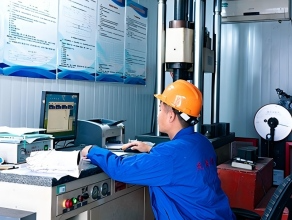
The gap between standard and specialized steel tubes shows up clearly in production timelines. Standard Seamless Carbon Steel Tubes move through facilities relatively quickly. Products like Precision Pipe&tube or Special-Shaped Alloy Steel Tubes with complex geometries require fundamentally different approaches.
Cold drawing and cold rolling processes demand careful setup and execution. Heat treatments for enhanced mechanical properties add their own time requirements. Each step builds on the previous one, and rushing any stage compromises the final product.
International standards compliance introduces additional considerations. Meeting ASTM, EN, DIN, and JIS specifications requires documented quality assurance steps and certification processes. For precision tubing applications, these verification stages protect both manufacturer and buyer but extend overall timelines.
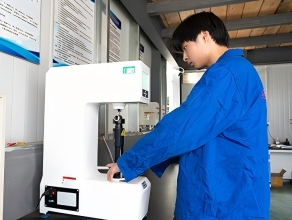
Optimizing steel tube delivery schedules requires deliberate coordination between production scheduling and inventory management. Effective lead time reduction strategies emerge from continuous process refinement and strong supplier collaboration.
Contract manufacturing handles specialized needs that fall outside core capabilities. Expedited shipping addresses urgent requirements when standard timelines won’t work. Proactive risk mitigation through buffer inventories and flexible production lines creates adaptability that rigid systems lack.
The difference between proactive and reactive approaches shows up in outcomes. Teams that plan for variability maintain project momentum. Those caught off guard spend resources firefighting instead of executing.
Vertical integration offers meaningful advantages for lead time control. Managing full process control from raw material to finished product reduces external dependencies that introduce uncertainty.
This approach streamlines operations while enhancing quality control. ISO-certified facilities conducting rigorous NDT inspections and PMI inspections at every stage guarantee material certification and integrity. The result is greater predictability in delivery schedules.
Specialized products like ASTM A179 Steel Pipe or DIN 2391 Steel Pipe benefit particularly from integrated production. When one organization controls the entire process, coordination problems between separate entities disappear.
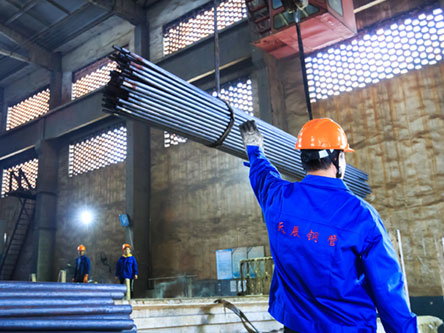
Poor lead time planning triggers cascading problems. Significant project delays create substantial cost implications that extend far beyond the steel tubes themselves.
Critical applications demand particular attention. OEM applications for automotive components, construction machinery, and hydraulic systems operate on tight schedules. Minor delays can halt entire production lines, generating costly downtime that dwarfs the value of the tubes themselves.
Large-scale engineering projects involving high-pressure boilers face additional stakes. Reliable delivery supports safety requirements, operational continuity, and regulatory compliance. Supply chain resilience becomes essential for effective project planning optimization and protecting organizational reputation.
Choosing a manufacturing partner shapes procurement predictability more than most procurement decisions. Reliable suppliers demonstrate expertise in precision steel tubing through consistent reliable delivery track records.
ISO-certified facilities indicate adherence to established quality standards. The capability to offer tailored solutions and custom solutions for complex engineering projects globally signals genuine manufacturing depth.
| Key Consideration | Description |
|---|---|
| Vertical Integration | Full control from raw material to finished product for enhanced predictability. |
| Quality Certifications | ISO-certified processes, NDT, PMI inspections for guaranteed material integrity. |
| Customization | Capability to produce custom geometries and specialized steel tubes. |
| Global Reach | Experience in supporting engineering projects globally. |
| Communication | Transparent and proactive updates on production and delivery status. |
Lead times for custom steel tubes range widely based on design complexity, material specifications, and order volume. A straightforward cold drawn welded tube typically requires 4-6 weeks. Complex geometries or precision tubing with specialized treatments often extend to 12-16 weeks or longer. Early conversations with suppliers during project planning establish realistic expectations before commitments are made.
Raw material sourcing directly determines when production can begin. Fluctuations in the global supply chain for iron ore or specific alloys create delays that manufacturers cannot control. Suppliers with strong relationships and vertical integration manage these challenges more effectively, maintaining consistent material integrity and reducing upstream disruption risks.
Expedited shipping for specialized steel tubes is often feasible but carries additional costs. Production capacity and current order backlogs determine what’s actually achievable. Urgent orders can sometimes receive priority treatment, though discussing project deadlines and potential tailored solutions early helps clarify feasibility and cost implications before they become problems.
Managing steel tube lead times well requires a partner with proven expertise, vertical integration, and genuine commitment to precision. At Changzhou Tenjan Steel Tube Co.,Ltd, we leverage full process control, ISO-certified quality, and extensive experience since 2004 to deliver tailored solutions and high-precision tubing for critical applications. From seamless tubes to custom geometries compliant with ASTM, EN, DIN, and JIS standards, we help projects stay on schedule and within budget. Our PMI and NDT inspections guarantee material integrity. Contact our specialists today for a consultation or to discuss your specific steel tube requirements. Email: Sunny@tenjan.com | Tel:+86 51988789990 | WhatsApp:+86 13401309791| Tel:+86 51988789990 | WhatsApp:+86 13401309791


Home Product Capabilities Case Studies Blogs About Get a Quote
Pipe & Tube Manufacturing Process Shapes & Profiles Pipes & Tubes Material Standard Steel Pipes & Tube Rebar Couplers Cold Drawn Steel Profiles & Bars
Oil & Petrochemical Industry Automotive & Motorcycle Components Mechanical Engineering Components Mining Construction Support Structures High-Pressure Boiler System Construction Machinery Geological Drilling Agricultural Machinery Parts Industrial Fluid Transfer Systems


© 2024 Changzhou Tenjan Steel Tube Co., Ltd All rights reserved. Privacy StatementTerms-ConditionsSitemap
