Single Supplier for Multiple Tube Types: Why It Pays
Precision steel tube procurement is full of quiet trade-offs. A round seamless hydraulic tube, a square structural profile, and a special-shaped alloy section can each look simple on a drawing, but when they arrive from three…
Precision steel tube procurement is full of quiet trade-offs. A round seamless hydraulic tube, a square structural profile, and a special-shaped alloy section can each look simple on a drawing, but when they arrive from three different suppliers, the buyer carries three sets of tolerances, three inspection protocols, and three quality systems. The question is not whether a single supplier can make all three — many can. The question is what changes when one supplier owns the full bundle.
Ask yourself how many quality systems you are currently auditing for one assembly. If the answer is higher than one, the hidden cost may already be larger than the price difference you are chasing.
The Hidden Costs of Splitting Tube Orders
Purchasing teams usually optimize unit price first, because the price per meter fits neatly into a spreadsheet. What does not fit as neatly is the overhead that appears after the order is placed: multiple drawing approvals, multiple material certificates, different tolerance conventions, and separate incoming inspection plans. A mixed RFQ sent to three suppliers may save a few points on one line item while adding days of coordination on the others.
Consider a construction machinery OEM that ordered round hydraulic cylinder tubes from one mill, square structural profiles from a second, and oval locking profiles from a third. Each batch passed its own incoming inspection, but near assembly the oval profile’s corner geometry had to be adjusted against the square frame, and the round tube’s surface finish differed slightly from what the welding team expected. The buyer spent two weeks coordinating three corrective actions — not because any supplier was incompetent, but because no one owned the interface.
ISO 9001:2015 requires an organization to control externally provided processes and products, and to apply risk-based thinking to supplier selection [1]. When the supplier base for one assembly includes three factories, that risk assessment is repeated three times. The result is a hidden cost that does not appear on any invoice.
A single-supplier evaluation should look beyond unit price at process control and inspection capability. Steel Tube Supplier Evaluation: Technical Criteria for Engineers covers the technical checks engineers can apply before consolidating multiple tube lines.
What “Multiple Tube Types” Really Means
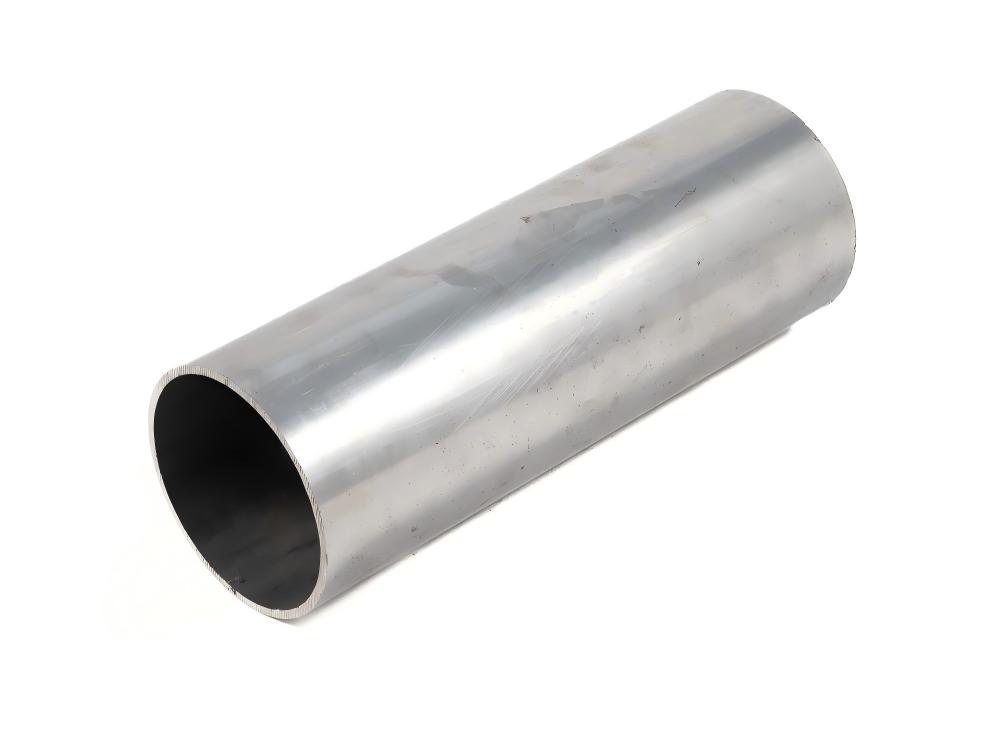
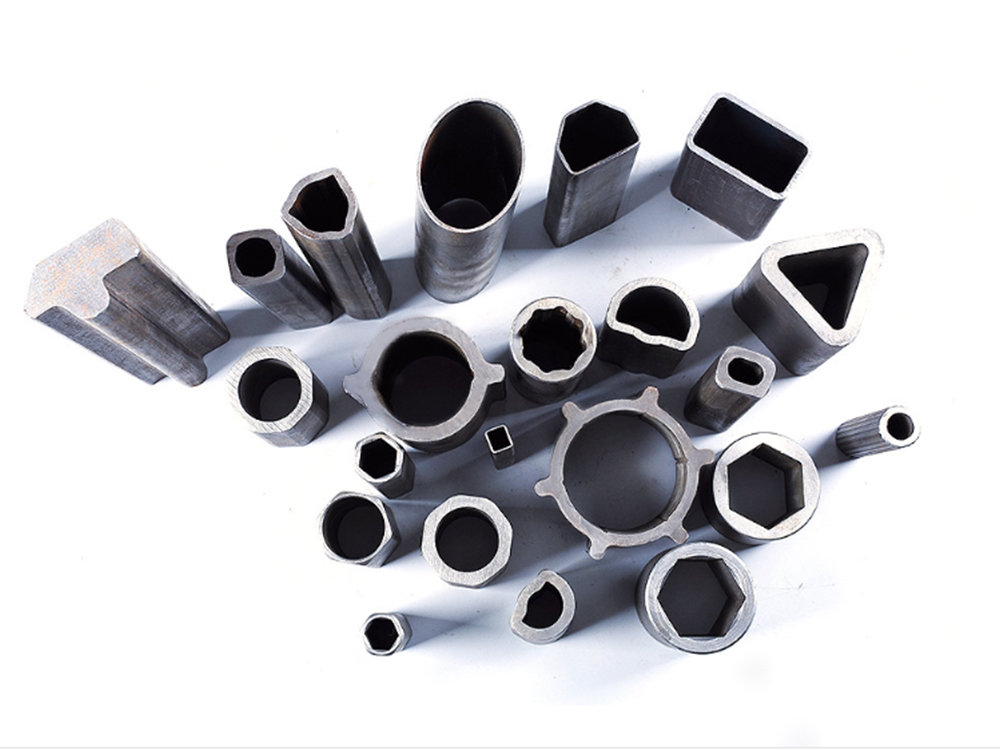
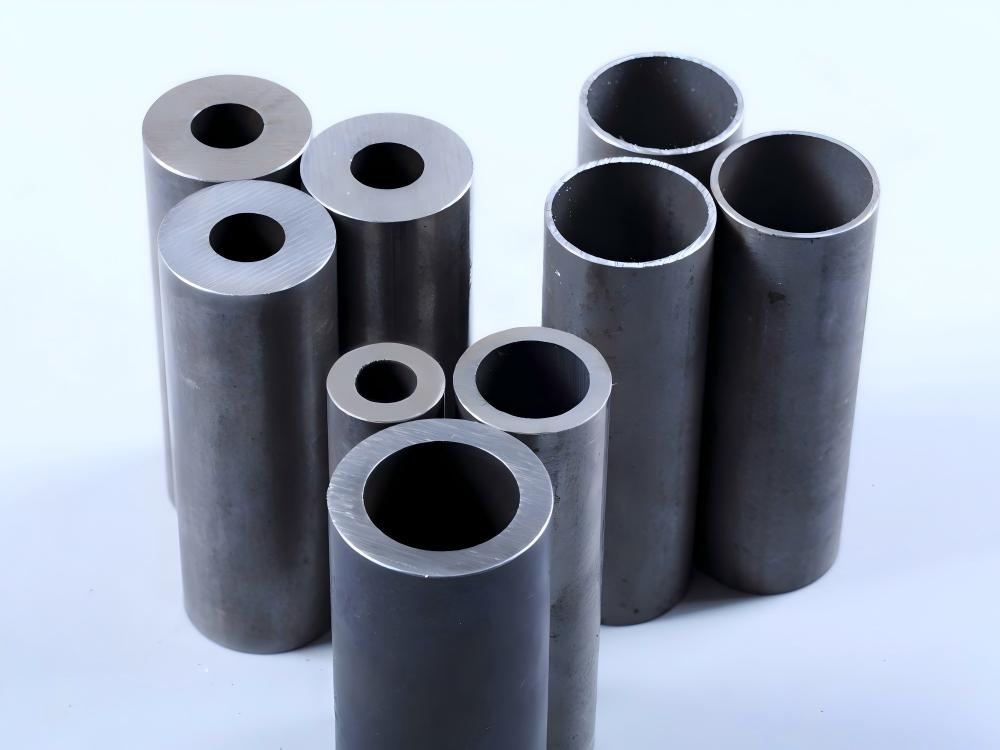
The phrase often refers to a mixed bill of materials: cold-drawn seamless tubes for hydraulic cylinders, cold-drawn welded tubes for lower-pressure structural parts, square and rectangular profiles for machine frames, and special-shaped profiles for locking geometries. A buyer may not need exotic alloys on every line item. What matters is that the supplier’s process range can cover the required cross-sections, wall thicknesses, and tolerance classes without sub-contracting the difficult lines.
For precision seamless tube, EN 10305-1 establishes technical delivery conditions for dimensional accuracy, surface quality, and mechanical properties [2]. Where the material is a seamless carbon or alloy mechanical tube, ASTM A519 provides a widely used framework for grades and chemical requirements [3].
| Tube type | Typical standard reference | Main process route | Key buyer check |
|---|---|---|---|
| Seamless precision tube | EN 10305-1 / ASTM A519 | Cold drawn or cold rolled | OD, wall thickness, surface, mechanical properties |
| Cold-drawn welded tube | Buyer drawing or precision welded-tube standard | Welded then cold drawn | Dimensional accuracy, weld soundness |
| Square or rectangular profile | Buyer drawing / profile standard | Cold drawn | Corner radius, straightness, torsion |
| Special-shaped section | Buyer drawing + material standard | Cold drawn | Profile geometry, material identity |
The table is not the whole answer. The real benefit appears when the same test house, the same mill, and the same drawing-change process handle all rows.
Quality Consistency Under One Quality System
Multiple suppliers can all be certified, but each certified system differs in calibration frequency, inspection method, sampling plan, and how it handles a nonconformance. When tubes from three sources enter the same assembly, those small differences can create variation in hardness, straightness, or surface condition. Consolidation reduces the number of quality systems an OEM must audit and monitor.
IATF 16949:2016 adds product safety, traceability, and process-control expectations that are harder to coordinate across a fragmented supplier base [4]. For tube programs feeding automotive or other safety-related assemblies, that coordination burden is not a paperwork detail; it is part of the quality case.
If you are currently comparing inspection plans across multiple tube suppliers, a faster route is to ask for one consolidated trial order and one quality dossier. Send the mixed tube list to Sunny@tenjan.com and a technical team can check each line against the required standard, drawing, and tolerance class before quoting.
Traceability and Documentation Without Extra Work
One of the first things a quality manager asks is not whether the tube performs, but whether its paperwork survives an audit. A 3.1 inspection certificate records the material’s heat identity and test results. With one supplier, that record chain is easier to assemble because the incoming material, drawing revision, process route, and final inspection are all visible in one system.
EN 10204:2004 defines the type 3.1 certificate used across steel tube procurement [5]. A single supplier can provide a consistent package across the tube types in the order, which reduces the chance that one line item arrives with a different document format or missing heat reference.
Consolidation is easier when the supplier can demonstrate one document chain across multiple tube grades. Precision Tube Quality Inspection Checklist covers what to look for in incoming inspection records and test evidence.
Positive material identification and non-destructive testing are stronger when they follow a single inspection philosophy rather than three different interpretations of “acceptable.”
Commercial Leverage and Administrative Simplicity
Volume alone does not guarantee a better price, but a consolidated package changes the conversation from one-off line items to a forecast. The supplier can plan mill runs, cold-drawing schedules, and final processing more efficiently, and the buyer replaces three purchase orders, three invoices, and three shipment trackers with a smaller administrative load.
For custom profiles, a single supplier can also run tooling and drawing reviews once instead of three times. Lead time planning becomes easier when mixed standard and custom tube lines share a production window. That is especially useful for OEMs that release small batches and need predictable replenishment across several part numbers.
Mixed custom orders often fail on lead time rather than price. Managing Custom Steel Tube Lead Times for OEM Buyers covers the planning steps that keep multiple tube types on one schedule.
Technical Collaboration and Risk Control
A single supplier can engage earlier in design for manufacturability. Instead of translating a drawing to three suppliers, the buyer has one engineering conversation about bend radius, corner fill, straightness, or bore geometry. When a prototype reveals a problem, the feedback loop is shorter and less contradictory.
This is one of the less obvious benefits of using a single supplier for multiple tube types: the feedback loop becomes one conversation instead of three. That does not mean consolidation is risk-free. It concentrates supplier risk. The check is not whether the supplier claims broad capability, but whether it carries enough capacity, raw-material access, and inspection throughput for the combined volume. A qualified source should be able to show process control across multiple lines, not only on a single flagship product.
Start with a data-led sourcing review
A practical first step is to send the supplier one mixed bill of materials with the standards or drawings for each tube line. Ask for a single quote, a single delivery schedule, and a single quality dossier. For a technical review of a multi-type tube package, contact the team at Changzhou Tenjan Steel Tube Co., Ltd. at Sunny@tenjan.com, call +86 519 8878 9990, or reach WhatsApp at +86 134 0130 9791.
FAQ
Does a single supplier really cover both seamless and welded tubes?
It depends on the supplier’s process range. Many vertically integrated tube manufacturers run cold-drawn seamless and cold-drawn welded routes in the same facility. The key is to verify actual production capability against the required standards and drawings, not to assume that one certificate covers every process.
Will consolidating suppliers reduce quality options?
Not necessarily. A supplier with a broad material portfolio and cold-drawing capability can cover round, square, rectangular, and special-shaped sections. The buyer should still review both the standard-based requirements and the supplier’s process control records for each product line.
How should we run a single-supplier trial?
Start with a small mixed order that represents the critical tolerances and shapes in the full package. Compare the supplier’s dimensional reports, inspection documents, and delivery performance against the same lines sourced separately. A well-designed trial answers both capability and documentation questions in one cycle.
References
[1] International Organization for Standardization. ISO 9001:2015 — Quality management systems — Requirements.
[2] European Committee for Standardization. EN 10305-1:2016 — Steel tubes for precision applications — Technical delivery conditions — Part 1: Seamless cold drawn tubes.
[3] ASTM International. ASTM A519/A519M — Standard Specification for Seamless Carbon and Alloy Steel Mechanical Tubing.
[4] International Automotive Task Force. IATF 16949:2016 — Quality management system requirements for automotive production.
[5] European Committee for Standardization. EN 10204:2004 — Metallic products — Types of inspection documents.
If you’re interested, check out these related articles:
Precision Tube Quality Inspection Checklist
Custom-Shaped Steel Tubes: Design Considerations