Steel Pipes for Gas Pipelines: Specification Checks
Review steel pipes for gas pipelines. Check scope, material condition, inspection evidence and ordering details before accepting a supplier quotation.
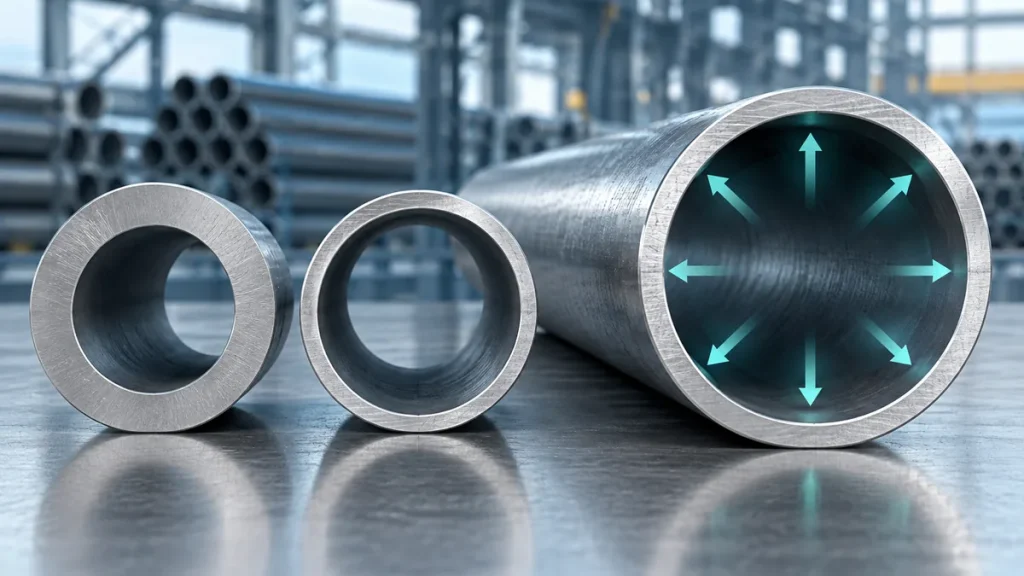
Transmission line pipe, distribution piping, station piping and instrument tubing are different purchasing requirements.
Identify the gas system
Identify the jurisdiction, applicable design rules, gas composition, design envelope, installation conditions and operator specifications. A pipe product standard is only one part of this definition. A size and grade alone do not establish a permissible operating pressure or legal suitability for a gas installation.
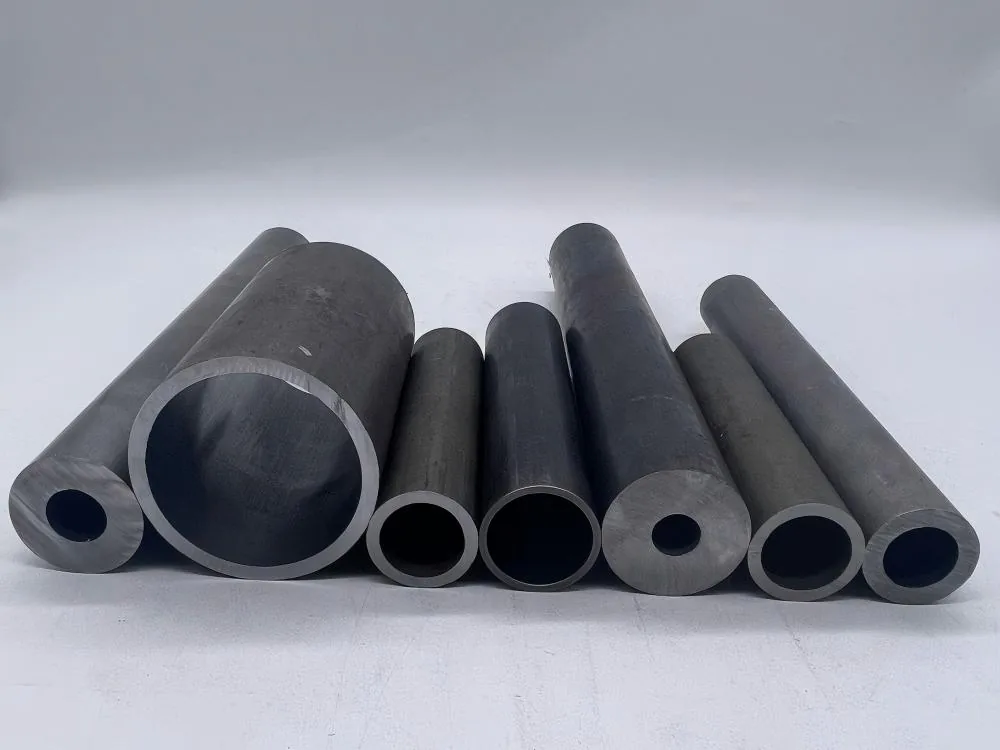
Choose an approved product route
API 5L addresses line pipe for pipeline transportation systems in the petroleum and natural gas industries. Other product specifications may be appropriate to particular station or plant systems. Seamless and welded routes require evaluation within the governing design. Neither the presence nor absence of a longitudinal seam is sufficient to judge an entire pipe's suitability without its specification and inspection evidence.
Treat corrosion and connections as design inputs
External soil or atmospheric exposure and internal wet or corrosive gas conditions require separate assessment. Sour-service requirements have a defined scope and cannot be reduced to a single hardness number. Connections, bends, coating interfaces and supports also need compatible specifications. Changes in grade or wall may affect fabrication and connection qualification, even when nominal dimensions appear unchanged.
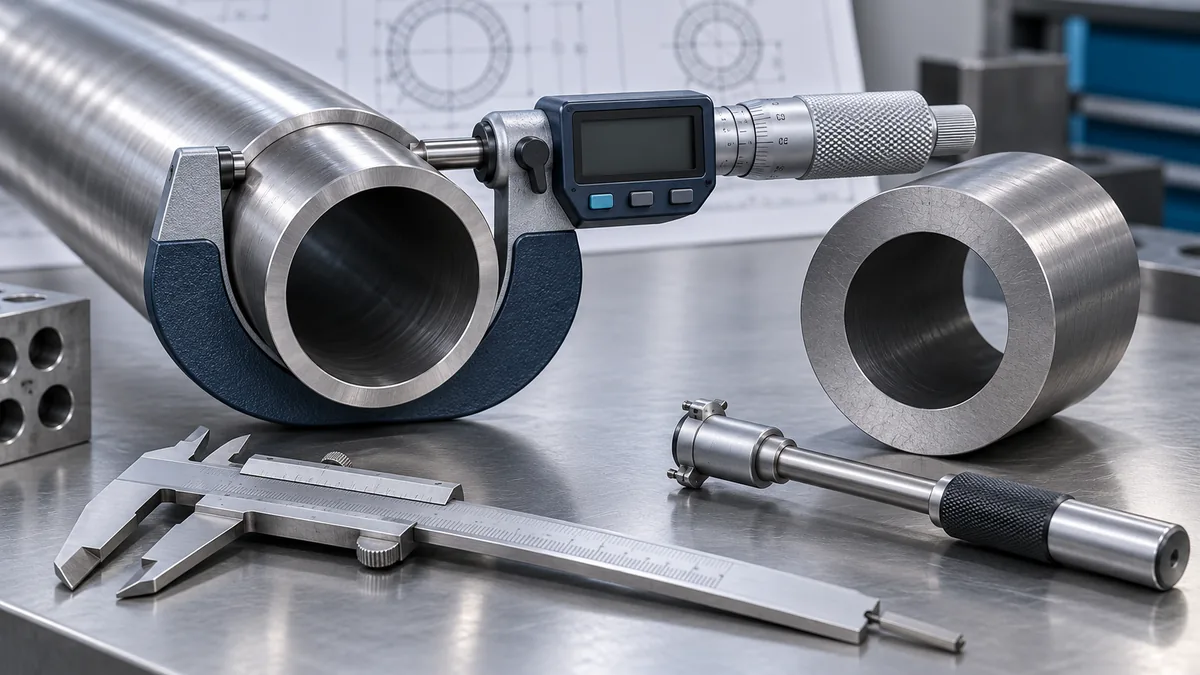
Order and accept a documented system input
Define dimensions, wall basis, end preparation, permitted length range, product identification, required tests and document review points. The inspection requirements should come from the applicable product and project documents rather than a generic list of every available test. Maintain material identity through cutting and installation. The final system pressure test and commissioning process belong to the responsible qualified organization.
A practical specification review
A station spool and a transmission-line replacement might share a nominal diameter while having different product, joining and examination requirements. Keep them as separate line items tied to their design documents. Resolve a supplier's proposed alternative before fabrication, so the receiving team is not asked to approve an undocumented substitution at delivery.
Information to confirm before accepting an offer
- Identify the component or supply item, its intended function and the controlled drawing or procedure revision.
- State applicable product and project documents, material or test requirements, dimensions and the condition in which acceptance is assessed.
- Define the required evidence, inspection responsibilities, identification, reporting format and handling of deviations.
- Confirm what the quotation includes, any subcontracted operations, preservation requirements and how proposed changes will be approved.
Resolve unclear requirements before manufacture or examination. Keep the accepted offer, approved deviations and release records together so that a repeat order can use the same technical basis.
Related technical guides
- Steel Tubes for Oil and Gas: Service, Standards and Inspection
- How Steel Tubes Carry Pressure: Wall Thickness and Design Limits
- Steel Pipe Corrosion Protection Methods for Precision Tube
For a tube inquiry, send the drawing, required material and acceptance requirements through the Tenjan contact page so the requested scope and any supply limitations can be reviewed.