Steel Tube Surface Treatment: Innovations That Improve Precision
Steel tube surface treatment is easier to evaluate when it is seen as a functional specification rather than a final touch. A tube can pass diameter, wall thickness, and straightness checks and still cause trouble downstream…
Steel tube surface treatment is easier to evaluate when it is seen as a functional specification rather than a final touch. A tube can pass diameter, wall thickness, and straightness checks and still cause trouble downstream if its surface chemistry, roughness, or residual film does not match the next process. A surface that is too reactive may corrode before assembly. A surface that is too smooth can hold too little lubricant, while a surface that is too rough can create excessive wear or poor coating adhesion. The innovations now arriving in precision tube finishing are therefore not simply about making steel brighter. They are about making the surface repeatable, measurable, and compatible with a defined service condition. This article explains the treatment routes, the newer finishing methods, and the checks buyers should use before approving a process.
Why Surface Treatment Is a Functional Specification
Surface preparation changes four properties that matter in service: friction during assembly, coating or adhesive bond strength, corrosion tendency before and after installation, and cleanliness for applications such as hydraulics or fuel systems. The correct specification depends on the order of use. A tube that will be zinc phosphated and painted needs a controlled reactive surface, but a hydraulic cylinder tube may need a very low roughness value and a residue-free bore instead of maximum paint adhesion.
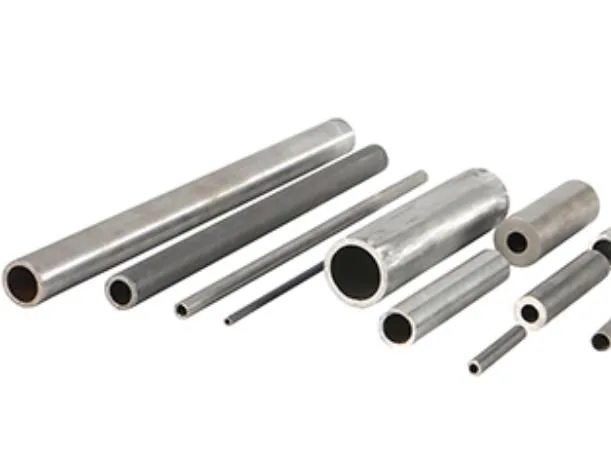
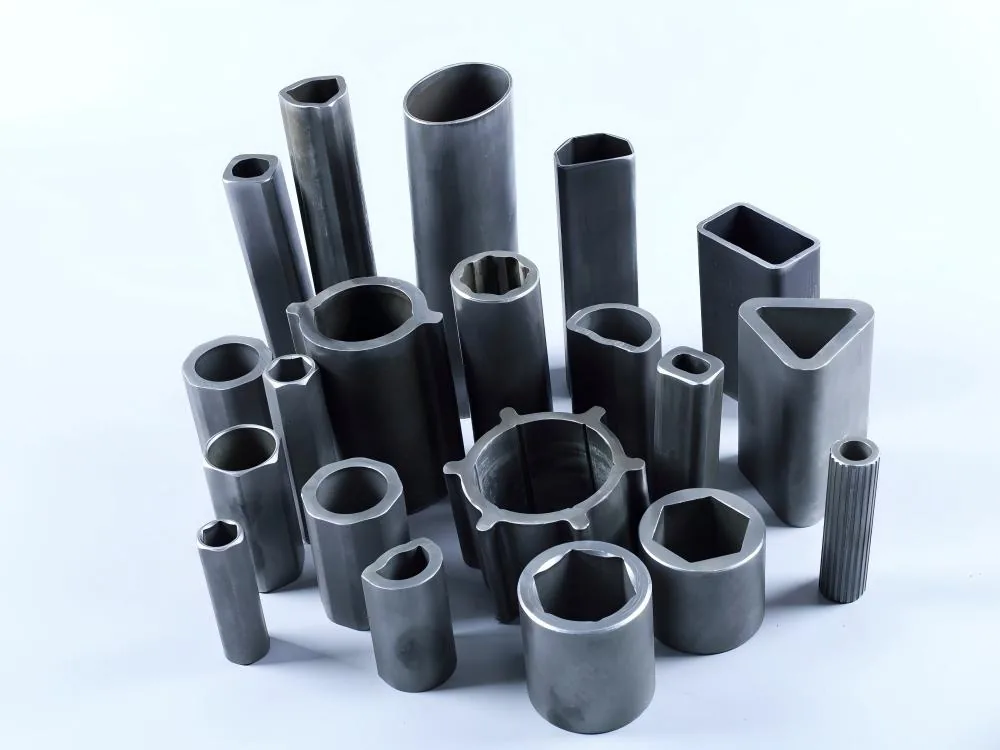
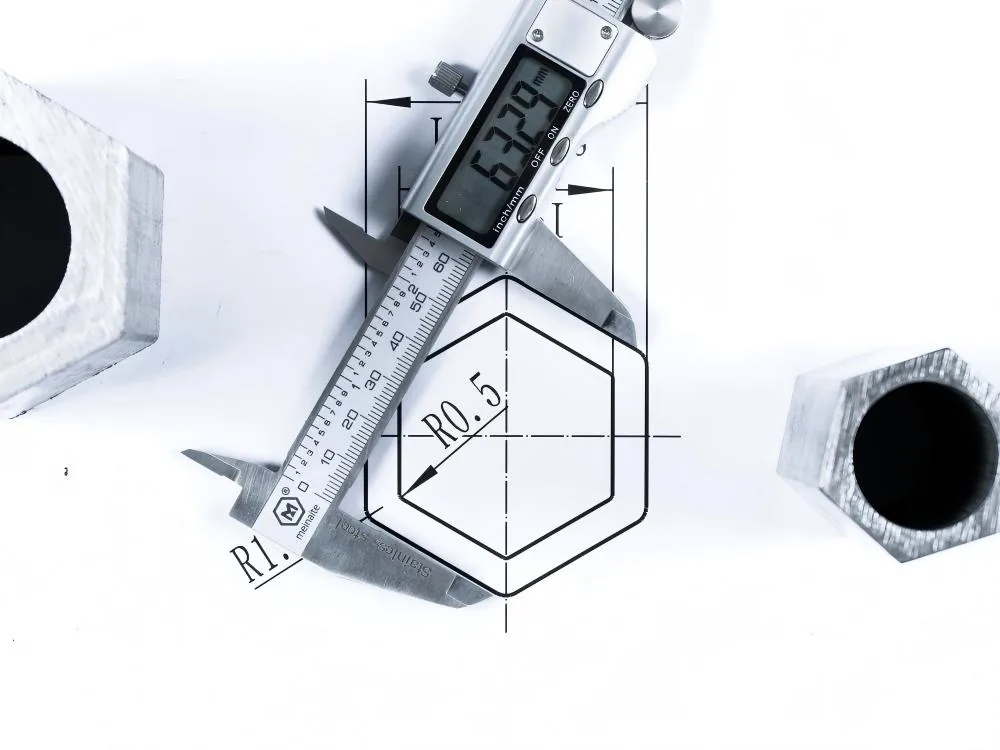
For round, rectangular, hexagonal, and custom profiles, geometry does not remove the need for surface control. In fact, shaped tubes often create shadow zones in cleaning and coating lines. A process that works on a straight round tube can leave recessed corners with too little coverage or trapped cleaning chemistry. That is why modern surface treatment planning starts with the profile shape and the final assembly condition, not with a generic bright finish.
What Pickling, Phosphating, and Passivation Each Change
The traditional routes still matter because each changes a different surface layer. Pickling removes scale and oxides and creates a clean but reactive base. Phosphating converts the surface to a crystalline phosphate layer that accepts oil, wax, or paint and provides some dry lubrication. Passivation, when used on stainless or corrosion-resistant grades, removes free iron and promotes a passive oxide film. On carbon steel the term is often used more loosely to describe a neutralized and protected surface. A buyer who simply asks for pickled and oiled tube without defining the next process may receive a surface that looks correct but has the wrong residue or reactivity.
Pickling remains the workhorse cleaning step before phosphating or passivation, but the line controls determine whether the surface is ready or merely bright. <Why Steel Pipe Pickling Process Needs 6 Strict Controls> covers the process controls that keep acid cleaning consistent.
| Treatment | Main mechanism | Strong fit | Approval point |
|---|---|---|---|
| Pickling | Removes scale, rust, and oxide while roughening and activating the surface | Carbon and alloy steel tube before coating or further finishing | Confirm acid removal and no smut or flash rust remains |
| Phosphating | Converts the surface into a crystalline phosphate layer with oil-holding or paint-bonding properties | Tubes for painting, adhesive bonding, cold forming, or stored parts | Define coating weight or crystal type, not just phosphated |
| Passivation or neutralization | Removes free iron or residual acid and promotes a more stable passive surface | Corrosion-sensitive grades and cleaned surfaces entering assembly | Verify the method matches the alloy and the cleanliness requirement |
| Mechanical polishing or honing | Reduces roughness and removes shallow surface defects | Bores, sealing surfaces, and appearance-critical tubes | Set an Ra window and check for embedded abrasive or smeared defects |
| Oil or dry-film preservation | Leaves a temporary protective film for storage and transport | Finished tubes held before machining or assembly | Match the film to storage time, cleaning step, and downstream compatibility |
Laser, Plasma, and Closed-Loop Cleaning in Tube Finishing
The newer methods shift the control point from manual inspection to process variables. Laser cleaning removes rust, oil, or old coating by delivering focused energy that ablates the contaminant layer. Because it does not rely on a wet chemical bath, it is most useful for selective treatment, welded seams, or complex profiles where tank immersion is difficult. The tradeoff is line speed and capital cost, so it competes best where localized cleanliness matters more than general scale removal.
Plasma treatment is not a cleaning replacement. It modifies the top few molecular layers to raise surface energy and improve adhesion for paint, adhesive, or a functional coating. It works well on already clean steel, but it cannot compensate for loose scale, heavy rust, or embedded oil. That condition is the main implementation mistake: a high-tech step cannot rescue upstream residues.
Closed-loop washing and roughness control are quieter but equally important. Recycling and monitoring the treatment bath keeps concentration and contamination within a defined band, while in-process roughness measurement catches drift before a full batch moves too far from the target. These controls matter more than any single machine because they make the result repeatable.
Specifying Roughness and Cleanliness Without Overbuying
Roughness is often the first number a buyer writes down, but it is also the easiest to overbuy. A polished surface may look safer in a drawing while adding process cost and reducing the retention of lubricant or coating. The better approach is to identify the surface function first: sealing, sliding, bonding, painting, or storage. A sealing surface may need a tight low-roughness band, while a paint-ready tube may need a controlled roughness profile rather than the lowest possible Ra value.
Roughness targets only work when the polishing line can hold the same Ra band from tube to tube. <How to Control Steel Pipe Polishing Process and Surface Ra> covers the polishing controls that keep surface finish measurable and repeatable.
Cleanliness matters after the roughness target is set. A tube can meet an Ra requirement and still carry drawing lubricant, chloride-bearing residue, or loose particles that contaminate a hydraulic system. The approval method should therefore name the measurable requirements: roughness, particle cleanliness, oil film, drying, and freedom from flash rust or smut. For free-cutting grades that will be machined after delivery, the surface treatment also has to remain compatible with the cutting oil and cleaning line that follow.
Protecting the Finished Surface Through Storage and Shipping
A correctly treated tube can still arrive in poor condition if preservation is treated as an afterthought. Condensation, handling fingerprints, mixed-metal contact, and long transit times create conditions that raw carbon steel cannot resist on its own. Temporary oils, dry films, vapor-phase inhibitors, and sealed packaging each work through a different mechanism, and the right choice depends on storage time and whether the customer can clean before use. A heavy oil film may protect better but can add cleaning cost and risk downstream contamination.
A clean tube surface is only protected when the preservation layer matches the storage and shipping environment. <Steel Pipe Corrosion Protection Methods for Precision Tube> covers protection choices that keep finished surfaces from degrading before use.
Tenjan Steel Tube applies the same logic to cold-drawn carbon and alloy steel tubes, where the destination process determines whether an oil film, dry coating, or clean bare surface is appropriate. The finish decision has to be made with logistics in mind, not only with the drawing callout in view.
What to Ask Before Approving a Surface Treatment Trial
A surface treatment trial passes for a specific material, profile, initial condition, and downstream use. It does not automatically transfer to a different alloy, a larger batch, or a shaped tube with harder-to-reach zones. Before accepting a trial, confirm these points:
- The starting condition is defined, including scale, rust, drawing lubricant, or heat-treatment scale.
- The target roughness band is stated in Ra or Rz terms and tied to the tube function.
- The cleanliness or residue limit matches the customer process that follows.
- The treatment works in recessed areas and not only on the most accessible surface.
- The preservation method covers the expected storage time and shipping route.
- The trial result is limited to the tested grade, geometry, and process window.
Bring Your Surface Specification Into the Next Trial
Send the tube grade, outside diameter and wall thickness, profile, required roughness or cleanliness, the coating or forming process that follows, and the storage time before assembly. That information is enough to compare the most practical surface treatment route and its cost. Contact Sunny@tenjan.com or call/WhatsApp +86 13401309791.
FAQ
Why is surface treatment not just a cosmetic step for steel tubes?
Surface treatment changes friction, adhesion, cleanliness, and corrosion behavior. A tube can meet dimensional tolerances and still fail downstream if the surface is too reactive, too rough, too smooth for coating, or contaminated with drawing residue. The treatment has to match the next process, not just improve appearance.
What is the difference between pickling and passivation?
Pickling removes scale and oxide from the steel surface and leaves a clean but reactive base. Passivation removes free iron or residual acid and promotes a more stable passive surface, especially on corrosion-resistant grades. On carbon steel, passivation is often used to describe a neutralized and protected surface after pickling.
Does a smoother steel tube always perform better?
No. A smooth surface helps sealing, sliding, and appearance, but it can reduce lubricant retention and may be more expensive than the function requires. Paint and adhesive systems often need a controlled roughness profile instead of the lowest possible Ra value. The right finish depends on what the surface has to do.
How should a buyer validate a surface treatment process?
Start with a defined starting condition, target roughness or cleanliness requirement, and the downstream process. Use a trial or test coupon to confirm the result, then limit the approval to the tested material, geometry, and process window. A valid trial does not automatically prove the same result on a different alloy or profile.
If you’re interested, check out these related articles:
DIN 1629 Steel Pipe: Grades, Dimensions, and Sourcing
Steel Tubes for Hydraulic Systems: Key Selection Factors for Engineers
Managing Custom Steel Tube Lead Times for OEM Buyers
Steel Pipe Heat Treatment: Key Processes and Applications