Steel Tubes in Smart Manufacturing: Precision for Automation
Smart manufacturing is often discussed as software, sensors, and connected machines. Steel tubes are part of that same system, carrying hydraulic fluid, compressed air, cooling media, and process gases while also appearing as precision components inside…
Smart manufacturing is often discussed as software, sensors, and connected machines. Steel tubes are part of that same system, carrying hydraulic fluid, compressed air, cooling media, and process gases while also appearing as precision components inside actuators, frames, and handling systems. On an automated line, a steel tube is not a simple commodity; it is a dimensional and material input that must be stable enough for robots, inspection systems, and digital quality records to work predictably. That is the central role of steel tubes in smart manufacturing: they convert a design specification into repeatable physical data on the shop floor.
What Steel Tubes Do in a Smart Factory
In a traditional factory, a tube is often purchased as a length of material and cut to fit at assembly. In a smart factory, the tube has to arrive with more of the information already attached. It is the conduit for hydraulic and pneumatic energy, the structural element in a machine frame, and the precision sleeve or cylinder part that a robot may place automatically. Each role places a different demand on dimensions, material, and surface condition.
For example, a hydraulic circuit in an automated machining cell depends on consistent internal diameter and cleanliness. A cold-drawn welded tube can serve well in lower-pressure return or general service conditions, while a seamless cold-drawn tube may be preferred when the circuit must handle higher pressure cycles. The important point is that the tube is no longer selected only by size; it is selected by how its dimensional distribution and documentation fit the automated process.
How Dimensional Consistency Supports Automation
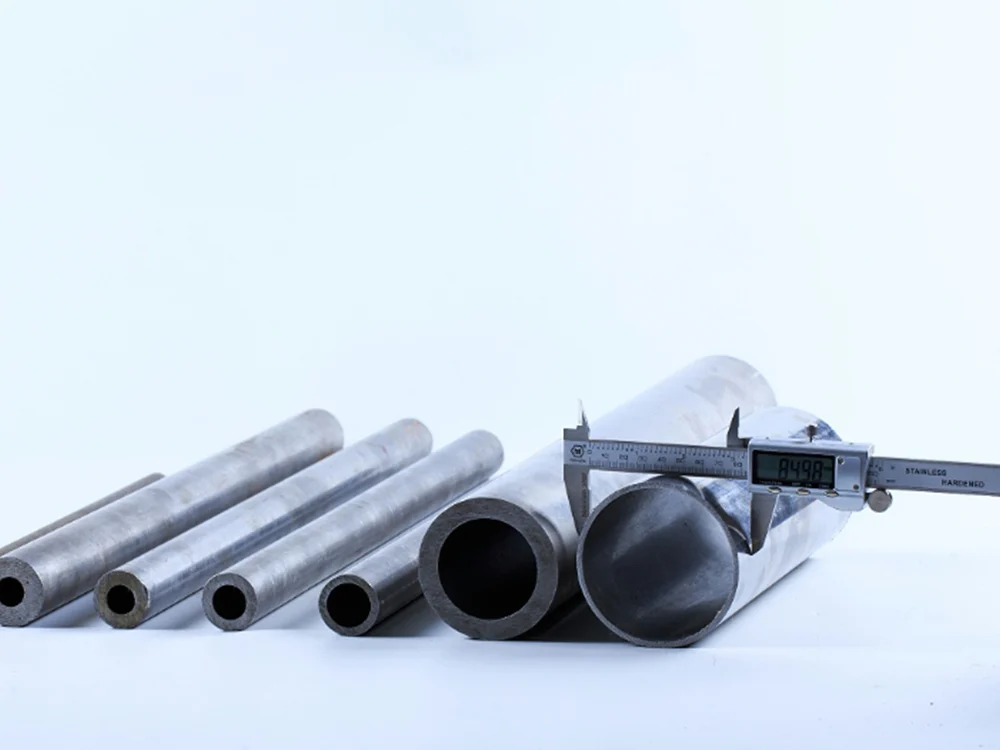
Robots and automated fixtures do not adapt the way a skilled fitter does. If the outside diameter, roundness, or straightness varies from batch to batch, a gripper may still pick the part but the inserted position may shift. That shift can produce misalignment in a welded frame, a bent connector, or rejected parts at final inspection.
This is why dimensional consistency is more valuable than a single perfect sample. Buyers should ask for a tolerance band that is repeated across a lot, not just quoted in a brochure. For precision tube products, a controlled cold-drawing or cold-rolling process can hold outside diameter and wall thickness within a tight tolerance, but the buyer still needs the inspection method and the recorded values to know whether the line can accept the next shipment without reprogramming.
An automated line depends on tube dimensions staying inside a predictable band, not just meeting a nominal size. <Steel Tube Manufacturing Process: Precision and Quality> covers how process control builds precision and quality into steel tube production.
Material Data and Traceability in Digital Production
Smart manufacturing treats material quality as a data stream. A heat number, a mill test report, and an inspection record can be linked to the production batch so that a quality engineer can trace a dimensional deviation back to a specific coil, drawing pass, or heat treatment cycle. Without that link, the line stops and the investigation starts from memory.
Traceability also protects automated quality decisions. If an eddy current or ultrasonic signal is recorded, the operator needs to know which material batch produced it and whether the signal is a surface mark, a dimensional pattern, or a subsurface indication. A tube with a clean, repeatable surface and a complete material record gives the inspection system fewer false alarms.
Material traceability is where quality control becomes a production input rather than a filing task. <How Digital Traceability Tightens Steel Tube Quality Control> covers how digital records tighten quality control for steel tube supply.
Custom Profiles for Flexible Manufacturing
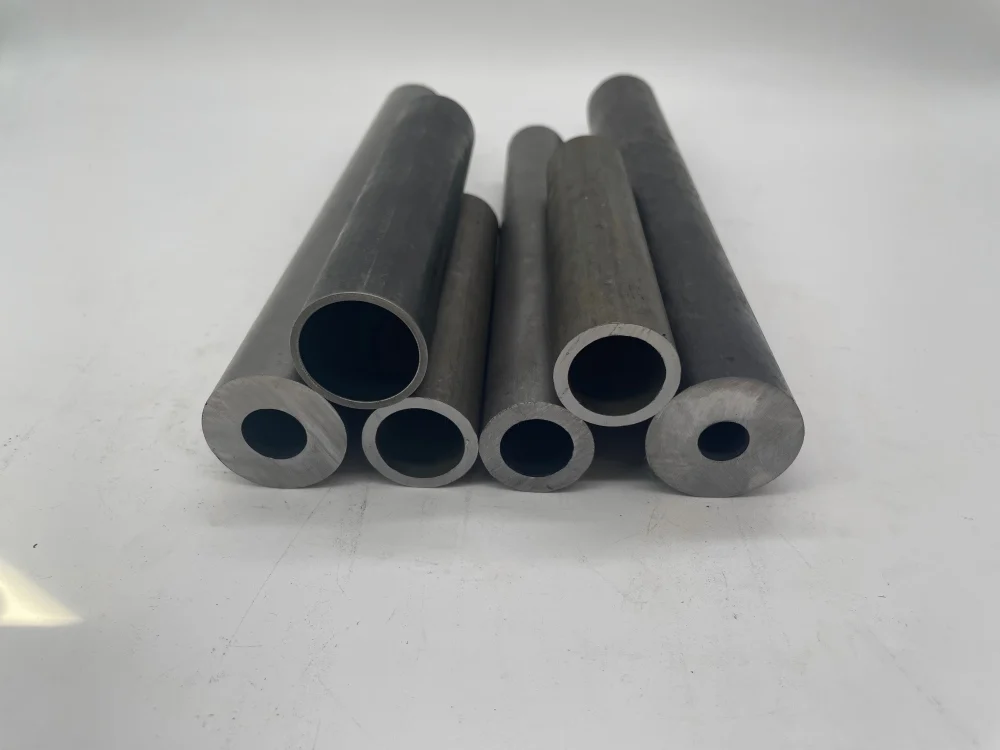
One of the less visible ways steel tubes support smart manufacturing is through shape. A square, rectangular, hexagonal, oval, or special-shaped tube can reduce the number of loose parts in an assembly. A shaped profile can align itself in a fixture, provide a flat mounting face, or simplify robotic handling compared with a round tube that must be rotated to a specific orientation.
This is especially useful when a production line builds multiple product variants. Custom profiles can carry the same outside envelope as a previous part while changing the internal passage or wall distribution, which helps the automation stay stable while the product design changes. The tradeoff is that a custom profile requires tooling, process development, and a clear drawing package. The benefit appears when the reduced assembly time or the more stable automation offsets the extra engineering.
Surface Quality and Inline Inspection
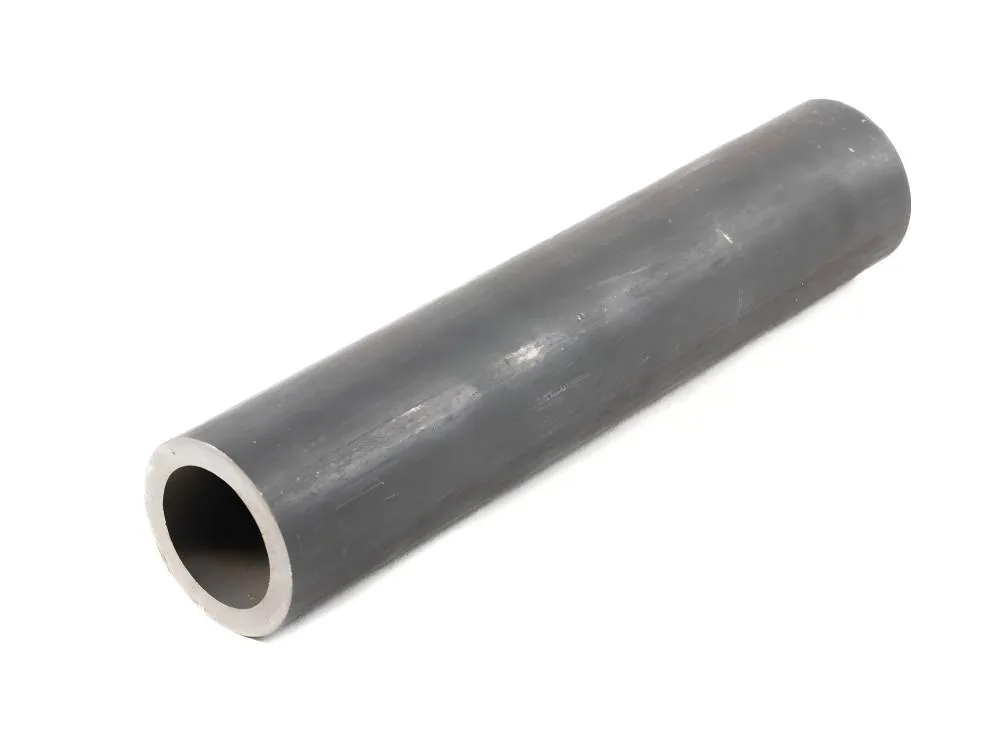
Inline inspection systems are only as reliable as the surface they read. Scale, rust, drawing lubricant residue, or deep scratches can confuse an optical system or produce an eddy current signal that looks like a real defect. In a smart factory, the goal is to make the tube compatible with automatic inspection, not to hide defects under a coating or a quick finish.
For this reason, cold-drawn and cold-rolled tubes often fit smart manufacturing lines well because they are produced with a controlled surface finish. The surface condition should be specified together with the inspection method. A buyer who only writes “clean surface” leaves room for different interpretations between suppliers, while a buyer who states the required surface roughness, residual oil level, and allowable defects creates a testable standard.
Specifying Tubes for Smart Manufacturing Projects
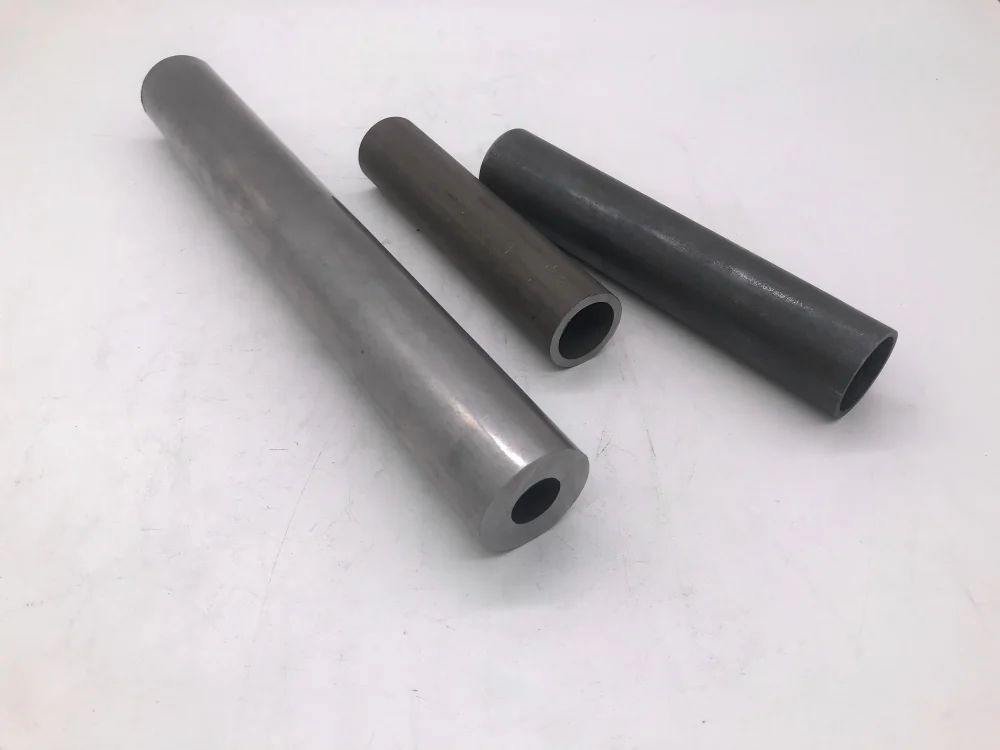
A smart-manufacturing tube specification should be built around repeatable production, not only a prototype pass. The table below connects common automation requirements to the tube characteristics and checks that matter.
| Automation requirement | Tube characteristic that matters | What to specify or check |
|---|---|---|
| Robot pick and place | Outside diameter, straightness, roundness | Tolerance band and measurement method |
| Automated assembly | Cut length and end condition | Length tolerance, burr limits, end squareness |
| Inline non-destructive inspection | Clean, uniform surface | Surface roughness, residual lubricant, defect limits |
| Hydraulic or pneumatic performance | Internal diameter and surface finish | Pressure rating, cleanliness level, bore condition |
| Digital traceability | Heat number and inspection records | Mill test report, lot linkage, test results |
This table can be used as a first conversation tool with a tube supplier. The next step is to add the material grade, product standard, profile, and order quantity so the supplier can evaluate whether the required process control is available for the needed lot size.
A smart-manufacturing tube order should be written as an integration document rather than a material-only purchase. <How EN10305 Steel Tube Standard Affects Precision Tube Procurement> covers how the EN10305 standard shapes precision tube procurement.
Engineering Support for Smart Manufacturing Tube Requirements
If your automation project needs steel tubes with controlled dimensions, clean surfaces, and traceable material records, send the details that matter for the line. A useful inquiry includes outside diameter, wall thickness, steel grade, profile, required standard, tolerance band, surface finish, inspection method, lot traceability, and target volume. Contact Changzhou Tenjan Steel Tube Co., Ltd. at Sunny@tenjan.com, +86 51988789990, or WhatsApp +86 13401309791.
FAQ
Does smart manufacturing require seamless steel tubes?
Not always. Seamless tubes are useful where pressure cycles, high heat, or dynamic loads demand a wall without a weld seam. Cold-drawn welded tubes can be a good fit for many structural, return-line, or general precision applications when the operating conditions do not require seamless performance. The decision should follow the pressure, fatigue, cleanliness, and inspection requirements of the specific circuit or structure.
How does tube traceability support a digital twin?
A digital twin needs reliable inputs from the physical process. If each tube batch carries a heat number, material certificate, dimensional data, and inspection result, the digital model can show whether variation comes from material, forming, heat treatment, or handling. Without that link, the model may show a problem but cannot help the team locate it.
What tolerance should buyers request for automated handling?
The correct tolerance depends on the robot, fixture, and assembly clearance. It is more important to specify the tolerance band, repeatability, cut length, and end condition than to copy a general “precision” label. Ask the supplier for the measured distribution and the method used, then compare those values with the automation’s required insertion or gripping window.
Can smart manufacturing use custom-shaped steel tubes?
Yes, and the benefit is often easier orientation and fixturing. A square, rectangular, hexagonal, or special-shaped tube can provide a self-aligning feature and reduce the number of separate brackets or parts. The tradeoff is added tooling and engineering, so the best use is where the shape reduces assembly operations or improves the stability of the automated process.
If you’re interested, check out these related articles:
ASTM A106 vs A53 Pipe: Choosing by Pressure and Temperature
How EN10305 Steel Tube Standard Affects Precision Tube Procurement
Precision Tube Quality Inspection Checklist
DIN2391 ST52 Tube: Tolerances, Grades and Sourcing Checks