Small-Batch Steel Tube Production: The Manufacturing Shift Ahead
Small-batch production in steel tube manufacturing is moving from a fallback option to a deliberate operational strategy. Buyers are not simply ordering less; they are asking for shorter runs, faster development cycles, and more precise control…
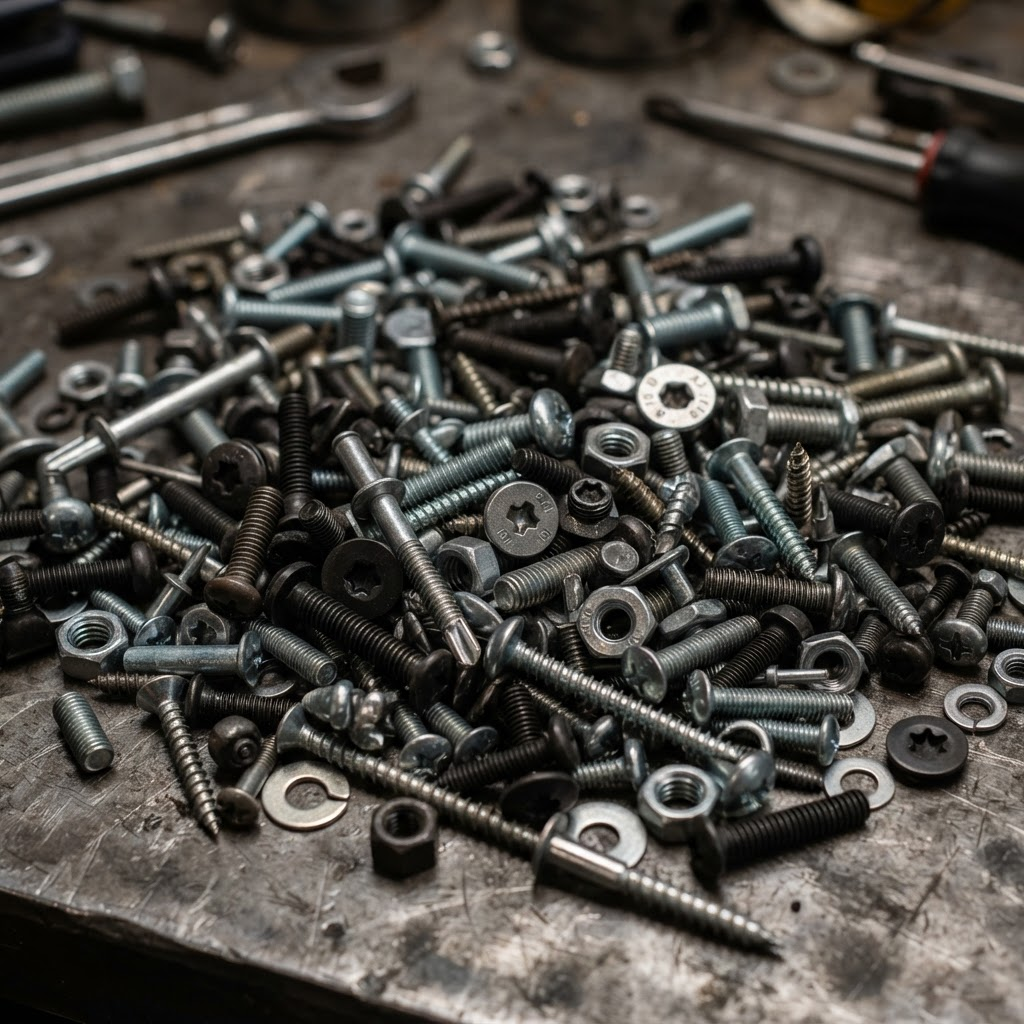
Small-batch production in steel tube manufacturing is moving from a fallback option to a deliberate operational strategy. Buyers are not simply ordering less; they are asking for shorter runs, faster development cycles, and more precise control over custom profiles. That shift changes how mills organize tooling, how data travels through production, and how engineering teams evaluate a supplier. The practical future belongs to manufacturers that can make small lots repeatable rather than merely possible.
Why Small-Batch Steel Tube Production Is Moving From Niche to Normal
The traditional steel tube business model rewarded long runs. Large batches spread setup cost across many pieces, kept the line stable, and made inspection simpler. The old assumption was that small orders carried too much risk: more changeovers, more idle time, and more chances for dimensional drift.
That equation is changing. Product development cycles are shorter, OEMs want to validate designs before committing to volume, and downstream users need replacement or prototype tubes without carrying months of inventory. As a result, small-batch orders are no longer an inconvenience at the edge of production. They are becoming part of the standard mix.
The practical consequence is not that long-run mills disappear. It is that a competitive mill must handle both modes without letting quality collapse when the order quantity drops. That requires a different kind of production discipline, not just a willingness to accept smaller orders.
What Actually Changes on the Shop Floor
Small-batch steel tube production changes the cost structure before the first meter of tube is finished. The main variables are tooling, changeover, process adjustment, and inspection effort.
| Production factor | Long-run thinking | Small-batch reality |
|---|---|---|
| Tooling cost | Spread over high volume | Must be recovered across fewer parts |
| Changeover time | A small share of run time | A large share of total order time |
| Process stability | Settles after initial adjustment | Must be correct early in the run |
| Inspection burden | Sampling across a stable lot | Each lot may carry more relative checks |
| Inventory risk | Lower unit cost, higher stock | Higher unit cost, lower total exposure |
The table does not mean small-batch is automatically more expensive or less reliable. It means the buyer and the manufacturer need to agree on which factors are actually controlled. A mill that can reduce changeover time through standard tool families, quick die changes, and well-documented process settings can produce a short run without turning it into a development project.
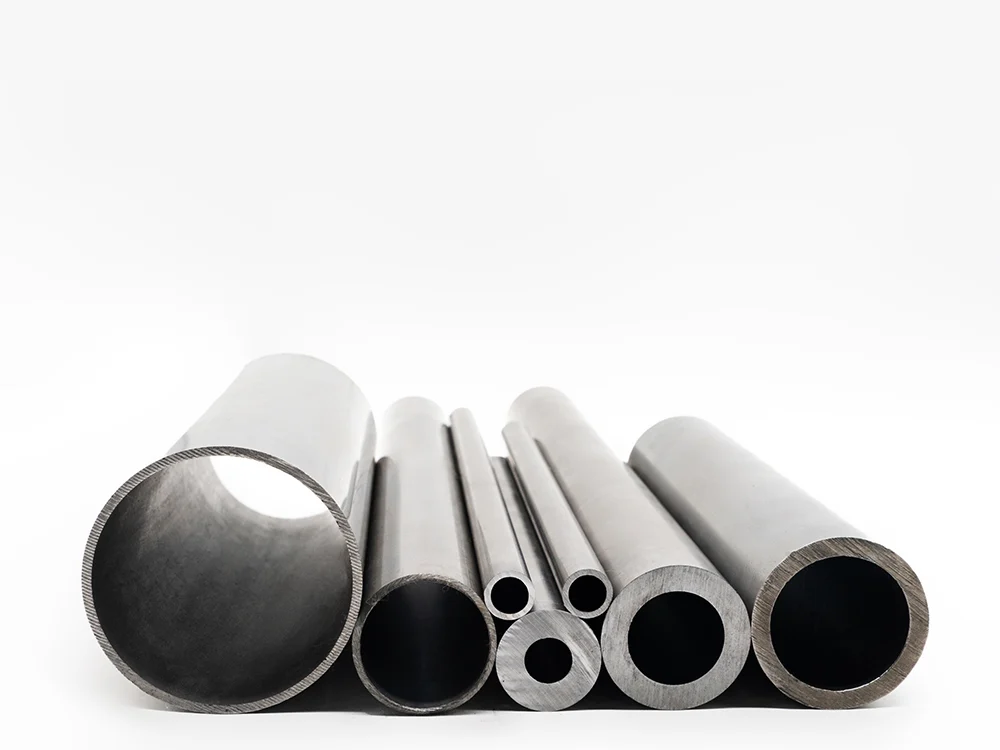
The real engineering issue is repeatability. A short run must start from a known process state. If the mill only reaches stable dimensions after a long warm-up period, the early pieces in a small batch may carry more variation. Modern small-batch capability therefore depends on process knowledge that exists before the order arrives, not on learning during the run.
Digital Traceability Turns Small Lots Into Controllable Lots
One of the strongest enablers of small-batch production is digital traceability. When a mill runs large homogeneous batches, a few paper records may be enough. When it runs many small lots with frequent grade and profile changes, the risk of mixing material, losing inspection context, or mislabeling a heat number increases.
Digital systems change this because every coil, billet, draw pass, inspection result, and dispatch record can follow the same identifier. That does not improve the steel itself, but it makes the production history visible and auditable. For a buyer, traceability is what turns a small order from a trust exercise into a verifiable technical package.
Small-batch orders depend on confidence that each lot is exactly what the certificate says. <How Digital Traceability Tightens Steel Tube Quality Control> covers how digital records turn traceability into a practical acceptance tool.
The same logic applies inside the factory. If operators can see the last process route for a similar profile, they can start closer to the correct setting. If inspectors can call up the required tolerance for the active order, they can flag drift earlier. Digital traceability does not replace measurement, but it reduces the confusion that small-batch complexity creates.
Cold Drawing and Custom Profiles: The Flexibility Engine
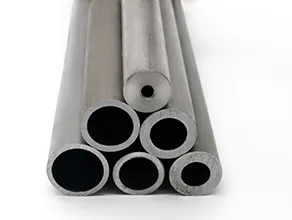
Small-batch production is closely tied to cold drawing and profile forming. These processes suit short runs because they can convert a common hollow or solid feedstock into different finished dimensions without always requiring a full mill campaign.
Cold drawing works by pulling the tube through a die and over a mandrel, reducing diameter and wall thickness while improving dimensional accuracy and surface quality. For small-batch buyers, the advantage is that the same base tube can become several finished sizes through controlled passes. That allows a mill to hold less finished inventory and still respond to a precise customer request.
Custom profiles add another level of flexibility. Square, rectangular, hexagonal, oval, and other shaped tubes can be produced for smaller design-led or application-specific programs. The limiting factor is not usually the desire to make the shape, but whether the profile design is practical to draw without excessive internal stress, corner thinning, or tool wear.
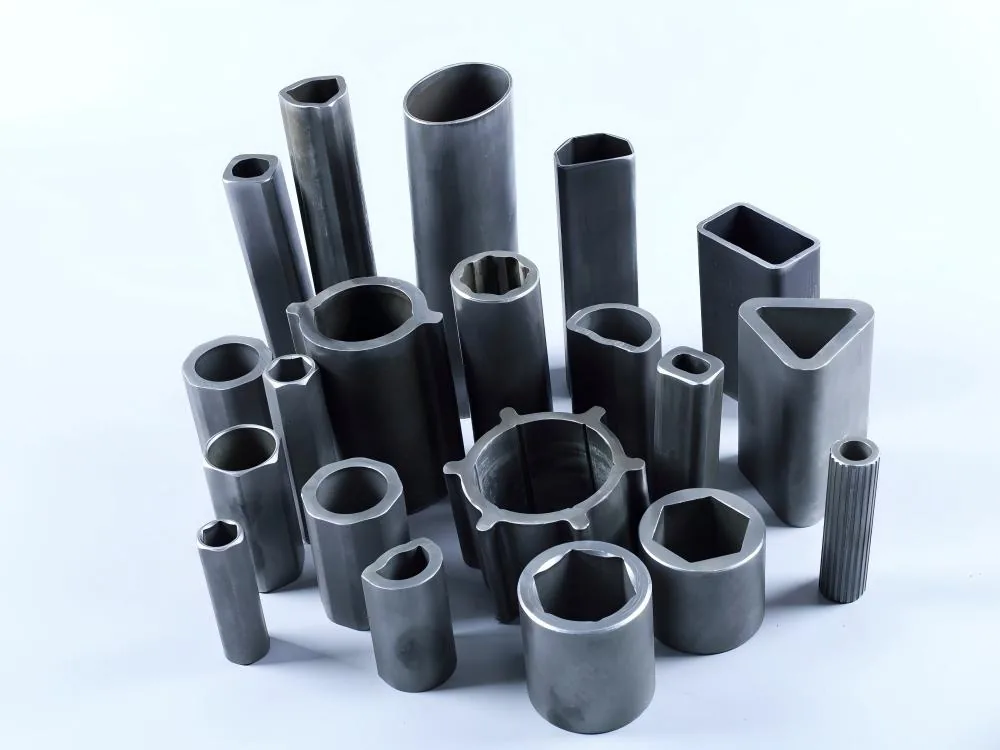
A profile is only as useful as the dimensional control behind it. <Special Shaped Steel Tube: Design and Cold Drawing Rules> covers how cold drawing rules affect custom sections.
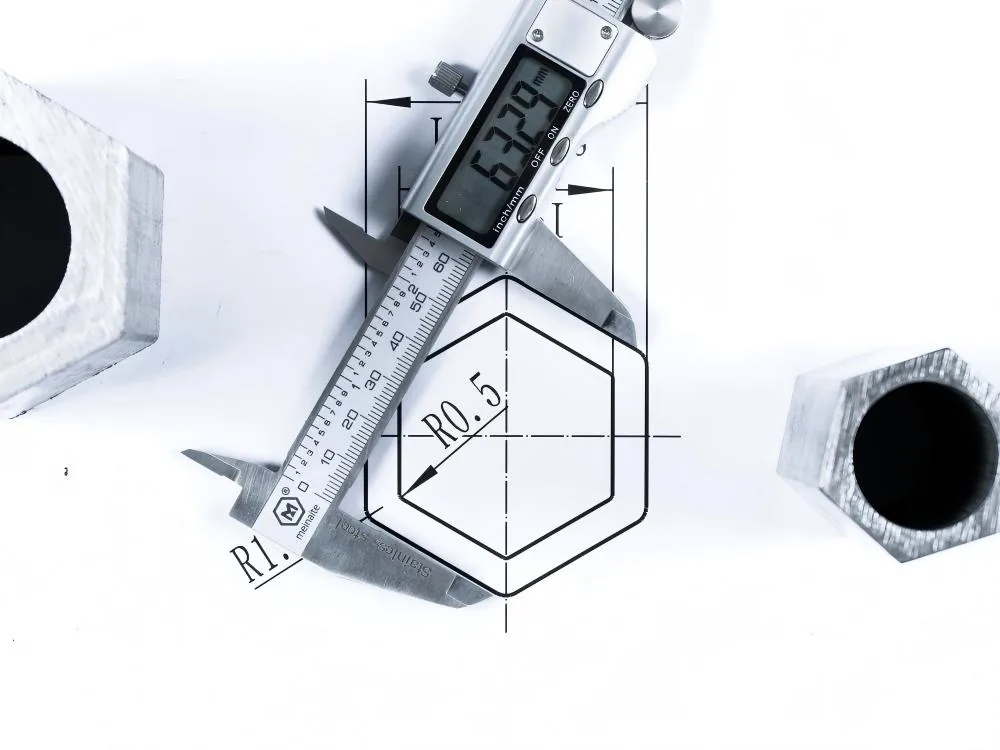
The strongest small-batch suppliers treat profile design as an engineering conversation. They ask what the tube must do in assembly, which surfaces are functional, and which dimension has the least room for variation. That information determines the process route before any metal moves.
How Buyers Should Evaluate a Small-Batch Supplier
A supplier can claim small-batch capability, but the claim only matters when several conditions are present. Buyers should look beyond the sales response and inspect the operating basis.
First, ask how the mill manages changeover. A useful answer names the tool families, setup method, and typical adjustment time. A vague answer such as “we are flexible” does not establish control.
Second, ask how the mill maintains dimensional records across different lot sizes. The buyer should expect the same tolerance discipline on a short run as on a volume order. If the mill treats small batches as a lower-priority side activity, dimensional performance may drift with scheduling pressure.
Third, confirm how material identity is preserved. Heat numbers, grade changes, and process routes need to stay linked to the finished tube. This is especially important when multiple small orders share a production day.
Fourth, review the technical review process. A good small-batch supplier will check whether the requested profile, material, tolerance, and surface condition can be produced together. If the mill simply accepts the order and tries to solve problems later, the buyer carries the development risk.
Supplier selection becomes more consequential when batch sizes fall. <How to Choose a Steel Tube Supplier for Your Next Project> covers the checks that separate a consistent small-lot supplier from a one-time capability claim.
For a vertically integrated manufacturer, the technical review can happen closer to the process. Cold drawing, heat treatment, straightening, and inspection all sit under one control loop. That makes it easier to define what the first good piece should look like before committing the entire short run.
What the Next Decade Will Favor
The next stage of small-batch production will not simply make short runs faster. It will make them more predictable. Three directions matter.
The first is tighter process connectivity. Machines, inspection stations, and order data will share the same product identifier, so a short run can move through production without losing its technical context. The goal is not automation for its own sake, but fewer manual handoffs where information can be lost.
The second is more realistic technical review. Manufacturers will increasingly use tolerance, material, and profile analysis early in the quote process. That shortens the gap between a customer idea and a producible tube.
The third is service-level honesty. Small-batch suppliers will need to be clear about minimum quantities, tooling cost, lead time, and what changes when an order grows. Buyers benefit more from a supported limitation than from a vague promise.
Small-batch production is not a threat to conventional steel tube manufacturing. It is a different discipline layered onto the same metallurgical and dimensional foundations. The companies that thrive will be the ones that treat short runs as a technical product, not as a scheduling afterthought.
Start a Small-Batch Steel Tube Review
If you are planning a prototype, a short production run, or a custom profile, send the parameters that matter: material grade, outer diameter, wall thickness, profile shape, length, quantity, required tolerance, and the standard or inspection document you need. That allows the engineering team to check the process route before quoting a speculative price.
Contact Sunny at Sunny@tenjan.com or call +86 13401309791 for a technical review of your small-batch steel tube requirement.
FAQ
Is small-batch steel tube production always more expensive?
Not necessarily. Unit price is often higher because setup and tooling are spread across fewer pieces, but total cost can be lower when the buyer avoids excess inventory, long lead times, or high minimum-order volume. The better comparison is total project cost rather than price per meter alone.
What is a practical minimum order quantity for custom steel tubes?
There is no universal number. It depends on the process route, profile complexity, material availability, and required inspection. Some standard-size tubes can be produced in very small trial lots, while a complex custom profile may carry tooling or setup costs that only make sense at a slightly larger quantity. The manufacturer should explain what drives the minimum rather than quoting a fixed rule.
Can small batches maintain the same dimensional accuracy as long runs?
Yes, provided the process is set correctly early in the run and the mill uses the same measurement discipline. The risk is not the batch size itself, but whether changeover and early-run control receive enough attention. Digital records and defined setup procedures help keep short-run accuracy close to volume-run accuracy.
How can I reduce risk when ordering a small batch?
Start with a clear technical drawing or specification, confirm which dimensions are critical, and ask for the inspection method before production begins. Request the material certificate, dimensional report, and any required test results with the shipment. A short technical review at the quotation stage is cheaper than a rejection after delivery.
Does small-batch production support custom profiles and non-round shapes?
Yes. Cold drawing and profile forming are well suited to custom sections when the shape is designed with the process in mind. The key is early discussion about corner radii, wall distribution, and tolerance limits, so the profile can be produced without unnecessary stress or cost.
If you’re interested, check out these related articles:
How to Choose a Steel Tube Supplier for Your Next Project
How Digital Traceability Tightens Steel Tube Quality Control
DIN 2448 Seamless Steel Pipe: Sizing, Weights and Ordering
Seamless vs ERW Pipe: Which Is Right for Your Project?