Steel Tube Shipping and Export Packaging: A Buyer’s Guide
Review steel tube shipping and export packaging. Check scope, material condition, inspection evidence and ordering details before accepting a supplier quotation.
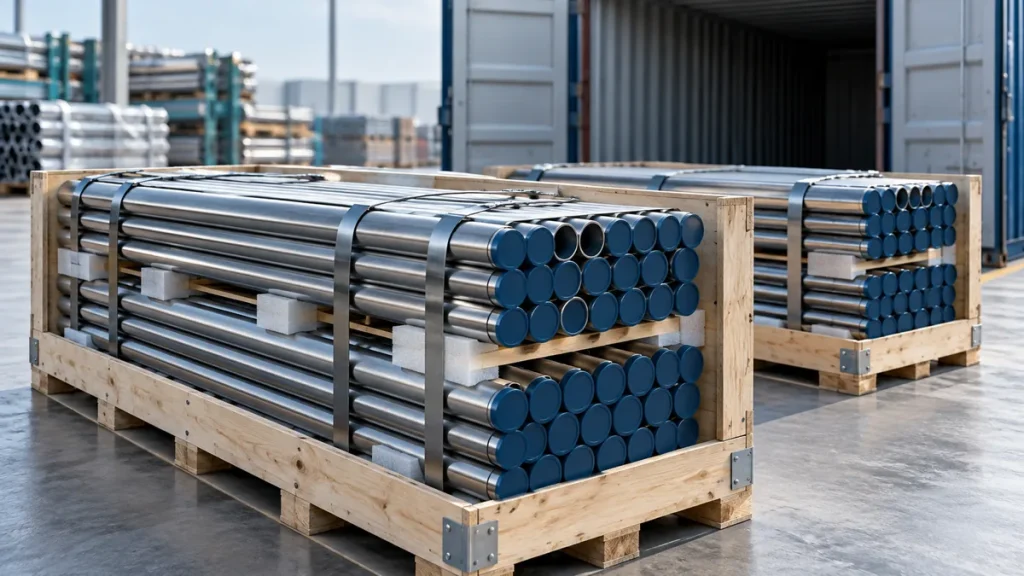
Tube dimensions, wall, surface finish and bore cleanliness determine what packaging must protect.
Design packaging around the product
Thin walls may need support against denting, while polished surfaces need protection from abrasion. Shaped profiles may require separators that prevent nesting damage. Agree bundle mass, support spacing, lifting arrangements and the receiving site's handling capability before choosing packaging only on its apparent material cost.
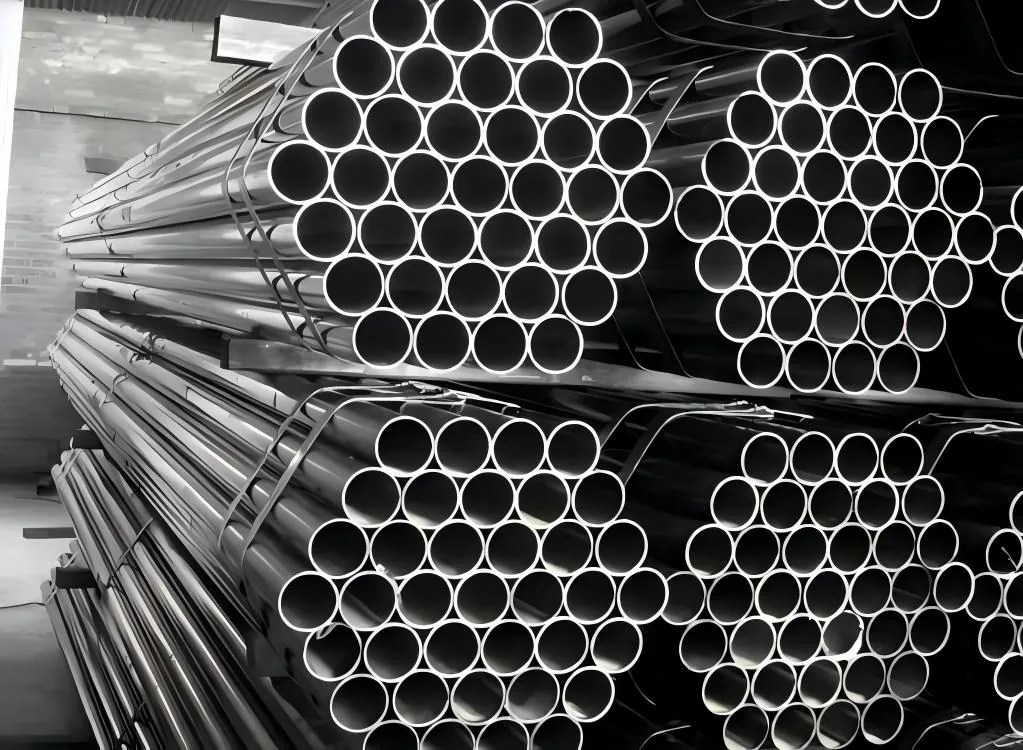
Control movement and moisture
A dry-looking container is not a complete moisture-control plan. Temperature changes can cause condensation during transport. Protective oils, suitable inhibitor systems, barrier materials and desiccants may be considered according to the product and route. Their compatibility and method of application need agreement. Blocking, bracing and appropriate restraints must limit movement without crushing tube ends or damaging the surfaces they are intended to protect.
Match freight to actual dimensions
Confirm the usable dimensions, payload limits and loading requirements of the proposed vehicle or container with the carrier. Do not apply one container length rule to every equipment type. Sea, road, rail and air options differ in routing, handling stages and timing. Compare the full route, including inland transport and transshipment, rather than treating the quoted transit time as a door-to-door delivery guarantee.
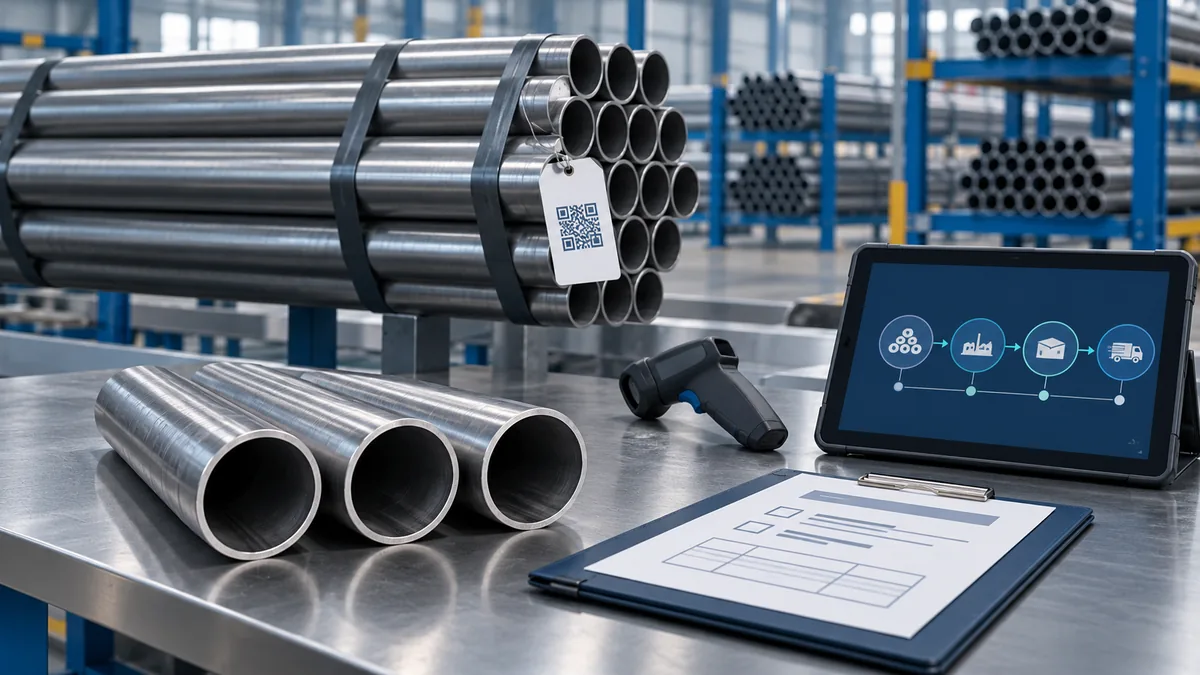
Prepare records for delivery and claims
The packing list should connect bundles, quantities, sizes and material identity to the order. Retain pre-shipment condition photographs, packaging details and the agreed delivery documentation. Incoterms allocate defined responsibilities and risks; they do not replace a packaging specification or quality acceptance clause. On arrival, record visible damage and shortages promptly, preserve packaging evidence and follow the agreed carrier and insurance notification process.
A practical specification review
A shipment may need excellent surface protection yet still be difficult to unload because its bundle mass exceeds the receiving site's equipment capacity. Review lifting and access at both ends of the route. An agreed packing drawing or loading sketch can resolve this problem before freight booking, while leaving material identity and bundle counts easy to inspect.
Information to confirm before accepting an offer
- Identify the component or supply item, its intended function and the controlled drawing or procedure revision.
- State applicable product and project documents, material or test requirements, dimensions and the condition in which acceptance is assessed.
- Define the required evidence, inspection responsibilities, identification, reporting format and handling of deviations.
- Confirm what the quotation includes, any subcontracted operations, preservation requirements and how proposed changes will be approved.
Resolve unclear requirements before manufacture or examination. Keep the accepted offer, approved deviations and release records together so that a repeat order can use the same technical basis.
Related technical guides
- Incoterms in Steel Tube Trade: How to Allocate Cost, Risk and Delivery Control
- Insurance in Steel Tube Shipping: Why Coverage Matters
- How to Ensure Steel Tube Quality in Storage: 7 Checks
For a tube inquiry, send the drawing, required material and acceptance requirements through the Tenjan contact page so the requested scope and any supply limitations can be reviewed.