How to Ensure Steel Tube Quality in Storage: 7 Checks
A few years ago, I inspected a bundle of cold-drawn hydraulic cylinder tubes that had left the factory with every dimension inside tolerance. Three weeks later, the same bundle came back from a site rack with…
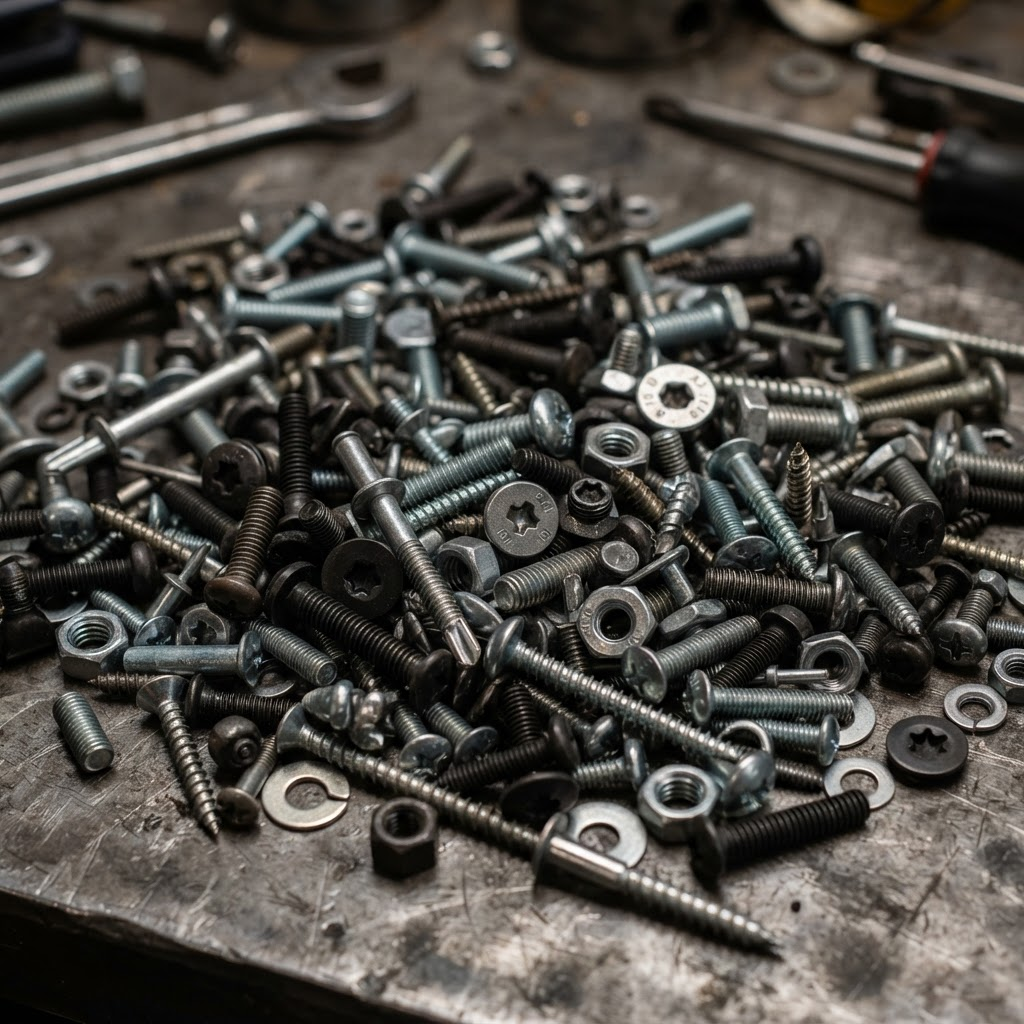
A few years ago, I inspected a bundle of cold-drawn hydraulic cylinder tubes that had left the factory with every dimension inside tolerance. Three weeks later, the same bundle came back from a site rack with a fine rust bloom along the outside diameter and dented ends from a forklift tine. Nothing had failed in production. The failure happened in storage.
Storage is the only “step” in the steel tube supply chain where nothing is manufactured, yet everything can be lost. For precision tubes with outside diameters of 10–108 mm and wall thicknesses as tight as ±0.1 mm tolerance, a rack is not a pause button. It is a continuation of the quality chain—and sometimes the weakest link.
So here is a practical question before we go further: what condition are the tubes sitting on your rack in right now?
1. Why Storage Is the Weak Link in Steel Tube Quality
Cold-drawn and cold-rolled tubes carry residual internal stress from forming. That makes them dimensionally stable in most conditions, but it also means uneven support, point loads, and long cycles of damp air can slowly reshape or stain them. In storage, three risks usually dominate:
- Corrosion — bare carbon steel reacts with oxygen and moisture. Rust bloom is bad enough; pitting is worse because it changes wall thickness and fatigue performance.
- Mechanical damage — dents, bows, ovality, and bruised ends from poor stacking or forklift handling.
- Identity loss — a torn or faded label can turn a traceable heat number into an anonymous tube, which is what actually makes it unusable in critical applications.
Think of storage as the night shift of quality control. Nothing is being produced, but a lot of value can quietly leave the building.
2. Control the Environment First: Moisture, Temperature, and Air Flow
Moisture is the main enemy. A commonly used rule of thumb for indoor steel storage is to keep relative humidity below about 60%, especially when surfaces carry dust or salt. Above that band, and when day-night temperature swings cause condensation cycles, atmospheric rust accelerates noticeably. ISO 9223 classifies atmospheric corrosivity from C1 to C5 for exactly this reason—so the same steel stored in a heated inland warehouse and a coastal open yard faces very different environments [1].
Ventilation matters as much as dryness. A sealed, humid container can turn a warm afternoon into a condensation bath inside the bundle. Roof covers that slope away, open sides that allow air movement, and a simple hygrometer on the wall are cheap insurance.
If outdoor storage is unavoidable, the protection plan must become part of the storage decision. Weather-resistant grades such as 09CrCuSb tolerate atmospheric exposure better than ordinary carbon steel, but most precision carbon and alloy tube should simply stay dry.
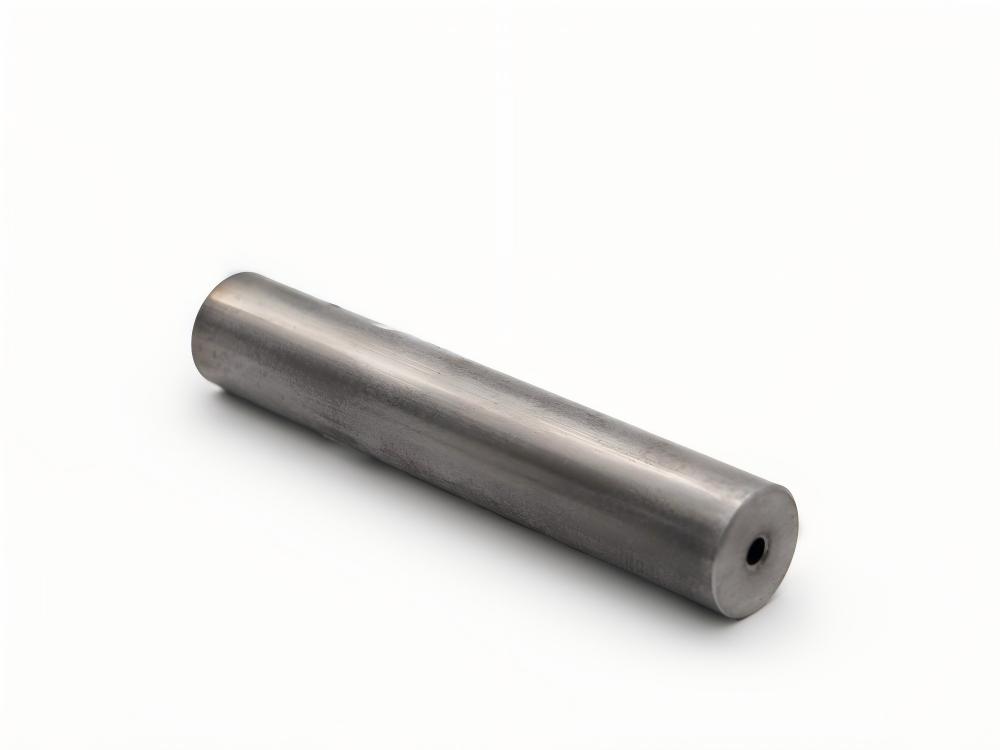
If your site leans outdoor, coastal, or humid, a dedicated protection program usually pays for itself before the first bundle shows rust. <Steel Pipe Corrosion Protection Methods for Precision Tube> covers the coating and passivation options engineers compare for precision tube surfaces.
3. Segregate by Grade, Standard, and Heat Number
Mixing bundles creates two failures at once. Metallurgically, different chemistries corrode at different rates, and dissimilar metal contact can accelerate local attack. Administratively, a mixed bundle destroys traceability, because one anonymous tube can compromise a whole order.
Store by grade family, product standard, and heat number. Use rack tags that survive humidity and rough handling—color-coded labels, stamped metal tags, or barcoded cards all work in practice. ASTM A519, which covers seamless carbon and alloy mechanical tubing, requires the manufacturer to mark or bundle-identify material so the grade, lot, and heat can be traced [2]. Your warehouse should preserve that identification rather than overwrite it.
Keep carbon steel and alloy steel from sharing close contact, and mark each location so a new forklift operator cannot inadvertently “help” by combining a half-empty rack. Segregation is the cheapest quality tool you own—it costs nothing but discipline.
4. Stack, Support, and Protect the Tubes from Point Loads
How a tube rests is how it will remember itself. Support bundles on level steel or wooden racks, off the ground, with dunnage near the ends and enough spacing to prevent sag. Avoid the classic mistake of stacking a heavy shape on top of thin-wall tube, or letting a forklift tine press directly against the middle of a bundle.
- Keep bundles off the floor on racks or dunnage, away from concrete sweat.
- Support near the ends, not only the center.
- Cap or plug open ends to keep out debris, insects, and moisture.
- Never walk on stored tube or use it as a workbench.
Dimensional damage is a fit problem in disguise.
Uneven storage support can leave a permanent bow or ovality that no downstream process quietly fixes. <Steel Tube Dimensional Accuracy: Why Fit Depends on It> explains how out-of-round and straightness are measured, and why small deviations matter in assembly.
Mid-point check: if you are holding mixed grades and are not sure whether your stacking plan is grade-safe, send the grades, OD × wall thickness, and storage climate to Sunny@tenjan.com. The technical team will return a practical handling recommendation before you change any rack.
5. First-In, First-Out, and a Scheduled Inspection Rhythm
Old stock is not automatically bad stock, but it is automatically more at risk. Use first-in, first-out rotation so no batch quietly ages in the corner. Then back it up with a fixed inspection rhythm—monthly for busy yards, quarterly for clean indoor stores.
During a walkthrough, compare surface rust against a consistent visual reference such as ISO 8501-1 photographic grades rather than relying on “a little” versus “a lot” [3]. Check for:
- Light surface bloom versus deeper staining and pitting.
- Dents, bow, and end damage.
- Broken, missing, or unreadable tags.
- Signs of condensation, pooled water, or washed-away preservation oil.
Interactive question: how often does someone walk your rack? If the honest answer is “when a tube is needed,” the inspection is already too late.
6. Documents Travel With the Bundle: MTR, EN 10204 3.1, and Traceability
A loose tube without paperwork is not a product; it is a liability. The key documents should stay with, or be instantly retrievable for, every stored batch:
- Mill Test Report (MTR) — chemistry and mechanical results.
- EN 10204 3.1 inspection certificate — a type of inspection document in which the manufacturer declares results with specific inspection data [4].
- Heat numbers and PMI records — Positive Material Identification confirms alloy grade.
- NDT records — ultrasonic or eddy current results where specified.
A quality management system such as ISO 9001:2015 turns this from a filing habit into a controlled process, with defined responsibilities for identification, preservation, and traceability [5]. In the precision-tube plants I have worked in since 2004, the rule was simple: if a heat number could not be read from the rack, the tube was quarantined until PMI could re-verify it. That habit prevents expensive mix-ups from ever reaching a cutting saw.
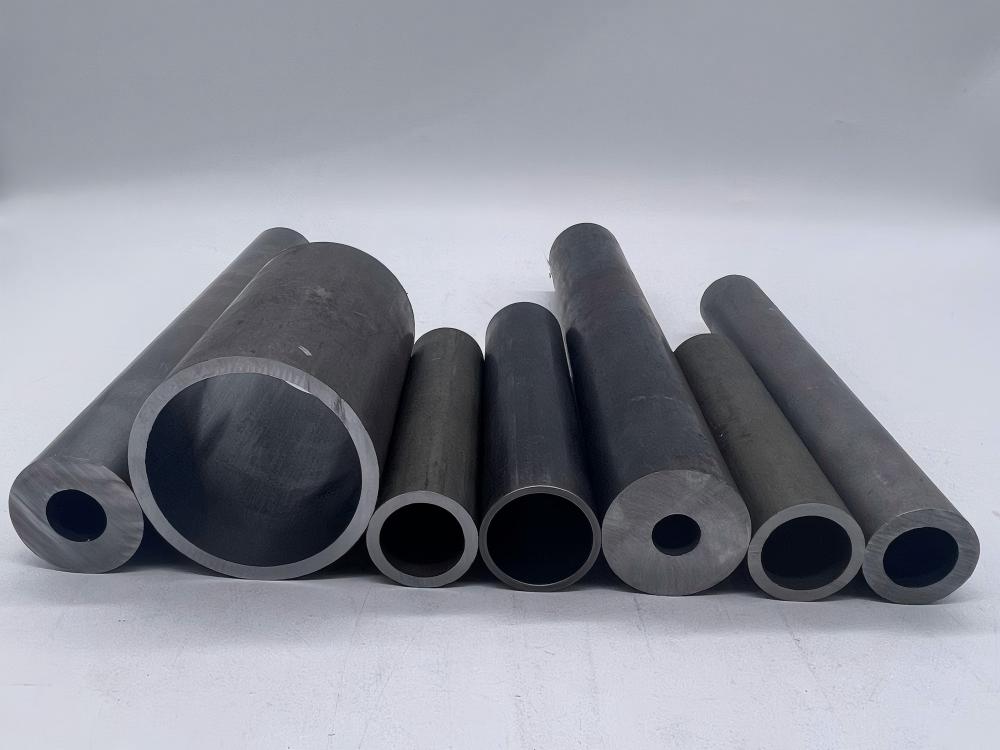
Standards-based handling is what keeps storage from becoming a traceability gap. <Steel Tubes for Engineering Applications: Precision, Standards, and Selection> covers how precision standards and selection criteria connect from receiving to final use.
7. Receiving, Reconditioning, and the Daily Checklist
The best storage program starts at the truck door. Before a batch enters the rack, confirm that the delivery matches the documents: grade, size, standard, quantity, and heat number. Sample-check dimensions and surface condition. A tube that arrives with rust or damage should not be quietly racked; it should be flagged, dispositioned, and reconditioned if appropriate.
After long storage, do a light reconditioning pass before issue: wipe off surface bloom, inspect suspect areas, re-preserve exposed ends, and PMI spot-check when identity matters. Soft, annealed material generally retains better formability over time, but all grades deserve the same visual discipline.
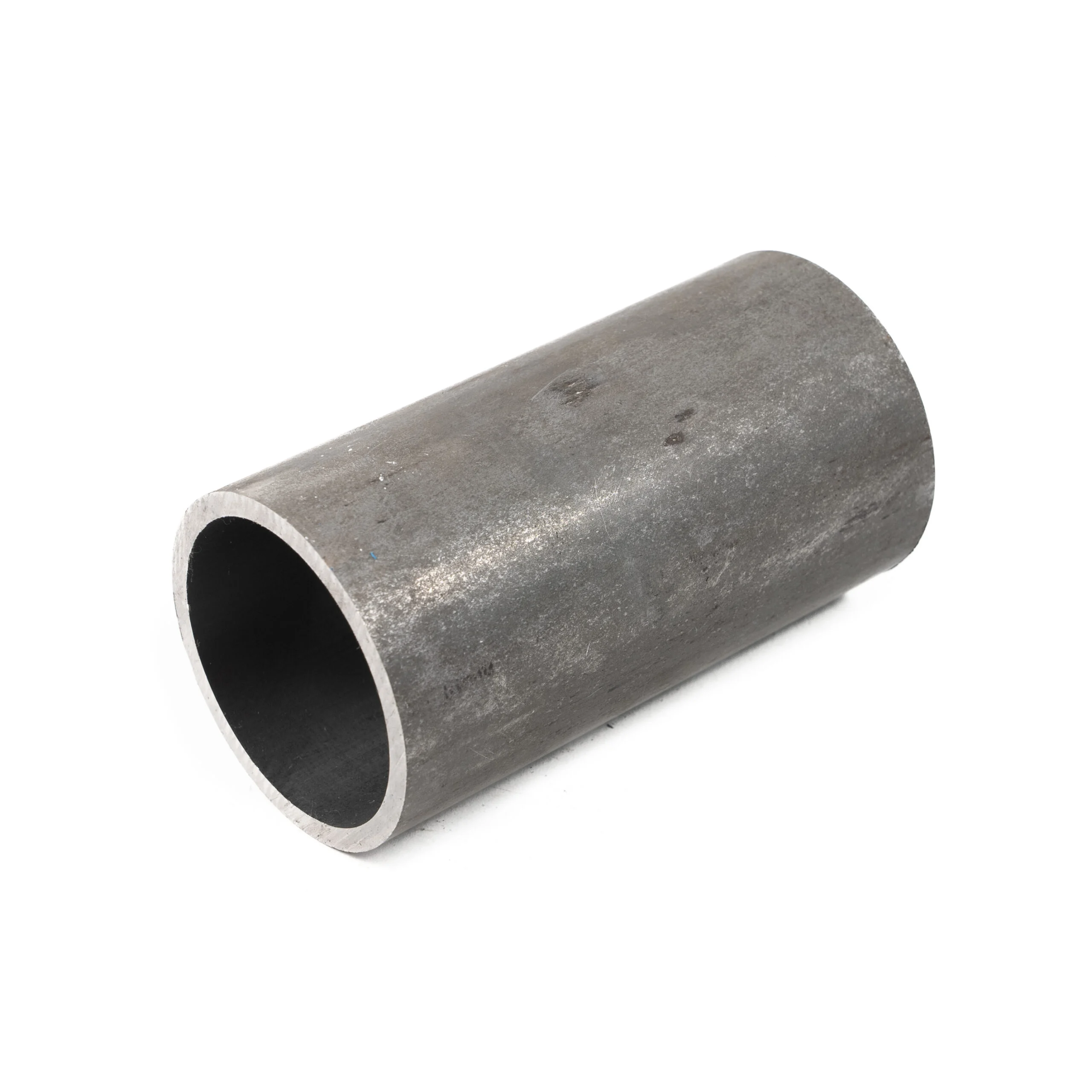
Here is a compact checklist you can pin to the warehouse wall:
| Check | What to look for | Action if failed |
|---|---|---|
| Labels | Readable rack tags and heat numbers | Quarantine and PMI verify |
| Humidity | Over 60% RH or visible condensation | Improve cover and ventilation |
| Surface rust | Light bloom only | Re-preserve and adjust storage |
| Pitting | Dark pits beyond light bloom | Isolate and review disposition |
| Ends | Missing caps or bevel damage | Recut or recoat before issue |
| Support | Denting, sag, or point loads | Re-rack with proper dunnage |
| Rotation | Old batch blocked by new arrival | Rotate to FIFO order |
Plan Storage Conditions for Your Next Batch
Storage quality is a design decision, not an afterthought. If you are setting up a rack, qualifying a supplier’s packing, or holding precision tube for a long program, share the details below and the team at Changzhou Tenjan Steel Tube Co., Ltd will return a practical storage and handling recommendation.
| Send us | Example |
|---|---|
| Steel grade and standard | E355, EN 10305-1 |
| OD × wall thickness | 32 mm × 4 mm |
| Storage environment | Indoor, unheated / outdoor coastal |
| Expected duration | 3 months / 12 months |
| Packaging | Bundle, end-capped |
Changzhou Tenjan Steel Tube Co., Ltd
Email: Sunny@tenjan.com
Tel: +86 51988789990
Phone / WhatsApp: +86 13401309791
FAQ
How long can precision steel tubes be stored safely?
There is no universal expiry date, because shelf life is controlled by environment and packaging more than by time. In a dry, ventilated, properly supported store, clean carbon and alloy tube can remain usable for many months. The practical answer is: inspect at a fixed rhythm, preserve the surface, and issue by FIFO.
What relative humidity should a steel tube store stay under?
A practical upper band is about 60% relative humidity for indoor storage, especially when dust or salt is present. The key is stability—damp, stable air is generally less damaging than repeated condensation cycles caused by temperature swings.
Can I store carbon and alloy steel tubes together?
They can share a warehouse, but not an unmarked bundle or tight contact in a stack. Keep grade families, standards, and heat numbers segregated to prevent dissimilar-metal contact and traceability errors.
Which document proves traceability for stored tubes?
The most common chain is the Mill Test Report plus an EN 10204 3.1 inspection certificate, tied to a readable heat number on the bundle. PMI spot checks add certainty when a label is damaged or missing.
How often should stored steel tubes be inspected?
Monthly is a safe rhythm for busy or outdoor yards; quarterly is often enough for clean indoor stores. The value comes from doing it on schedule and comparing findings against the same visual reference each time.
References
[1] ISO. ISO 9223:2012, Corrosion of metals and alloys — Corrosivity of atmospheres — Classification, determination and estimation. Geneva: ISO, 2012.
[2] ASTM International. ASTM A519/A519M-23, Standard Specification for Seamless Carbon and Alloy Steel Mechanical Tubing. West Conshohocken, PA: ASTM, 2023.
[3] ISO. ISO 8501-1:2007, Preparation of steel substrates before application of paints and related products — Visual assessment of surface cleanliness — Part 1: Rust grades and preparation grades. Geneva: ISO, 2007.
[4] CEN. EN 10204:2004, Metallic products — Types of inspection documents. Brussels: CEN, 2004.
[5] ISO. ISO 9001:2015, Quality management systems — Requirements. Geneva: ISO, 2015.
If you’re interested, check out these related articles:
DIN 2448 Seamless Steel Pipe: Sizing, Weights and Ordering
Steel Tube Dimensional Accuracy: Why Fit Depends on It
Heat Treated Steel Tube: What Engineers Need to Know
Carbon Steel vs Alloy Steel Tubes
Steel Pipe Corrosion Protection Methods for Precision Tube