Power Plant Steel Pipes: Map Service to Specification
Review power plant steel pipes. Check scope, material condition, inspection evidence and ordering details before accepting a supplier quotation.
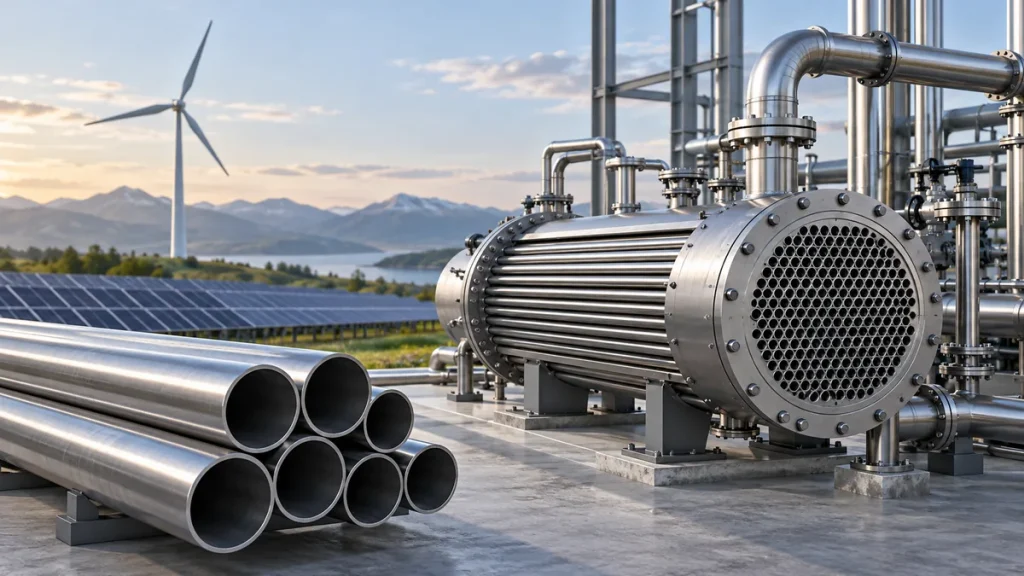
Power plants contain steam, feedwater, cooling, fuel, lubrication, instrument and structural systems.
Separate the plant systems
Their tubing and piping cannot be procured under a single material description. Begin with the equipment or line list and the responsible design specification. Even pipes with the same nominal size can have different material, wall, joining, cleanliness and inspection requirements because their service and consequences of failure differ.
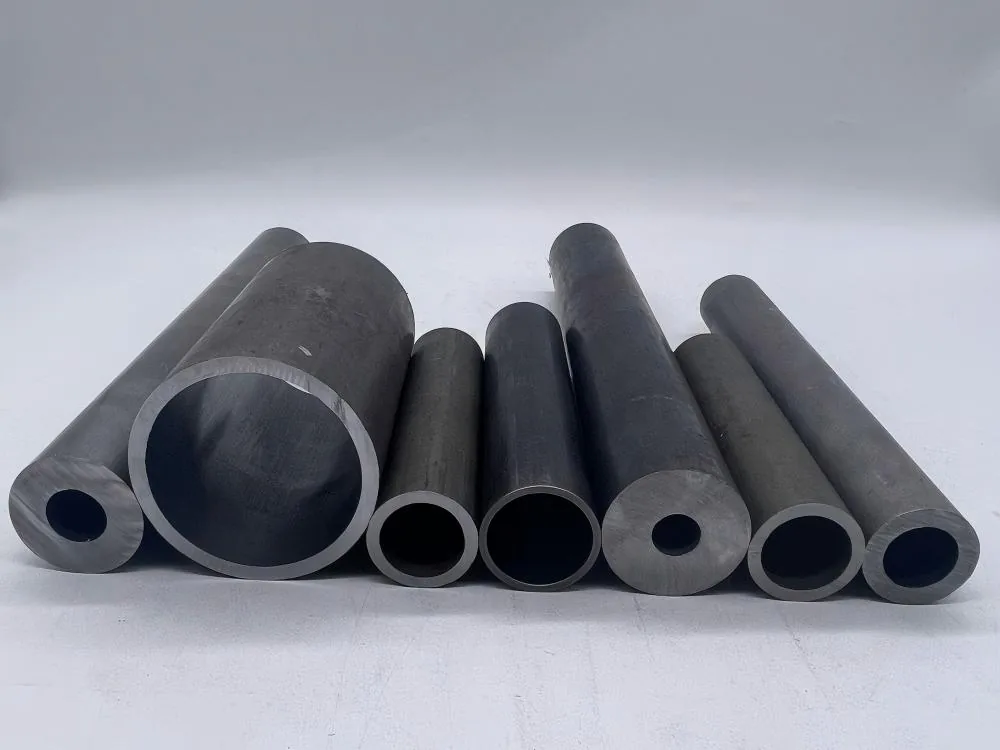
Distinguish tube and pipe product families
Carbon-steel pipe, alloy-steel pipe and boiler or heat-exchanger tubes have different product specifications. Examples include ASTM A106, A335, A192, A210 and A213 within their respective scopes. The applicable construction rules, material grade and approved design decide which product is appropriate. Avoid treating an ASTM, EN or historical DIN designation as an automatic equivalence simply because the material appears in a similar plant system.
Plan for temperature and fabrication
Elevated-temperature service can require consideration of creep, oxidation, thermal cycling and the full fabrication history. A room-temperature tensile result alone does not resolve these issues. Higher-alloy options may bring different welding, treatment and inspection obligations. Review the pipe or tube together with fittings, weld consumables and fabrication procedures before accepting a change intended to reduce wall thickness or simplify sourcing.
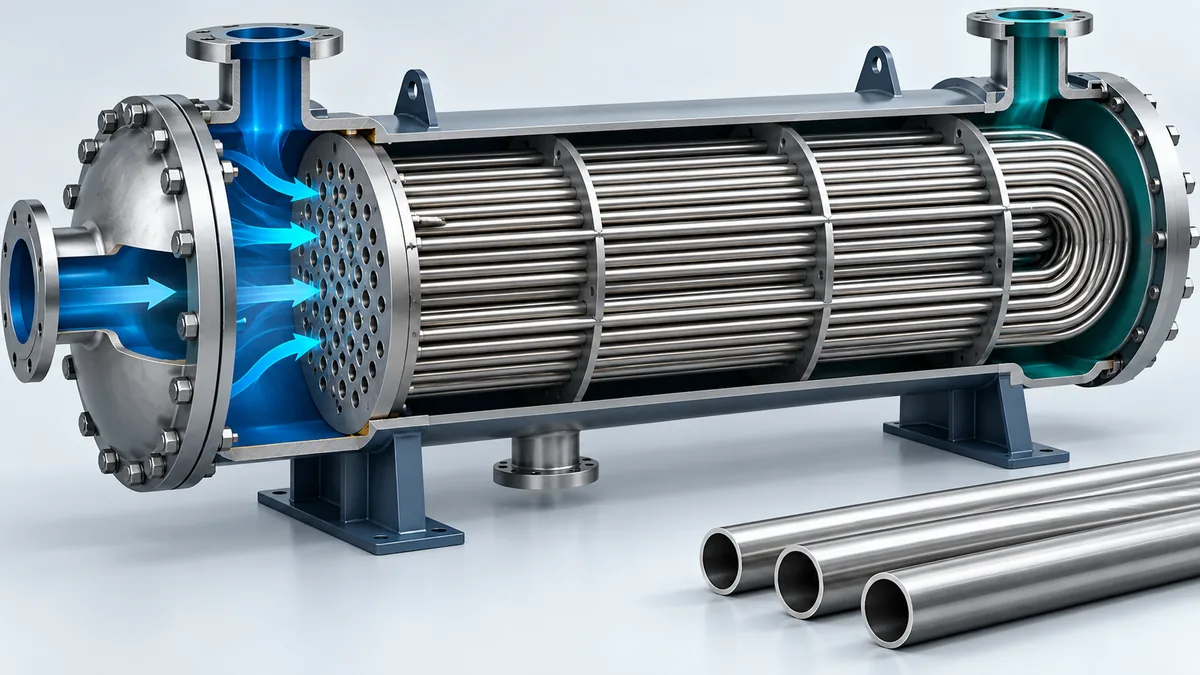
Use package-level inspection planning
The purchasing package should identify material documents, hold points, dimensions, required examinations and release responsibilities. Keep heat and lot identity through fabrication and installation. Separate mill product testing from final equipment or system tests. For maintenance replacements, verify the original design basis and any approved updates rather than substituting a currently available grade without an engineering review.
A practical specification review
A maintenance order can contain an alloy steam-pipe replacement and carbon-steel utility piping of a similar size. Identify each system and material requirement separately, including document and inspection obligations. Clear itemization helps prevent a warehouse description or convenient stock size from becoming an unintended material substitution during a time-sensitive shutdown.
Information to confirm before accepting an offer
- Identify the component or supply item, its intended function and the controlled drawing or procedure revision.
- State applicable product and project documents, material or test requirements, dimensions and the condition in which acceptance is assessed.
- Define the required evidence, inspection responsibilities, identification, reporting format and handling of deviations.
- Confirm what the quotation includes, any subcontracted operations, preservation requirements and how proposed changes will be approved.
Resolve unclear requirements before manufacture or examination. Keep the accepted offer, approved deviations and release records together so that a repeat order can use the same technical basis.
Related technical guides
- Seamless Boiler Tube Selection: Service, Standards and Inspection
- ASTM A335 Alloy Pipe: P11 Selection and Ordering Requirements
- EN 10216 Seamless Pressure Tubes: Scope, Grades and Ordering
For a tube inquiry, send the drawing, required material and acceptance requirements through the Tenjan contact page so the requested scope and any supply limitations can be reviewed.