Steel Tube Supply to 20+ Countries: What Actually Changes
Steel tube supply to more than twenty countries does not change what a cold drawing bench does. It changes what has to be proven, to whom, and in what format. A tube that satisfies a European…

Steel tube supply to more than twenty countries does not change what a cold drawing bench does. It changes what has to be proven, to whom, and in what format. A tube that satisfies a European drawing can fail a Japanese receiving inspection without a single dimensional change, because the acceptance rule, the certificate type and the tolerance table are different documents. Buyers comparing global suppliers tend to count flags on a map. The useful comparison is narrower: which rule sets a mill can reproduce, and whether it can prove that reproduction on paper.
What serving 20+ countries actually changes in a steel tube order
A supplier that lists twenty countries is describing its shipping history. Tenjan’s own figure, more than 2,000 clients across 20+ countries since 2004, sits in the same category. It tells you the company has already met a range of national acceptance rules, and it tells you nothing about whether your grade runs on the line this quarter. Treat a client count as context, then test the parts of the order that can actually fail.
Distance changes four things. The rule that governs acceptance may come from a different document family. The paperwork that proves conformance travels with the tube instead of being checked on site by the people who made it. The packing has to survive a sea leg measured in weeks, not a forklift trip across a yard. And the money, the vessel and the documents have to meet at a port on the same day. None of those is metallurgy, and each of them can stop a shipment that is metallurgically perfect.
Grade naming shows the problem at its simplest. The same structural duty is written S355JR under EN 10025-2, ST52 under the older German designation, and Q355B under GB/T 1591. Three drawings, three abbreviations, one comparable steel. A buyer who sends only a grade nickname leaves the mill to guess which edition of which standard governs the tolerance table.
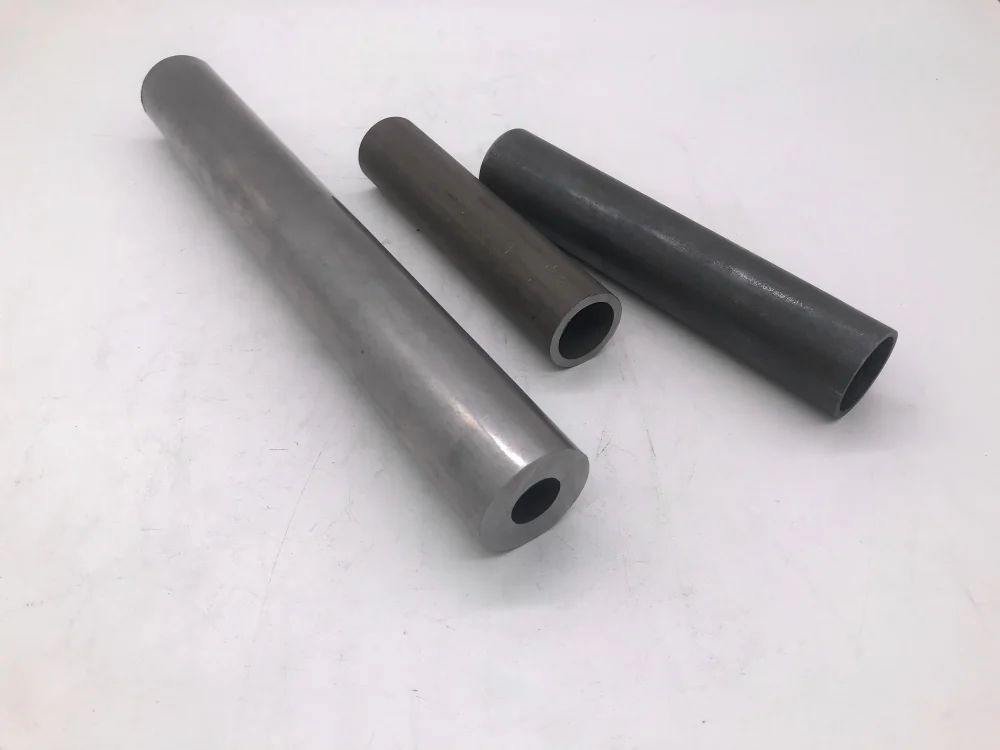
The fix is short: name the standard, the edition, the grade, the tolerance class and the delivery condition in the request for quotation. Everything later in this article depends on that sentence being unambiguous.
Matching the standard to the market that will receive the tube
Most international inquiries arrive with a size and a grade. Few arrive with the acceptance rule, which is the part that decides whether the tube passes receiving.
| Market | Standard usually named | What to fix before the RFQ leaves your desk |
|---|---|---|
| European Union | EN 10305-1 for cold-drawn precision, EN 10297-1 for mechanical | tolerance class and delivery condition, not only outer diameter and wall |
| Germany, legacy drawings | DIN 2391 for precision, DIN 1629 for seamless | which edition governs acceptance when the drawing predates the EN replacement |
| United States | ASTM A519, ASTM A106, ASTM A179 | grade by chemistry plus any supplementary requirement |
| Japan | JIS G3445 for machine structure, JIS G3461 for heat exchange | the full grade code, and which of the two purposes applies |
| Russia and CIS | GOST 8733 | delivery state and the grade designation your inspection plan recognizes |
| China domestic | GB/T 3639 for cold-drawn precision, GB/T 8163 for fluid service | whether this is a precision purchase or a pressure-service purchase |
The mechanism behind the table is not exotic. Different editions organize tolerance in different ways. One table controls wall deviation as a percentage, another as an absolute figure, and straightness limits are written against different reference lengths. Two mills can both print “DIN 2391” on a certificate while applying different sampling, and both can be honest. The disagreement appears later, at your incoming inspection, when the inspector opens the edition your customer’s drawing cites.
Japanese orders usually arrive with the purpose already encoded. A JIS G3445 tube for a machine frame and a JIS G3461 tube for a heat exchanger are both carbon steel, and they are not interchangeable purchases. One is judged on mechanical properties for structural work, the other on suitability for temperature and pressure service.
Russian and CIS orders under GOST 8733 tend to specify the delivery state as carefully as the grade, because the same chemistry in a different condition behaves differently under the customer’s forming operation. A normalized tube and a cold-drawn tube of identical composition are not the same purchase, and the drawing has to say which one it wants.
Chinese domestic projects start from GB/T 3639 or GB/T 8163 depending on whether the tube is a precision component or a fluid line. The test schedule follows that choice, not the mill’s convenience, and the choice is usually visible in the price before it is visible in the certificate.
Documents that decide whether the tube clears customs and receiving
A purchase order that crosses a border carries two document sets, and buyers often inspect only one of them.
The technical set starts with the inspection certificate. Under EN 10204, a type 3.1 certificate is issued by the manufacturer’s inspection department, which is independent of the production department that made the tube. A type 3.2 certificate brings in an inspector authorized by a third party. That difference matters when your quality plan says “independent verification” and the supplier reads it as a signature from someone else in the same building. Name the type in the purchase order and the argument disappears before it starts.
Heat number continuity does the real work. The heat number on the bundle tag, the mill test report, the packing list and the certificate should be the same string, and a receiving inspector who finds two different numbers has a defensible reason to stop the container. Product mix-ups happen; paperwork mix-ups happen more often, and a mismatched number costs a week to resolve from the other side of an ocean.
Alloy orders need one extra step. PMI, positive material identification, confirms that the tube in front of you carries the chemistry printed on the certificate. It is the cheapest practical defence against a grade substitution that dimensional checks cannot see. Where the purchase order calls for eddy current or ultrasonic testing, the report should name the standard, the acceptance level and the equipment used, not just the word “passed”.
Heat number continuity is the cheapest traceability check available to a receiving inspector. <How Digital Traceability Tightens Steel Tube Quality Control> covers how digital records follow a heat through production and inspection.
The commercial set is shorter and delays more shipments. It is an invoice that matches the Incoterm on the quotation, a packing list with gross, net and bundle marks, a certificate of origin, and a bill of lading that agrees with all of the above. Customs does not care about your tolerance class. It cares whether the weight on the packing list matches the weight on the bill of lading.
Why custom profiles and tight tolerances travel worse than round tube
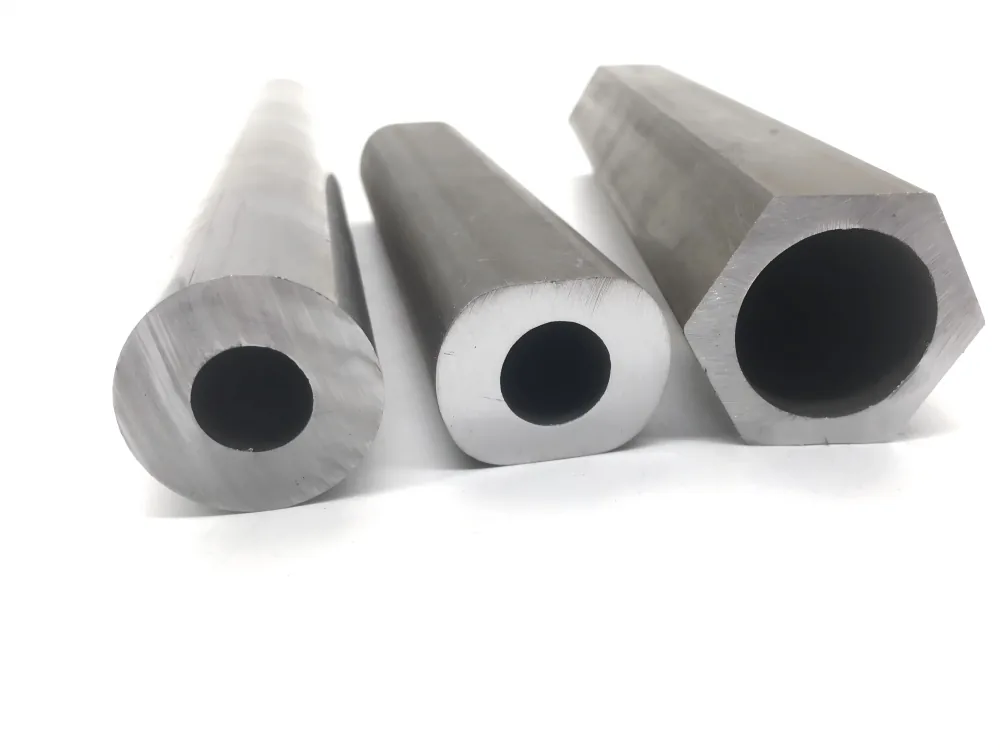
Round tube is forgiving in transit. A bundle can roll, settle and still measure correctly at the other end. A hexagonal, square or D-shaped profile does not settle. It stacks on its flats, and a bundle braced as if it were round will show corner deformation that no drawing note will excuse.
The measuring problem starts before packing. A hexagon is specified across flats, and if the drawing does not say whether the tolerance applies across flats or across corners, two competent inspectors will disagree by a few hundredths and neither will be wrong. The same ambiguity appears at the corner radius, where cold drawing thins the wall unevenly if the die sequence was not designed for that profile.
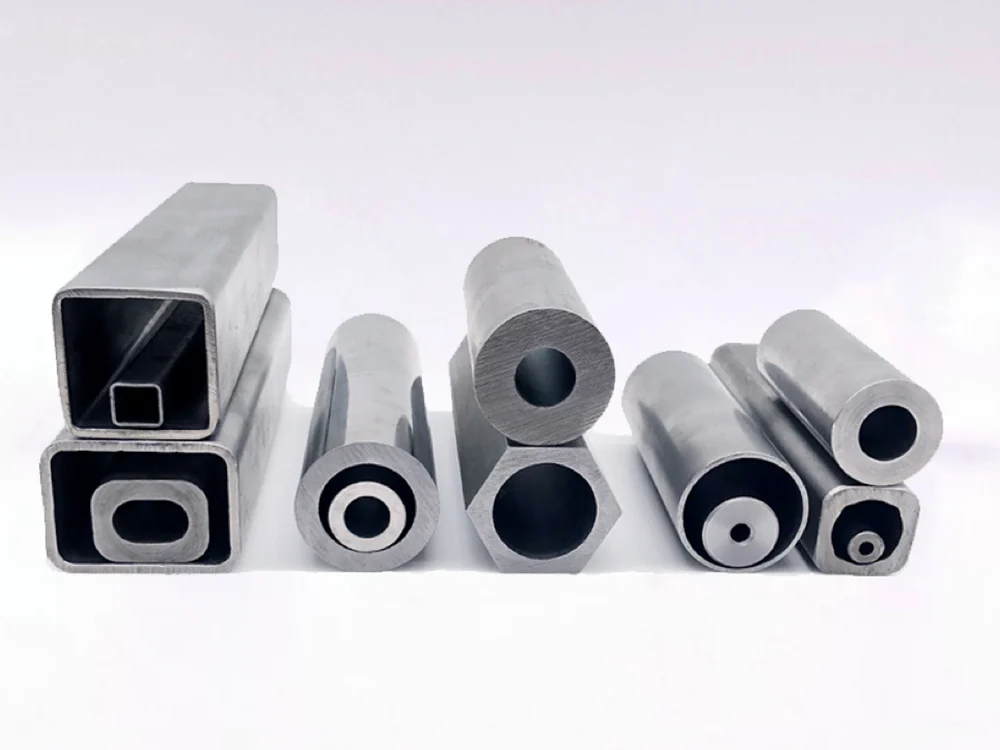
The cold-drawn range from 10 to 108 mm outer diameter with 1 to 20 mm wall carries a working wall tolerance of ±0.1 mm. That is a product-range statement, not a promise about every shape. A sharp-cornered hexagon with a thin wall is a harder drawing job than a round tube of the same nominal size, and what is achievable follows the profile.
There is a real tradeoff here, and it is worth stating plainly. A cold-drawn profile saves machining on every part you make from it, and it costs tooling and a minimum batch before the first tube exists. Machining the shape from round bar avoids the tooling charge and adds cycle time to every component. The break-even sits roughly where tooling cost divided by annual part count falls below the machining time saved per part. A buyer running a few hundred parts a year usually machines. A buyer running tens of thousands usually draws.
Lead time, freight and the buffer that absorbs a missed sailing
Total delivery time is a chain, and it is usually misjudged at the same link. Buyers estimate production and forget the mill slot that comes before it, or they estimate the sailing and forget that the carrier’s documentation cut-off lands days before the vessel loads.
The chain runs: drawing approval, mill slot, production, inland transport, port handling, sailing, clearance, delivery. On a repeat order for a standard specification, the middle links compress. Tenjan quotes 20 to 25 days for standard specifications on its fast track, holds a capacity buffer of roughly 15 percent for urgent work, and reports an on-time record of 99.2 percent measured against confirmed ship dates. Those are company-reported figures, and the definition behind the last one is worth asking about, because “on time” measured from order confirmation and “on time” measured from the requested date are different numbers.
Custom work adds drawing approval and tooling to the schedule before the mill slot even opens. <Managing Custom Steel Tube Lead Times for OEM Buyers> covers where custom tube schedules lose days and how buyers can pull them back.
Freight choice then decides how much of the buffer survives. A full container leaves on your schedule. A less-than-container load waits for consolidation, which can add a week before the vessel and another at destination. Air freight for a two-ton urgent order looks expensive per kilogram and is occasionally the cheapest option in total, because the alternative is a stopped assembly line and a customer claim that outruns the freight difference.
The practical rule is to treat the quotation date and the confirmed date as two different numbers. Ask which one the on-time figure refers to, and plan inventory against the second.
Five checks before you trust a supplier’s global reach claim
Every global supplier claim can be converted into a question with a verifiable answer. The table below does that conversion, and the third column matters most, because it states where the proof stops.
| Claim | Ask for | What the answer proves |
|---|---|---|
| “2,000+ clients served” | Three shipping documents from the past year, heat numbers redacted | Repeat export shipping, not capability on your grade |
| “20+ countries” | The destination list with the standard used in each | Rule-set coverage, not coverage of your market’s edition |
| “ISO certified” | The certificate, its scope wording and its expiry date | The management system scope, not the tube in the crate |
| “In-house inspection” | Which tests run on site and which are subcontracted | Who signs the report you will rely on |
| “Fast delivery” | Recent on-time performance and the measurement definition | A measured record, not a schedule promise |
The second check is the one buyers skip. A destination list says more than a country count, because the useful question is not whether a supplier has shipped to Germany, but which standard it shipped against and who inspected the result.
A checklist only helps if the answers are comparable across suppliers. <How to Choose a Steel Tube Supplier for Your Next Project> covers the selection criteria buyers can score consistently.
None of these five checks proves metallurgy, and it is worth being clear about that. Chemistry, mechanical properties and cleanliness are settled by the first-article report and the inspection certificate, not by a client count. The checks above establish something narrower and still useful: whether a supplier’s paperwork survives the trip, and whether the person answering your email knows the difference between the documents in that list.
Send the drawing, the standard and the destination port
The fastest way to close the gap between a quotation and a real order is one email with the right fields in it. Tell us the standard and edition, the grade, the outer diameter and wall, the tolerance class, the delivery condition, the length, the quantity, the inspection requirements (certificate type, PMI, eddy current or ultrasonic testing), the packing preference, the destination port and the required date. Those are the fields that decide the price and the schedule, and they decide them the same way whether you are buying two tons or two hundred.
Sunny@tenjan.com reaches the export desk directly. Telephone +86 51988789990, WhatsApp and phone +86 13401309791.
FAQ
How many countries does Tenjan actually ship to?
More than twenty, according to the company’s own order history, with cumulative clients above 2,000 since 2004. A destination count is a starting point rather than a qualification. The follow-up question is which standard editions the mill has inspected against in those markets, because shipping to a country and being accepted by that country’s buyers are two different achievements.
Does a long client list mean a supplier can meet my standard?
No. A client list shows that a supplier has handled a variety of market requirements over time. Whether it can meet your standard depends on the edition you cite, the grade, the tolerance class, and whether the inspection plan covers the tests your quality department requires. Ask for the certificate scope and a first-article report on a comparable part before you treat any list as evidence.
What is the difference between a mill test report and an EN 10204 3.1 certificate?
A mill test report is the general name for the document recording a heat’s chemical and mechanical results. EN 10204 3.1 is a specific certificate type, issued by the manufacturer’s inspection department independent of production. Many suppliers use the two terms interchangeably. If your quality plan requires independent verification, specify type 3.2 or an agreed third-party inspection, because a 3.1 certificate remains the manufacturer’s own declaration.
Can I get a 20 to 25 day delivery on a custom profile?
Usually not, and it is better to plan around that. The fast track applies to standard specifications within the cold-drawn range of 10 to 108 mm outer diameter and 1 to 20 mm wall. A new profile adds drawing review and tooling before production can be scheduled, so the clock starts at drawing approval rather than at the inquiry.
Which document should I check first when a container arrives?
The bundle tag against the mill test report. If the heat numbers match, move to PMI on alloy grades and then to dimensional checks. If they do not match, pause the receiving process and photograph both documents, because a heat number mismatch is the fastest route to a claim that either side can win.
If you’re interested, check out these related articles:
How EN10305 Steel Tube Standard Affects Precision Tube Procurement
Why Steel Pipe Pickling Process Needs 6 Strict Controls
Steel Tubes for Construction Applications: Selection Guide