COVID-19 and the Steel Tube Supply Chain: Lasting Impacts and Sourcing Lessons
The steel tube supply chain spent most of its history being invisible—until it wasn’t. In early 2020, when automotive plants idled, ports backed up, and buyers discovered that a single precision tube could delay an entire…
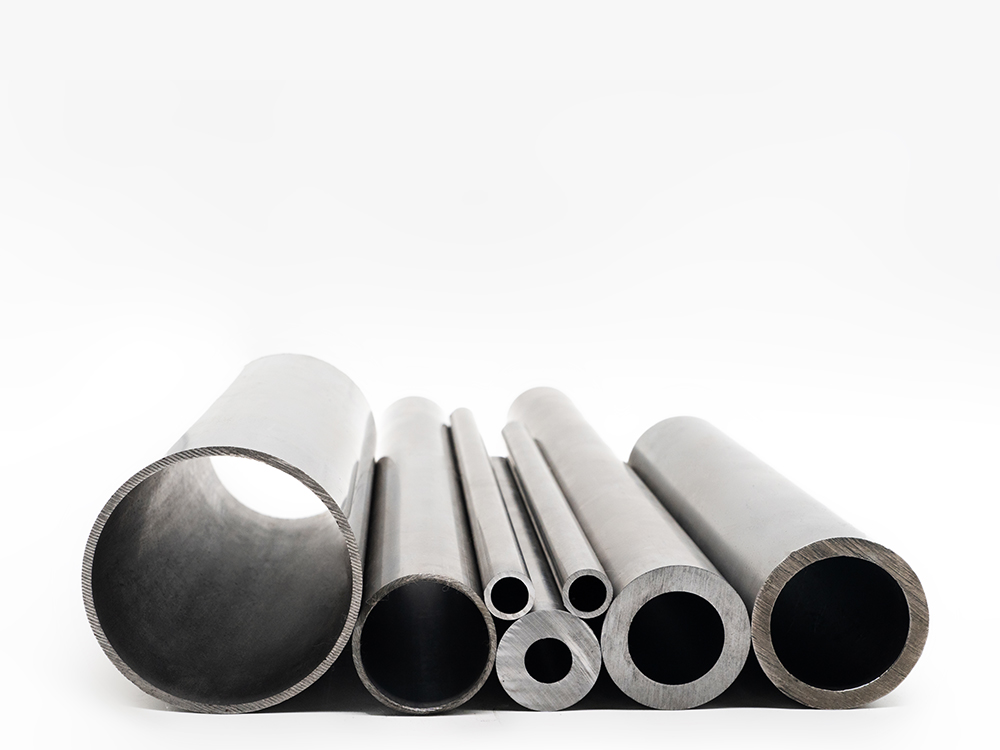
The steel tube supply chain spent most of its history being invisible—until it wasn’t. In early 2020, when automotive plants idled, ports backed up, and buyers discovered that a single precision tube could delay an entire hydraulic cylinder assembly, supply chain conversations changed almost overnight. COVID-19 did not create every weakness in the steel tube chain, but it exposed them in a way no audit had ever done.
Before you go further, ask yourself a simple question: how many weeks of verified material buffer does your current tube program actually carry? If the answer is uncertain, the lessons below are for you.
The Shock That Rewired Steel Tube Supply Chains
The first shock was not a steel shortage in the ordinary sense. Global crude steel production actually fell by only 0.9% in 2020 to 1,864.0 million tonnes, according to the World Steel Association [1]. But the regional pattern was brutal: China’s output rose 5.2%, while the European Union fell 11.8% and North America fell 15.5% [1]. For tube buyers, this meant availability depended less on global totals and more on geography, mill mix, and downstream processing resilience.
The second shock was demand whiplash. Automotive and energy-related tube orders dropped sharply, while construction machinery, medical equipment, and agricultural machinery held or grew [2]. A buyer serving multiple sectors suddenly had one part of the order book in freefall and another in acceleration—exactly the kind of imbalance standard forecasting does not handle well.
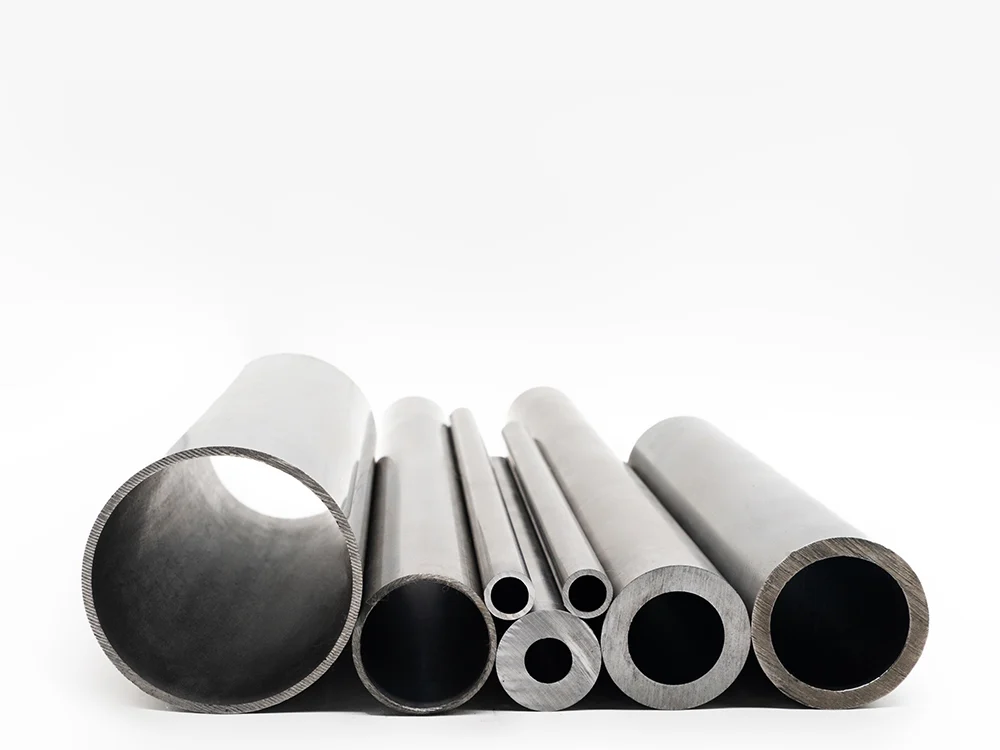
Demand Shifts: Where Steel Tube Orders Moved During the Pandemic
The OECD steel market analysis described a K-shaped recovery in steel-consuming industries: infrastructure and machinery recovered faster than commercial aerospace and energy [2]. That pattern showed up in tube specifications, not just tonnage. High-tolerance, small-batch precision tube for medical and laboratory equipment stayed in demand, while long-run commodity tube programs faced pushouts.
| Sector | Demand shift | Main driver | Effect on tube specification |
|---|---|---|---|
| Automotive and light vehicle | Sharp decline, then rebound | Plant shutdowns and EV restart programs | Higher bar for lightweight, high-strength precision tube |
| Construction machinery | Resilient to growing | Equipment replacement and infrastructure stimulus | Stronger orders for cold-drawn profiles and honed cylinder tube |
| Oil, gas, and drilling | Contraction | Capex cuts and lower energy prices | Fewer long-run drilling and downhole tube programs |
| Medical and laboratory equipment | Growth | Diagnostic, oxygen, and cleanroom equipment | Small-batch orders, tight OD tolerance, high surface finish |
| HVAC and food processing | Steady to growth | Building stock and hygiene requirements | Corrosion-resistant and clean-surface tubing |
| General industrial MRO | Volatile | Shutdowns followed by restarts | Inventory destocking, then sharp replenishment waves |
The table hides a practical point: many buyers were not short of steel in general—they were short of the right grade, the right tolerance, and the right certificate at the right lead time.
Logistics, Lead Times, and the End of “Just-in-Time”
McKinsey’s 2020 supply chain review described the crisis as a stress test for globalization [3]. For steel tubes—heavy, price-sensitive, and often specified by certificate rather than by brand—the stress showed up in three places: port congestion, container imbalance, and trucking bottlenecks. A mill could run perfectly well and the tube could still arrive late.
One hydraulic cylinder program we supported learned this the hard way. Its precision cylinder tube source was technically sound, but geographically concentrated. When lockdowns cut regional transport, incoming tube for machining lines stalled. The fix was not a new steel grade; it was a supply mix. The team used a cold-drawn welded tube as a secondary path, kept the primary cold-drawn seamless tube for final sizing, and locked the design with a DFM review. The buffer went from almost zero to a covered horizon without re-engineering the part.
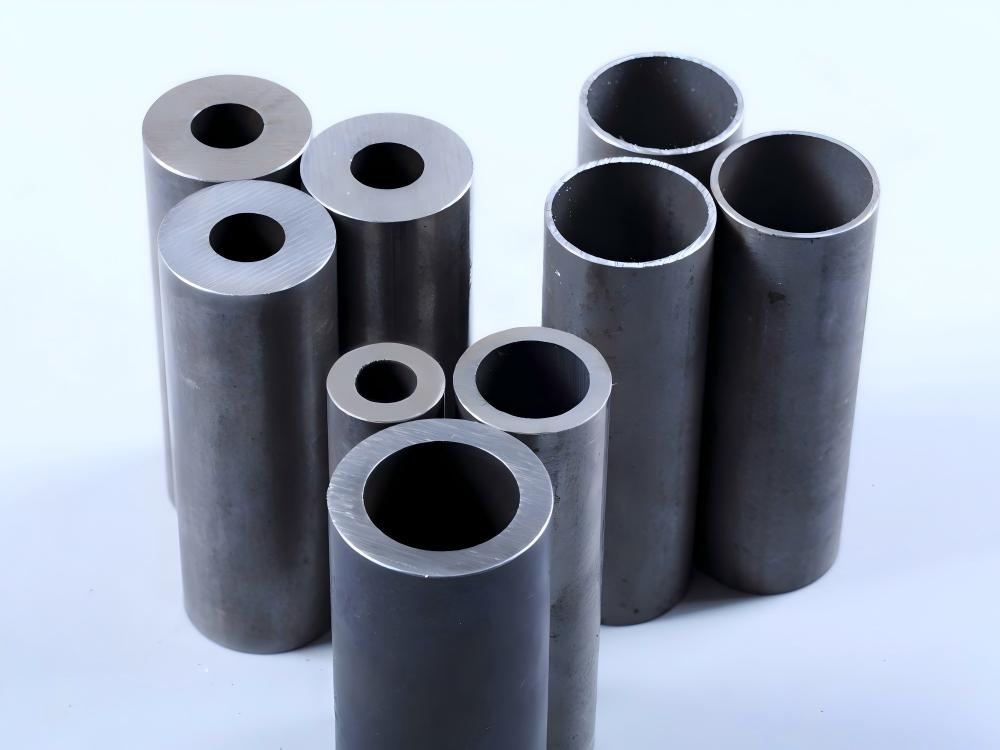
Sourcing Strategy Pivots That Are Still in Place
When the acute phase passed, procurement teams did not go back to the old model. They kept three habits: dual sourcing for critical tube profiles, deeper mill audits, and much more detailed lead-time conversations [3].
Once lead times and certification rules changed, the old supplier scorecard stopped working. <How to Choose a Steel Tube Supplier for Your Next Project> covers a practical evaluation framework for the next project cycle.
Custom profiles and precision tube also became a hedging tool. Buyers discovered that a special shape or a tighter tolerance from a mill with strong in-house cold drawing could reduce the number of secondary operations—and therefore the number of suppliers that could fail. This is why the post-COVID conversation often starts with drawing capability and process control, not just price.
Need a second set of eyes on your current tube specifications? Email Sunny@tenjan.com or call +86 51988789990 and a precision steel tube engineer will review your bill of materials and sourcing plan.
What the Post-COVID Steel Tube Buyer Should Verify
The new verification checklist is shorter than you might think, but it is stricter. It focuses on evidence, not promises:
- Mill certificates and alloy composition against the specified grade
- Process route: cold drawn, cold rolled, or cold drawn welded—not just “seamless”
- Dimensional tolerance and surface finish at the actual OD and wall thickness
- EN 10204 3.1 traceability from heat number to finished tube
- NDT coverage: ultrasonic, eddy current, and PMI where required
- Production capacity and raw-material buffer, not just a sales brochure
After the pandemic exposed loose qualification chains, more procurement teams now verify certificates before they verify prices. <How to Verify ISO Certification for Steel Tube Manufacturers> covers the documents and checks that separate certified mills from paper mills.
Production resilience also changed. Buyers now care about how a mill handles process control from raw material to finished product, because the weakest step determines lead time.
The pandemic made mill capability a negotiating point, not a footnote. <Steel Tube Manufacturing Process: Precision and Quality> covers the production stages that separate stable supply from guesswork.
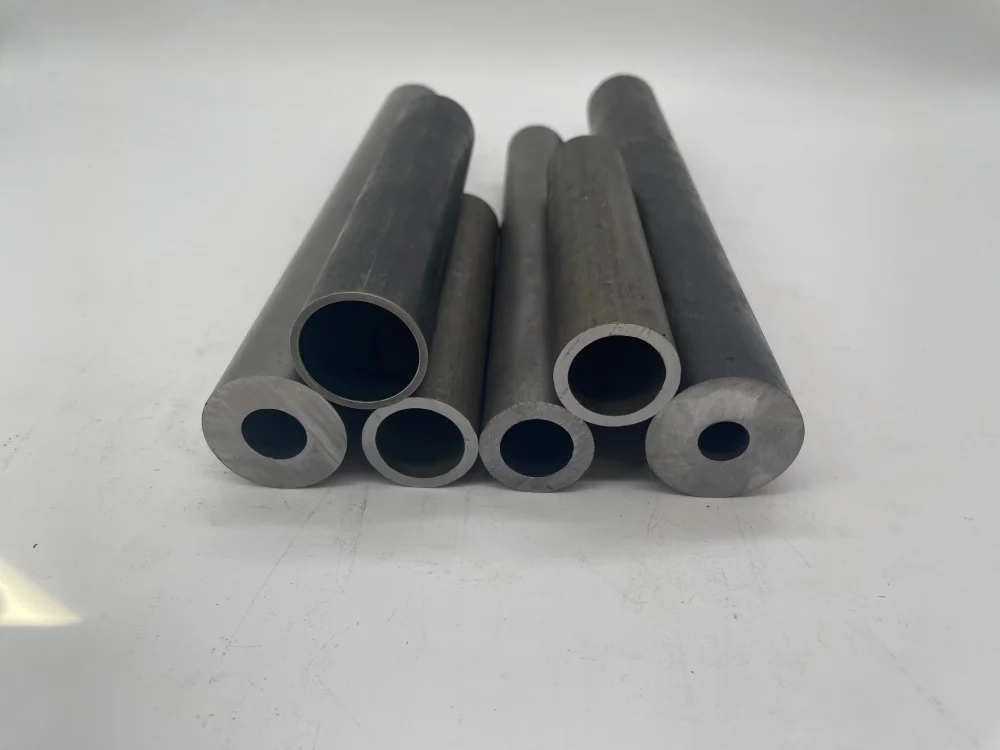
Put the Post-COVID Sourcing Lessons to Work
The steel tube supply chain is no longer invisible, and that is probably a good thing. The buyers who adapted are the ones who treat tube sourcing as an engineering process—full traceability, clear technical scope, and suppliers who can explain exactly how a tube is made, tested, and delivered.
Changzhou Tenjan Steel Tube Co., Ltd. has been vertically integrated since 2004: cold drawing, cold rolling, and custom-shaped section production in one process chain. If your next project involves OD 10–108 mm precision tube, we can help with:
- Precision seamless and cold-drawn tube
- Custom-shaped steel pipes, including square, rectangular, hexagonal, and complex profiles
- DFM analysis and small-batch runs
- ASTM, EN, DIN, and JIS certificates with EN 10204 3.1 traceability
- PMI and NDT inspection support
Email: Sunny@tenjan.com
Tel: +86 51988789990
Phone/WhatsApp: +86 13401309791
Frequently Asked Questions
Did COVID-19 permanently reduce steel tube production capacity?
No single global capacity number tells the whole story. The OECD described a regional rebalancing rather than a permanent global contraction: some high-cost capacity was idled or consolidated, while other regions added more flexible, export-oriented capacity [2]. The practical effect for buyers was that capacity became more selective by grade, tolerance, and location—so qualification mattered more than headline tonnage.
Why did some steel tube buyers see longer lead times than others?
Lead time varied with product route and geography. Cold-drawn precision tube and custom profiles depended on downstream processing steps that were disrupted by labor shortages, energy prices, and freight bottlenecks, not just raw material. Buyers with certified drawings, stable forecasts, and buffer stock could absorb more of that volatility.
Is dual sourcing still necessary after COVID-19?
For critical tube profiles, yes. Dual sourcing is not about distrusting one mill; it is about reducing single-point risk in processes you cannot control, such as port congestion or regional energy supply. The key is to keep the same technical specification and traceability standard across both sources.
How can buyers verify steel tube quality without visiting a mill?
Remote verification is now a normal part of steel tube procurement. Ask for the EN 10204 3.1 inspection certificate, heat traceability records, NDT reports, and dimensional inspection data for the specific lot; video or digital audit can supplement on-site review. Independent third-party testing gives additional confidence.
What should an engineer do first when rebuilding a post-COVID steel tube supply chain?
Start with the blueprint, not the price list. Confirm the true dimensional, mechanical, and surface requirements of the finished component, then map which suppliers can prove those capabilities across the full production route. From there, add buffer for the weakest link in transport, not the strongest.
References
[1] World Steel Association, “Global crude steel output decreases by 0.9% in 2020,” Brussels, Jan. 2021. [Online]. Available: https://worldsteel.org/media-centre/press-releases/2021/global-crude-steel-output-decreases-by-0-9-in-2020/
[2] OECD Steel Committee, “Steel Market Developments: Q2 2021,” OECD, 2021. [Online]. Available: https://www.oecd.org/industry/ind/steel-market-developments.htm
[3] McKinsey & Company, “How COVID-19 is changing the world’s supply chains,” New York, May 2020. [Online]. Available: https://www.mckinsey.com/capabilities/operations/our-insights/how-covid-19-is-changing-the-worlds-supply-chains
If you’re interested, check out these related articles:
How to Verify ISO Certification for Steel Tube Manufacturers
Precision Tube Quality Inspection Checklist
Steel Tube Dimensional Accuracy: Why Fit Depends on It
DIN 1629 Steel Pipe: Grades, Dimensions, and Sourcing