Welcome to Changzhou Tenjan Steel Tube Co., Ltd
Sunny@tenjan.com



Steel tubes sitting in a warehouse might seem like a passive inventory problem, but anyone who has dealt with corroded stock or deformed precision tubes knows better. The way you store these materials shapes everything downstream, from machining tolerances to final application performance. Getting storage right means fewer rejected batches, smoother production schedules, and steel that actually performs the way the spec sheet promised.
Steel tube storage directly affects your bottom line in ways that often go unnoticed until something fails. Poor storage practices lead to surface corrosion, dimensional changes from improper support, and contamination that compromises weld quality or machining precision. Companies that invest in strategic storage solutions typically see 20-30% improvements in space utilization, which translates to lower overhead costs and better material flow through the facility.
The challenge intensifies when you’re managing diverse inventories. A warehouse holding seamless pipe & tube alongside cold finished (hard) pipe & tube and cold finished (soft) pipe & tube needs different handling approaches for each category. Products like S355JR Steel Pipe and ST52 Steel Pipe retain their specified mechanical properties only when storage conditions prevent surface degradation and stress-induced deformation.
The racking system you choose determines whether your steel tubes remain accessible and undamaged or become a safety hazard buried under poorly organized inventory. Different tube geometries demand different solutions, and getting this wrong creates cascading problems throughout your operation.
Cantilever racking remains the go-to choice for long, heavy tubes because it eliminates vertical obstructions that complicate forklift access. This design works particularly well for products like STKM11A Steel Pipes and STKM13A Steel Tubes, where length and weight require unobstructed horizontal support. Vertical storage systems make sense when floor space is tight or when you’re dealing with shorter tube lengths that can be safely stored upright.
Load capacity calculations matter enormously here. Cantilever racks typically handle higher per-arm loads, making them suitable for heavy alloy tubes. Vertical systems offer dense storage but work better for lighter bundles. Matching your racking to your actual inventory prevents both safety incidents and the frustrating situation where your most-needed tubes are buried behind less critical stock.
Heavy steel tubing storage requires engineering-level attention to load distribution and structural support. Cantilever racking handles long, heavy tubes horizontally, which simplifies forklift operations and reduces handling damage during retrieval. The open design means operators can see what they’re grabbing and position forks accurately.
For shorter, heavier tubes or situations demanding maximum storage density, specialized heavy duty steel tube racks with reinforced shelving or pigeonhole configurations perform well. These systems need robust construction to handle concentrated loads without deflection. Storing 4140 Steel Pipe or 25CrMo4 Steel Pipe requires racks specifically engineered for their weight characteristics and the handling requirements of alloy materials.
Steel tube damage during storage falls into two categories: physical damage from improper handling and chemical degradation from environmental exposure. Both problems are preventable with the right protocols, and both become expensive when ignored.
Physical damage prevention starts with secure stacking and clear aisleways that give material handling equipment room to operate safely. Bundling tubes with appropriate straps or chains prevents rolling and shifting, which causes surface scratches and, in severe cases, dimensional deformation. The goal is keeping tubes stationary and properly supported until they’re needed.
Corrosion prevention requires environmental awareness. Humidity control makes the biggest difference for most storage facilities, since moisture drives oxidation reactions on steel surfaces. Protective coatings, oils, or plastic wraps create barriers against atmospheric moisture and contaminants. Even simple measures like storing tubes on elevated racks rather than directly on concrete floors reduce moisture exposure significantly.
Long steel tubes present unique safety challenges because their length creates leverage that amplifies small movements into dangerous situations. Cantilever racking designed for extended lengths ensures tubes receive support along their entire span, preventing sagging that leads to permanent deformation.
Secure bundling using industrial straps or chains keeps tubes from rolling or shifting during storage and retrieval. Clear storage zones with adequate clearance for forklifts and overhead cranes reduce collision risks. Operator training matters as much as equipment selection, since even well-designed storage systems fail when operators take shortcuts or lack proper instruction. OSHA guidelines for material stacking provide a baseline, but facility-specific protocols often need to exceed minimum requirements for heavy industrial materials.
Rust prevention combines environmental management with physical protection measures. Controlling humidity within storage facilities slows corrosion rates dramatically, particularly for carbon steel tubes that lack the inherent corrosion resistance of stainless grades. Stable temperatures help too, since temperature swings cause condensation that accelerates oxidation.
Protective coatings create physical barriers between steel surfaces and the atmosphere. Options range from light oil films for short-term storage to lacquers or plastic wraps for longer periods. The right choice depends on how long tubes will sit before use and what surface preparation the downstream application requires.
Handling practices contribute to damage prevention as well. Using appropriate lifting equipment prevents the dents and scratches that occur when tubes are dragged or dropped. Avoiding abrasive contact with other materials or rough surfaces preserves the surface finish that precision applications demand.
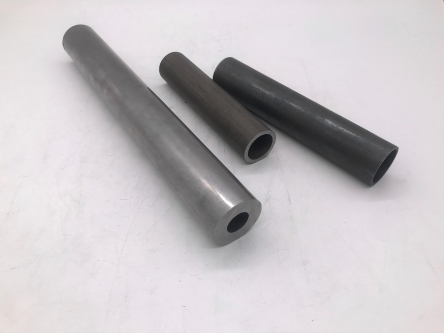
Warehouse space costs money, and steel tubes consume a lot of it. Strategic layout planning that utilizes vertical space effectively can transform a cramped facility into one with room for growth. The key is balancing storage density against accessibility, since tubes buried in the back of a rack might as well not exist when production needs them urgently.
Advanced steel tube inventory management systems provide real-time visibility into stock levels, locations, and movement patterns. This data eliminates the manual searches that waste time and the guesswork that leads to overstocking or stockouts. For facilities handling products like Seamless Carbon Steel Tubes or Precision Pipe&tube, knowing exactly what’s available and where it sits streamlines production planning considerably.
Automated storage and retrieval systems represent the high end of storage optimization. These systems pack tubes densely while maintaining rapid retrieval capability. The ROI calculation depends on volume and labor costs, but facilities with high throughput often find that automation pays for itself through improved operational speed and reduced handling damage.
Different steel tube categories have different vulnerabilities, and storage approaches need to reflect these differences. Treating all tubes identically invites problems that proper segregation and handling would prevent.
Seamless Alloy Steel Tubes and 41Cr4 Alloy Pipe benefit from controlled environments that prevent surface degradation. These materials often carry tight tolerances and specific surface requirements that atmospheric exposure can compromise. Cold-drawn tubes, known for dimensional precision and smooth finishes, need protection from physical impact that would mar surfaces or alter dimensions.
Custom-shaped steel tubes, including Special-Shaped Alloy Steel Tubes and Special-Shaped Carbon Steel Tubes, require specialized support structures. Standard racking designed for round tubes doesn’t accommodate irregular cross-sections properly, leading to stress concentrations and potential deformation. Custom cradles or shaped supports maintain the geometry that makes these products valuable.
Manufacturing experience with diverse tube types, from DIN 17175 Steel Pipe for high-temperature applications to EN10305-1 Steel Pipe for precision mechanical uses, informs practical storage recommendations. Each product category has characteristics that dictate appropriate handling and environmental conditions.
| Tube Type | Key Storage Requirement | Primary Risk | Recommended Solution |
|---|---|---|---|
| Seamless Tubes | Environmental control | Corrosion | Climate-controlled area |
| Cold-Drawn Tubes | Physical protection | Surface damage | Padded racks |
| Alloy Steel Tubes | Contamination prevention | Material degradation | Segregated storage |
| Custom Shapes | Shape retention | Deformation | Custom cradles |
Storage conditions directly determine whether steel tubes arrive at production or installation with their original properties intact. Inadequate storage causes corrosion that weakens material, deformation that throws off dimensional tolerances, and contamination that compromises weld quality. These problems create material waste, production delays, and performance failures in critical applications like automotive components or high-pressure boiler systems. Organized, protected storage environments ensure precision steel tubes meet ASTM, EN, DIN, or JIS standards when they’re actually needed.
Racking selection starts with the physical characteristics of your inventory: tube weight, length, and diameter determine load capacity requirements and rack dimensions. The type of steel matters because carbon, alloy, seamless, and cold-drawn tubes have different susceptibilities to damage. Available warehouse space dictates whether vertical or horizontal storage makes more sense. Material handling equipment compatibility affects daily operations, since racks that complicate forklift access slow everything down. Safety requirements, ease of retrieval, corrosion prevention needs, and future expansion plans round out the decision criteria.
Automated systems optimize space through high-density storage configurations that manual systems can’t match. They eliminate the human errors that plague manual inventory tracking and provide real-time data on stock levels and locations. Safety improves because automation reduces human interaction with heavy tubes during routine storage and retrieval operations. For precision steel tubing, consistent automated handling prevents the damage that occurs when operators rush or improvise. The operational efficiency gains, faster retrieval times and accurate inventory data, often justify the investment for facilities with significant throughput requirements.
For over two decades, Changzhou Tenjan Steel Tube Co.,Ltd has been at the forefront of precision steel tubing manufacturing, delivering custom solutions that meet the most stringent industry standards. Our deep understanding of material integrity extends beyond production to critical aspects like optimal storage and handling. If you’re seeking to enhance your industrial material management or require high-precision, custom-shaped steel tubes, connect with our experts. Let us partner with you to engineer solutions that drive efficiency, safety, and quality across your operations. Contact us today to discuss your specific requirements and discover how Tenjan’s expertise can benefit your next project. Email: Sunny@tenjan.com | Tel: +86 51988789990 | WhatsApp: +86 13401309791| Tel: +86 51988789990 | WhatsApp: +86 13401309791


Home Product Capabilities Case Studies Blogs About Get a Quote
Pipe & Tube Manufacturing Process Shapes & Profiles Pipes & Tubes Material Standard Steel Pipes & Tube Rebar Couplers Cold Drawn Steel Profiles & Bars
Oil & Petrochemical Industry Automotive & Motorcycle Components Mechanical Engineering Components Mining Construction Support Structures High-Pressure Boiler System Construction Machinery Geological Drilling Agricultural Machinery Parts Industrial Fluid Transfer Systems


© 2024 Changzhou Tenjan Steel Tube Co., Ltd All rights reserved. Privacy StatementTerms-ConditionsSitemap
