Welcome to Changzhou Tenjan Steel Tube Co., Ltd
Sunny@tenjan.com



When purchasing seamless steel tubes, many first-time users often have a question: why is the market price generally quoted by the "ton" or "kilogram," rather than the more intuitive "meter"? This isn't just industry practice; it's fundamentally determined by the production characteristics of seamless tubes and the principles of fair trade.
Core Reason: Weight is a Direct Reflection of Cost
The production of seamless steel tubes, whether hot-rolled or cold-drawn, primarily uses steel as its core raw material. The procurement cost of steel, energy consumption, process losses, and most other core costs for the mill are directly tied to the weight of the steel, not its length. Therefore, selling by weight (ton) is the pricing method that most directly reflects the raw material cost and basic processing cost. For manufacturers like Changzhou Tenjan Steel Tube Co., Ltd., this is also the fairest and most transparent business model.
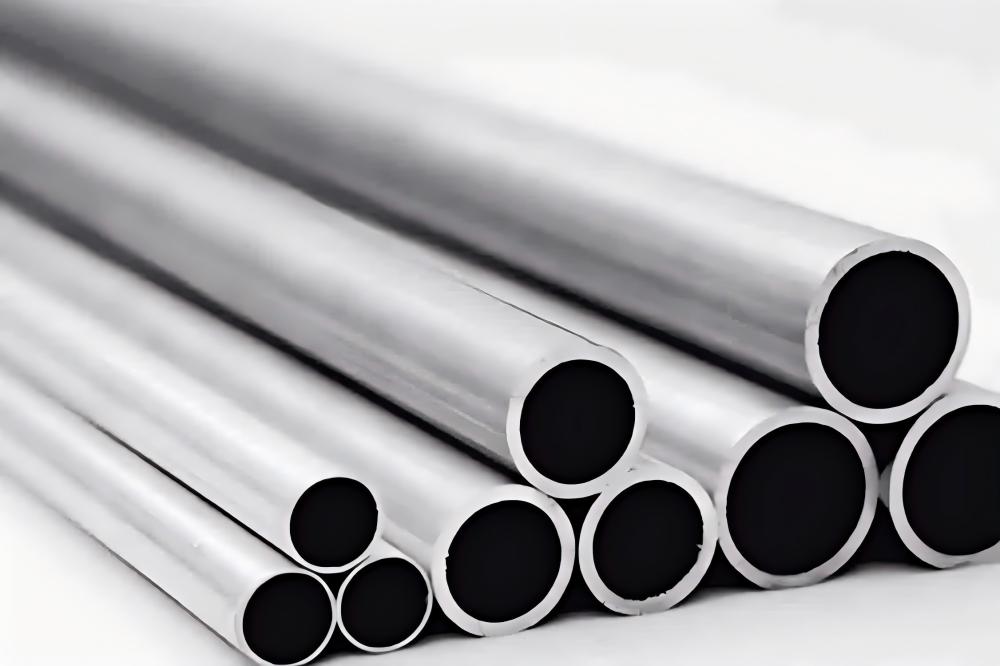
The Problem with Selling by "Meter": Too Many Variables, Difficult to be Fair
If sold by the "meter," several unavoidable technical challenges would arise, leading to an unfair transaction:
1.Wall Thickness and Weight Are Not Linear
Even with the same outer diameter, seamless tubes with different wall thicknesses have vastly different weights per meter. For example, for a Φ89mm seamless tube, the weight per meter for a 6mm wall thickness and an 8mm wall thickness differs by nearly 30%. If priced by the meter, tubes with thicker walls would significantly harm the seller's interests, while those with thinner walls would cause the buyer to lose out.
2.Influence of Material Density
Different materials for seamless tubes (e.g., 20# steel, 45# steel, alloy steel) have slight differences in density, leading to different weights for the same dimensions. It's clearly unreasonable for products with different costs to be sold at the same price per "meter length."
3.Length Uncertainty in Production
During continuous production, the length of seamless tubes has natural variations. It's difficult to guarantee every single tube is precisely the same uniform length. Trading by weight perfectly avoids disputes and cumbersome procedures related to length measurement, greatly improving efficiency.
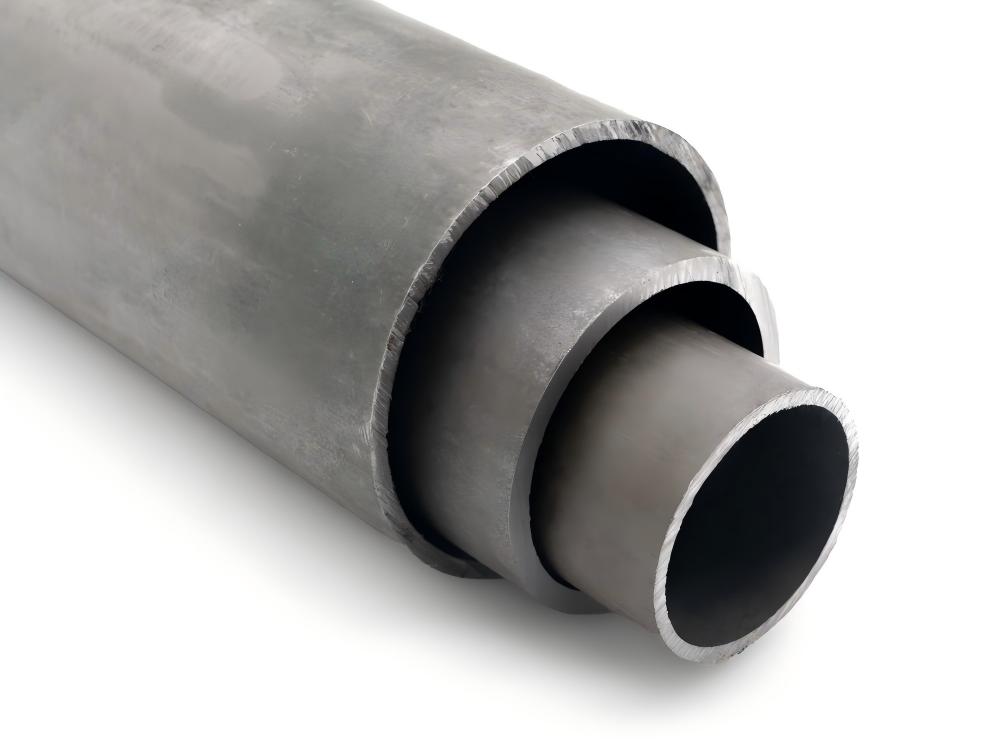
Industry Solution: Theoretical Weight Conversion Table
To address users' practical need for "length" in application, the industry universally adopts "theoretical weight" for conversion. When providing products, Changzhou Tenjan Steel Tube Co., Ltd. always supplies detailed theoretical weight tables. Customers simply need to determine the required tube specification (outer diameter * wall thickness) and material, then look up the "weight per meter" from the table. The approximate total length can then be easily calculated by dividing the total weight by the weight per meter.
In short, the process is: Determine Specifications → Query "Weight per Meter" → (Total Price ÷ Price per Ton) × Weight per Meter = Price per Meter.
Conclusion
In summary, the sale of seamless steel tubes by ton is based on the industrial essence that "weight determines cost," ensuring fairness for both buyers and sellers. The usage by meter is facilitated through a mature theoretical conversion system. Understanding this logic helps you communicate more professionally and efficiently with suppliers like Tenjan Steel Tube, ensuring that every section of seamless tube you purchase offers good value for money.


Home Product Capabilities Case Studies Blogs About Get a Quote
Pipe & Tube Manufacturing Process Shapes & Profiles Pipes & Tubes Material Standard Steel Pipes & Tube Rebar Couplers Cold Drawn Steel Profiles & Bars
Oil & Petrochemical Industry Automotive & Motorcycle Components Mechanical Engineering Components Mining Construction Support Structures High-Pressure Boiler System Construction Machinery Geological Drilling Agricultural Machinery Parts Industrial Fluid Transfer Systems


© 2024 Changzhou Tenjan Steel Tube Co., Ltd All rights reserved. Privacy StatementTerms-ConditionsSitemap
