Material Traceability: Why It Defines Steel Tube Quality
Material traceability used to be a warehouse conversation. Today it sits inside the drawing review, the supplier audit, and the contract. For OEMs buying seamless, cold-drawn, or shaped steel tubes, the physical tube and its identity…
Material traceability used to be a warehouse conversation. Today it sits inside the drawing review, the supplier audit, and the contract. For OEMs buying seamless, cold-drawn, or shaped steel tubes, the physical tube and its identity record are becoming inseparable.
The growing importance of material traceability is the result of shorter development cycles, longer supply chains, and standards that now demand proof instead of promises. Two tubes can be dimensionally identical and chemically similar but carry different heat treatment histories, inclusion risks, or surface-defect patterns. Without lot-level continuity, an engineer cannot know which tube is which.
What Material Traceability Actually Means in Steel Tube Supply
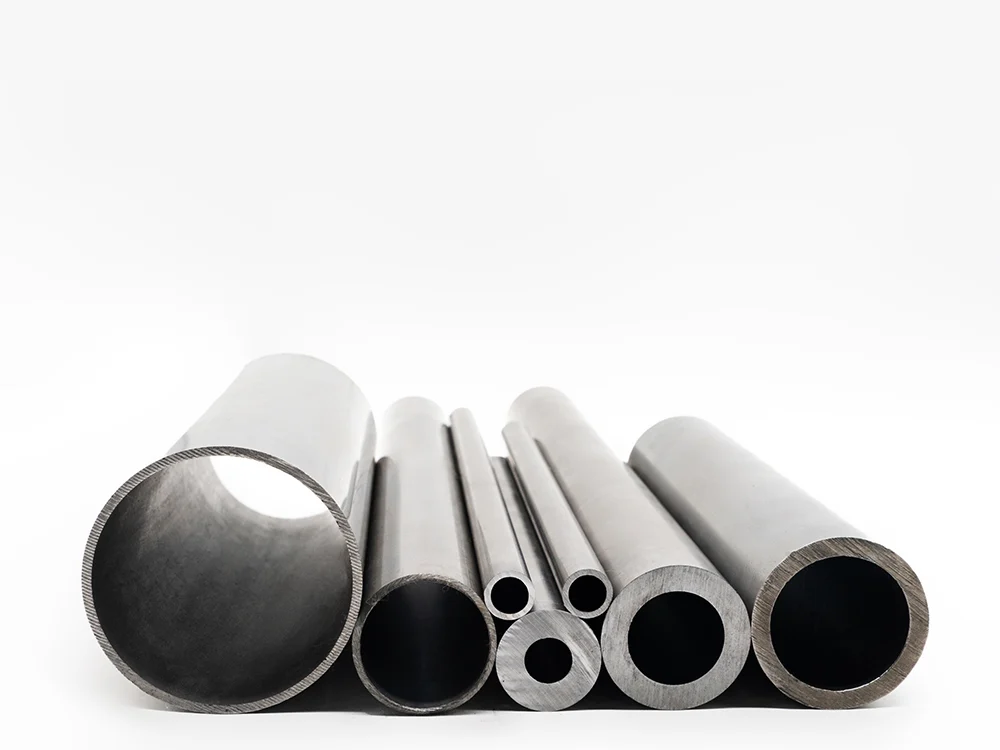
Material traceability means a delivered tube can be connected backward through each manufacturing step to the original heat of steel. The most common documentary tool is the EN 10204 3.1 inspection certificate, which states that specific inspection results and test data were supplied with the product [1]. A certificate, however, is only as strong as the heat-number linkage behind it.
ISO 9001:2015 requires an organization to identify and trace its product when traceability is a requirement [2]. In steel tube supply, that requirement becomes concrete when a heat number, a lot number, a process route, and a final inspection record all point to the same material.
A useful way to think about this is the traceability envelope. It is the set of markings, process records, and certificates that must remain internally consistent for one lot. The moment a bundle tag shows one heat number, a work order shows another, and the certificate shows a third, the envelope is punctured. A tube does not need to be defective to be rejected; it only needs an unverifiable identity.
Why Traceability Has Shifted from QA Afterthought to Procurement Requirement
For years, traceability was treated as a warehouse labeling issue. Modern procurement treats it as a risk-control issue. If a material problem appears downstream, the traceability chain determines whether the response is a precise lot quarantine or a costly broad recall.
IATF 16949 pushes this further in automotive supply chains, where missing lot continuity is treated as a system failure rather than a clerical error [3]. The same logic now appears in hydraulic, boiler, mining, and construction machinery projects, because the cost of an untraceable failure often exceeds the cost of the tube itself.
Consider a hydraulic cylinder OEM that receives two lots of E355 tube. Both meet the drawing. One lot was stress-relieved after cold drawing; the other was not. When the second lot enters final machining, dimensional movement shifts slightly with residual stress. Without a heat-treatment chart tied to the heat number, the problem looks random. With traceability, it is isolated in hours instead of weeks.
When the paper trail breaks: If you are auditing a current tube program, start with one request. Ask the supplier to show the same heat number on the incoming billet, the cold-drawing work order, the NDT log, and the 3.1 certificate. If those records do not align, procurement risk moves from theoretical to measurable. For a documented review of a current drawing or an incoming mill certificate, send the part number, grade, and application to Sunny@tenjan.com.
The Document Chain: Where Traceability Holds or Breaks
The traceability chain usually includes the heat number, the lot number, the process traveler, the heat treatment chart, the NDT report, the PMI result, and the final inspection certificate. None of these documents is optional when traceability is a contract condition.
| Document | What it confirms | What it does not confirm |
|---|---|---|
| EN 10204 3.1 certificate | Specific inspection results for the supplied lot | Automatic furnace-to-part genealogy |
| EN 10204 3.2 certificate | Manufacturer’s results confirmed by an independent inspection authority | Coverage of properties outside the specified inspection |
| Heat treatment chart | Time-temperature curve for the batch | That the chart matches the physical furnace lot |
| PMI report | Alloy identity at the inspection point | Identity at unverified process steps |
The same heat number rule is the simplest audit. If the raw material tag, the process traveler, the NDT log, and the 3.1 certificate all reference the same heat, the traceability envelope is intact.
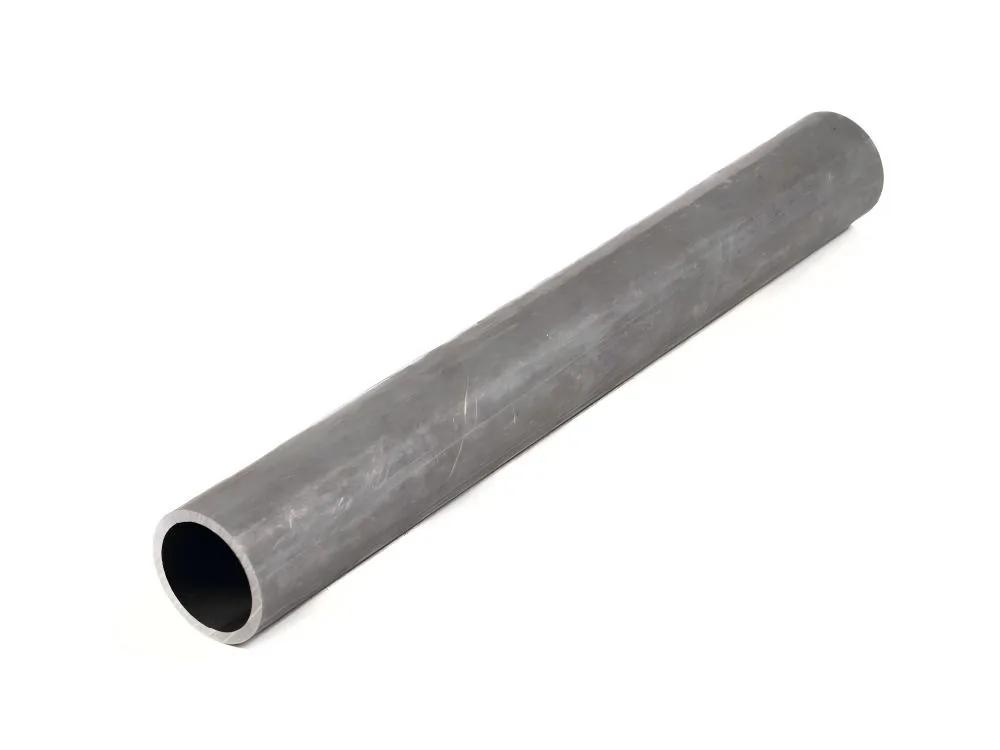
A certificate can only be read correctly when the standard behind it is understood. <Understanding ASTM, EN, DIN and JIS Tube Standards> covers how these systems define inspection and material traceability differently.
Digital Traceability: It Must Link to Physical Verification
Digital traceability is not just a QR code on a label. It is the structured linkage of heat numbers, process parameters, inspection results, and shipping records. A digital lot file can shrink search time from days to minutes, but only if the data entry points match physical verification methods such as positive material identification and non-destructive testing.
PMI confirms alloy identity at the moment of inspection. NDT methods such as eddy current and ultrasonic testing look for internal or surface discontinuities. Together they create evidence that the tube is what the certificate says it is. This matters most when grades look alike. A 4140 tube and an SCM440 tube may machine differently and respond differently to heat treatment despite broadly similar chemistry.
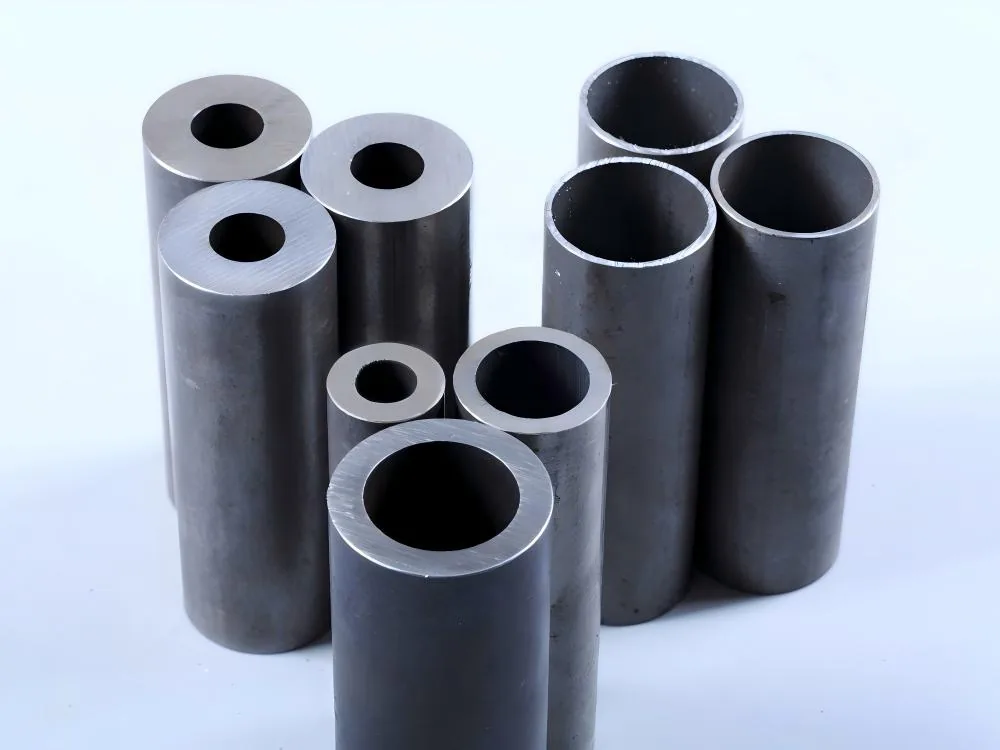
Digital records cannot replace physical inspection, but they can keep physical inspection results from being lost. <How Digital Traceability Tightens Steel Tube Quality Control> covers the handoff points where steel tube identity is most at risk.
How a Vertically Integrated Mill Protects Lot Identity
Traceability is easier when fewer handoffs occur. A vertically integrated tube manufacturer that controls raw material selection, cold drawing, cold rolling, heat treatment, straightening, and inspection can hold the heat number through a single process chain instead of stitching together sub-supplier records.
Tenjan’s full process control from raw material to finished tube is built around that continuity, with PMI and NDT checks at defined inspection points and EN 10204 3.1 documentation for demanding applications. A cold-drawn welded tube and a seamless cold-drawn tube use different process routes, but the traceability obligation is the same: the final record must describe the actual lot.
What Engineers Should Verify Before Approving a Supplier
A clean supplier audit does not require a traceability expert. It requires a small, repeatable set of checks.
- Ask for one complete lot file, not a blank template.
- Confirm the same heat number appears on the raw material certificate, process traveler, NDT report, and EN 10204 3.1 certificate.
- Confirm the PMI report matches the alloy grade and the ordered standard.
- Confirm the heat treatment chart matches the required cycle for the grade and final delivery condition.
- Confirm the supplier retains digital or physical records after shipment, not only until invoice.
- Ask what happens when a mixed lot is discovered; the answer reveals how seriously traceability is governed.
These checks separate a supplier with a real traceability system from one that issues documents on demand.
A supplier certificate is easy to collect and easy to misinterpret. <How to Verify ISO Certification for Steel Tube Manufacturers> covers how to test whether a quality system claim is substantive.
Request a Traceability Review for Your Next Steel Tube Program
If your next project requires EN 10204 3.1, PMI, NDT, or a fully connected mill-to-part record, send the drawing, material grade, and required inspection documents to Sunny@tenjan.com. Tenjan’s engineers can review the traceability path and propose a control plan for the tube lot.
Email: Sunny@tenjan.com
Tel: +86 51988789990
Phone/WhatsApp: +86 13401309791
FAQ
Is a 3.1 certificate the same as full material traceability?
No. A 3.1 certificate documents specific inspection results for a supply lot, but it is not automatically a complete furnace-to-part genealogy. Full traceability requires the heat number to survive raw material, forming, heat treatment, NDT, and final inspection.
What should be on a steel tube heat number?
The heat number must identify the original melt. It should appear consistently on the raw material certificate, process traveler, bundle or piece marking, inspection logs, and the final certificate. Any mismatch should stop the lot.
Why does traceability matter for non-automotive applications?
Hydraulic systems, high-pressure boilers, mining equipment, and structural components can also fail in service. When a defect investigation begins, the traceability chain determines whether the problem can be isolated to one heat or whether entire inventories must be quarantined.
How can digital traceability prevent lot mix-ups?
Digital records alone do not prevent mix-ups, but they make mix-ups visible. When a heat number or process route does not match at a scan point, the system can flag the lot before it moves downstream. Physical checks such as PMI and NDT still validate identity.
What should I ask a steel tube supplier before placing an order?
Ask for a sample lot file, the inspection document type, the NDT method and coverage, the PMI procedure, and the record-retention policy. Ask them to show the same heat number across the entire chain.
References
[1] European Committee for Standardization, EN 10204:2004, Metallic products — Types of inspection documents, CEN, 2004.
[2] International Organization for Standardization, ISO 9001:2015, Quality management systems — Requirements, ISO, 2015.
[3] International Automotive Task Force, IATF 16949:2016, Quality management system for automotive production and relevant service parts organizations, IATF, 2016.
If you’re interested, check out these related articles:
Seamless vs ERW Pipe: Which Is Right for Your Project?
Steel Pipe Heat Treatment: Key Processes and Applications
Heat Treated Steel Tube: What Engineers Need to Know
Special Shaped Steel Tube: Design and Cold Drawing Rules