Steel Tubes in Smart City Construction: Roles and Selection
Steel tubes in smart city construction are not a single product category. They are a portfolio of structural, fluid, and precision parts that must meet different standards in the same urban block. A digital twin can…
Steel tubes in smart city construction are not a single product category. They are a portfolio of structural, fluid, and precision parts that must meet different standards in the same urban block. A digital twin can monitor a bridge only if the tube inside the sensor mount survives vibration, moisture, and maintenance cycles. The practical role of steel tubes is to carry load, move water or air, protect sensors and cable routes, and keep dimensional control tight enough for modular assembly. This article explains where steel tubes are used in smart city projects, how application conditions change grade and shape choices, and what to specify before a concept moves into procurement.
Where Steel Tubes Appear in a Smart City
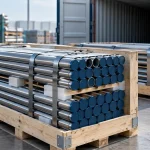
Smart city projects combine conventional civil engineering with sensor networks, automated systems, and modular construction. Steel tubes appear in both visible and hidden layers. In the visible layer, hollow sections form canopies, transit shelters, pedestrian bridges, shade structures, and architectural screens. In the hidden layer, tubes move water, compressed air, and thermal fluids; protect electrical and fiber conduits; and act as structural mounts for cameras, environmental sensors, and communication equipment. The same material family performs different jobs because tube geometry offers a high strength-to-weight ratio and because precision tube production keeps wall thickness and straightness within predictable limits.
Load-bearing tubes should not be chosen by appearance alone. A round section used for a lighting pole has a different buckling and fatigue condition than a square section used in a modular wall. The section shape, wall thickness, weld condition, and surface treatment all need to match the failure mode that controls service life.
How Load, Pressure, and Environment Change the Tube Choice
In smart city work, the first engineering split is not round versus shaped. It is which failure mode controls the part. A lighting pole is dominated by bending and buckling from wind and impact. A district energy pipe is dominated by internal pressure and thermal cycles. A sensor mast is dominated by vibration and corrosion at the connection. A water or stormwater line is dominated by external soil load, moisture, and long service intervals. These conditions lead to different material, process, and verification choices.
| Urban application | Primary condition | Tube attribute to prioritize | Why it matters |
|---|---|---|---|
| Smart pole or mast | Wind load, vibration, impact | Strength with good weldability and roundness for fit-up | A bent or weld-failed pole is a safety and network failure |
| District heating or cooling | Internal pressure, thermal cycling | Seamless, pressure-tested, traceable material | Leaks in buried lines are costly and difficult to locate |
| Sensor and equipment mount | Moisture, vibration, inspection access | Dimensional stability and clean surface | Stable dimensions keep sensors aligned and reduce loosening |
| Architectural screen or canopy | Visual geometry, site assembly | Consistent profile, straightness, repeatable cross-section | Misaligned profiles multiply welding and finishing labor |
| Buried utility sleeve or conduit | Soil contact, water, occasional impact | Corrosion control, coating compatibility, strength | Pitting can start long before visible failure |
The smart city context adds one more condition: many assets are expected to support sensors or automation later. That does not change the steel grade on its own, but it raises the value of documented dimensional control and traceable material, because the sensor mount or retrofit bracket must fit a tube that was installed years earlier.
Application conditions drive more of the tube choice than the nominal project label does. <Steel Tubes for Construction Applications: Selection Guide> covers selection factors for construction applications and how different structural, fluid, and architectural requirements lead to different material decisions.
The Case for Custom Shapes and Modular Fit
Custom-shaped steel tubes reduce site labor when the cross-section itself solves a connection or alignment problem. A square or rectangular section can sit flat against a panel, an oval section can carry bending in one preferred direction, and a hexagonal section can create a repeating visual or structural module. The tradeoff is manufacturing lead time and tooling cost. For one or two pieces, a custom shape is rarely the answer. For a transit canopy repeated across dozens of stations, the same profile can reduce welding, alignment shims, and finishing time.
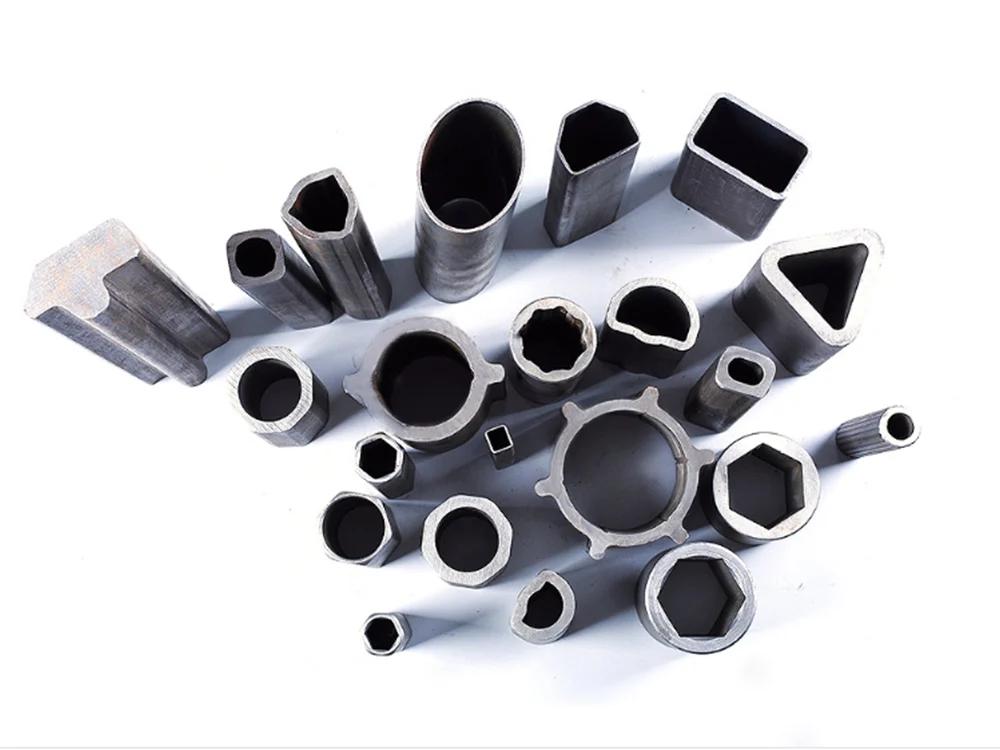
Cold drawing makes a custom profile practical because it can hold tight corner radii and straightness over the full length. Hexagonal and other repeatable profiles can also simplify assembly when the shape itself indexes the connection or sets the visual rhythm. The limitation is that design freedom is not unlimited. Wall thickness transitions, very small radii, and extreme width-to-thickness ratios all affect tooling and springback. The design conversation should happen before the architectural drawing is frozen, not after the steel is ordered.
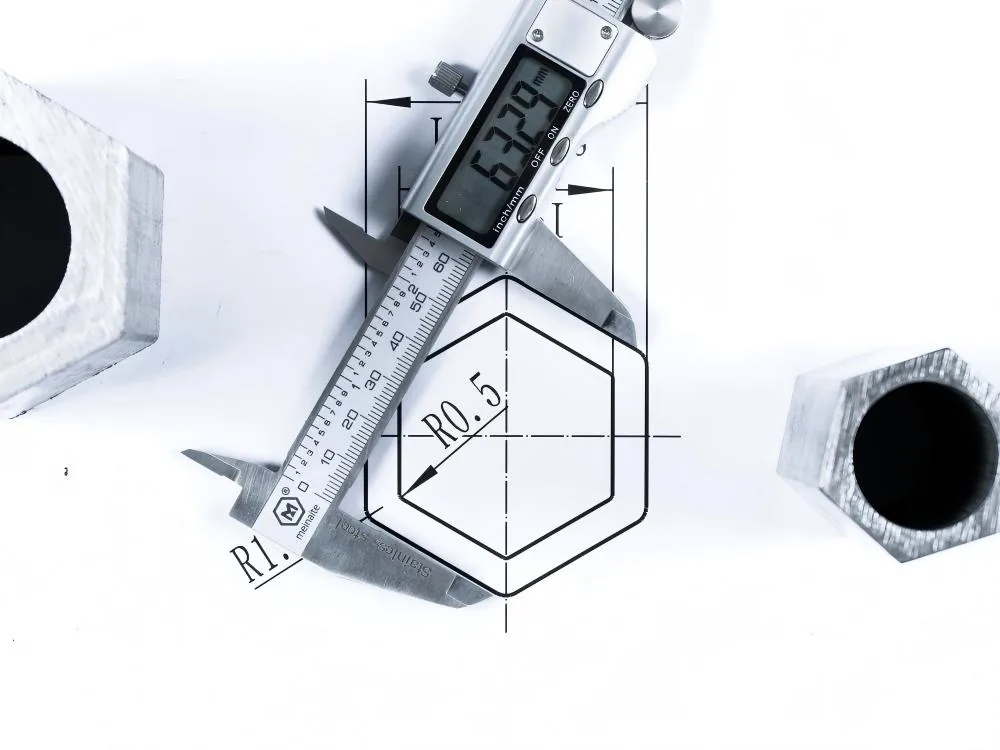
Custom profiles work best when the architecture, structural connection, and fabrication route are aligned early. <Custom-Shaped Steel Tubes: Design Considerations> covers design considerations for non-round sections and the rules that make them manufacturable.
Corrosion Control and Service Life in Urban Environments
Urban environments concentrate corrosion drivers: de-icing salts on roadways, moisture trapped in joints, galvanic contact between steel and other metals, and constant wetting and drying in coastal or wastewater zones. The first rule is to prevent water traps. Horizontal surfaces, closed box sections without drainage, and crevices at brackets are more dangerous than the steel grade alone. The second rule is to match the protective system to the exposure. Galvanizing, paint systems, and atmospheric corrosion-resistant grades each work, but not under identical conditions. A coating that survives a dry facade may fail quickly in a splash zone or buried condition.
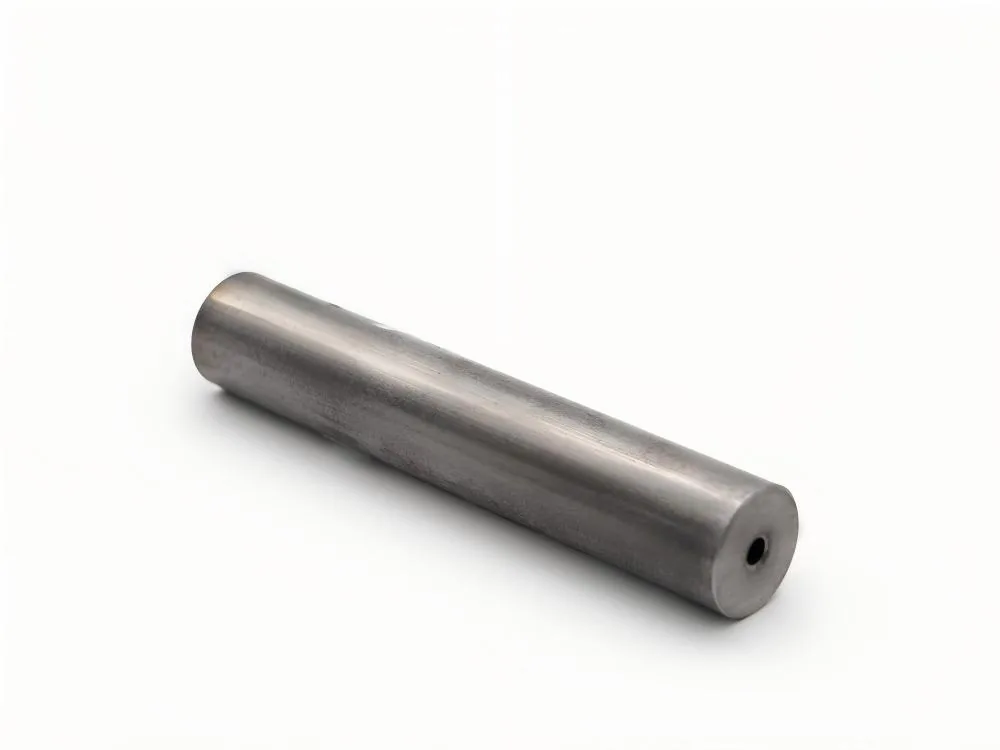
Atmospheric corrosion-resistant grades can help in exposed architectural or infrastructure locations, but they are not a universal replacement for a coating system. The material choice, the drain path, the coating, and the inspection schedule need to be designed together. A smart city asset expected to carry sensors for 20 years should have inspection access and a defined maintenance trigger, not just a paint specification.
Corrosion protection should be specified with the same attention as the steel grade. <Steel Pipe Corrosion Protection Methods for Precision Tube> covers the main protection methods and where they apply.
Precision, Traceability, and Digital Handover
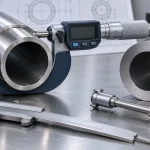
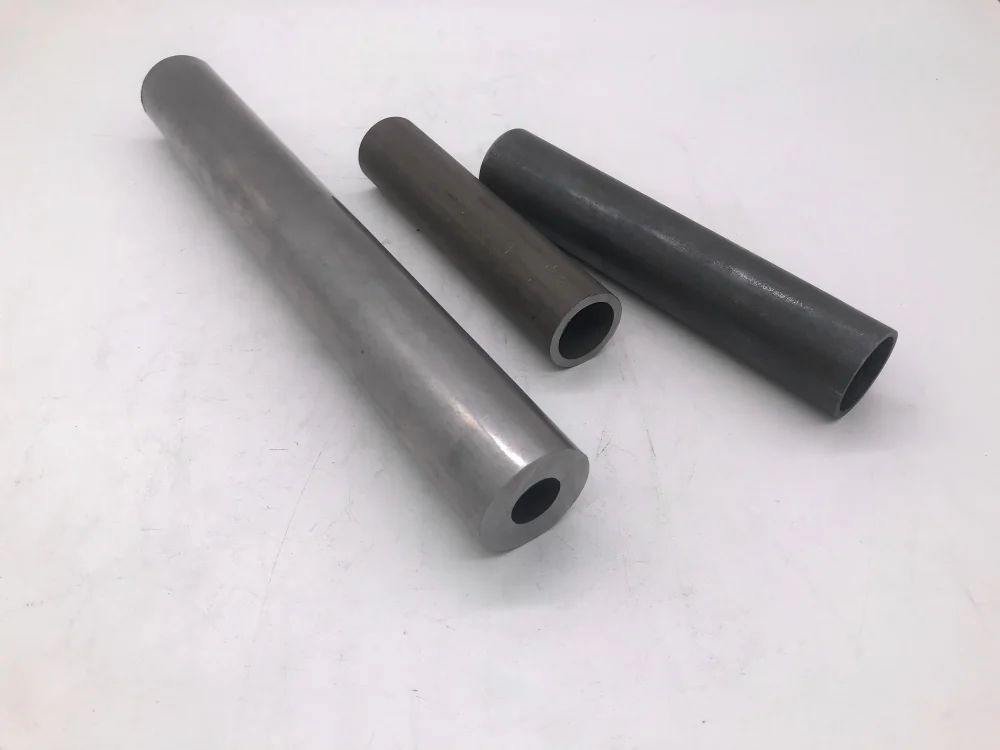
Smart city projects increasingly rely on digital models. For the physical layer to match the digital twin, the steel tube stock must be dimensionally consistent and documented. A pipe that is merely nominal may vary enough to make field brackets, sensor mounts, or replacement parts difficult. Cold drawn and cold rolled precision tubes offer tighter tolerances on outer diameter and wall thickness, with smoother surfaces. The product library examples for smart city work are typically in the 10 mm to 108 mm outside diameter range, with wall thickness from 1 mm to 20 mm, depending on the structural or fluid duty. These dimensions are company product capabilities, not generic market claims.
A vertically integrated supplier such as Tenjan Steel Tube can align cold drawing, rolling, non-destructive testing, and documentation under one quality loop, which is useful when a project requires PMI and NDT verification. The goal is not more paperwork. It is to make sure a replacement part or retrofit component can be ordered against the same dimensional and material record years later.
Specifying Steel Tubes for a Smart City Package
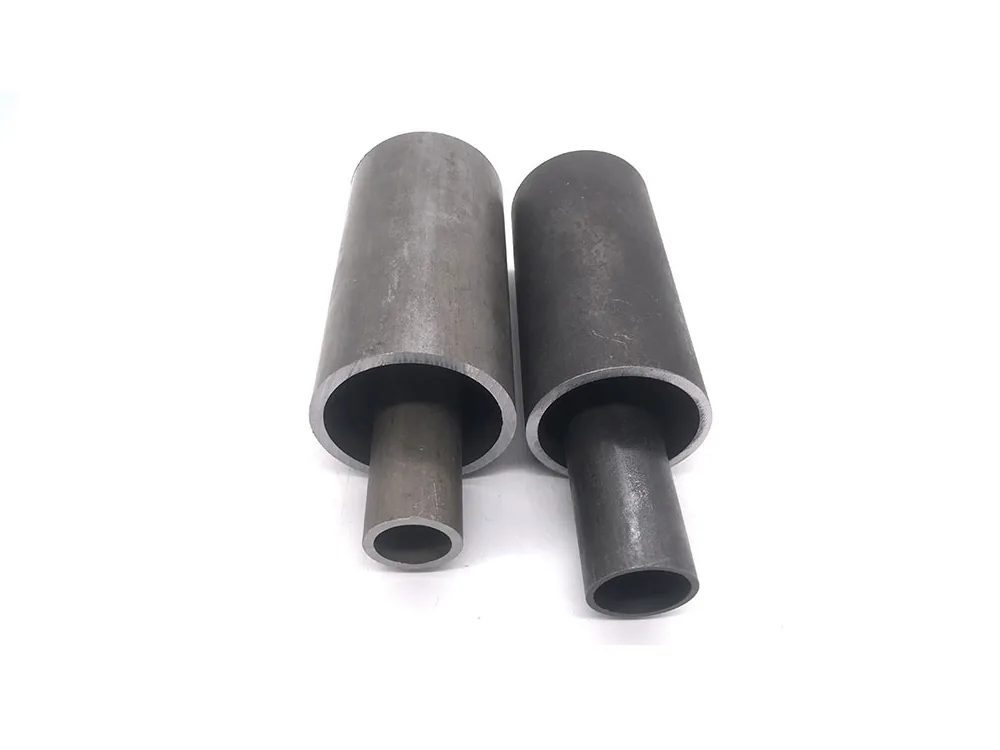
Procurement should start with the failure mode and the installation condition, then work down to the specification. The minimum useful request is not “steel tube” or a single grade. It is a package: cross-section and dimensions, material grade and standard, tolerance class, surface and corrosion protection, test and inspection requirements, traceability documents, and delivery condition. For modular work, also fix straightness, cut length, and end condition. For buried or coastal assets, fix the coating or corrosion allowance and the inspection access.
The same package should state whether a weld is acceptable or whether a seamless route is required. A welded tube can be the right economic choice for a low-pressure sleeve, while a seamless tube is often preferred for pressure, fatigue, or high-integrity mechanical parts. The decision should follow the engineering condition, not a default material preference.
Confirm the Tube Package Before the Drawing Freezes
Tell us the application, load or pressure condition, cross-section, outside diameter and wall thickness, material grade or standard, corrosion environment, required tolerances, test plan, traceability documents, and installation date. That list follows the decisions covered above, and it is enough to identify whether a standard tube, a custom shape, or a different material route fits the project. Contact Tenjan Steel Tube at Sunny@tenjan.com, +86 13401309791, or WhatsApp +86 13401309791.
FAQ
Are seamless or welded steel tubes better for smart city projects?
Neither is universally better. Seamless tubes suit pressure, fatigue, and high-integrity structural parts where the weld is the limiting feature. Welded tubes are economical for lower-pressure fluid lines, sleeves, enclosures, and many architectural profiles. The decision should follow the pressure test, fatigue life, corrosion allowance, and tolerance class, not a blanket preference.
What standards should a procurement team request?
Request the standard that matches the duty. ASTM A519 and EN 10305-1 support precision mechanical and hydraulic tube. DIN 2391 supports high-accuracy cold drawn tube. JIS G3445 and JIS G3461 support Japanese machine structural and boiler applications. GB/T 3639 and GB/T 8162 support Chinese precision and structural pipe. Verify the test and inspection plan alongside the grade number, because the same standard can allow different delivery conditions and tolerance classes.
Can custom-shaped steel tubes reduce site labor?
Yes, when the shape is repeated and the profile removes a separate bracket, shim, or welding step. The tradeoff is longer planning and tooling cost. For a small quantity, a standard round or rectangular section and a field bracket can be cheaper. For a modular canopy, railing system, or sensor mast repeated many times, the custom shape can shift cost from site labor to controlled factory production.
How do you protect steel tubes in underground or coastal urban locations?
Start by removing water traps and providing drainage or sealing details. Then choose a protective system matched to the exposure: galvanizing, a qualified coating system, or an atmospheric corrosion-resistant grade in the right environment. In coastal or de-icing salt zones, include inspection access and a planned maintenance trigger instead of assuming the first coating will last for the full life.
If you’re interested, check out these related articles:
Steel Tube Supplier Evaluation: Technical Criteria for Engineers
Selecting Steel Pipes for Drilling Equipment: Core Factors
Precision Tube Quality Inspection Checklist
Steel Pipe Corrosion Protection Methods for Precision Tube